REVIEW · KYOTO
Tea Ceremony in 150 Years Old Townhouse with Tables and Chairs
Book on Viator →Operated by Tea Ceremony & Cultural Experience Kangetsu Kyoto 日本文化体験教室 寒月 · Bookable on Viator
Kyoto’s tea rules start with your posture. In a 150-year-old townhouse near Sannenzaka and Ninenzaka, I like how this experience turns matcha from something you order into something you understand and can actually make. You get hands-on practice, and a tea master explains what each step means, from utensils to etiquette, while you enjoy Uji matcha and traditional sweets. The main thing to consider is that it’s a small-group format with clear room rules (socks, no perfume), so you’ll want to follow the pacing and show up respectful.
I also like that it’s built for real learning, not just watching. You sit at tables and chairs, the session runs about 50 minutes, and instructions are available in English every day with a Q&A at the end. Price-wise, this is $28.90 for the full course feel—two cups of matcha (made in Uji), two seasonal sweets, and the tools—though kimono and socks cost extra.
In This Review
- Key things that make this matcha ceremony worth your time
- Kyoto’s 150-year townhouse near Ninenzaka: the setting that teaches manners
- Price and timing: what $28.90 buys you (and what it doesn’t)
- Before you walk in: socks, perfume bans, and phone rules
- The flow of the ceremony: etiquette, utensils, ritual, then Q&A
- Making matcha yourself: the part that clicks for most people
- Sweets with tea: seasonal wagashi and why the pairing matters
- English instruction in a room built for attention
- Kimono option: fun photos, but you’ll pay extra
- Room etiquette and timing: the quiet rules that make it work
- Getting there: Kangetsu Kyoto by Ninenzaka
- Who should book this matcha lesson in Kyoto?
- Should you book? My quick decision guide
- FAQ
- How long is the tea ceremony experience?
- What’s included in the price?
- Is kimono included?
- Are socks required?
- Can I record video during the ceremony?
- Are there age limits for children?
- What should I do if I have allergies?
Key things that make this matcha ceremony worth your time
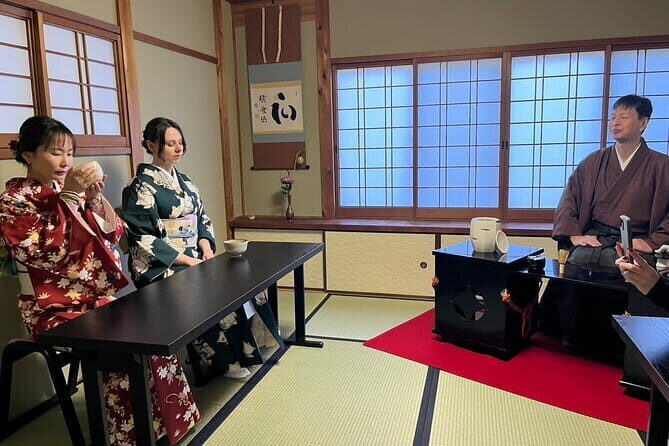
- You make your own matcha cup with guidance throughout, not just a demonstration
- Uji matcha in Kyoto: your tea comes from Kyoto’s matcha-famous Uji area
- 150-year townhouse setting near Ninenzaka gives the experience a calmer, more authentic mood
- Tables and chairs seating keeps the format approachable compared with floor-only ceremonies
- Room etiquette rules are strict (perfume, phone, filming), which helps keep the experience peaceful
- Small-group cap (15 people) means you actually get attention while you learn
Kyoto’s 150-year townhouse near Ninenzaka: the setting that teaches manners
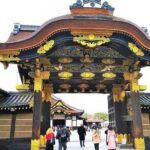
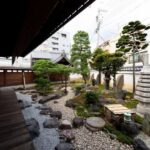
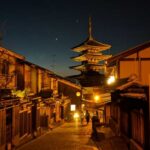
This tea ceremony happens in Kyoto’s Ninenzaka and Sannenzaka area, which is a smart choice if you’re trying to see the old Kyoto vibe in a way that doesn’t feel like a stage show. The tour takes place in a traditional townhouse built for this kind of slow, careful ritual. Even if you’re not a “quiet person,” the room nudges you into it.
A practical bonus: the title calls out tables and chairs, so you’re not forced into the most physically demanding style of tea service. That makes a difference for lots of people—especially if you’re traveling with knees that don’t love long sitting on the floor.
And because the ceremony includes etiquette lessons, the setting does more than look pretty. It helps you understand why the ritual emphasizes attention: where you place items, how you move, and why the tea master’s calm pace matters.
You can also read our reviews of more tours and experiences in Kyoto.


Price and timing: what $28.90 buys you (and what it doesn’t)
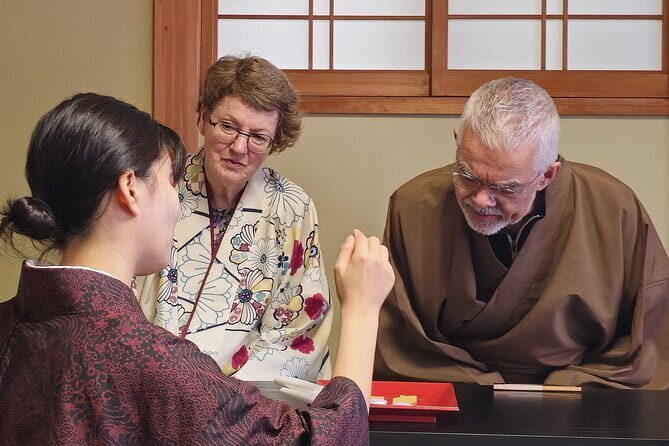
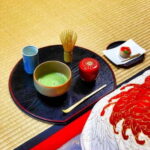
At $28.90 per person for about 50 minutes, this is priced like a focused cultural class, not a long half-day production. You get two cups of high-quality matcha (made in Uji, Kyoto) plus two types of seasonal Japanese sweets. You also get the tools you need to make tea yourself.
The “value” here is that you’re not paying only for the tea—you’re paying for instruction. A tea master walks you through tea etiquette, utensils, and rituals in a way you can use again later, whether you’re practicing at home or just trying to understand what you’re tasting in Kyoto.
What’s not included: bottled water, soda/pop, alcohol, kimono, and socks. If you’re thirsty during the session, plan to handle it outside first. If you want kimono photos, that extra cost is straightforward (more on that soon).
Before you walk in: socks, perfume bans, and phone rules
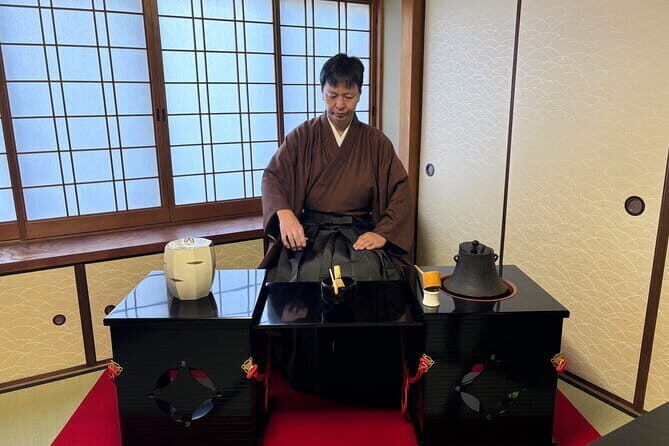
The ceremony has a clear list of rules, and they’re not random. They protect the tea atmosphere, the scents in the room, and the comfort of everyone sharing the space.
Here’s what you should plan for:
- Wear socks. If you forget, you can buy socks there.
- Cover up appropriately. Choose clothing that doesn’t expose too much skin.
- No perfume. This is strictly prohibited because it can interfere with the smell of incense and tea.
- Smartphones only in the tea room. Video recording during the instructor’s demonstration is prohibited.
- Only children 7 and up. Children under 7 can’t participate.
- Allergies should be shared in advance, so the sweets and process are safe for you.
If you usually travel light, the socks rule is the one people underestimate. It takes almost no effort to be ready, and it prevents you from being the awkward person at the door.
The flow of the ceremony: etiquette, utensils, ritual, then Q&A
The session follows a classic rhythm: explanation, observation, then hands-on participation. You’ll start with the welcome and instruction in a room that’s designed for calm focus.
The tea master explains what you need to know—things like tea etiquette, how to use the utensils, and how the rituals connect to the meaning of tea in Japanese culture. It’s not just “do this, then that.” The guidance is meant to help you understand why each movement is done the way it is.
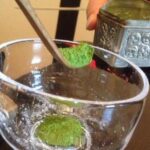
Then you move from watching to doing. This is when the ceremony becomes personal. You prepare your own cup of matcha while the instructor guides you through the correct process.
At the end, there’s a question-and-answer segment, which I find is where the experience stops feeling scripted. If you’re curious about anything you tasted or any detail you missed, this is the moment to ask.
Finally, the session ends back where you started, so you’re not stuck figuring out transit right after you’ve done something slow and absorbing.
Making matcha yourself: the part that clicks for most people
This is the hands-on highlight: you prepare your own cup of matcha. That single detail changes everything. Watching a whisk motion is one thing; making it yourself teaches you what “good matcha” feels like when mixed properly.
You’re using utensils provided for the course, and the instructor’s step-by-step guidance is tailored to English-speaking participants. The tea master explains the process in a way that doesn’t assume you already know the basics. If you’re new to matcha, that matters.
One theme that comes up strongly in the experience style is learning why matcha is special, not only that it tastes good. You’ll learn what’s behind the ritual approach—how care, timing, and technique affect the final cup.
Also, there’s practical payoff. Many people like that this kind of lesson helps them judge matcha quality when they buy it later. There’s a shop associated with the experience, so you may have the chance to purchase matcha right there if you want to bring the flavor home.


Sweets with tea: seasonal wagashi and why the pairing matters
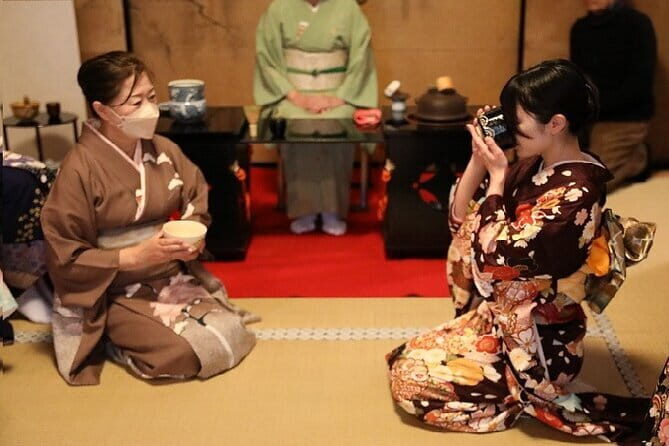
A tea ceremony in Kyoto is never only about the drink. You also get to taste two different types of seasonal Japanese sweets, traditionally made and paired with your tea.
These sweets aren’t included as an afterthought snack. They’re part of the rhythm of the ceremony. You’ll typically enjoy them alongside your matcha cups, so your palate gets a break between sips and a different texture profile to notice.
What to expect: traditional sweets can be subtle, not like the overly sweet desserts some people expect. If you usually go for big flavors, give these bites a moment. The point is harmony—how the tea’s taste and the sweetness/texture work together.
If you have allergies, you should inform the team in advance. Since the sweets are included, that’s the easiest way to make sure your selection is safe.
English instruction in a room built for attention
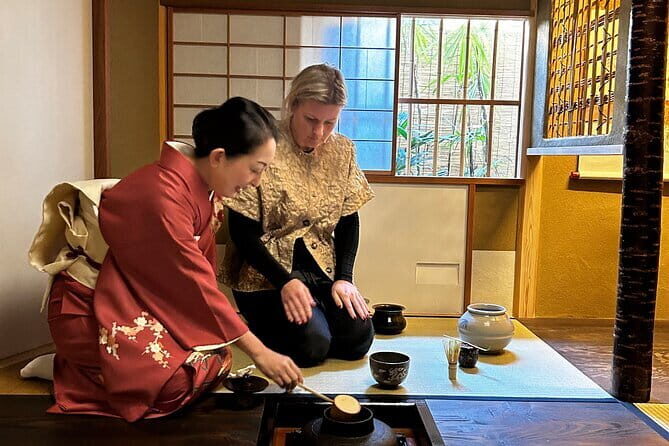
One reason people feel satisfied with this course is the structure of the teaching. The tea master and the English support guide you through the meaning of what’s happening.
In a small group, step-by-step explanations help because you can actually follow the timing. When you’re making your own cup, waiting for the group to catch up can throw you off. This format keeps the pace manageable, and the room stays focused.
There’s also a bit of Q&A at the end, which helps you connect dots you didn’t know were missing at the start. If you want to go beyond tasting and get cultural context without a lecture-heavy approach, this is built for that.
Kimono option: fun photos, but you’ll pay extra
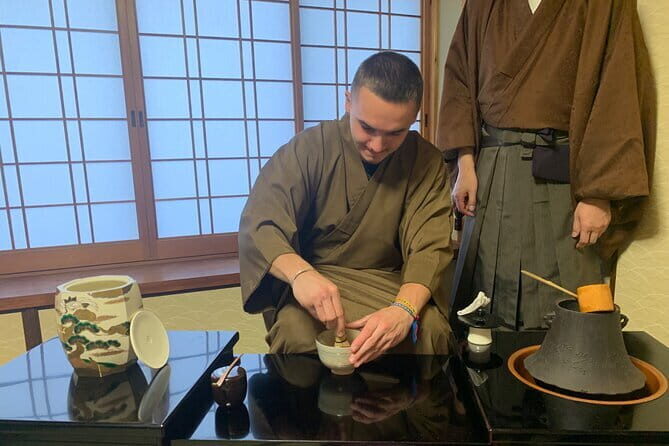
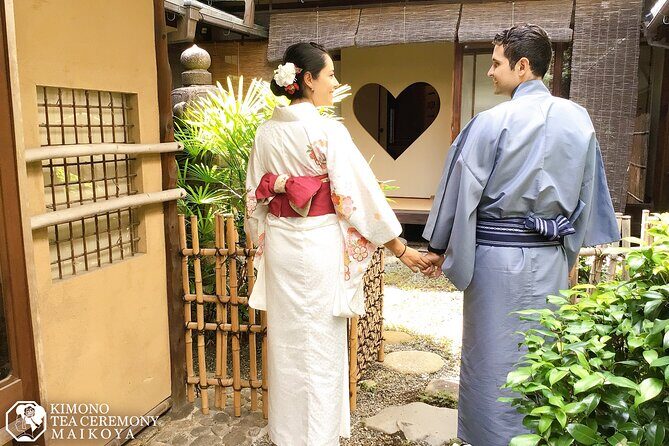
Kimono isn’t included, but you can rent one. The option mentioned is a two-piece kimono rental for 1000 yen.
If you’re thinking about it, consider why you want kimono. If it’s for photos and a more “Kyoto” look, it’s a common add-on that many people enjoy. If you prefer to keep costs and dressing time simple, skip it and use your energy for the learning and the tea.
Either way, you’ll still need to follow the clothing guidance in the room. The kimono option doesn’t erase the requirement to dress modestly.
Room etiquette and timing: the quiet rules that make it work
A tea ceremony depends on good behavior. Even when everyone is friendly, small issues can disrupt the flow because the ritual is slow.
Two things to keep in mind:
- Be punctual. If one group causes delays, it can push the schedule and shorten the time you have to practice.
- Follow the room rules closely, especially perfume and phone/video behavior. Those rules protect the scent environment and the shared attention needed for the instructor’s demonstration.
There’s also a simple reality: the atmosphere improves when everyone behaves respectfully. If you enjoy watching people do thoughtful, careful work, you’ll feel it right away in this room.
Getting there: Kangetsu Kyoto by Ninenzaka
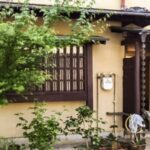
The meeting point is Tea Ceremony & Cultural Experience Kangetsu Kyoto at Ninenzaka, Higashiyama Ward (349-19 Masuyachō, Kyoto 605-0826). It’s near public transportation, which helps if you’re combining this with other Ninenzaka/Sannenzaka stops.
You’ll want to plan a little time to locate the townhouse entrance. One practical tip: directions are shared after booking (people report getting a text explaining where to go), so check your phone so you don’t arrive stressed.
After the tea ceremony, you end back at the meeting point.
Who should book this matcha lesson in Kyoto?
This is a great fit if you:
- Want hands-on matcha making with a clear process
- Like cultural activities that feel authentic rather than rushed
- Prefer a small group (max 15) where you can follow along
- Are traveling as a couple, solo, or with older kids who can participate in the etiquette-focused setting
It’s also a solid choice if you’re the type who wants to understand tea culture, not just taste something once. The instruction covers utensils, rituals, and etiquette, and the Q&A helps you fill any gaps.
One caution: if you’re looking for a private, one-to-one ceremony experience, this format is small-group. It’s not positioned as a private-only session.
Should you book? My quick decision guide
Book it if you want the full package: Uji matcha + sweets + making your own cup in a traditional 150-year-old townhouse setting near Ninenzaka, with English guidance and a calm Q&A at the end. The duration is short enough to fit into a Kyoto day, but long enough to feel like real learning.
Skip it or adjust expectations if:
- You dislike following room rules (especially socks and the perfume ban)
- You’re hoping for a fully private session
- You need bottled water during the experience (it’s not included)
If you like thoughtful cultural moments and want a skill you can repeat, this is the kind of Kyoto activity that sticks with you.
FAQ
How long is the tea ceremony experience?
It runs about 50 minutes (approx.).
What’s included in the price?
All fees and taxes are included, along with using utensils to make your own tea. You also get coffee or tea (two cups of high-quality matcha made in Uji, Kyoto) and two types of seasonal Japanese sweets.
Is kimono included?
No. Kimono (a two-piece type) can be rented for 1000 JPY, but it’s not included in the base price.
Are socks required?
Yes. You need to wear socks. If you forget, you can purchase socks.
Can I record video during the ceremony?
Video recording during the instructor’s demonstration is prohibited. The rules specify that only smart phones are allowed in the tea room.
Are there age limits for children?
Yes. Children under 7 years old are not allowed to participate.
What should I do if I have allergies?
You should inform the team in advance if you have any allergies so they can help manage the sweets and experience safely.

![[1 Group Only] Osaka Street Food Tour for Family - What you eat on this tour (and what you’ll likely add)](https://images.thejapantraveler.com/wp-content/uploads/1-group-only-osaka-street-food-tour-for-family.jpg)