REVIEW · TOKYO
Tokyo: Exquisite Wagyu Beef Experience at Yakiniku Nikunone
Book on GetYourGuide →Operated by TakeMe Co.,Ltd. · Bookable on GetYourGuide
Quiet rooms. Serious wagyu.
At Yakiniku Nikunone, the whole point is an upscale, private A5 Wagyu yakiniku meal that feels calmer than most Tokyo dining. I love the careful way the menu guides you through different cuts and textures, not just more and more meat. I also love the rare touches, like caviar-topped wagyu sushi and ingredient imports such as Dragon Eggs and algae salt rice. One thing to consider: this is a set 2-hour course experience, and your seating type can’t be guaranteed, so it’s best if you’re happy to follow the flow and not fuss about the exact room setup.
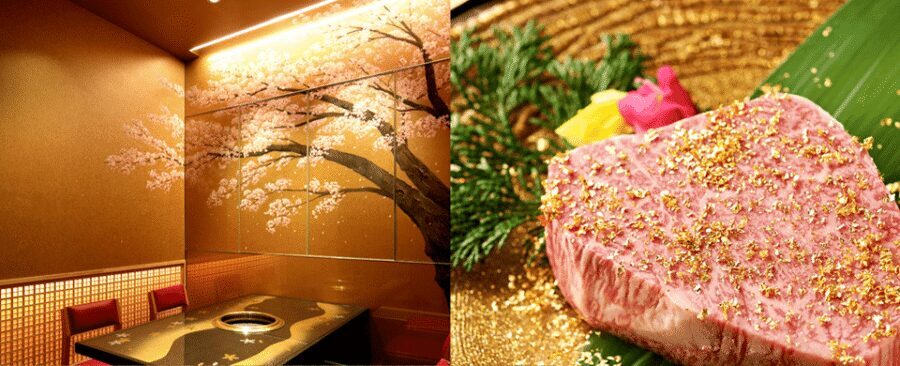
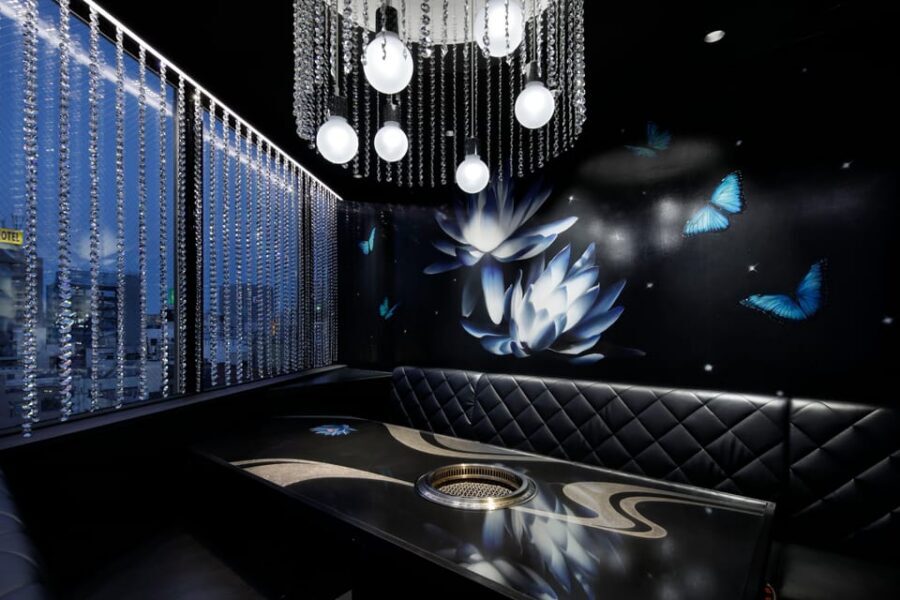
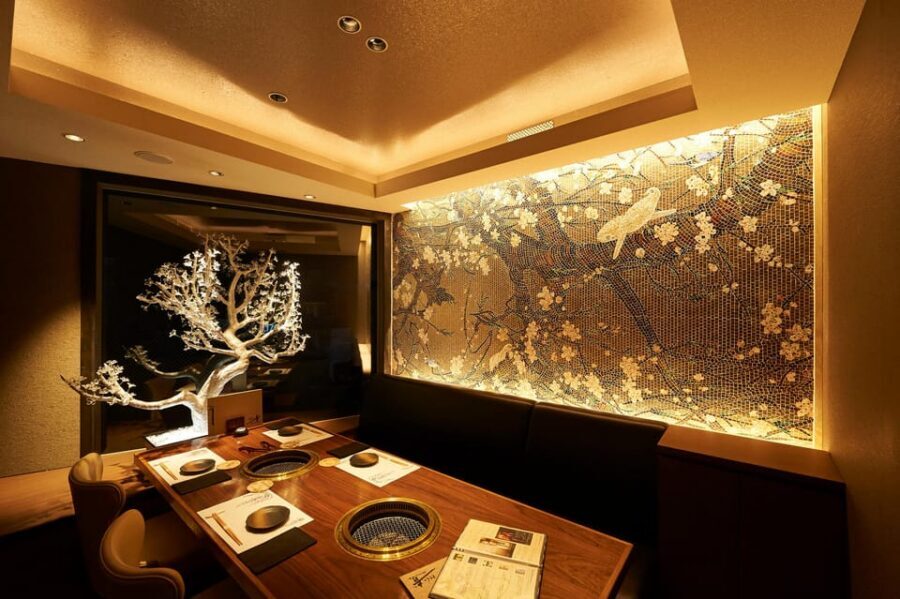
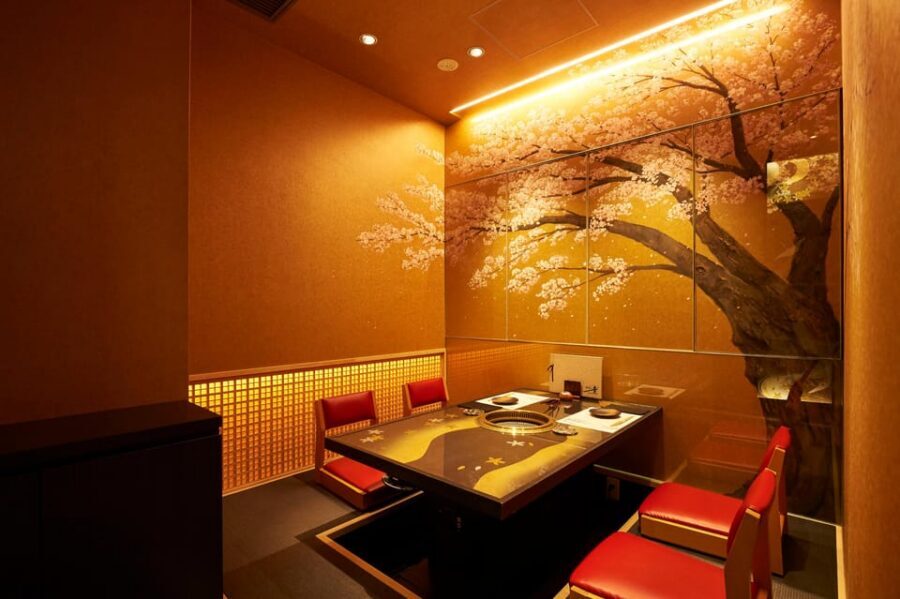
Beyond the meat, the restaurant plays a clever game with mood. Each private dining room is inspired by Japan’s four seasons, so the meal doesn’t just taste special—it also feels staged for the moment. You also get a real pairing vibe between wagyu and wine, and if you pick the course with extra drinks (and caviar), you’re leaning into that full-on luxury lane.
One more practical note: this is reservation-only and you enter when it’s time—no guide walking you through what to order. If you like a hands-off, follow-the-course kind of night, you’ll fit right in.
In This Review
- Key things worth knowing before you book Nikunone
- Tokyo Wagyu Night, the Private-Room Way
- Getting There and Finding the Door Without Stress
- The Course System: Pick the Right Menu for Your Mood
- Nikunone Course: the classic A5 wagyu showcase (12 dishes)
- Kirameki Course: seafood-meets-wagyu with extra variety (14 dishes)
- Kinzakura Course: most celebratory, with fruit champagne and caviar (14 dishes)
- The Signature Ingredients That Make It Feel Purpose-Built
- The Beef Tongue Factor (and Why It’s Such a Good Sign)
- Wine and Wagyu: What the Pairing Actually Does
- What the Meal Feels Like in Practice
- Price and Value: Is $113 Worth It?
- Who This Is Best For (and Who Might Skip It)
- Quick FAQ Before You Commit
- FAQ
- How long is the Yakiniku Nikunone wagyu course?
- Where exactly do I go?
- Is a guide included with the booking?
- What’s included in the price?
- What drinks are included?
- Is the restaurant wheelchair accessible?
- Is there a minimum drinking age in Japan?
- Should You Book Yakiniku Nikunone in Tokyo?
Key things worth knowing before you book Nikunone
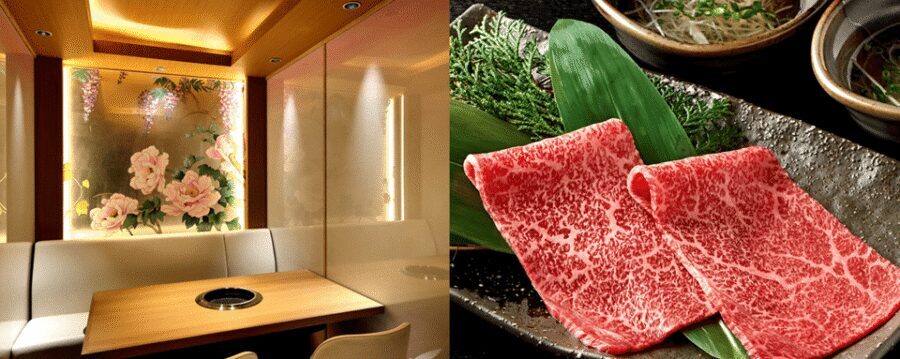
- Private dining rooms designed around Japan’s four seasons, so you can talk and eat without restaurant noise.
- A5-only focus at a yakiniku restaurant, meaning the menu logic is built around top-grade wagyu cuts.
- Course-exclusive seafood-and-wagyu moments, including seared wagyu sushi with caviar.
- Rare ingredient spotlight, like Dragon Eggs from Oita and algae salt rice from the Oki Islands.
- Wine + wagyu pairing energy, especially noticeable in the courses that include fruit champagne.
Tokyo Wagyu Night, the Private-Room Way
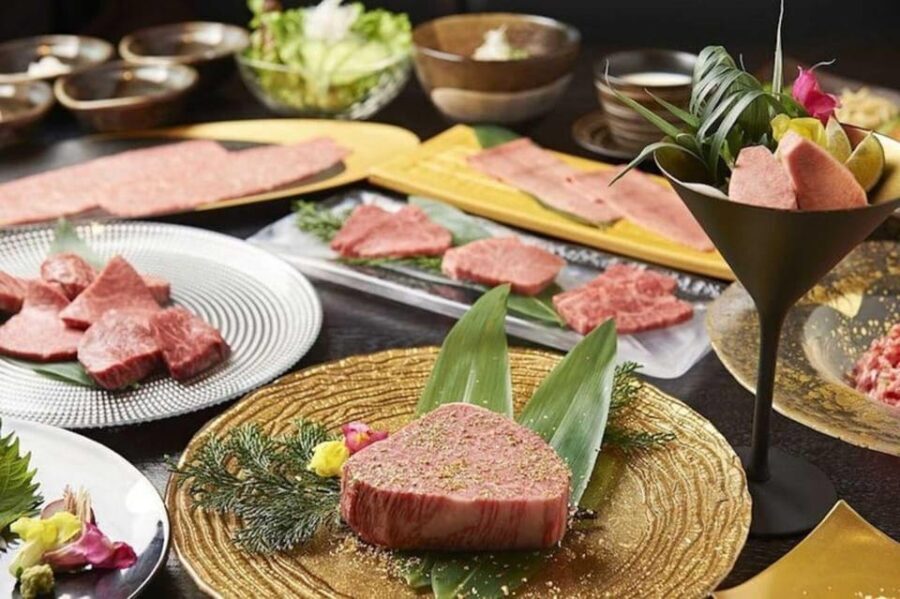
Tokyo can be amazing at food, but it also loves crowds, noise, and decision fatigue. Nikunone flips that script. Instead of fighting for a good seat and then guessing what’s best, you get set menus in private rooms, with staff who keep things smooth and respectful.
The restaurant is wagyu-only specialized, and that matters. When a place commits to one ingredient type at a high level, you tend to get clearer menu choices and better consistency. Here, you’re not ordering a random mix of meat and sides. You’re moving through designed courses meant to show off different parts, different cooking styles, and different flavor finishes.
The other thing I like is how the experience is paced. The meal is structured into multiple dishes across about two hours, so you’re not stuck waiting forever. That speed is good and bad: good because you stay engaged, bad if you want a long, slow hang like you might at some izakaya-style spots.
You can also read our reviews of more tours and experiences in Tokyo.



Getting There and Finding the Door Without Stress
This isn’t a meetup tour with a guide. It’s a restaurant reservation. When your time comes, you go straight to the restaurant.
For the exact meeting reference, it’s across from Lawson Gran Customa. If you’re using public transit, I’d plan to arrive a little early, then spend those extra minutes getting your bearings. The good news: since there’s no guided “start point,” you don’t have to worry about missing a group or a briefing.
Also note that photos you see online are for reference only. That’s typical, but it matters for private rooms. You can’t assume your room will look identical to every photo, and seat type isn’t guaranteed. In practice, the private-room concept is the point, so you’ll still be eating in a calm setting even if the exact layout differs.
The Course System: Pick the Right Menu for Your Mood
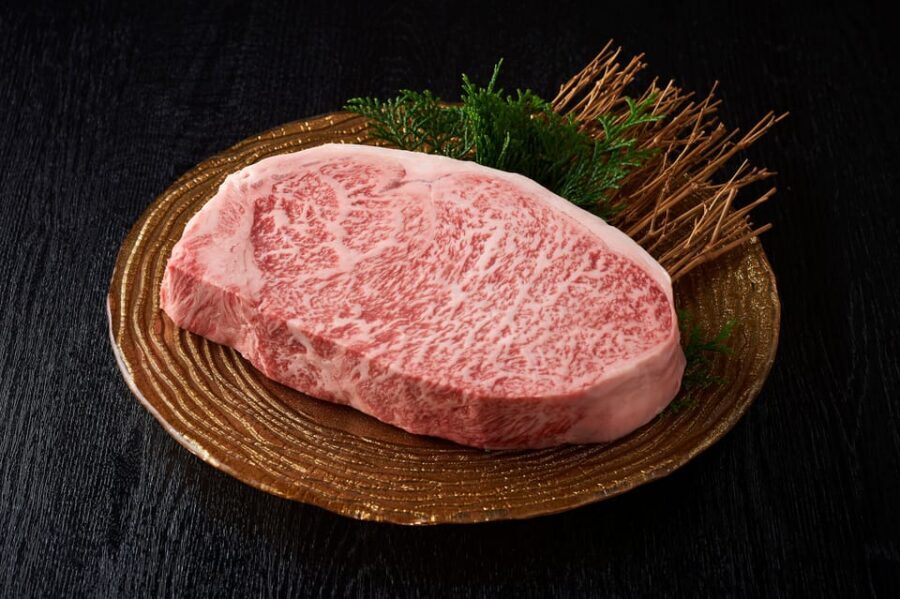
You’ll choose from three full course menus. All courses come with a welcome drink, and each one is built around a set sequence of dishes. The differences aren’t subtle either: each menu changes the meat mix, swaps in signature “today” specialties, and adjusts what seafood and caviar show up.
Nikunone Course: the classic A5 wagyu showcase (12 dishes)
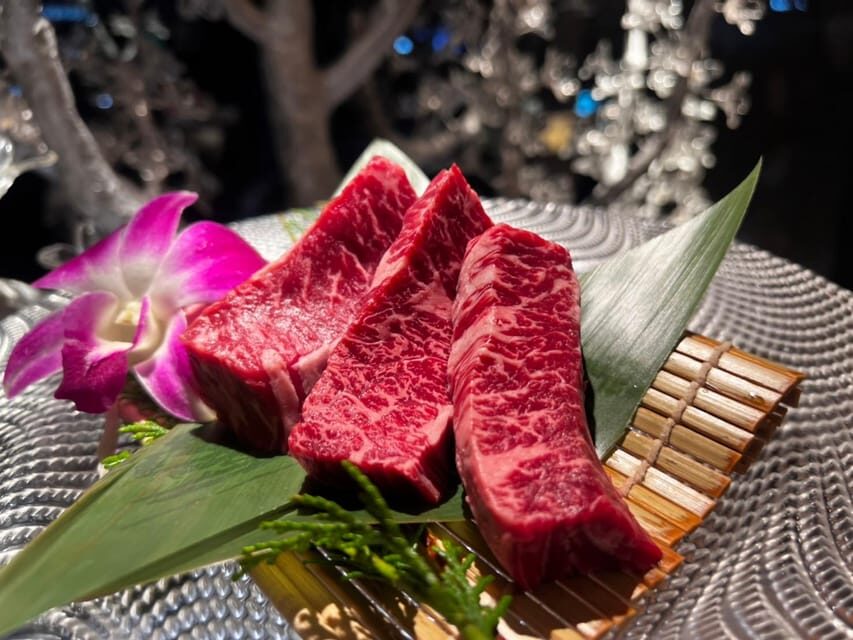
If you want a strong “first wagyu night” without overthinking, this is the clean starting point. You get one drink plus one course-exclusive highlight: a piece of seared wagyu sushi with caviar.
From there, you move through a lineup that makes sense for the palate:
- Kimchi and namul (small, punchy starters to wake up your taste buds)
- Wagyu sinew stew (comfort food energy, but still wagyu-focused)
- Salad
- Tongue preparations, including special tongue grilled shabu-shabu
- A set of “today’s special” salted exclusive parts
- Chesnuts grilled shabu-shabu
- Marinated lean meats
- Grilled wagyu sushi (2 pieces)
- Citrus yuzu sorbet to close things out cool and bright
What I like about this course is the arc. It has plenty of variety—stew, shabu-shabu style, grilled, sushi—so you’re tasting technique, not just trying “more meat.”
Kirameki Course: seafood-meets-wagyu with extra variety (14 dishes)
This menu adds more dishes and leans harder into contrast. You still get one drink, and you still get the course-exclusive seared wagyu sushi with caviar.
What changes is the seafood angle and the meat progression:
- Miyazaki beef sashimi with sea urchins
- Grilled wagyu sushi with caviar (1 piece)
- Special skirt steak served with fresh wasabi
- Special tongue grilled shabu-shabu
- A “today’s special” salted exclusive parts
- Marinated lean meats
- Then you choose a main steak option: sirloin steak or rump steak
- Meal option: cold noodles or wagyu ochazuke
- Dessert choice (not just one fixed ending)
If you like seafood alongside beef, this is a great fit. The wasabi-served skirt steak also gives you a sharp, clean flavor lift against the richness of wagyu fat.






Kinzakura Course: most celebratory, with fruit champagne and caviar (14 dishes)
This is the loudest, most “we came for the full experience” option. You get two drinks, including fruit champagne, and one jar of caviar. That jar part matters because it turns caviar from a small garnish into a flexible element you can use across the course.
You can expect:
- Kimchi and namul
- Hand-roll sea urchin tartar sushi with caviar
- Salad
- Special tongue grilled shabu-shabu
- Chateaubriand with truffle salt
- Today’s special salted exclusive parts
- Marinated lean meats
- Chuck flap grilled sukiyaki
- Selected wagyu steak sandwich
- Meal option: cold noodles or grilled wagyu sushi with sea urchins (2 pieces)
- Dessert choice
- A small bottle of caviar that you can use on sea urchin tartar etc
This is the course I’d pick for a big occasion, or if you’re the kind of diner who wants the entire luxury “set” and doesn’t mind spending for it. The truffle salt and the caviar jar both push you deeper into that fine-dining vibe.
The Signature Ingredients That Make It Feel Purpose-Built
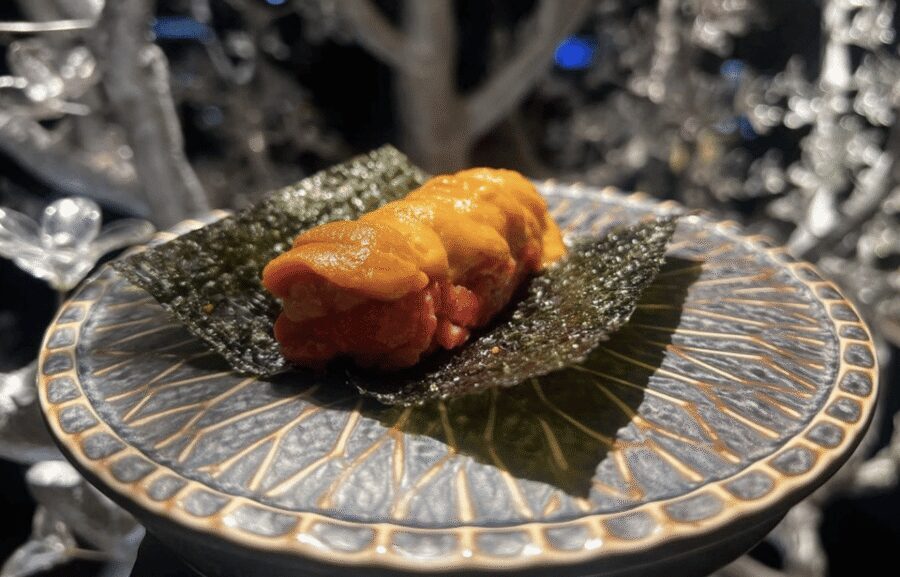
The menu doesn’t rely only on wagyu. It builds around specific ingredient stories.
Two examples that stand out:
- Dragon Eggs from Oita: they’re rare enough to feel like an event rather than a gimmick.
- Algae Salt Rice from the Oki Islands: it adds a distinct mineral, savory edge that can tame richness and keep the bite from feeling heavy.
You also see seafood treated with care, including sea urchin paired with wagyu sushi and sashimi-style dishes depending on the course. That matters because wagyu can go one-note if you only eat beef and beef-adjacent sauces. Here, you get other textures—sea urchin, tartar-style preparations, chilled noodles or ochazuke—to reset your palate.
The Beef Tongue Factor (and Why It’s Such a Good Sign)
If you’re thinking about what to eat first in a wagyu restaurant, I use a simple rule: tongue is a test.
In this case, the tongue dishes are a major part of the meal, including options like assorted beef tongue and preparations such as tongue grilled shabu-shabu. When tongue is treated well, it tells you the kitchen understands tenderness and fat management, not just how to slap wagyu on a grill.
I also like that the menu isn’t afraid of character-rich items like sinew stew and spicy stew-style components. The idea is comfort with substance, not “light and vague” luxury dining.
Wine and Wagyu: What the Pairing Actually Does
The “wine and wagyu marriage” isn’t just marketing fluff here. You’re getting structured courses plus drinks included in the menus, and the flavors are designed to work with both richness and salt.
Wagyu fat needs balance. Wine brings acidity and structure, and it can sharpen the overall experience without making everything taste one big buttery note. Fruit champagne shows up on the Kinzakura course, which makes sense: bubbles and acidity help you keep moving through rich meats and seafood without feeling slowed down.
If you don’t drink, you’ll still enjoy the food, but the menu is clearly built for diners who want the drink element to be part of the pacing.
What the Meal Feels Like in Practice
This kind of dining works best when you accept that it’s a guided flow—even though there’s no guide assigned to you.
You can expect:
- multiple small-to-medium plates showing up in sequence
- staff who stay attentive and polite, without hovering
- courses explained with care, so you can understand what you’re eating rather than guessing
- a calm, private-room environment where your meal isn’t interrupted by a room full of clinking and shouting
Service quality is part of why the night lands. In this case, people describe it as professional and attentive, and that lines up with the whole “private retreat” concept. It’s the difference between eating good wagyu and feeling taken care of while you eat it.
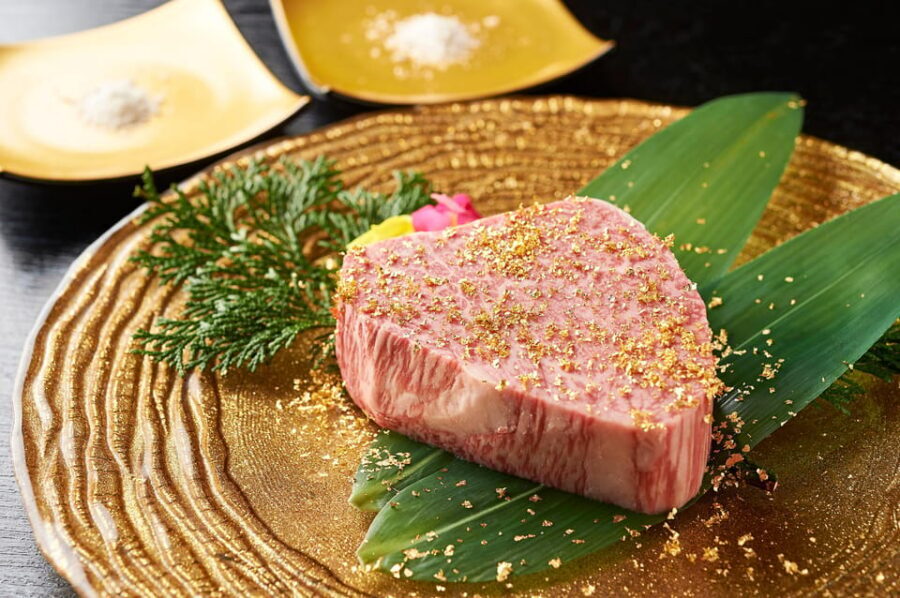
One nice detail: some special touches like gold leaf on wagyu (reported as part of the experience) can show up as a finishing flourish. It’s not essential for flavor, but it does match the room’s luxury vibe.
Price and Value: Is $113 Worth It?
At $113 per person, you’re paying for more than steak. You’re paying for:
- A5 wagyu focus (top grade isn’t cheap, even in Japan)
- a multi-course program instead of one or two plates
- private-room dining, which is a real cost driver
- included drinks and ingredients like sea urchin, caviar, and specific imported items
For value, the key question is which course you choose.
- If you go Nikunone, you’re getting a strong set with one drink and a wagyu sushi-with-caviar moment.
- If you choose Kirameki, you’re paying for added dish variety and seafood contrasts, including sea urchin elements.
- Kinzakura costs the most in experience terms, because fruit champagne and caviar are built into the menu, plus extra celebratory dishes.
If you’re a careful spender, start with Nikunone or Kirameki and let the caviar highlight stay a special moment. If you’re here to fully commit—anniversary, birthday, “I’m doing Tokyo the fancy way”—Kinzakura can be the most satisfying match.
Who This Is Best For (and Who Might Skip It)
This is ideal for:
- couples or small groups who want private dining rather than a noisy shared space
- serious wagyu eaters who care about cuts, technique, and how dishes progress
- food people who like structured courses with seafood and premium ingredients
It might not be the best match if:
- you want a casual, flexible dining night where you can order freely
- you dislike fixed menus that move on on schedule
- you’re traveling with strict dietary rules that aren’t communicated in advance (you can leave dietary restriction notes during checkout, but the menu is still a set course)
If you want a “sit down, follow the plan, enjoy the best version of this category” meal, Nikunone fits.
Quick FAQ Before You Commit
FAQ
How long is the Yakiniku Nikunone wagyu course?
The course experience lasts about 2 hours.
Where exactly do I go?
You can reference the area across from Lawson Gran Customa, and you enter the restaurant directly at your reservation time.
Is a guide included with the booking?
No guide is provided. You’ll go in at the scheduled time.
What’s included in the price?
The full course menu, sales tax, and the reservation are included.
What drinks are included?
Each menu includes welcome drinks. Nikunone and Kirameki include one drink, while Kinzakura includes two drinks including fruit champagne.
Is the restaurant wheelchair accessible?
Yes, it is listed as wheelchair accessible.
Is there a minimum drinking age in Japan?
Yes. The legal drinking age in Japan is 20 years or older.
Should You Book Yakiniku Nikunone in Tokyo?
Book it if you want an A5 wagyu night that’s calm, private, and structured around quality. The private-room setup, the wagyu-only specialization, and the menu’s signature ingredients like Dragon Eggs and algae salt rice are strong reasons to justify a set-course dinner.
Skip it if you’re hoping for casual flexibility or long, slow lounging. This meal is designed to move through multiple dishes within a fixed time, so you’ll enjoy it most when you treat it like an experience you watch unfold—rather than a restaurant where you freestyle.
If you’re choosing between courses, a simple way to decide is this: Nikunone for the pure wagyu showcase, Kirameki for the seafood contrast, and Kinzakura for the full celebration with fruit champagne and caviar.