REVIEW · TOKYO
Tokyo: Learn about Japanese Traditional art KABUKI in Ginza
Book on GetYourGuide →Operated by gotcha Corporation · Bookable on GetYourGuide
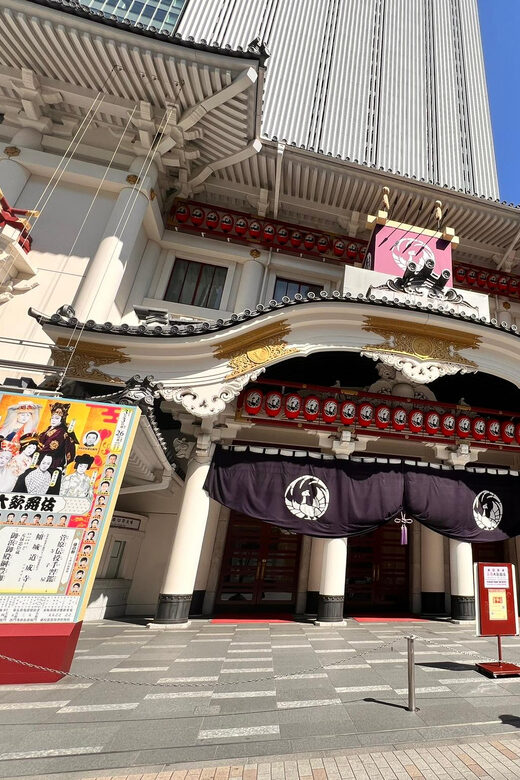
Kabuki culture in one tight slice of Ginza. I like how the tour shows you the Kabukiza theater building up close and helps you learn Kabuki basics right in the theater gallery. I also appreciate that you can shop for Kabukiza-only souvenirs in the area without wasting time crossing the city.
One catch: this is not a Kabuki viewing experience, so you won’t get a performance during the tour. When my guide was Nori, he came across as friendly and informative, but the history introduction may feel a bit basic depending on what you’re hoping for.
In This Review
- Key Highlights You’ll Actually Care About
- Kabukiza in Ginza: A Quick, Focused Kabuki Taste
- Meeting at Nissan Crossing and Getting Oriented Fast
- Kabukiza Theater Gallery: Learning Kabuki Without the Full Commitment
- Souvenir Time at Kabukiza: Worth It If You Like Real Memorabilia
- Mitsukoshi Ginza: The 350-Year-Old Department Store Stop
- Price and Value: What $51 Really Gets You
- Small Group Size: Why Up to 9 People Helps
- Language and Depth: A Quick Reality Check Before You Go
- Who This Tour Fits Best (and Who Might Skip It)
- Should You Book This Kabuki in Ginza Tour?
- FAQ
- Where do I meet for the tour?
- How long is the tour?
- How much does it cost?
- Is Kabuki viewing or a performance included?
- What’s included in the price?
- What language is the tour guide?
- How big is the group?
- Can I cancel for a full refund?
- Are shopping costs included?
- Is Mitsukoshi part of the tour?
Key Highlights You’ll Actually Care About
- Kabukiza building first, explanation second: you see the theater and learn in the gallery, not from a far-away photo spot.
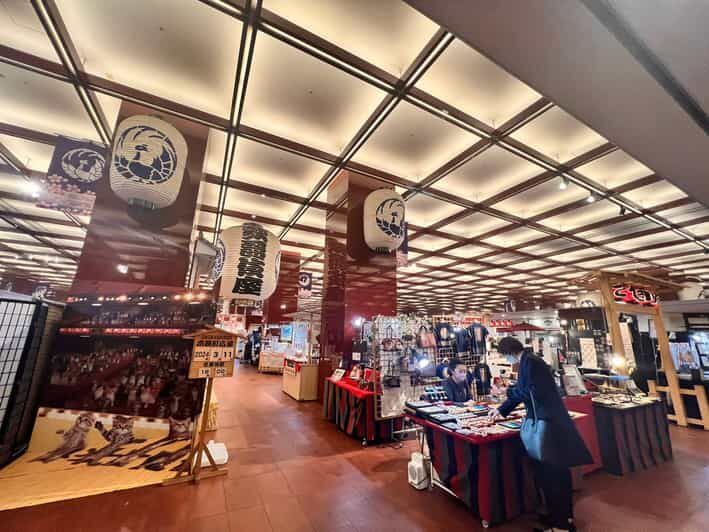
- Kabukiza-only shopping: you’ll have time to browse souvenirs that are specifically tied to Kabukiza.
- English live guide in a small group: limited to 9 people, so the pace stays manageable.
- A short Kabuki culture hit: ideal when you want something tangible but you’re time-crunched.
- Mitsukoshi Ginza stop: a famous department store with over 350 years of history, plus higher-end craft browsing.
Kabukiza in Ginza: A Quick, Focused Kabuki Taste
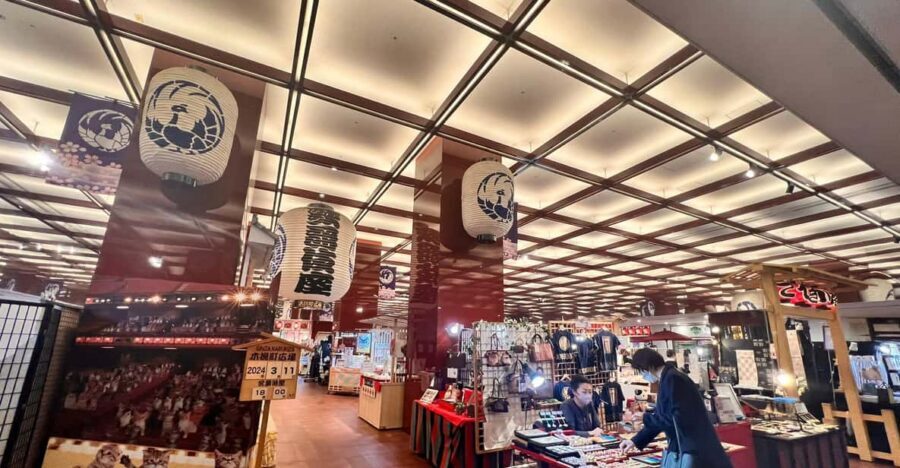
Ginza moves fast, and this tour matches that energy. In just 90 minutes, you get a guided introduction to Kabuki in the place where it’s meant to be experienced: the Kabukiza complex. Instead of trying to do everything in Tokyo, you’ll pick up the essentials and leave with a clearer sense of what you’re seeing later.
I like that it’s built for reality. If you’ve got limited time and you’re wondering where to start with traditional Japanese performing arts, this gives you a structured way in. You also get the practical bonus of shopping nearby, including souvenirs only available at Kabukiza, which can be hard to track down on your own.
You can also read our reviews of more tours and experiences in Tokyo.



Meeting at Nissan Crossing and Getting Oriented Fast
You meet in front of NISSAN CROSSING. That’s a very “Tokyo” start point—easy to find if you’re already in the Ginza area, and good for keeping the group together.
From there, the tour focuses on keeping things simple: you’ll head toward Kabukiza and spend your time where it counts—learning in the gallery and then browsing in the surrounding shops. Since the tour is only 90 minutes, you’re not left waiting around for long explanations or long detours.
Kabukiza Theater Gallery: Learning Kabuki Without the Full Commitment
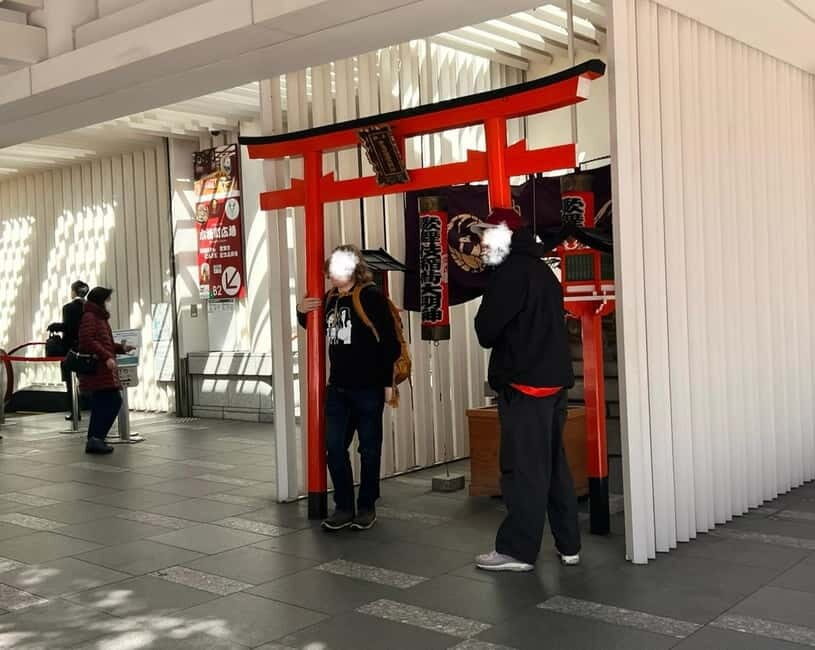
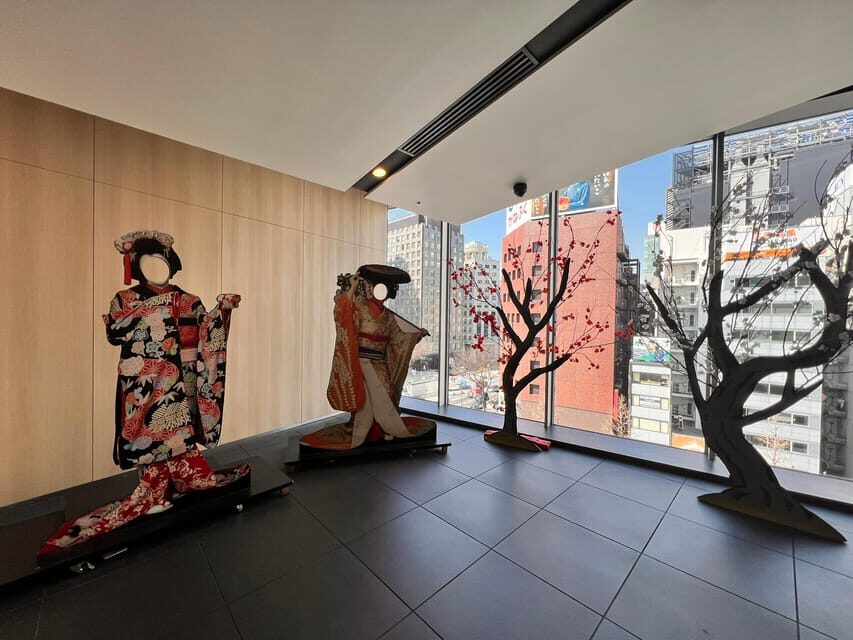
The core experience happens at Kabukiza. You’ll tour the Kabuki exhibits in the theater gallery and get an English-guided introduction to the traditional performing arts. Think of this as a guided primer tied to a real, famous venue—not a random museum stop.
This stop is valuable because Kabuki can feel intimidating if you’re starting from zero. The guide helps connect names, traditions, and the idea of kabuki as a performing art with a physical location you can point to. You’re also seeing the Kabukiza building itself, which helps you understand why this venue matters.
One thing to calibrate: this isn’t presented as a deep academic lecture. One English-focused review I took note of praised the guide but also flagged that the history explanation felt quite basic. So if you’re coming in wanting a detailed breakdown of costumes, stage mechanics, or scholarly theater history, you may want to pair this with another resource after.
Souvenir Time at Kabukiza: Worth It If You Like Real Memorabilia
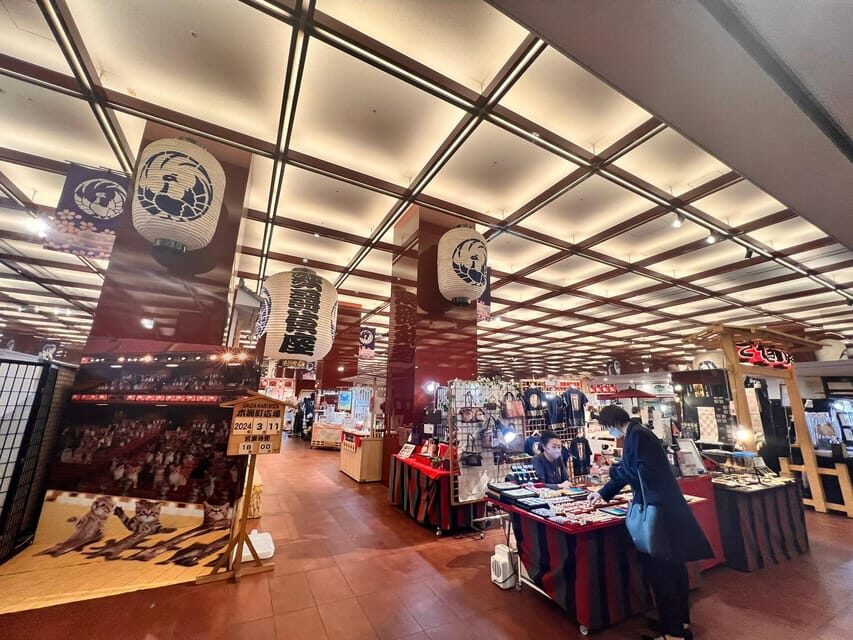
This is one of the most concrete reasons to book. The tour is built to get you to shops where you can buy souvenirs only available at Kabukiza. That’s not a vague promise—it directly matches what the tour highlights, and it’s the kind of thing you can’t easily recreate by walking around at random.
During the shopping stops, you’ll find plenty of Kabuki goods, plus Japanese accessories and Japanese sweets. The key here is pacing. Instead of you hunting for what’s special, the guide brings the group into the right zone and keeps the time tight.
Practical consideration: shopping cost isn’t included. If you’re not a souvenir person, you might feel the tour is more “look and learn” than “buy and go.” But if you are the type who likes a few meaningful mementos—this is the setup that makes that easy.
Mitsukoshi Ginza: The 350-Year-Old Department Store Stop
After Kabukiza, the tour continues to Mitsukoshi Ginza. Mitsukoshi is described as the Japanese oldest department store, with over 350 years of history. Even if you’re not shopping, this stop gives you context for how traditional culture and modern city life sit side-by-side in Ginza.
In Mitsukoshi, you’ll be able to browse higher-quality items and traditional crafts, plus more stores and displays around the building. I like department-store stops like this on short tours because they’re weather-friendly, easy to navigate, and you can choose your own level of spending.
Also, it rounds out the experience. Kabukiza puts you in a performing-arts world; Mitsukoshi gives you a more everyday version of Japanese tradition—crafts, goods, and the shopping culture around Ginza.






Price and Value: What $51 Really Gets You
At $51 per person for 90 minutes, the big value is the live guide and the structure. You’re paying for someone to bring you to Kabukiza, point out what to look for, and guide you through the Kabuki exhibits and nearby stops.
But you should know what’s not included. There’s no Kabuki viewing included in this tour. That matters for value. If you were expecting a short performance during the 90 minutes, you’ll likely feel short-changed—this tour is more about learning and atmosphere than about getting a seat in the theater.
Shopping also isn’t included. That’s normal, but it affects real-world cost. If you want to keep your total budget tight, go in planning to browse first, and buy only what feels genuinely worth it—especially since Kabukiza-only items are the main “must check” target.
Small Group Size: Why Up to 9 People Helps
The tour is limited to 9 participants, and that’s a plus for a short experience. With fewer people, you’re not squeezed into a long line or stuck in the back while the guide explains exhibits.
It also tends to keep the pace realistic. In 90 minutes, you want to feel guided, not rushed. A small group usually helps the tour stay coordinated—especially around a theater building and shopping areas where crowds can complicate things.
Language and Depth: A Quick Reality Check Before You Go
The tour is offered with a live English guide. That’s good for most visitors, but one detail from feedback stood out: the history introduction can feel basic, and there may be moments where the explanation doesn’t match what you were hoping for.
So here’s my advice: set expectations to the tour’s actual goal. You’re getting a guided Kabuki overview plus Kabukiza and Mitsukoshi time. If you want a more detailed deep-dive into Kabuki history, symbolism, or specific plays, treat this as a starting point.
Who This Tour Fits Best (and Who Might Skip It)
This tour is best for you if:
- You want a fast introduction to Kabuki in a real venue location.
- You like guided stops where someone tells you what matters.
- You care about buying Kabukiza-only souvenirs.
- You’re already staying around Ginza and want an easy, centralized plan.
You might skip it if:
- Your main goal is to watch a Kabuki performance during the tour. This one does not include viewing.
- You expect very detailed historical storytelling in a single 90-minute slot.
It’s also a good pick for first-timers. Tokyo has endless options, and sometimes the best choice is the one that keeps you from missing the experience entirely.
Should You Book This Kabuki in Ginza Tour?
If you’re aiming for a short, organized taste of Kabuki culture in Ginza, I think it’s a solid booking. The strongest reason is the pairing: Kabukiza theater gallery learning plus the chance to shop Kabukiza-only items, then round it out with a Mitsukoshi visit in the heart of Ginza.
But if you’re hoping for the tour to include a Kabuki show, don’t book this expecting seats in the theater. Confirm your plan to pair this with a separate performance ticket if you want that part of the experience.
FAQ
Where do I meet for the tour?
Meet in front of NISSAN CROSSING.
How long is the tour?
The tour lasts 90 minutes.
How much does it cost?
It costs $51 per person.
Is Kabuki viewing or a performance included?
No. Kabuki viewing is not included.
What’s included in the price?
The tour guide is included.
What language is the tour guide?
The tour guide is available in English.
How big is the group?
The group is limited to 9 participants.
Can I cancel for a full refund?
Yes, you can cancel up to 24 hours in advance for a full refund.
Are shopping costs included?
No. Shopping cost at each store depends on what you choose to buy.
Is Mitsukoshi part of the tour?
Yes. After visiting Kabukiza, the tour visits the Mitsukoshi Ginza branch.