Mt. Fuji and autumn leaves, sorted for you. This November day trip strings together the best fall stops just outside Tokyo: Mt. Fuji views, Arakurayama’s pagoda, and Lake Kawaguchi’s maple corridor, all handled by full-day coach transport so you can focus on photos and strolling.
I love the easy logistics (coach from Tokyo with multiple pick-up options, plus a mobile ticket) and the meals included, including a proper lunch plus a seafood bento on the ride back. It also helps that admission at the big scenery stops is marked free, so you’re not constantly checking tickets and hours.
One thing to be ready for: you’ll do real walking at Arakurayama—around 400 steps one way for the pagoda—and clouds or rain can hide Mt. Fuji, with no guarantee it will show up.
In This Review
- Key highlights worth planning for
- November Fuji-leaf combo: why this day works
- From Tokyo by coach: logistics that save your energy
- Arakurayama Sengen Park: steps, pagoda angles, and Fuji visibility
- Lake Kawaguchi Momiji Corridor: the maple tunnel moment
- Koshu lunch stop: kuri okowa and hoto hot pot comfort
- Dinner on the coach: seafood bento without the hunt
- Weather and leaf quality: what you should realistically expect
- Price and value: is $116.55 a fair deal?
- Who should book this tour (and who should think twice)
- Should you book Autumn Leaves: Mt. Fuji Views, Pagoda, and Lake Kawaguchi?
- FAQ
- Is this tour only available during a specific time of year?
- How do you get from Tokyo to the sightseeing areas?
- What does the walking at Arakurayama Sengen Park involve?
- Is Mt. Fuji guaranteed on the tour?
- What meals are included?
- Are admission tickets included for the main stops?
- What group size is the tour limited to?
Key highlights worth planning for
- Full-day coach from Tokyo with morning pick-up options and a group size capped at 42
- Three focused autumn stops for photos: Arakurayama Sengen Park, Lake Kawaguchi maple corridor, and a mountain-town lunch stop
- Arakurayama pagoda views (but you pay with steps; there’s an easier slope route)
- Lake Kawaguchi Momiji Corridor with a classic tunnel effect from dozens of maples
- Lunch and dinner handled: kuri okowa and hoto for lunch, seafood bento for dinner on the coach
- Shine Muscat grapes included to take home
November Fuji-leaf combo: why this day works
If you only have one day near Tokyo in fall, this kind of itinerary is a big deal. You get three of the most recognizable autumn scenes in the Mt. Fuji region: the view pairing of Mt. Fuji with a five-storey pagoda, the maple tunnel at Lake Kawaguchi, and a cozy Yamanashi lunch stop in the mountains.
The appeal isn’t only the scenery. It’s the calendar match. This tour runs only in November, and peak leaf timing is typically early to late November. That matters because the photo you’re aiming for depends on the season being right.
Do note the weather reality: the tour doesn’t promise Mt. Fuji on the day. If conditions are poor, you may see less than the sky-high postcard version. Still, even on muted days, these places are built for leaf watching—so you’re not paying for a single shot only.
You can also read our reviews of more tours and experiences in Tokyo.



From Tokyo by coach: logistics that save your energy
I like day trips that solve two big problems: navigation and timing. This one gives you round-trip coach transportation from Tokyo, and you get a choice of pick-up points based on where your hotel is. That means you can spend less time figuring out trains and more time arriving when the scenery is still fresh.
The group stays small enough to feel manageable—up to 42 people—which helps at photo stops where everyone wants the same angles. And you’re not guessing about entry times or where to meet. A conductor stays with the group and tells you where to gather for the next leg, with help via a translation app.
The pace is guided but not rushed-busy in the way some bus tours can be. One key review point you should take seriously: when you’re expecting deep, detailed historical commentary, this setup may feel lighter than a full-on licensed guide experience. The conductor focuses on essential information, and that’s fine if you’re mainly there for the sights.
Arakurayama Sengen Park: steps, pagoda angles, and Fuji visibility
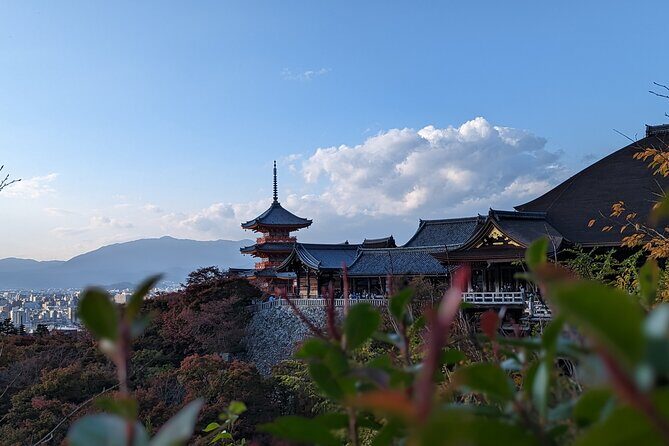
This is the main show. Arakurayama Sengen Park is where you go for the iconic five-storey pagoda, framed by Mt. Fuji when the weather cooperates. You start from the park area, then you’ll walk uphill to the viewing spot.
Here’s the honest part you should plan around: you’ll climb about 398 steps from the park entrance to reach the pagoda. Plan on roughly 20–30 minutes of walking one way. If you don’t want to take the full stair climb, there’s an alternative route via a gentle slope (about 10 minutes on foot), but the fact remains: this is not a sit-down stop.
Good news: even if you don’t climb all the way, you can still see Mt. Fuji from closer to the entrance. The trade-off is that you won’t get the classic composition of Mt. Fuji and the pagoda together.
One more practical tip: the bus cannot take you to the viewing spot. So wear shoes that work on stone paths and carry a light layer in case autumn winds pick up. This stop is where comfort pays off the most.
Lake Kawaguchi Momiji Corridor: the maple tunnel moment
After Arakurayama, you shift to a calmer-feeling walk at Lake Kawaguchi. The Momiji Corridor is famous for a winding path lined with more than 60 maple trees, creating that tunnel effect as leaves turn red and gold.
This stop is shorter than Arakurayama, and that makes it a nice contrast. You get about 50 minutes to enjoy the corridor, take photos from different angles, and then breathe for a bit before lunch. In peak leaf season, paths can still get crowded, so you’ll want to move with the flow and not get stuck waiting for one perfect picture.
If you’re a photo person, focus on the pacing. The best tunnel feeling happens when you’re walking a bit and letting the corridor draw you forward. If you stop too long at the first angle, you’ll miss how the color shifts as the path curves.
Also keep your timing flexible. The operator notes that congestion can affect arrival times, and traffic can change the order. The corridor is worth it even without perfect timing, but arriving with a calmer mindset helps.
Koshu lunch stop: kuri okowa and hoto hot pot comfort
Mid-afternoon, you’ll reach Koshu (often described with the nearby Enzan area), a mountain town setting that fits the fall theme. This is where the tour breaks up sightseeing with a warm, filling meal.
Lunch is traditional kuri okowa (chestnut rice) and hoto hot pot. That combination is a real travel advantage: you’re not hunting down a restaurant between leaf stops, and the flavors are local enough to feel like you visited the region instead of just passing through.
The timing is a bit later than usual—around 1:00 PM. That’s worth knowing if you’re the type who prefers an early lunch before walking. If you’re hungry at the wrong time, the day can feel longer. I’d treat that lunch window like a fixed anchor and bring a little water so you’re not stuck feeling drained before the pot arrives.
Diet note: special dietary requests (including allergies) aren’t accommodated, and there’s no refund for meals. If you have allergies or strict dietary needs, you’ll need to plan your own solution.





Dinner on the coach: seafood bento without the hunt
On the ride back toward Tokyo, dinner is included: a seafood bento served on the coach. This sounds like a small detail until you’ve had a long day of walking. At the end of 9-ish hours, the last thing you want is to find a place to eat while everyone else is also trying to eat.
This dinner setup also fits the tour style: you’re moving through three leaf-focused scenes, then your coach becomes your comfort reset for the final stretch. The bento isn’t described as a gourmet experience, but it’s practical—food that arrives when you’re tired.
One small extra value point: you also receive a bunch of Shine Muscat grapes to take home. It’s the kind of included touch that feels like Yamanashi, not a generic gift.
Weather and leaf quality: what you should realistically expect
This is an autumn tour with a schedule tied to conditions, but not a guarantee. The operator is clear that the best viewing times depend on weather and temperature, and the schedule is based on patterns from past years.
Here’s what that means for you:
- Mt. Fuji might not show if it’s cloudy or raining. No refund is offered for that outcome.
- Leaf quality can vary. If conditions are poor, the visiting times may be shortened, again with no refund regardless of what you see.
- Traffic and weather can also cause delays or changes in the order of stops.
The smart mindset is this: plan your expectations around the experience of autumn, not a single photo. Even when Fuji fades from view, these areas are designed around seasonal color, and you’ll still get walking-time, photo-time, and a built-in rhythm for the day.
Also, prepare for wet leaf weather. One review notes the tour kept running even in rain, and staff handled it professionally. In practical terms, bring a compact umbrella or light rain layer and keep an eye on footwear grip.
Price and value: is $116.55 a fair deal?
At $116.55 per person, the price can look like a lot until you add up what’s included.
You’re getting:
- Round-trip coach transportation from Tokyo
- Three scenery stops in a November fall schedule
- Included lunch (kuri okowa and hoto hot pot)
- Included dinner (seafood bento on the coach)
- A bunch of Shine Muscat grapes
- Admission noted as free at the main sightseeing stops
If you were to do this yourself, you’d likely spend money on transport and probably end up paying for multiple meals anyway. The big value is also time. Instead of commuting, switching lines, and trying to time buses to match peak leaves, you’re on one plan for the day.
Is it worth it? If you want Fuji and pagoda photos but don’t want the logistics headache, yes. If you’re a confident DIY planner with flexible transportation and you’re okay sacrificing convenience for control, then the value shifts. But for most people visiting Tokyo for a short stay, this kind of packaged fall day tends to be the practical move.
Who should book this tour (and who should think twice)
This tour suits you if:
- You want a one-day fall fix outside Tokyo with major Mt. Fuji sights.
- You don’t want to manage trains, bus schedules, and meal searches between stops.
- You’re comfortable walking a lot, especially at Arakurayama.
It might not be for you if:
- You have leg problems or limited stamina. The Arakurayama walk involves stairs and about 400 steps one way.
- You expect lots of in-depth guided commentary. The conductor uses a translation app and shares key info, but it’s not described as a full interpreter guide experience.
- You need allergy-friendly or special dietary meals. The tour notes it can’t accommodate special dietary requests.
One more practical note: the tour can cap at 42 people, but it still has a group feel. If you like a lot of space and quiet, you’ll still get moments of calm, but popular autumn stops are popular for a reason.
Should you book Autumn Leaves: Mt. Fuji Views, Pagoda, and Lake Kawaguchi?
I’d book it if you’re going in November and you want the classic Mt. Fuji autumn trio without the stress of coordinating transport. The included meals, free-admission stops, and direct coach from Tokyo are exactly the kind of value that makes a short trip feel efficient.
I’d be cautious if you’re injury-prone or step-averse. Arakurayama is the deal-breaker for many people, because the pagoda views come with stairs. And if Mt. Fuji appearing on a clear day is your only reason for going, you should know clouds can erase the postcard pairing with no refund.
If you can handle walking and you’re excited by fall colors even when the sky is moody, this is a strong pick for a day outside Tokyo—especially for first-time visitors who want the big-name sights in one organized run.
FAQ
Is this tour only available during a specific time of year?
Yes. It’s an autumn seasonal tour offered only during November.
How do you get from Tokyo to the sightseeing areas?
You take a round-trip coach from Tokyo. There are multiple pick-up points based on your hotel location.
What does the walking at Arakurayama Sengen Park involve?
You’ll need to climb about 398 steps from the park entrance to reach the five-story pagoda. There’s also an alternative route via a gentle slope (about 10 minutes on foot).
Is Mt. Fuji guaranteed on the tour?
No. If weather isn’t favorable, you might not be able to see Mt. Fuji.
What meals are included?
Lunch includes kuri okowa (chestnut rice) and hoto hot pot. Dinner is a seafood bento box served on the coach ride.
Are admission tickets included for the main stops?
Admission is listed as free at the key sightseeing stops included in the itinerary.
What group size is the tour limited to?
The tour has a maximum of 42 travelers.