REVIEW · TOKYO
Tokyo Metro Subway Ticket
Book on Viator →Operated by Royal Smart Tourism · Bookable on Viator
Tokyo’s subway can feel like a maze at first. This ticket experience is built to get you moving fast, using a QR code setup and letting you ride across Tokyo Metro and Toei coverage.
What I like most is how practical the system is for day-to-day sightseeing: you can check in and out from essentially any station on Tokyo Metro lines and Toei subway lines, so you’re not fighting “where can I use this” questions. I also like that the ticket redemption comes with an English written guide, so you’re not left guessing at the machine steps.
One drawback to keep in mind: you’ll need your QR code ready on your phone (or printed), and if the QR email arrives late for any reason, it can cause some stress on the day you want to start riding.
In This Review
- Quick facts before you commit
- Key things that matter (and why)
- Tokyo Metro Subway Ticket: why this is a smart way to move
- Price vs. what you actually get
- How the system works: Tokyo Metro + Toei, ride where you want
- What “check in and check out from stations” really means for you
- Redemption day: QR code, voucher scan, and getting the physical ticket
- What you need before you go
- Step-by-step: exchanging your voucher
- Timing: the expiration is printed when you pass the gate
- A real-world consideration from the experience feedback
- Entering Tokyo with the subway: what to expect once you’re on the trains
- Why punctuality matters more than you think
- Safety and late-hour rides
- The “itinerary” you actually use: the Tokyo Metro pass day flow
- Stop 1: Tokyo Metro (and Toei connections)
- Group size and who this fits best
- Best fit
- Less ideal for
- Making the most of your multi-day subway pass (practical tips)
- Start smart on day one
- Keep your QR code easy to find
- Have your ID ready
- Expect machine redemption
- A balanced look at value: is this worth $8.85?
- Should you book it?
- FAQ
- How long is the Tokyo Metro Subway Ticket valid?
- Where can I use the ticket in Tokyo?
- Do I need to print the QR code?
- How do I exchange the voucher for the physical metro card?
- What do I need to bring to the entrance?
- Is food or drinks included in the ticket?
- How many people are in the group?
- What if I miss the start time?
- Is the experience refundable if I cancel?
Quick facts before you commit
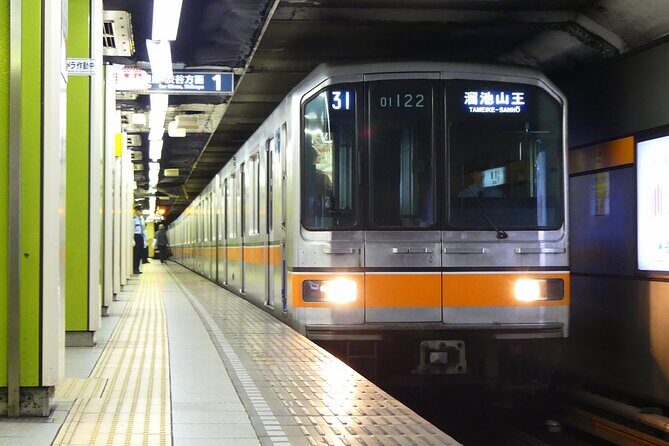
This is a small-group experience (up to 20 people) and it runs for about 1 to 3 days depending on the option you choose. The physical ticket details matter: the expiration time is printed on your ticket when you pass the gate, so don’t plan on adding extra wiggle room after your timed window.
Key things that matter (and why)
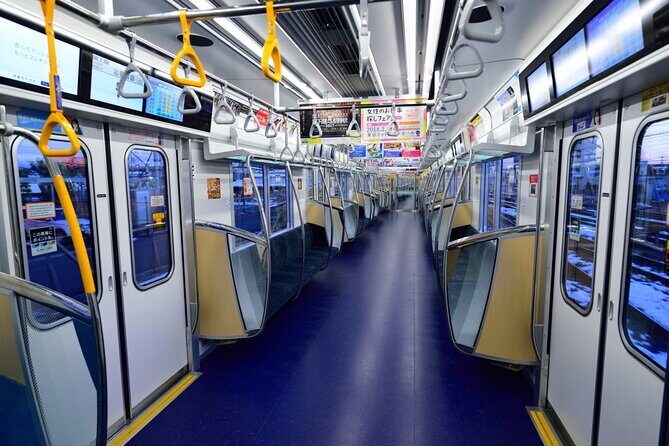
- QR code redemption: You receive the QR via email about one day before, and you can show it from your smart phone.
- Machine-based exchange: Scan your voucher barcode on the gray machines to print the physical metro card, or switch it at the counter if needed.
- Tokyo Metro + Toei access: You can hop on and off across both systems at the stations that serve those lines.
- Built for flexibility: You can choose where to enter and exit based on your itinerary instead of being locked into a single route.
- Simple baggage-free planning: The subway is known for punctuality, frequent schedules, and clean stations, which helps your whole trip run on time.
- Value check: Some people feel buying this through an agency can cost more than the pass directly, so compare if you’re cost-sensitive.
A few more Tokyo tours and experiences worth a look



Tokyo Metro Subway Ticket: why this is a smart way to move
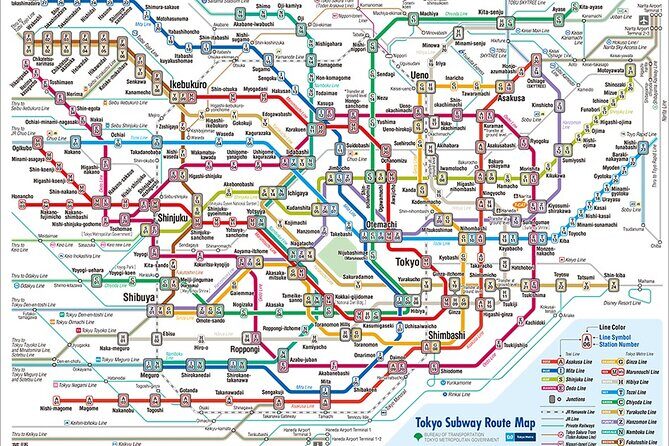
Tokyo’s subway is fast, clean, and tightly run. Trains show up on time often enough that you can plan your day without constantly refreshing your expectations. Stations are also orderly, and signs in Japanese and English help you find your way even if you do not speak Japanese.
The real advantage of getting a multi-day ticket through this kind of setup is not the romance of train travel. It’s the logistics. When you’re sightseeing—walking a lot, checking maps, bouncing between neighborhoods—the last thing you want is friction at the ticket counter.
This ticket experience is designed for that friction reduction. Instead of complicated planning, you get a timed metro pass option and a straightforward redemption routine using your voucher and QR code.
Price vs. what you actually get
At $8.85 per person, you’re paying for access to subway riding plus the support of an English written guide. Whether that’s a great deal depends on how often you plan to ride each day.
Here’s a practical way to judge value: if you’ll take multiple subway trips each day (not just one), a multi-day pass can quickly pay for itself. If your plan is more “mostly walking and a single short subway hop,” then you might prefer a cheaper pay-as-you-go approach—unless the simplicity of a pass is worth the extra cost to you.
Also, one theme from the experience feedback is that buying through an agency can feel like you’re paying a premium compared with the pass cost elsewhere. If you’re the type who does spreadsheet math before buying anything, do a quick price comparison before you decide.
How the system works: Tokyo Metro + Toei, ride where you want
The big selling point is coverage. You can use the ticket on Tokyo Metro lines and Toei subway lines. That means you can connect key areas and attractions without forcing yourself into one narrow route.
This matters because Tokyo sightseeing rarely follows neat straight lines. One day you might want to move toward a famous district, the next day you might be wandering into quieter neighborhoods, and the day after that you might need to reach a different area entirely. With access across both subway networks, you can choose routes that fit your walking plans and the time you want to spend at each stop.
What “check in and check out from stations” really means for you
The practical takeaway: you can board and exit at the stations that serve the covered lines. You do not have to keep repeating the same “start point” or follow one fixed itinerary. That flexibility is the difference between a pass that feels useful and a pass that feels like a souvenir.





Redemption day: QR code, voucher scan, and getting the physical ticket
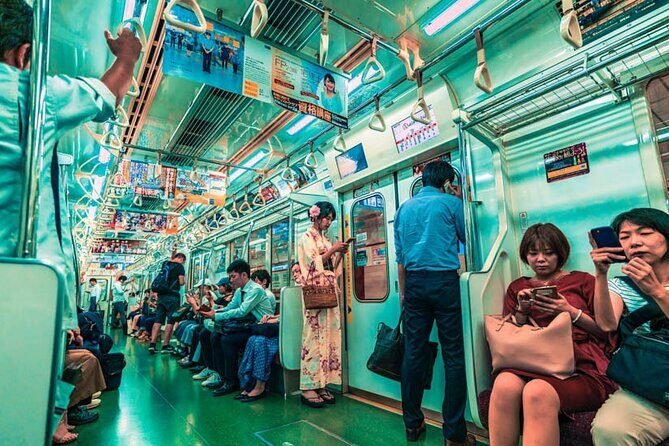
This is the part where the experience either feels smooth—or a little tense if you’re unprepared.
What you need before you go
- Your QR code on your phone (or printed)
- A device that can display it, since you may need to show it at the entrance steps
- A valid photo ID/passport, because it’s required to be displayed at the entrance
I’m mentioning ID because it’s easy to ignore until the moment you’re standing there ready to start using the ticket. Bring it.
Step-by-step: exchanging your voucher
The ticket exchange is machine-based. You’ll scan the voucher barcode on a gray vending-style machine, and it prints your ticket for use on the 1, 2, or 3-day option you selected.
If something doesn’t work—barcode won’t scan, the machine is acting stubborn, or you just want a human—there’s a counter option too. The guidance is clear that staff can help if you get stuck.
Timing: the expiration is printed when you pass the gate
This detail is important. The expiration time gets printed on the physical ticket when you pass through the ticket gate. That means your exact end time starts from when you activate it through the gates, not from a random assumption you might make.
So: when you’re deciding your first riding day, think about how early you want your pass to start counting.
A real-world consideration from the experience feedback
In one instance, the QR code email did not arrive exactly when expected. It still arrived soon after a message was sent, but it created stress for the start time. I’d treat that as a reminder to do two things:
1) Check your email the day before you plan to start riding.
2) Have the QR accessible offline or saved in a way you can pull up fast on your phone.
Entering Tokyo with the subway: what to expect once you’re on the trains
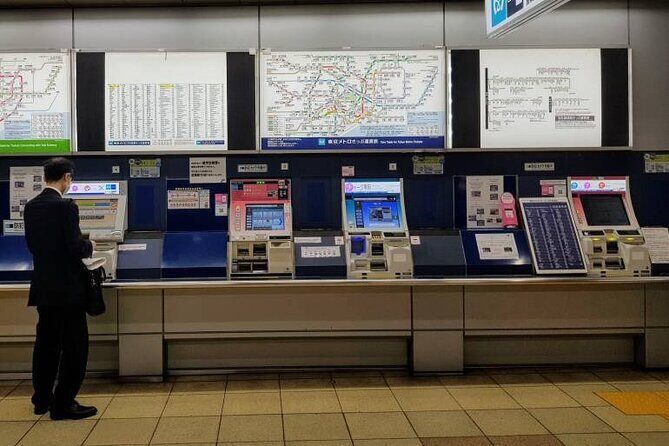
Once you have the physical ticket in hand, you’re in the Tokyo rhythm: clean stations, frequent schedules, and a system that’s built around order.
The experience overview highlights multilingual signage in Japanese and English. That’s a practical lifesaver. In Tokyo, the difference between a smooth trip and a stressful trip is often just knowing the right platform and direction.
Why punctuality matters more than you think
Tokyo’s transit is famously punctual, and it’s not just a nice detail. When trains are reliable, you can build plans around them. You spend less time waiting around and more time where you want to be—on streets, in museums, or standing in line for food.
Safety and late-hour rides
The subway is described as safe even during late hours. That’s useful if your itinerary includes evening neighborhoods or if you like to keep your days flexible and then head out when the mood hits.
The “itinerary” you actually use: the Tokyo Metro pass day flow
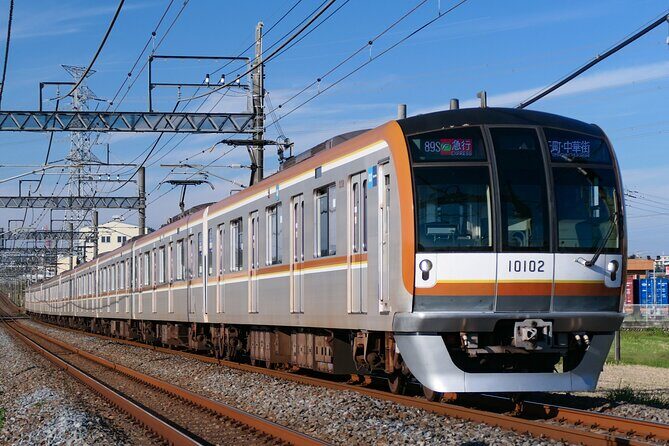
This experience is simple: it centers on Tokyo Metro subway access through the ticket you redeem. There isn’t a long list of checkpoints. Instead, you get a pass and a guide that helps you turn that pass into actual rides.
Stop 1: Tokyo Metro (and Toei connections)
Here’s what you should expect at this stop level:
- You can access the subway system through Tokyo Metro and connect into Toei subway coverage.
- Your ticket validity is tied to the 1, 2, or 3-day option you choose.
- You are not limited to a single line or a single neighborhood.
- You’ll start by exchanging your voucher into a physical metro card, then use it through the gates.
- The written guide is in English and is meant to help you follow the process.
The advantage of this kind of “one-stop” experience is mental clarity. You’re not hopping between locations or trying to match a guide schedule. You’re building your own itinerary while the pass quietly does the work.
Minor drawback: no food is included
No meals or drinks are included. It sounds obvious, but it matters because a subway day can turn into a walking day fast. Plan snacks and hydration separately so you’re not forced to break your flow at the worst time.
Group size and who this fits best
This experience has a maximum of 20 travelers. That’s small enough that it should feel manageable, but still large enough that you likely won’t feel singled out for help unless you need it.
Best fit
This is a good match if you:
- Want a straightforward, ticket-focused way to ride many times
- Prefer a pass you can redeem with QR and machine steps
- Plan to mix neighborhoods rather than sticking to one pocket of Tokyo
Less ideal for
If you’re extremely cost-sensitive and know exactly where you want to ride (and how many times), you might want to compare pricing against buying directly. Some feedback indicates agency pricing can feel nearly double the actual pass cost.
Making the most of your multi-day subway pass (practical tips)
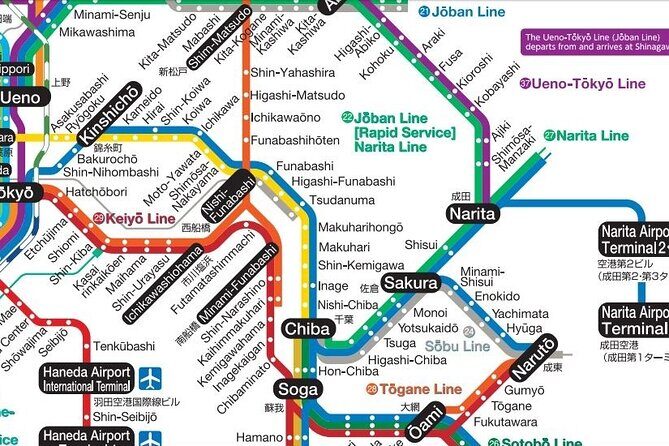
These are the kind of details that keep a pass from feeling like a hassle.
Start smart on day one
Because the expiration time prints when you pass the gate, I’d start your first ride earlier in the day if you want maximum flexibility. If you start late and then pack a full itinerary the next day, you could run out of time sooner than expected.
Keep your QR code easy to find
The instructions are clear: you can show the QR code from your phone. I still recommend saving it in a way you can pull it up quickly, like bookmarking the email or screenshotting the code if your phone battery might be questionable later.
Have your ID ready
Bring a passport or valid photo ID. It’s required to be displayed at the entrance, and Tokyo transit problems are easier to avoid than to fix mid-journey.
Expect machine redemption
The pass exchange happens via voucher barcode scanning on gray machines, then it prints your ticket. If you want to move fast, line up that voucher barcode before you arrive at the machine.
A balanced look at value: is this worth $8.85?
For $8.85 per person, you’re paying for:
- Access to a multi-day Tokyo Metro/Toei subway ride option
- An English written guide
- A structured redemption method using QR and voucher barcode steps
That can be worth it if you’ll ride a lot. It can feel less worth it if you only need one or two rides across multiple days, or if you’re able to get a better price buying directly.
Also consider your tolerance for timing risk. The system is designed to be simple, but you do rely on receiving the QR code email about one day before the tour date. If you’re traveling during a busy schedule, make sure your inbox and phone are ready.
Should you book it?
Book this if you want an easy, low-thinking way to get subway access across Tokyo Metro and Toei for 1–3 days, and you’re comfortable with QR + voucher machine redemption.
I would hesitate only if:
- You’re highly price-focused and want the lowest possible pass cost with no agency markup
- You’re arriving with little time to troubleshoot a QR email or redeeming steps
- You don’t plan to ride the subway more than a couple of times
If your plan is to explore neighborhoods rather than stay in one area, this kind of pass setup tends to feel like a win. You spend less time planning transit and more time actually walking Tokyo.
FAQ
How long is the Tokyo Metro Subway Ticket valid?
The ticket is valid for 1 to 3 days, depending on the option you selected. The expiration time is printed on the physical ticket when you pass the ticket gate.
Where can I use the ticket in Tokyo?
You can check in and check out from any subway stations on Tokyo Metro Lines and Toei subway lines covered by the ticket.
Do I need to print the QR code?
No. The QR code can be shown from your smart phone. The QR code is sent via email one day before the tour date.
How do I exchange the voucher for the physical metro card?
Scan the voucher barcode on a gray ticket vending machine to print your ticket. If you have difficulty, you can ask staff for help at the counter.
What do I need to bring to the entrance?
You should bring a valid photo ID or passport, since it’s required to be displayed at the entrance.
Is food or drinks included in the ticket?
No. Food and drinks are not included.
How many people are in the group?
There is a maximum of 20 travelers for this experience.
What if I miss the start time?
This experience has a no show policy. If you fail to report on time, there is no rescheduling or refund.
Is the experience refundable if I cancel?
The experience is non-refundable and cannot be changed. If it’s canceled due to poor weather, you’ll be offered a different date or a full refund.