REVIEW · TOKYO
Low-cost local pub & bar crawling
Book on Viator →Operated by JUNKO KATO · Bookable on Viator
Tokyo’s best bars aren’t on main streets. This low-cost local pub & bar crawling experience sends you to Akabane, away from the big-name tourist lanes, with a guide translating as you go. You get the practical side of Japanese pub culture, not just photos—how to order, what to expect, and how to fit in.
I especially like that the stops feel purpose-built for locals: an old-school oden counter in a tiny alley, a long-running izakaya known for river fish, and a skewer spot where good manners matter. The small group limit of four keeps it friendly and makes the guide’s translation actually useful instead of rushing everyone along. One consideration: alcoholic drinks are not included, so you’ll need some extra yen for beverages and any minimum drink charge linked to the tour guide.
In This Review
- Key highlights to know before you go
- Why Akabane pub crawling feels real (and not staged)
- Meeting and timing: what the 3-hour format really means
- Your guide support: translation and ordering help that saves you
- Stop 1: Maruken Suisan and the old oden standing-counter feeling
- Stop 2: Marumasu-ya izakaya vibes and river fish specialties
- Stop 3: Maruyoshi skewers, good value, and the seat etiquette cue
- Price and value: what $32.58 gets you in Tokyo
- What you’ll likely eat and drink (so you can plan your appetite)
- A few etiquette and ordering tips that make the experience smoother
- Who should book this Akabane pub crawl?
- The bottom line: should you book it?
- FAQ
- What’s included in the tour price?
- Are alcoholic beverages included?
- How long is the experience?
- How many people are in the group?
- Where does the tour start and end?
- What food stops are included?
Key highlights to know before you go
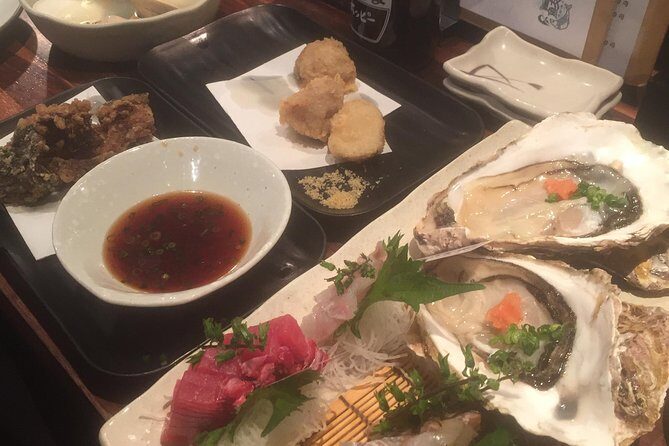
- Akabane, not tourist Tokyo: you’ll hit neighborhood pubs locals actually use.
- Translation included: your guide bridges the menu-and-ordering gap.
- Three classic stop types: oden, izakaya with river fish, then skewers.
- Small group cap (4 people): easier questions, calmer pacing, better help with ordering.
- Fast, friendly etiquette cues: especially at the skewer stop where seats turn over.
Why Akabane pub crawling feels real (and not staged)
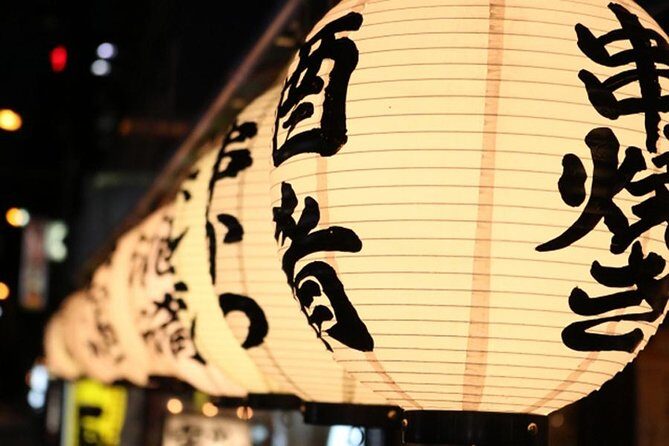
Akabane sits on Tokyo’s outskirts, so you get a different vibe than the flashy districts. It’s the kind of place where you can blend in—because that’s exactly how people behave there. Instead of scanning English menus, you’re learning the rhythm: order, eat, drink, chat, then move along when it’s time.
The big win here is how much the guide helps you participate. A lot of food tours show you places. This one helps you navigate them. With translation support and ordering advice, you’re not stuck pointing at pictures or guessing your way through Japanese signage. That changes the whole experience.
You’ll also notice the route is built around classic Japanese drinking-and-snacking formats. You’re not just eating one heavy meal. You’re sampling the small-course style that makes izakayas and casual pub culture work—multiple bites, multiple sips, and enough variety to keep you interested for about three hours.
You can also read our reviews of more drinking tours in Tokyo
Meeting and timing: what the 3-hour format really means
The tour runs about 3 hours and finishes back where it starts. You meet at Akabane Station (1 Chome-1, Akabane, Kita City, Tokyo 115-0045). From there, you’ll join the guide and head out to the first stop.
In practice, that time window is perfect for a first taste of a neighborhood. You get enough stops to feel like you did something meaningful, but not so long that everyone starts getting tired or ordering the same thing out of sheer hunger fatigue. Also, pub hopping in Japan often means standing counters and tighter spaces, so shorter segments can actually feel more comfortable.
One more timing note: the skewer stop has seat-turnover etiquette built into how the place works. You’re encouraged not to linger excessively once you’re seated, which keeps the vibe moving and gives you a better feel for how locals operate.
Your guide support: translation and ordering help that saves you
This experience is built around the idea that language shouldn’t block good food. Your guide translates between you and the pub staff and gives you advice on how to order in Japanese. For a pub crawl, that matters more than it sounds.
Menus in Japan can be intimidating, even for people who know a few words. Alcohol venues often use menu layouts and small shorthand that don’t translate cleanly. With a guide stepping in, you avoid the awkward pause of trying to decode everything at once, and you can focus on choosing what you actually want to eat.
The guide support also helps you with the social side of dining. In small local places, staff and regulars pick up on whether you understand how the system works—when to order, when to settle in, and when to give up a seat. You’re guided on etiquette cues so you don’t accidentally slow the flow at the wrong moment.
Stop 1: Maruken Suisan and the old oden standing-counter feeling
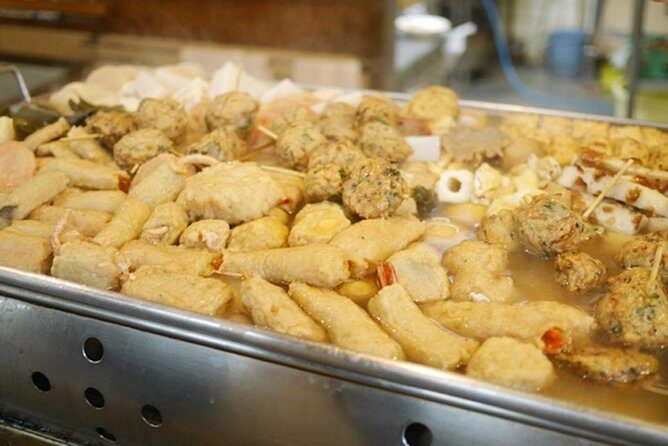
The first stop is Maruken Suisan, an old Oden shop known for a rich variety of toppings. Expect something more traditional than a polished restaurant: a small alley setting and an outside standing bar setup.
What I like about this kind of opening stop is that oden is comforting and easy to share. You can sample multiple items without committing to one big dish. The menu is described as offering options like vegetables, fish balls, and tofu, so even if you’re picky about textures, you’ll likely find something that works.
The standing-counter format is also a small reality check—in a good way. It teaches you how casual this food scene can be. You’re not waiting for table service. You’re joining the rhythm of people grabbing bites, chatting, and keeping the pace moving.
Potential drawback: standing can be tiring if you’re planning other walking-heavy days in Tokyo. If that’s you, pace yourself at this stop and take brief breaks when the crowd ebbs.
Stop 2: Marumasu-ya izakaya vibes and river fish specialties
Next up is Marumasu-ya, an izakaya-pub with a long history and a reputation for river fish. This stop is about atmosphere as much as food. You’re likely to feel the old-time feeling of locals gathering, which is exactly what makes it better than a tourist bar that’s performing for visitors.
The river fish focus is a great way to experience regional ingredients through the izakaya format. In many Japanese drinking spots, the specialty becomes the anchor of the meal—so if the house is known for river fish, it’s usually the thing you’ll want to try early rather than saving it for last.
Time at this stop is longer than the other segments—around 1 hour 20 minutes—so you get room to settle in, try a couple of items, and enjoy the back-and-forth energy of a local pub. This is also where the guide translation often pays off most, since izakaya menus can be packed with options and small variations.
One practical consideration: izakaya spaces can be compact. If you’re sensitive to noise or close quarters, this is where you’ll notice it most. Still, the vibe is part of the authenticity.






Stop 3: Maruyoshi skewers, good value, and the seat etiquette cue
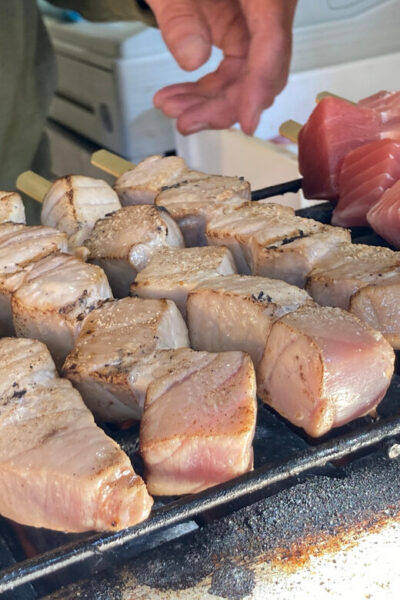
The final stop is Maruyoshi, described as a deep spot for delicious skewers with very reasonable pricing. This is the kind of place where you can eat and drink a lot without the feeling that your wallet is taking a beating.
But there’s a key etiquette note: don’t drink and stay too long. The idea is to give your seat for locals. That’s not just a generic rule—it’s baked into how this spot likely functions day to day. In other words, your experience gets better when you match the pace of the establishment.
At this stage of the tour, you’ll probably feel like you’ve built momentum with your appetite. Skewers are a smart closer because they’re easy to order and share, and they keep you from getting overwhelmed by heavier dishes. Plus, the guide can help you choose without overthinking.
Potential drawback: if you have a tendency to settle in and forget the time, you might feel slightly rushed here. Treat it as a chance to taste a lot, then move on with a full stomach and good memories.
Price and value: what $32.58 gets you in Tokyo
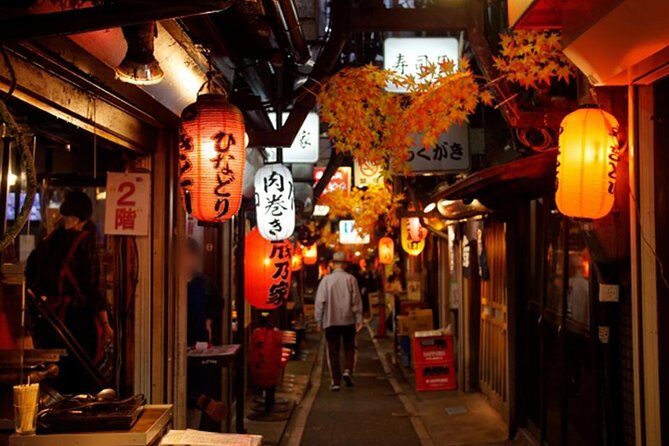
The price is $32.58 per person for about 3 hours, and it includes the guide tour, translation between you and the pub staff, and advice on how to order in Japanese.
What’s not included is important: alcoholic beverages are not included, including the minimum drink charge for the tour guide. Dinner isn’t included either.
So how does it stack up? You’re paying for access and assistance, not for an all-you-can-drink meal. In a city where neighborhood pubs may have menus only in Japanese and where communication can be slow, translation and ordering help can be worth real money on its own. The stops are also free of admission tickets, which keeps the base price low while still giving you the experience of guided local dining.
If you’re planning to drink heavily, budget extra for beverages. If you’re more focused on food and a couple of drinks, this can feel like a very efficient way to get genuine neighborhood flavor without a huge guided-restaurant bill.
What you’ll likely eat and drink (so you can plan your appetite)
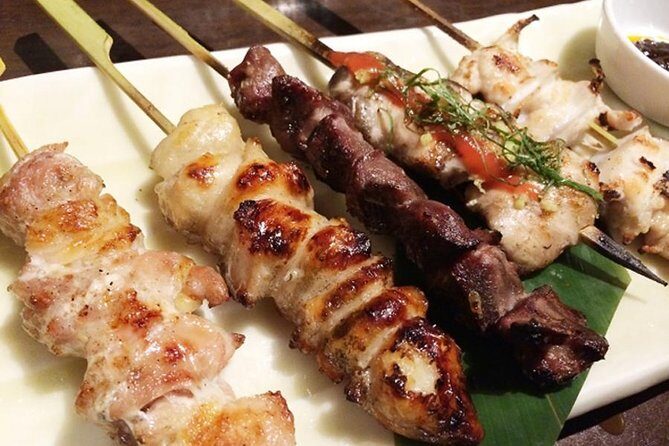
This pub crawl is built around tasting, not committing to one formal meal. You’ll hit:
- Oden items like vegetables, fish balls, and tofu
- an izakaya stop centered on river fish
- skewers at the final bar
The tour timing supports multiple small tastings. And the overall best tip is simple: come with some hunger. One of the strongest pieces of advice from the experience feedback is to arrive with an empty stomach because there’s a lot you’ll want to try once you’re there.
Also, keep in mind you’ll be guided on ordering. That can reduce the chance you accidentally order something you don’t like, or order too much too fast and then feel stuck. You’re not just wandering; you’re making decisions with help.
A few etiquette and ordering tips that make the experience smoother
You don’t need advanced Japanese to enjoy this. But a couple of small mindset shifts help a lot.
First, remember that pub culture is about flow. You order, eat, chat, and then you get on with the evening. At the skewer stop, you’re directly encouraged not to stay too long—so plan to enjoy, then hand the space back.
Second, use the guide’s help to reduce friction. Let the translation do its job early rather than waiting until you’re stuck. If you can communicate what you like to eat, the guide can help you pick options that fit the place and the menu.
Finally, treat the standing bar and tight seating setups as part of the charm. In Japan, these environments often keep things friendly because everyone is sharing the same small space and working with the same tempo.
Who should book this Akabane pub crawl?
This works especially well for you if:
- you want a neighborhood experience outside the most obvious tourist routes
- you’re curious about izakayas but worry about Japanese-only menus
- you like trying several small food types in one evening
- you prefer a small group rather than a large crowded tour
It might not be the best match if you strongly dislike standing at counters or you need a long sit-down meal at each stop. The pacing is intentionally local and practical, not a relaxed three-course restaurant evening.
The bottom line: should you book it?
I think you should book this if your goal is to taste local food and understand how to order and behave in Japanese pubs without getting stuck in language trouble. With a guide like Junko Kato, translation support, and a route through Maruken Suisan, Marumasu-ya, and Maruyoshi, you’re set up to get real neighborhood value for the base price.
Skip it only if you’re expecting an all-inclusive drink-and-dinner package. This is a smart, guided tasting adventure with alcohol expenses on top—so come hungry, bring some extra yen for beverages, and go with the flow of Akabane’s local pace.
FAQ
What’s included in the tour price?
You get a guide for the crawl, translation between you and the pub staff, and advice on how to order in Japanese.
Are alcoholic beverages included?
No. Alcoholic beverages are not included, including the minimum drink charge for the tour guide.
How long is the experience?
It’s about 3 hours.
How many people are in the group?
The tour has a maximum of four travelers.
Where does the tour start and end?
It starts at Akabane Station (1 Chome-1, Akabane, Kita City, Tokyo) and ends back at the meeting point.
What food stops are included?
You’ll visit Maruken Suisan for oden, Marumasu-ya for an izakaya stop known for river fish, and Maruyoshi for skewers.