REVIEW · KYOTO
Private Cooking Class Udon in Kyoto Japan
Book on Viator →Operated by 創作料亭出雲 Kyoto Izumo · Bookable on Viator
A bowl of udon starts with kneading. This private class turns you loose in a 130-year-old kyomachiya house near Nishi Honganji, where you make noodles by hand and then eat what you create. I love the setting—antique furniture, old-school wood, and a calm classroom vibe that feels like Kyoto did decades ago—and I also love the way teachers keep things doable for non-cooks, with patient English guidance and a clear, step-by-step rhythm. One consideration: the class focuses on noodle making, but the boiling and parts like the tempura/broth setup are handled for you, so it’s not a full kitchen takeover.
You’ll meet at 364 Momijichō in Shimogyo Ward for a 12:00 pm start, and you’ll finish back at the same spot. The lesson runs about an hour, though the experience often stretches longer once you sit down to eat. For value, that matters, because you’re not just watching—you’re eating your own noodles with sauce, tempura, and toppings.
In This Review
- Key Highlights You Should Know Before You Go
- Kyoto Udon in a 130-Year-Old House (Not a Kitchen Studio)
- Price and What You’re Really Paying For at $60.43
- Getting There: Meeting Point by Nishi Honganji Temple
- The Lesson Flow: Saltwater to Knife Cut to Boiling
- Inside the Classroom: How Teachers Keep It Friendly and Clear
- What You Actually Do vs. What the Kitchen Handles
- Lunch After Class: Eat Your Udon in the Kyomachiya
- Who This Experience Suits Best (And Who Might Skip)
- Timing Tips: Make This a Clean Midday Plan
- My Bottom Line: Book It If You Want a Real Skill With a Cozy Kyoto Setting
- FAQ
- How long is the private udon cooking class?
- What time does the class start?
- Where is the meeting point?
- Is this a private experience?
- Do we make tempura in the class?
- Is meal included?
- What is the cancellation policy and what if weather is poor?
Key Highlights You Should Know Before You Go
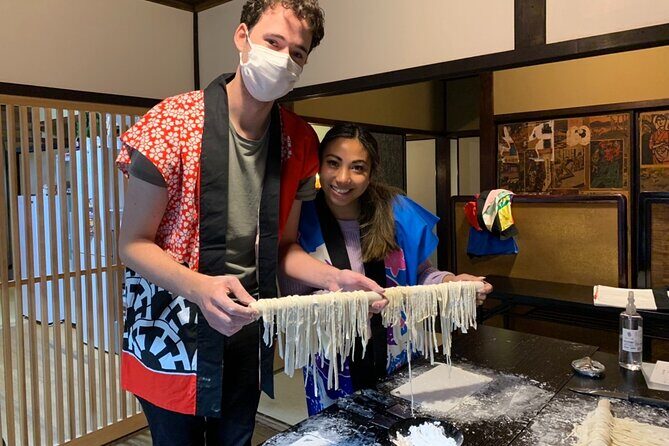
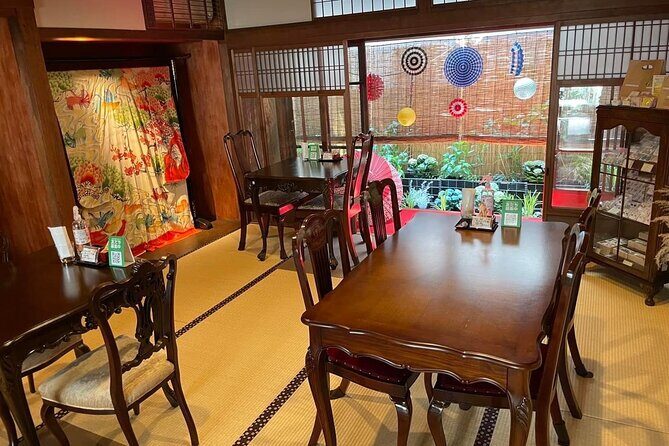
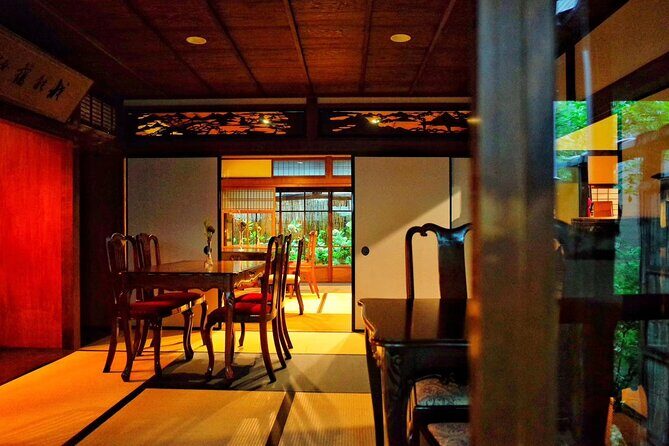
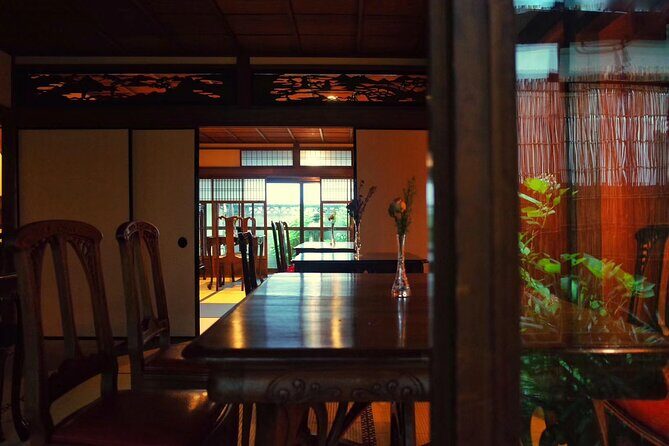
- A renovated 130-year-old house classroom near Nishi Honganji Temple, with antique furnishings
- Private class for only your group, so you can ask questions and move at your pace
- Hands-on handmade udon steps, from saltwater to stretching and knife cutting
- Boiling and meal components are assisted, keeping the class smoother (and more kid-friendly)
- Lunch included with your udon plus a separate tempura set and dipping sauces/toppings
Kyoto Udon in a 130-Year-Old House (Not a Kitchen Studio)
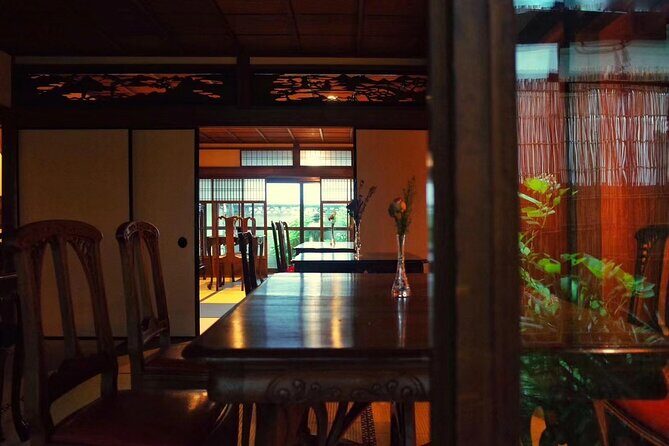
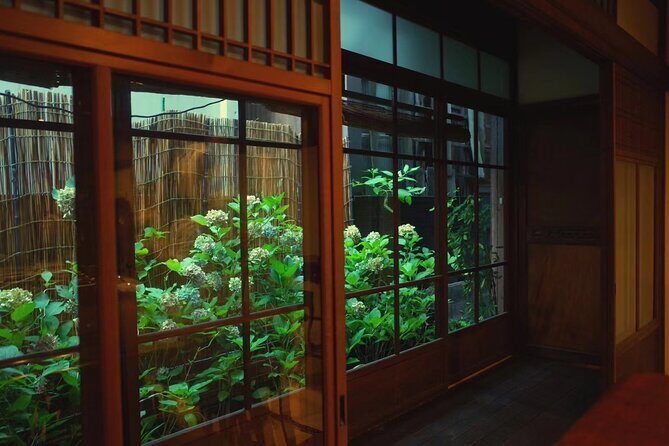
This class doesn’t feel like a modern “activity room.” It’s in a beautifully renovated traditional Japanese house that dates back about 130 years, and the interior leans on age-authentic details: antique furniture and artifacts that are over 110 years old. That matters because it changes your mindset. You’re not rushing through a craft; you’re learning food culture in the kind of space Kyoto cooks used long before demo kitchens were the norm.
It also helps that the location is convenient. You’re about a 12-minute walk from Kyoto Station and roughly a 2-minute walk from Nishi Honganji Temple, which makes this a smart lunch-time plan even if you’re already hopping around central Kyoto. If you’re tired of commuting to far-flung workshops, this one is close enough to keep your day light.
The “private” part is the other big win. With a private tour/activity, you’re not sharing the teacher’s attention with strangers, and you can ask for slower pacing when your hands start feeling clumsy (which happens to almost everyone).
You can also read our reviews of more private tours in Kyoto


Price and What You’re Really Paying For at $60.43
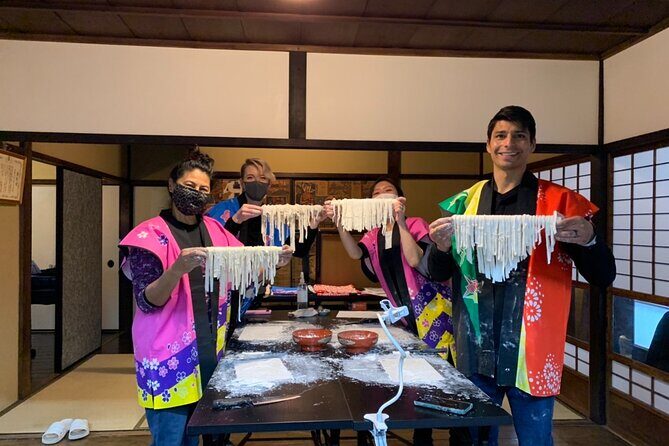
At $60.43 per person, this isn’t the cheapest thing you can book in Kyoto. But it also isn’t priced like a take-home cookie workshop either. You’re paying for a genuine, instructor-led session in a historic house, plus a meal that includes a tempura set and the fixings that turn your noodles into lunch—not just a snack.
Here’s the value equation I see:
- You make the udon noodles (the skill is the point).
- You get to eat what you made, right after, in a comfortable setup.
- Teachers handle the parts that need controlled heat and meal prep timing, which keeps the class on track.
- You leave with a recipe so you can repeat the technique at home.
Also, it’s an experience that tends to book up. If you like the idea, I’d plan to reserve earlier rather than later, since the average booking window is around 16 days in advance.
Getting There: Meeting Point by Nishi Honganji Temple
You’ll start at 364 Momijichō, Shimogyo Ward, Kyoto, 600-8345, Japan. The neighborhood is easy to navigate if you’re already using Kyoto Station as your base.
My practical tip: aim to arrive a little early because this is in a specific house location, not a big landmark building with crowds of people holding signs. The listing notes you’re near public transportation, but in Kyoto, that still doesn’t mean you can “wander in and find it instantly.” Give yourself a few minutes of margin.
You’ll finish back at the same meeting point, so you don’t need to plan a second commute after lunch. That’s a small detail, but it makes this class feel less like an expedition and more like a clean midday stop.
The Lesson Flow: Saltwater to Knife Cut to Boiling
The class is built around a clear udon-making sequence, and the best part is that you don’t need prior cooking skills. You’ll follow the steps provided by the teacher, which go roughly like this:
- Making saltwater
- Rinse the water
- Footsteps (the class moves through the next dough-handling stage)
- Mature (resting/conditioning stage)
- Stretch the fabric (stretching the dough)
- Knife cut
- It’s boiling (this part is handled with timing control)
Some of these step names sound unusual in translation, but the instructor’s job is to make them make sense with hands-on guidance. In practice, what you want to watch for is the “feel”: how the dough changes through resting and stretching, and how the cut pieces line up so they cook well.
Two things I really like about this structure:
- You’re doing real technique, not just mixing ingredients.
- Even if you mess up a little, the process is forgiving because instructors take over the heat-critical parts.
Inside the Classroom: How Teachers Keep It Friendly and Clear
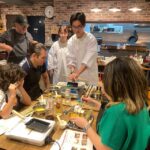
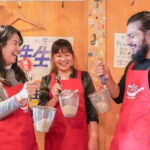
The teachers are local to Kyoto, and the class is designed for overseas visitors. What that means on the floor is practical: instruction tends to stay focused, with English explanations and hands-on correction so you know what to do next.
In particular, names you might hear include Tanaka-san and Hisayu. Both styles show up in different sessions: friendly, encouraging coaching, plus a calm approach when you’re trying to copy a motion you’ve never done before. I also like the way assistants help. In one setup, a young adult daughter assists alongside the main teacher, which keeps the pacing smooth when your group is active.
The class also tends to include small cultural notes. You might get an explanation of where udon comes from (including that it originated in China) and a bit of context around the dish while you work. This isn’t a long lecture, but it gives meaning to the technique.
You can also read our reviews of more cooking classes in Kyoto

What You Actually Do vs. What the Kitchen Handles
This is a hands-on udon session, but it’s not a full DIY kitchen marathon. One of the clever choices here is the separation of roles.
You’ll make the noodles yourself—saltwater, rinsing, stretching, and cutting are the parts you participate in. The boiling and finishing actions are managed by the instructors to keep timing right and reduce safety pressure, which is why the class can work well for kids. If you’re traveling with children, it’s easier when the activity includes action you can do, without handing someone hot water and a deadline.
You also won’t be making everything from scratch. The setup mentions that there’s a separate tempura set for meals, meaning you get tempura as part of lunch, but the class doesn’t require you to make it. Similarly, the udon broth/dipping components are set up so you can eat what you made without turning lunch into a second workshop.
If you’re hoping for the kind of class where every hot step is your responsibility, you may feel slightly limited. But if you want a great mix of learning and eating, this approach is a big plus.
Lunch After Class: Eat Your Udon in the Kyomachiya
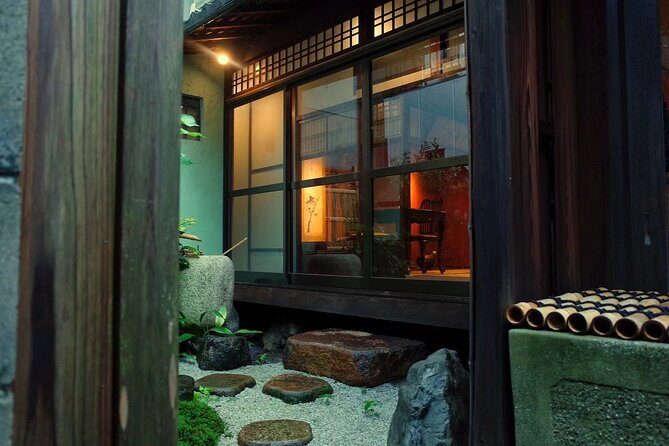
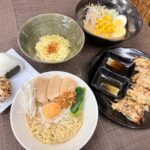
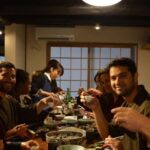
After you finish the noodle-making portion, you get to relax and eat what you made. The meal is served in the kyomachiya-style setting, and your udon comes with sauce and the meal extras that turn it into a satisfying lunch.
What’s included as part of the meal:
- Your freshly made udon noodles
- A separate tempura set
- Dipping broth/sauce plus common toppings (like ginger and green onion are mentioned in the class flow)
This is one of those experiences where the “chef moment” comes after your hands-on work. You spend the morning/early afternoon thinking about texture and cutting, and then you get to taste the result while the ingredients are still fresh and properly cooked.
Some sessions add extra fun. For example, one account mentions an udon dance, which tells me the tone can include playful cultural touches—not just technique.
Who This Experience Suits Best (And Who Might Skip)
This class fits best if you want:
- A real skill (making udon noodles) you can repeat later
- A setting that feels authentically Kyoto rather than generic
- A lunchtime plan that includes food, not just instruction
It’s also a strong option for families. Because boiling and the most heat-sensitive steps are controlled by the instructors, kids can participate in the parts that are safe and fun—mixing, stretching, cutting, and then eating.
Where it might not be for you:
- If you specifically want to make absolutely every component yourself (no instructor assistance at all), you may find the workflow leaves some tasks to the kitchen team.
- If you’re not interested in eating udon as part of lunch, you might want a different style of workshop. Here, the meal is part of the payoff.
Timing Tips: Make This a Clean Midday Plan
The start time is 12:00 pm, and the class duration is listed as about 1 hour (approx.). In reality, you should plan for more time once you add eating. One reason to do that is simple: after you make noodles, you’ll want to actually enjoy them, not rush out mid-meal.
If you’re building your Kyoto day around this:
- Pair it with nearby sights you can handle on foot from Nishi Honganji.
- Keep a flexible block before and after. This isn’t a “back-to-back train schedule” kind of event.
It also says the experience requires good weather. That doesn’t always mean the class won’t happen if clouds roll in, but it does mean you should have a backup plan for outdoor-adjacent moments around your day.
My Bottom Line: Book It If You Want a Real Skill With a Cozy Kyoto Setting
I like this class because it balances three things that don’t always go together: authentic setting, hands-on cooking skill, and a meal that rewards the work. The location is convenient, the house setting feels special, and the teaching style is designed to keep you active without making the hottest steps a stress test.
If you’re the type of traveler who wants one Kyoto food experience that you can remember later—and actually cook at home—this is a solid pick. The price isn’t tiny, but once you factor in private attention, a historic classroom, and a proper lunch, it starts to feel more like what it is: a thoughtful, structured cultural lesson.
And yes, you’ll likely leave with flour on something you didn’t plan to flour. That’s part of the deal.
FAQ
How long is the private udon cooking class?
The duration is listed as about 1 hour (approx.).
What time does the class start?
The start time is 12:00 pm.
Where is the meeting point?
Meet at 364 Momijichō, Shimogyo Ward, Kyoto, 600-8345, Japan.
Is this a private experience?
Yes. It’s a private tour/activity, so only your group will participate.
Do we make tempura in the class?
The information says there is a separate tempura set for meals, so you do not need to make tempura as part of the class steps.
Is meal included?
After class, you can relax and enjoy the udon you made. The meal includes a separate tempura set.
What is the cancellation policy and what if weather is poor?
You can cancel for a full refund up to 24 hours before the experience’s start time. If the experience is canceled due to poor weather, you’ll be offered a different date or a full refund.
If you want, tell me your group size and whether you’re traveling with kids. I can help you decide if the timing and format fit your day in Kyoto.