REVIEW · TOKYO
Tokyo Mt. Fuji Hakone Shrine, Owakudani, Lake Yamanakai Day Tour
Book on Viator →Operated by Scenic Bend · Bookable on Viator
A volcanic day trip can sound like a bunch of stops on a map, but this one actually tells a story. You’ll move from Hakone Shrine to Owakudani’s active volcanic zone, then end with lakeside Mt. Fuji photo spots and the eight-spring ponds of Oshino Hakkai. I especially like the way this tour stacks big-name sights with short, efficient time blocks, and I like the included ropeway ride that makes the volcano easier to reach. One drawback to plan for: weather can make Mt. Fuji harder to see, and strong rain or wind may change what you’re able to do (including ropeway/cable car conditions).
For the price, you’re not just paying for a bus. Most attractions along the route are free to enter, and your cost is largely covering guided transport plus the ropeway segment that ties Hakone together. Still, it’s a one-day loop with lots of viewpoints, so you’ll want good walking shoes and patience if clouds roll in.
In This Review
- Key things I’d pay attention to
- Morning Start in Tokyo: How to Make the Pickup Work
- Luggage and what to pack
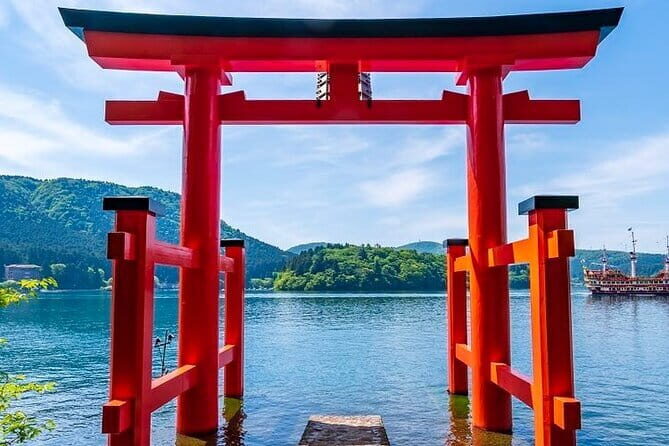
- Hakone Shrine and the Red Torii on Lake Ashi
- Timing and what you’ll do there
- The Hakone Ropeway Ride to Owakudani: Views Without the Guesswork
- A real-world consideration: wind and weather
- Owakudani Valley: The Volcano Stops Being a Theory
- The short walk you’ll likely end up doing
- Black eggs: fun snack, not a freebie
- Lake Yamanaka at Shiratorihama: Swan Photos With Mt. Fuji
- What to expect in real life
- Oshino Hakkai: Eight Springs That Quiet the Day
- Why I like the order
- Price and Value: What $76.96 Buys You in Hakone
- What is not included
- Guides and Pace: When It Feels Great (and When It Doesn’t)
- Lunch expectation
- Who This Tour Fits Best
- Kids and comfort level
- Weather Reality Check: Plan for Fuji Uncertainty
- Should You Book This Tokyo to Hakone, Owakudani, and Fuji Lakes Day Tour?
- FAQ
- How long is the Tokyo Mt. Fuji Hakone Shrine, Owakudani, Lake Yamanakai Day Tour?
- What is included in the price?
- Which attractions are part of the day?
- Are meals included?
- Is there a minimum number of people needed for the tour?
- What is the cancellation window?
Key things I’d pay attention to
- Included Hakone Ropeway segment from Togendai to Owakudani, saving you time and extra planning
- Hakone Shrine’s red torii on Lake Ashi plus real shrine history tied to the region
- Owakudani’s Big Hell context—poisonous springs, volcanic activity, and the chance to try black eggs
- Lake Yamanaka swan photo time at Shiratorihama with Mt. Fuji if the sky cooperates
- Oshino Hakkai’s eight springs from Mt. Fuji snowmelt, a calmer stop after the volcanic heat
- Small group limit (max 15), which helps when timing matters and you need quick guidance
Morning Start in Tokyo: How to Make the Pickup Work
This tour is built for a full day: about 8 hours 20 minutes on the clock, and it runs daily as long as there are at least 4 people booked. With a max group size of 15, you’re not stuck in a huge crowd, but you still need to show up on time—tight itineraries don’t wait.
Pickup works a bit differently than a simple street meet-up. The night before, you should receive a reminder email with the vehicle registration number, the guide’s contact info, and your pick-up time. The guide doesn’t proactively contact you, so your job is to be at the right place on schedule.
Also note the practical Japan detail: many hotels can’t park for long. If you’re picked up at a hotel, plan on waiting in front of the hotel rather than waiting inside or in the room. It’s a small thing that can save you from the whole group leaving early.
You can also read our reviews of more tours and experiences in Tokyo.



Luggage and what to pack
This is a one-day ride, so it’s not recommended to bring luggage. If you do carry it, you’re allowed 1 luggage per person, and there’s a charge (100 yuan per extra piece) if your booking notes don’t match what you bring. For me, the lesson is simple: pack light, keep the day easy.
For on-the-ground gear: bring a good pair of shoes. You’ll move between viewpoints and walk short stretches around Owakudani and the lakes.
Hakone Shrine and the Red Torii on Lake Ashi
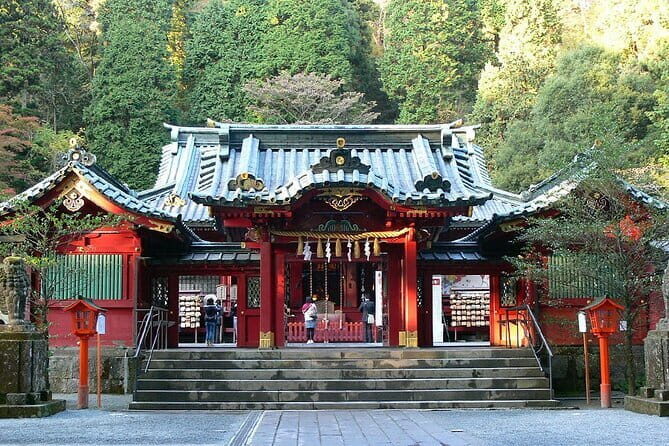
Your first major stop is Hakone Shrine with time near the lakeside Maritime Torii. This area is famous because the shrine’s red torii stands out over Lake Ashinoko—and Lake Ashinoko itself is the kind of place that makes Mt. Fuji look “near enough” even when it’s in the distance.
What I like about starting here is that it sets the tone. Hakone is treated as a sacred mountain area tied to long-term belief and protection. The shrine was founded in 757 by Manmaki Kamimoto, and it later became associated with powerful historical figures like Minamoto Yoritomo and Tokugawa Ieyasu. You’ll also hear it framed as Kanto’s chief guardian of Hakone.
It’s not just legends either—there’s a clear theme. The shrine is believed to support things like traffic safety, fulfilling wishes, success in love, and getting rid of misfortune. Even if you don’t think of yourself as spiritual, it gives you a reason to pay attention while you’re standing in one place for photos. You’re looking at a landmark with meaning behind it, not just an Instagram backdrop.
Timing and what you’ll do there
You get about 80 minutes, with roughly 1 hour 20 minutes of stop time where admission is free. That’s enough to walk the grounds at a relaxed pace and still have time to grab Lake Ashi views.
If the day is clear, this is one of the better spots to get that classic Mt. Fuji-in-the-distance effect. If it’s cloudy, you can still enjoy the torii and water views—it just may be more about atmosphere than perfect sightlines.
The Hakone Ropeway Ride to Owakudani: Views Without the Guesswork
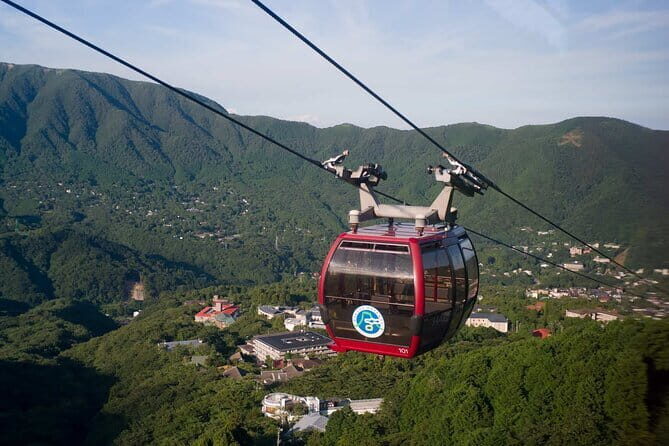
This is one of the most practical parts of the day. The tour includes the Hakone Ropeway segment from Togendai to Owakudani, for about 30 minutes. The cable car fee is included, which matters because Hakone transport can be confusing if you’re trying to string it together alone.
Why this ride is worth it: you get the big visual payoff right around Owakudani. The best views are often between the two parts of the route, where you can catch Mt. Fuji depending on weather. You’re also riding above the crater-lake area, so you get a volcanic “shape” to the scenery—not just flat water and distant peaks.






A real-world consideration: wind and weather
I’ll say this plainly: Hakone is weather-sensitive. If it’s windy or rainy, conditions can affect what runs smoothly and what you can see. On one day, you might be taking the ropeway; on another, you could be redirected to get around by bus.
That’s not a reason to avoid the tour. It’s a reason to keep expectations flexible. Your best defense is to pack for weather and treat Mt. Fuji visibility as a bonus, not a guarantee.
Owakudani Valley: The Volcano Stops Being a Theory
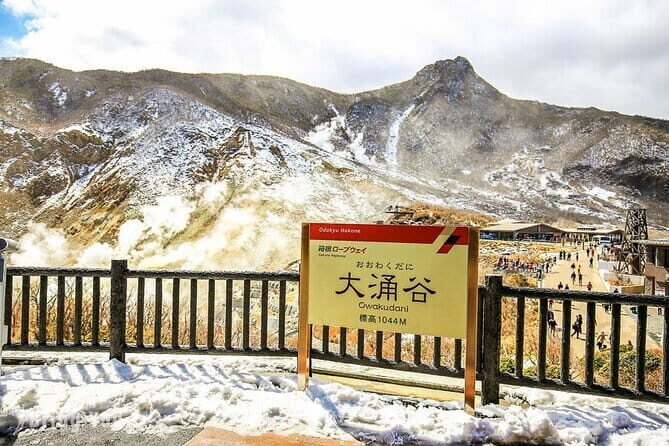
Owakudani is where the tour turns from pretty views into real volcanic science you can feel. You’ll spend about 50 minutes here, with free time after your ropeway segment.
Owakudani sits in Hakone City, southeast of Mt. Fuji. The crater remains are linked to volcanic activity roughly 1,000 years ago. The name matters too. The spring water here is described as poisonous, and the area is often referred to as Big Hell. Then there’s a human historical layer: it was renamed Owakudani after Emperor Meiji visited in 1868 (the renaming took place in 1876).
The short walk you’ll likely end up doing
There’s a nature research trail entrance area you’ll use, and it’s not a long grind—think around 15 minutes to get into the feel of the place. You may notice small food stops nearby; one example is Tamago Tea House, where smoke rises from the setup for eggs.
Black eggs: fun snack, not a freebie
You can try the famous black eggs here, but it’s at your own expense. If you want that experience, bring cash just in case. It’s also a good reminder: the tour covers the big transport pieces, but food and extras are mostly on you.
Owakudani is also one of those places where being slightly prepared pays off. Wear shoes you trust on uneven ground, and don’t expect the air to feel like a mountain hike. It’s more like visiting a living industrial landscape shaped by the earth.
Lake Yamanaka at Shiratorihama: Swan Photos With Mt. Fuji
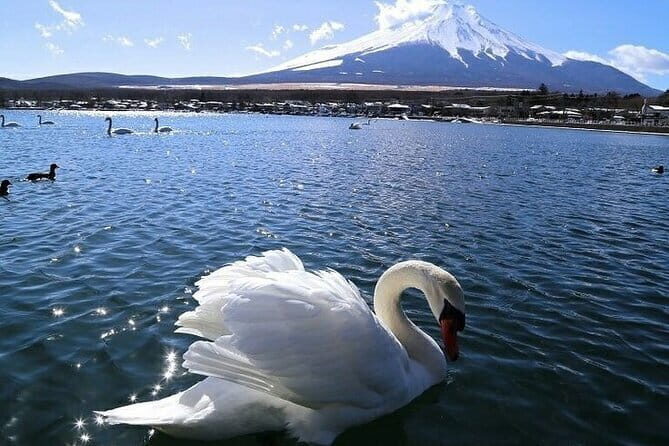
After the heat of Owakudani, Lake Yamanaka feels like a reset. This stop is short—about 20 minutes—so you’ll want to move with purpose.
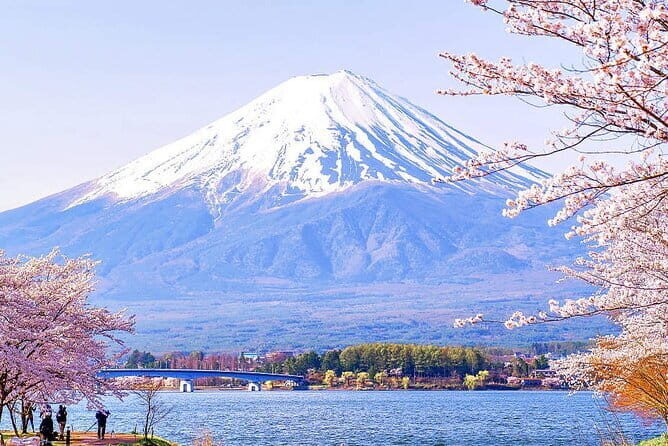
You’ll head to Shiratorihama, a lakeside area named for the swans. The idea is simple and effective: take a picture with swans in the frame alongside Mt. Fuji if visibility is good. The swans are described as friendly because tourists often feed them.
What to expect in real life
This is not a long walk-and-stay stop. It’s a “arrive, photograph, enjoy the view, keep moving” moment. That’s fine because it keeps the day moving toward Oshino Hakkai, which can feel like the calm after the volcanic intensity.
If Fuji is out, this stop is a top moment for classic photos. If not, you still get a pleasant lakeside break and a chance to watch swans up close.
Oshino Hakkai: Eight Springs That Quiet the Day
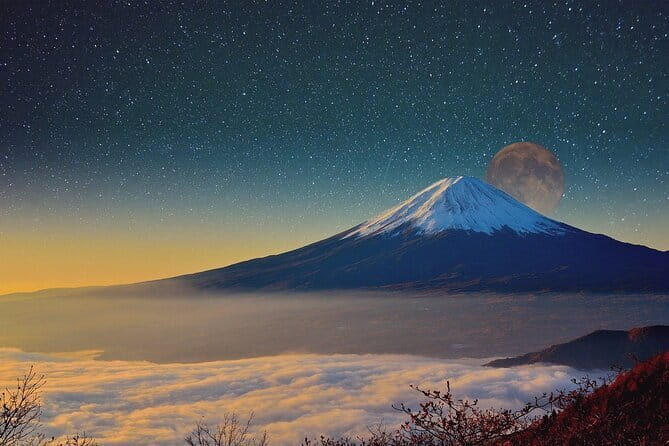
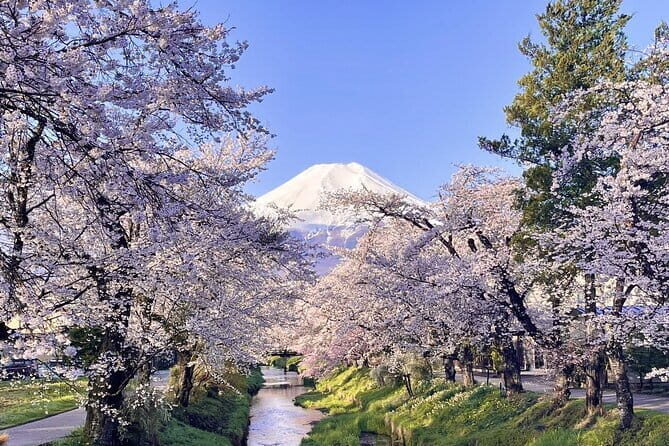
Next comes Oshino Hakkai, another Mt. Fuji-related icon—but this one is less about heat and more about water. Oshino Hakkai is made up of eight springs formed by snow water from Mt. Fuji flowing through layers of rock and strata.
You get about 40 minutes here, which is enough time to walk the area and look at the ponds without rushing. The water ripples in a way that makes the scenery feel photographic even without perfect skies. It’s also described as a national natural monument, which is worth remembering because it explains why the area is preserved the way it is.
Why I like the order
I like ending the day with Oshino Hakkai after Yamanaka. The emotional shift is real: you go from volcanic steam and dramatic earth to clean spring ponds and calmer paths. It makes the day feel complete rather than like nonstop sightseeing.
Price and Value: What $76.96 Buys You in Hakone
At $76.96 per person, the value comes from combining transport with one paid transport feature. Much of the stops are free to enter (Hakone Shrine, Owakudani, Lake Yamanaka photo spot, Oshino Hakkai). That means your money is mostly buying:
- vehicle service time and fuel costs
- highway tolls and driver service
- the included ropeway segment fee
It also helps that the tour is designed around Japan’s timing reality. The included vehicle service covers time within 10 hours (as required by Japanese law), and the leftover time is used for travel and lunch.
One more practical value point: you’re not spending your brainpower figuring out connections. Even if you’re a confident transit user, bundling Hakone routing into one day with an operator-managed schedule is stress relief.
What is not included
Meals aren’t included, and you’ll likely pay for extras like black eggs or any optional add-ons. Plan for that so you don’t end up trying to decide on the spot.
Guides and Pace: When It Feels Great (and When It Doesn’t)
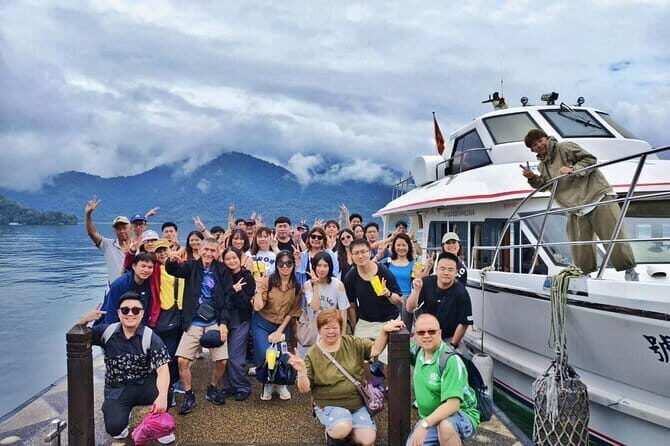
The difference between a good day and a stressful one often comes down to the guide. This tour can shine with the right person. For example, I’ve seen strong experiences tied to guides like Kousei, Jack, and Tom—each described as friendly, informative, and fun in different ways.
That said, pace can be a factor. On some days with bad weather, you might feel rushed from stop to stop. Rain can change everything: visibility drops, walking becomes less pleasant, and you may lose sight of what you came for.
There’s also the matter of paid add-ons. You might be offered optional experiences such as a boat cruise, and you may feel nudged to accept because it’s hard to make your own way to the next stop. My advice is simple: if you’re interested, ask questions fast and decide calmly. If you’re not, it’s okay to pass and stick to the core itinerary.
Lunch expectation
Lunch isn’t included, and you might be offered options along the way. Some days these feel easy and well-timed; other days, they can feel like a forced expense. If you have dietary restrictions or a budget, plan to bring snacks and decide what’s worth paying for.
Who This Tour Fits Best
This is a good match if you want a classic Hakone-and-Fuji day without doing logistics math. It’s especially solid for:
- first-time visitors who want the big names in one day
- people who prefer a small-group setting (max 15)
- travelers who enjoy both history (Hakone Shrine) and nature (Owakudani and Oshino Hakkai)
- couples and friends who can handle short, structured stops
It can be less ideal if you need lots of free time in one place. The stops are designed to be efficient, not slow and lingering. You’ll get views and key sights, but you won’t have half a day to settle into one viewpoint.
Kids and comfort level
Children under 3 are free of charge if they don’t need a seat. For kids over 3, they’re treated as adults. The route includes walking at several stops, so you’ll want to judge based on your child’s stamina.
Weather Reality Check: Plan for Fuji Uncertainty
Mt. Fuji visibility is the big variable on this kind of trip. The scenery at Lake Ashi, the ropeway views, and the photo targets at Yamanaka all depend on clouds and wind.
So here’s the practical approach I recommend: treat the tour as a chance to see volcanic Hakone and Fuji-area landmarks, not a guarantee of perfect Fuji photos. If the sky cooperates, great. If it doesn’t, you’ll still get Owakudani’s volcanic character and Oshino Hakkai’s unique water scenery.
If the wind is strong or rain is heavy, be ready for route adjustments. The tour might be rerouted, and some transport options may not operate the same way. In those cases, a good guide matters even more, because they can help you make the best of what’s available.
Should You Book This Tokyo to Hakone, Owakudani, and Fuji Lakes Day Tour?
I’d book this if you want a full-day hit of Hakone’s highlights with transport handled for you, especially the included ropeway piece. The value is strongest when you want to do multiple iconic stops in one go and you’re okay with a schedule that moves.
You might skip it (or at least re-think expectations) if you’re booking mainly for crystal-clear Mt. Fuji photos and you can’t tolerate weather-related changes. The itinerary is good, but the mountain doesn’t care about your schedule.
If you do go, pack for wet conditions, wear solid shoes, and keep some cash for snacks like black eggs. And when you meet your guide, ask one quick question early in the day about how they’ll handle weather—then you’ll feel in control even if the forecast changes.
FAQ
How long is the Tokyo Mt. Fuji Hakone Shrine, Owakudani, Lake Yamanakai Day Tour?
The tour runs for approximately 8 hours and 20 minutes.
What is included in the price?
Vehicle service fees, vehicle fuel costs, tolls, and driver service are included, along with the Hakone Ropeway fee for the Togendai to Owakudani course. You also get a mobile ticket.
Which attractions are part of the day?
You’ll visit Hakone Shrine (with time near the Lake Ashinoko Maritime Torii), ride the Hakone Ropeway toward Owakudani, spend time at Owakudani Valley, stop at Lake Yamanaka Shiratorihama for swan-and-Mt.-Fuji photo time, and visit Oshino Hakkai (eight springs).
Are meals included?
No. Meals are not included, and you’ll handle lunch on your own during the day.
Is there a minimum number of people needed for the tour?
Yes. The tour requires a minimum of 4 persons to proceed and runs daily.
What is the cancellation window?
You can cancel for a full refund if you cancel at least 24 hours before the experience start time. Cancellation within 24 hours of the start time is not refundable.