REVIEW · TOKYO
Tokyo: Mt. Fuji, Kamakura, Big Buddha, & Lake Ashi Day Trip
Book on GetYourGuide →Operated by AMIGO TOURS JAPAN GK · Bookable on GetYourGuide
Fuji fans, you’ll want this day trip. I love the tight sequence of photo stops built around Mount Fuji, and I also like that the route can include a Lake Ashi boat ride that makes the mountain feel extra close. The catch is simple: if weather hides Fuji, your best views might be limited.
This is one of those Tokyo departures that feels efficient without feeling rushed. You’re guided in English and Spanish, with plenty of explanation on what you’re looking at and how to make the most of the stops, plus a bus setup that keeps the day moving smoothly.
One more thing I appreciate: the day has built-in flexibility through different options. Depending on what you pick, you’ll either add the Lake Ashi cruise, lunch in Oshino Hakkai, and/or the Great Buddha stop in Kamakura, or you’ll swap in other Fuji viewpoints.
In This Review
- Key points at a glance
- Why this Mt. Fuji and Kamakura day trip makes sense
- Choosing the right option: cruise, lunch, and Big Buddha
- Starting in Tokyo and the smooth first stretch to Kamakura
- Kōtoku-in and the Great Buddha: quick, iconic, worth the time
- Hakone’s Lake Ashi: Pirate Ship vibes for Fuji over water
- Oshino Hakkai: the spring ponds that make Fuji feel close
- Oishi Park and Lake Kawaguchi: timing your best Fuji moment
- Optional detours: Chureito Pagoda and Gotemba Premium Outlets
- What the day feels like: pacing, guides, and photo strategy
- Price and logistics: what you really pay for
- Practical tips that save your day
- Who should book this tour, and who should skip it
- Should you book this Mt. Fuji, Kamakura, and Lake Ashi day trip?
- FAQ
- How long is the Tokyo to Mt. Fuji day trip?
- What does it cost?
- What languages are available on the tour?
- Is food included?
- Is the Lake Ashi cruise included?
- Is the Great Buddha of Kōtoku-in included?
- Is this tour wheelchair accessible?
- Will I definitely see Mount Fuji?
- Can I cancel if my plans change?
Key points at a glance
- Multiple angles on Mount Fuji, so you’re not relying on one single viewpoint
- Lake Ashi Pirate Ship cruise option for big views over the water
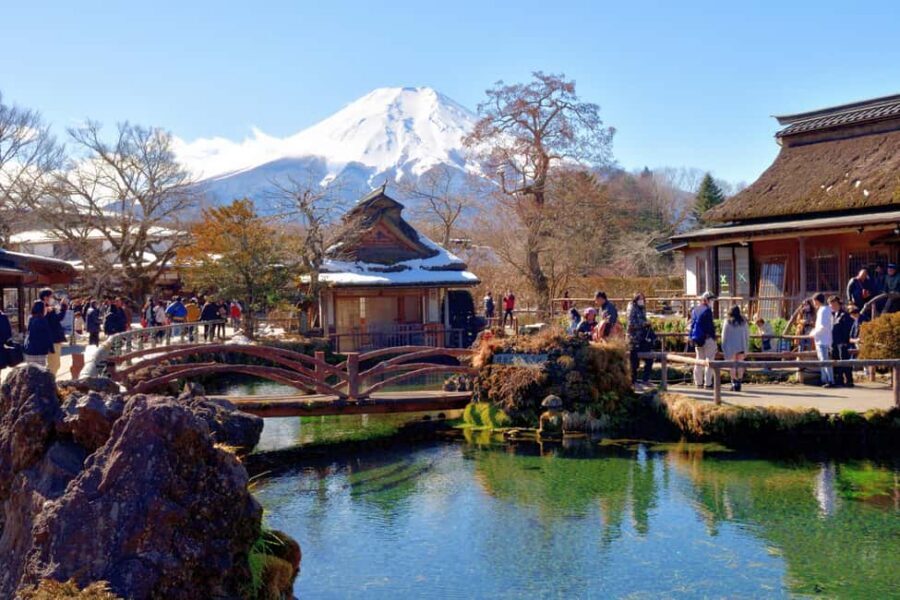
- Oshino Hakkai spring ponds with a guided visit and free time
- Kamakura’s Great Buddha (Kotoku-in) option, including a classic photo stop
- Bilingual guiding that helps you move and photograph better, with names like Naomi, Jorge, Fran, and Beru frequently praised
- Value in the $49 range when you count the transport plus included tickets on selected routes
Why this Mt. Fuji and Kamakura day trip makes sense
Tokyo is loud, fast, and dense. This tour is a clean break. In about 10 to 11 hours, you can leave the city, chase Fuji around the Hakone and Fuji-lake region, and still fit in Kamakura’s famous historical stop. For many first-timers, that’s the whole goal: see the big icon, then go home with photos that actually explain the day.
What I like most is how the itinerary is built around “return on time.” You don’t spend the day commuting blindly. You stop, look, shoot, and learn in chunks, with a guide keeping timing practical. I also appreciate that the tour is designed for adults and mixed ages, with guides praised for checking in with people who may need a bit more help along the way.
The only real downside is the one you can’t fix with planning: Mount Fuji visibility depends on weather. Still, multiple viewpoints help. Even when Fuji is faint or hidden for part of the day, you still get iconic scenery and strong cultural stops.
A few more Tokyo tours and experiences worth a look



Choosing the right option: cruise, lunch, and Big Buddha

This tour has different versions, and the inclusions change based on what you select. That matters, because otherwise you might assume you’re getting everything.
Here’s what’s clearly optional:
- Lake Ashi cruise: included only if you choose that option
- Kōtoku-in / Great Buddha of Kamakura: included only if you choose the option that adds the ticket (and you’ll also have a photo stop time)
- Lunch in Oshino Hakkai: included only with the premium option
If you want pure scenery, the Lake Ashi choice is a strong one. Lake Ashi sits in the Hakone area, and the water views give Fuji a different feel than the mountain views you’ll get at the lakes later in the day.
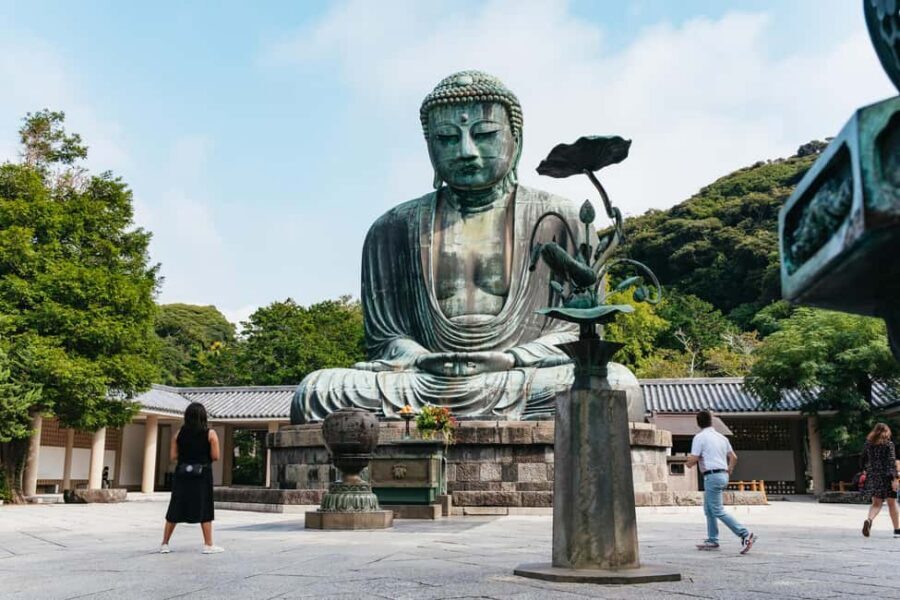
If you care most about culture and classic Japan icons, the Great Buddha option is the one to consider. The Great Buddha at Kōtoku-in is a huge 13-meter bronze statue, and the stop is quick enough to keep the day efficient.
And if you hate making food decisions on the go, the premium option with lunch in Oshino Hakkai can reduce one headache, since food and drinks are otherwise not included.
Starting in Tokyo and the smooth first stretch to Kamakura
Your day typically starts in central Tokyo at one of two meeting points, with one common option being Marunouchi, Ginza Inz 2 area (the exact meeting point can vary by booking). From there, you head out by bus/coach. The drive to the first major stop takes around 1.5 hours.
The first sight stop is Kōtoku-in in Kamakura. You get a photo stop and a short visit time (about 20 minutes total). It’s not a long temple stroll, so think of it as a focused “big moment” stop rather than a slow, deep cultural immersion.
Why this works: Kōtoku-in is one of the most recognizable Great Buddha images in Japan. Even if Fuji is cloudy later, this is a stop that still feels worth the trip.
Practical note: Kamakura plus Fuji-lake region means you’re on your feet. Comfortable shoes are non-negotiable.
Kōtoku-in and the Great Buddha: quick, iconic, worth the time
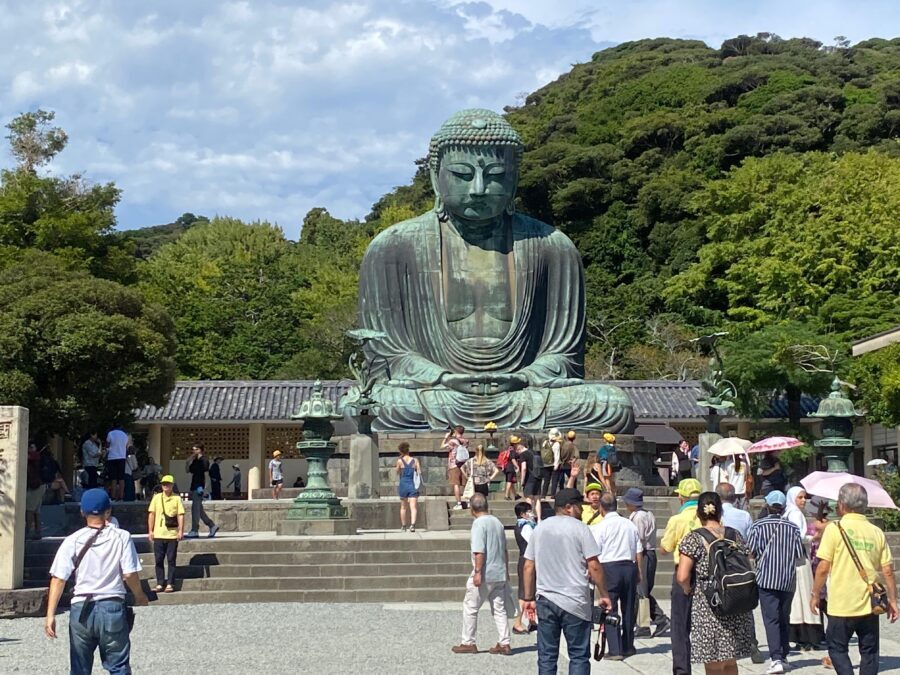
When you see Kōtoku-in’s Great Buddha in person, the scale hits fast. The statue is 13 meters tall, cast in bronze, and it has that calm, weathered presence that photos struggle to fully capture. You’ll have time for photos, and then time to see the site.
Because your time here is short, it helps to be ready with your photo plan. Aim to get wide shots first, then come back for details. If Fuji is visible in the distance that day, don’t expect the temple to frame it the way the Fuji viewpoints do later, but the Great Buddha still delivers the “Japan landmark” effect.
Also, if you’re traveling with older relatives or family members, this kind of stop can be a good compromise. You get the headline sight without a long trek.
Hakone’s Lake Ashi: Pirate Ship vibes for Fuji over water
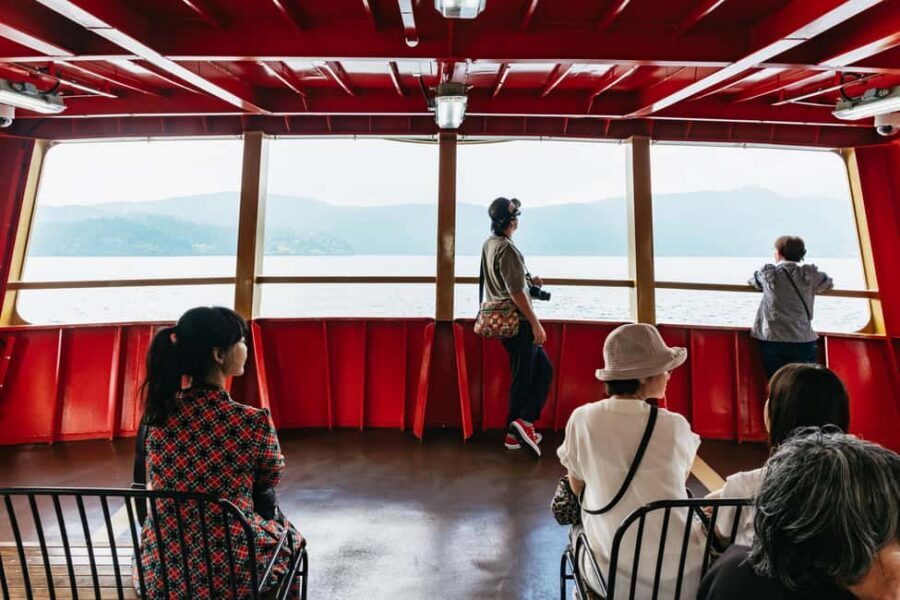
If you selected the cruise option, one of the best scenic stretches is Lake Ashi. You’ll ride the boat for about 10 minutes, and the goal is simple: see Mount Fuji with water-level drama, especially when conditions allow.
After the cruise, you’ll do Motohakone sightseeing, giving you a bit more time to take in the Hakone area. The timing is efficient enough that you still have room for the day’s later stops, but it’s long enough that you’re not stuck just passing through.
Why this stop is so popular: mountain views from land are one thing. Seeing Fuji with shoreline-and-lake layers adds depth. If Fuji is clear, it looks different. If it’s not, you can still enjoy the water scenery and the Hakone atmosphere.
In short: if you like photos, the Lake Ashi cruise option is the one I’d prioritize over adding one more random viewpoint.





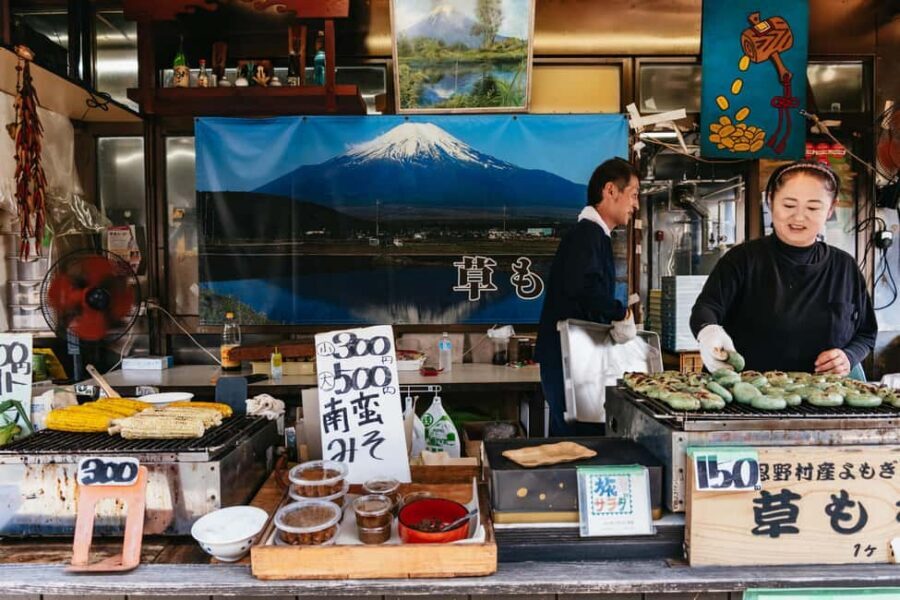
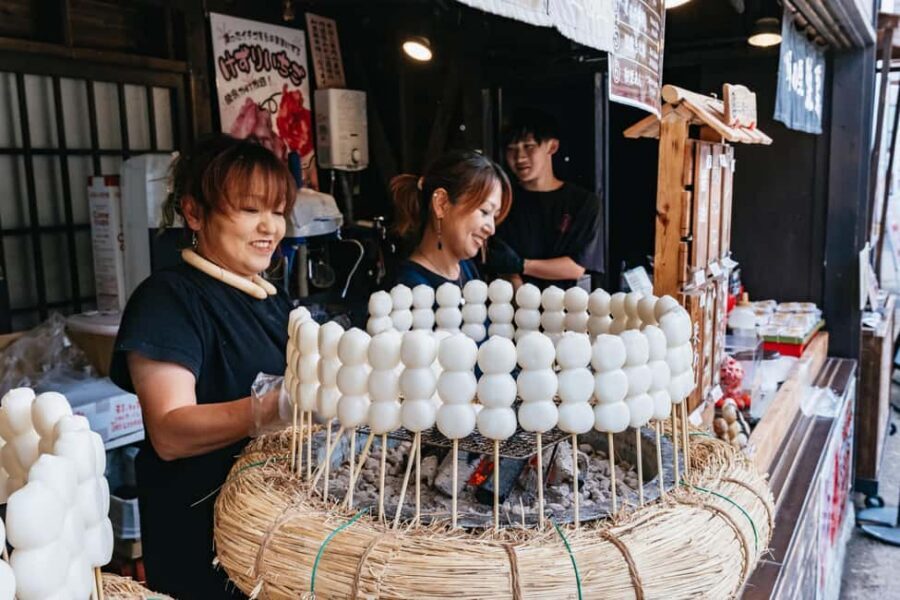
Oshino Hakkai: the spring ponds that make Fuji feel close
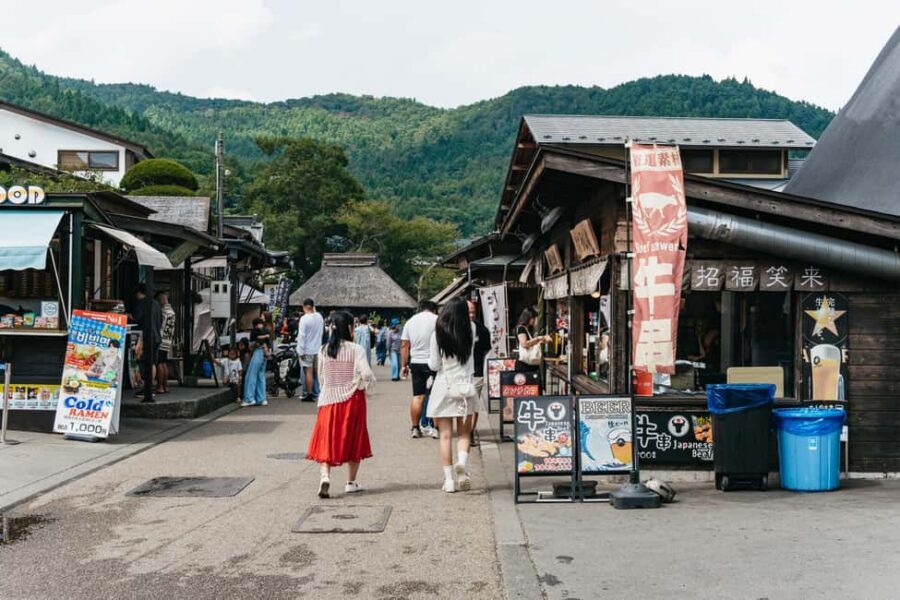
Oshino Hakkai is where the day shifts from “mountain views” to a specific, water-based reason to care about this region. You’ll have a guided tour plus free time totaling about 1.5 hours.
The ponds are known for crystal-clear spring water, and the village atmosphere at the foot of the mountain makes the whole area feel more grounded. It’s not just Fuji in the distance. It’s water you can see, and it has that clean, bright look that photographs well even when Fuji itself is faint.
Free time here is useful. You can linger by the ponds, grab a snack, or just slow down for a minute. Several guides have been praised for keeping the energy up during this stretch and pointing out practical ways to enjoy the area without feeling rushed.
One thing to plan: because food and drinks aren’t included unless you chose premium lunch, you may need to decide what to buy on the spot. Also, cash can be handy since some areas or shops may not take cards.
Oishi Park and Lake Kawaguchi: timing your best Fuji moment
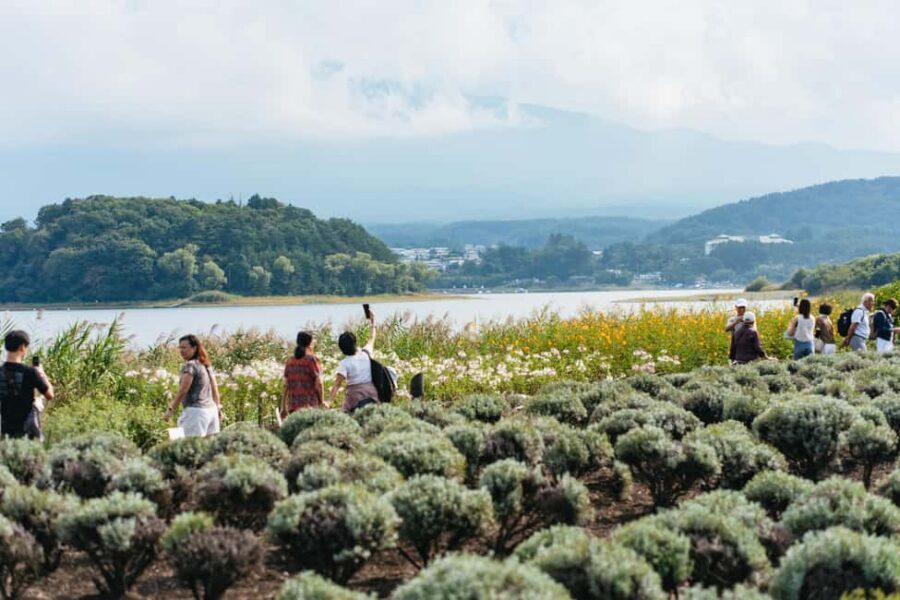
Late morning and early afternoon are when many people get the best Fuji odds. After Oshino Hakkai, you’ll move toward Oishi Park for a guided visit (about 45 minutes), then continue to Lake Kawaguchi for sightseeing, with additional Mount Fuji sightseeing time afterward.
This is the part of the day that can feel like a “wait and look” loop. That’s not a bad thing. With Fuji, conditions change quickly, and different viewpoints can show different clarity. Having multiple stops increases your chances that one of them lines up with a break in the clouds.
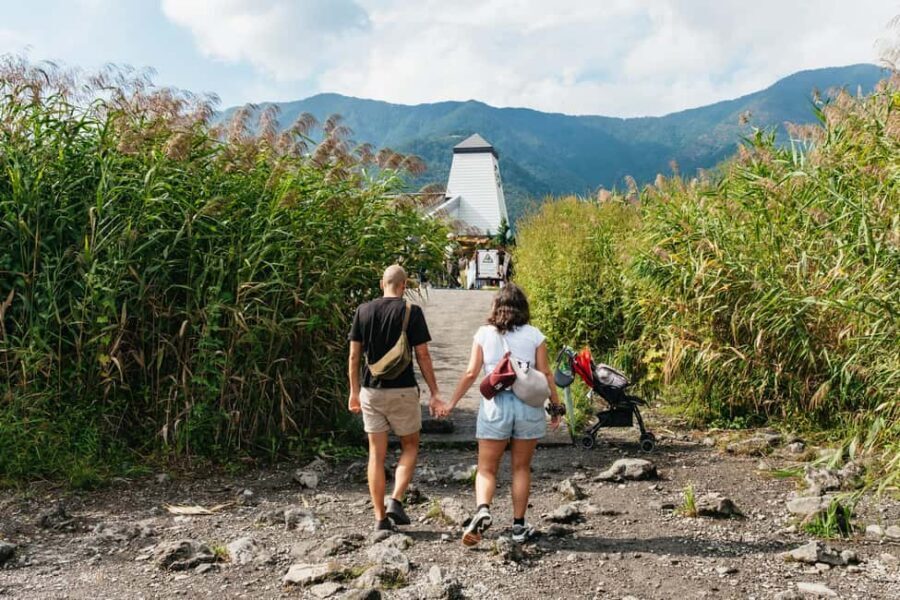
Oishi Park is a classic choice because it’s built for views, and the guided element helps you know where to stand and how to frame photos. Then Lake Kawaguchi adds a second setting—similar theme, different angles.
If you’ve only seen Fuji in pictures, you’ll likely be surprised by how much the mountain changes depending on where you are and how the air looks that day.
Optional detours: Chureito Pagoda and Gotemba Premium Outlets
Depending on the route option, your day may also include a stop at Arakurayama Sengen Park for the famous Chureito Pagoda view. This is one of the most photographed Fuji angles in the area, and it’s easy to see why. Even if you don’t get crystal-clear Fuji, the composition tends to still feel dramatic.
Some routes also add a leisure break such as Gotemba Premium Outlets. I like having that built in if you’re the type who wants either a coffee stop or a chance to buy something you forgot. It’s also a relief valve when you’re doing a full day of walking and waiting.
If you choose a route that adds these moments, it’s usually because you want variety: cultural icon shots, shopping or downtime, and then back to nature-focused scenery.
What the day feels like: pacing, guides, and photo strategy
This tour is long enough that comfort and timing matter. You’re doing multiple bus/coach stretches plus several on-foot stops. The pacing is usually about keeping you at each location long enough to enjoy it, then moving before the whole day collapses into delays.
Where I think this tour really wins is the guide style. The experience is often praised for bilingual delivery and practical advice. Names like Naomi, Jorge, Fran, Bertrand (Beru), Eric, and Melody come up for a reason: they’re described as funny, attentive, and the kind of guide who helps you understand what you’re seeing instead of just reading a script.
Photo strategy I’d use:
- Start with wide shots at each Fuji viewpoint, then switch to detail photos
- Bring a hat and sunscreen, even in cooler months, because daylight around Fuji-lake and coastal areas can be strong
- If clouds roll in, don’t panic. Keep your camera ready for the quick changeovers
- For Fuji, you don’t want one perfect moment only. You want a few chances
A small reality check: you might get Fuji all day, or you might get only brief appearances. Either way, the stops are built to feel like a real day out rather than a single photo quest.
Price and logistics: what you really pay for
At about $49 per person, this is a strong value if your selected option matches what you want. The base value isn’t just the bus. It’s:
- Transportation from the meeting point
- A bilingual English/Spanish guide
- Selected inclusions like the Lake Ashi cruise, Kōtoku-in ticket, and/or lunch in Oshino Hakkai (depending on your option)
Food and drinks are not included. So your true budget depends on whether you pick premium lunch. A lot of the cost is covered by transport plus guided stops, which is exactly what you’d pay anyway if you tried to piece this together yourself.
Also, the transport quality has been rated very highly, with many reviewers scoring it perfectly. For a day this long, that matters more than people think.
Practical tips that save your day
Here’s what to plan around, based on what you’ll feel during the day:
- Bring comfortable shoes for repeated short walks and waiting around viewpoints
- Pack warm clothing. Hakone and the Fuji-lake region can feel cooler than Tokyo
- Bring a camera and get ready for lots of photo stops
- Add a hat and sunscreen
- Have cash available, since some shops may not accept cards
- Keep expectations realistic: Mount Fuji visibility depends on weather
One last useful tip: start early. Even on planned routes, road traffic can happen around holidays or busy weekends. Guides and drivers are praised for keeping timing tight, but the best move is simply being ready before departure.
Who should book this tour, and who should skip it
This is a great fit if you want:
- A one-day Mount Fuji plan from Tokyo
- A mix of nature and classic Japanese landmarks
- Bilingual guidance that helps you understand stops quickly
- Multiple chances for Fuji views, rather than a single viewpoint gamble
It’s not suitable for wheelchair users, based on the provided information.
Also, if you dislike long bus days, you might prefer staying in one area and doing a smaller set of stops. This tour is built for people who can handle a full day.
Should you book this Mt. Fuji, Kamakura, and Lake Ashi day trip?
If your main goal is to see Mount Fuji from multiple angles and still get a top cultural stop in Kamakura, I think this is a smart booking. The value at around $49 is solid when you choose the option that matches your priorities, especially if you want the Lake Ashi cruise or the Kōtoku-in Great Buddha stop.
The only reason I’d hesitate is if you’re traveling strictly for Mount Fuji on a specific day and you can’t tolerate the idea of partial views due to weather. If you can be flexible and enjoy the region even when Fuji is shy, this tour is one of the easiest ways to make that happen.
FAQ
How long is the Tokyo to Mt. Fuji day trip?
It’s listed as about 10 to 11 hours.
What does it cost?
The price is $49 per person.
What languages are available on the tour?
The live tour guide speaks English and Spanish.
Is food included?
Food and drinks are not included. Lunch in Oshino Hakkai is included only if you choose the premium option.
Is the Lake Ashi cruise included?
The Lake Ashi cruise is included only with the option you select.
Is the Great Buddha of Kōtoku-in included?
Kōtoku-in is available with the corresponding option, including the ticket when chosen.
Is this tour wheelchair accessible?
No, it is not suitable for wheelchair users.
Will I definitely see Mount Fuji?
Mount Fuji visibility depends on weather conditions, so clear views are not guaranteed.
Can I cancel if my plans change?
Yes. You can cancel up to 24 hours in advance for a full refund.
If you tell me which option you’re considering (cruise, Big Buddha, and/or premium lunch), I can help you pick the version that best matches your priorities and how many Fuji-view “shots” you’re most likely to get.