REVIEW · TOKYO
Tokyo: Nikko Kegon Falls Lake Chuzenji Toshogu Temple & More
Book on GetYourGuide →Operated by Travels Luxurious Japan · Bookable on GetYourGuide
Nikko hits hard when you do it in one smooth day. I love the private-driver setup that lets you slow down or speed up, and I love how the day stacks sacred sights like Toshogu Shrine with big nature views like Lake Chuzenji and Kegon Falls. One thing to watch: it’s a long 10-hour day and traffic (or weather) can stretch the schedule.
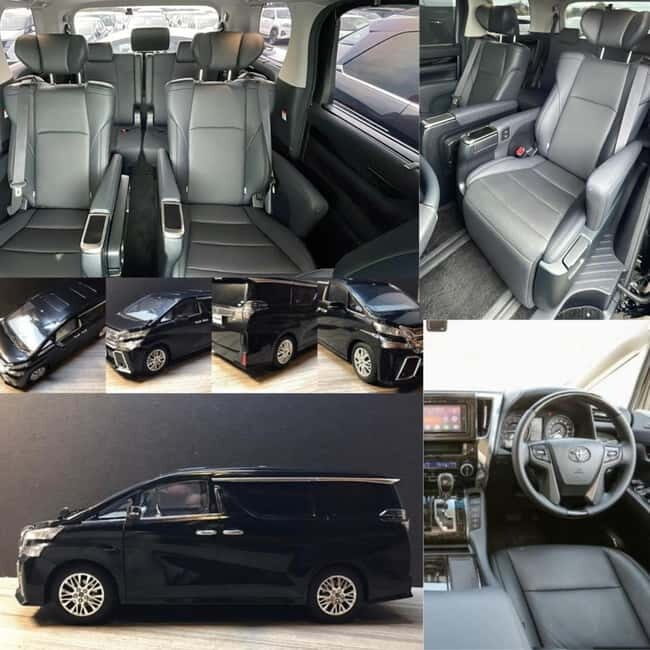
You’ll ride in a luxury vehicle (Land Cruiser, Crown, or Vellfire-type comfort) with air conditioning and WiFi, plus coffee or tea on the way. The tradeoff is simple: meals and attraction fees aren’t included, so you’ll need to plan for lunch and ticket costs yourself.
In This Review
- Key points before you go
- Why Nikko Works So Well as a Private Day Trip
- Luxury pickup in Tokyo: comfort matters on curvy roads
- Nikkō National Park stop: a quick on-ramp to the scenery
- Lake Chūzenji: a highland lake moment before the shrine rush
- Nikkō Futarasan-jinja: a calmer shrine stop with good payoff
- Toshogu Shrine: the carvings, the colors, and the famous sleeping cat
- Kanmangafuchi Abyss and the line of Jizō statues
- Kegon Falls: the 97-meter drop you can’t fake in photos
- Shinkyo Bridge: Nikko’s iconic wooden crossing with panoramic views
- Edo Wonderland: a different kind of Nikko after the temples
- Food, tickets, and the “full day” reality
- Who this private Nikko tour fits best
- Should you book this Nikko day trip?
- FAQ
- How long is the Nikko Kegon Falls and Toshogu day tour?
- What’s the group size for this experience?
- Is hotel pickup included, and where does pickup happen?
- Do you offer pickup from airports or ports?
- Are meals included in the price?
- Are attraction fees included?
- Is the tour wheelchair accessible?
- What languages are the driver-guides available in?
- What should I bring for the day?
- What happens if the weather is bad?
Key points before you go
- Private group up to 6 people means you can move as a unit without being stuck behind a tour stampede.
- Toshogu Shrine details like the Yomeimon Gate and the famous sleeping cat are a highlight for good reason: the craftsmanship is the whole show.
- Shinkyo Bridge panoramas make it easy to grab those classic Nikko photos without rushing through everything.
- Kegon Falls is the main event at 97 meters, and the viewing area is set up for real waterfall awe.
- Edo Wonderland adds a playful reset after the shrines, with a guided chunk and Edo-period craft/performance-style activities.
- English support plus other languages (Hindi, Japanese, Urdu, Arabic, Punjabi) helps if you want fewer language hurdles.
Why Nikko Works So Well as a Private Day Trip
Nikko is the kind of place where one wrong turn or one slow start can cost you the whole day. This tour’s private setup helps you keep control. You get hotel pickup, a dedicated driver, and an itinerary that strings together the biggest hits without pretending you’ll hike for hours.
It also keeps the experience human. You’re not waiting for a group to find the right bus, and you’re not stuck with a rigid pace. You can pause for photos at places like the bridge viewpoints, or take an extra minute where you actually care—like around the shrine carvings—without feeling rude.
The only catch is timing. You’re moving all day across a mountainous region, so if you’re prone to motion sickness or you need frequent restroom breaks, consider that the road can be curvy and the schedule is full.
You can also read our reviews of more tours and experiences in Tokyo.



Luxury pickup in Tokyo: comfort matters on curvy roads
This day starts with pickup from your Tokyo-area accommodation (within the 23 wards). It also lists multiple pickup options across central Tokyo, which is useful if you’re staying near major stations or shopping districts.
For the ride, the provider uses luxury vehicles like Land Cruiser, Crown, and Vellfire-type models. The practical perks are air conditioning and WiFi, plus coffee or tea. That sounds small until you realize you’ll be in the car for commuting time, and Nikko weather can shift.
The driver language support is also a real advantage: English, Hindi, Japanese, Urdu, Arabic, and Punjabi are offered. Based on the driver experiences shared in the past, the people steering this route tend to be punctual and careful—names that show up include Cheema and Baba, and there are mentions of safe driving and help with photos. If you’re worried about getting the right angles at Shinkyo Bridge or getting everyone in-frame near the falls, this is the kind of day where a helpful driver actually makes a difference.
Nikkō National Park stop: a quick on-ramp to the scenery
You’ll get a first stop in Nikkō National Park for a photo stop and a short walk (about an hour). This isn’t the day’s most famous single sight, but it’s a smart way to transition from Tokyo’s city rhythm into Nikko’s forest-and-mountain vibe.
Use this time to do two things:
1) get your legs moving a bit so the rest of the day feels easier, and
2) spot where you’ll want your “main camera” shots later.
If your plan is mostly photos, keep your camera ready—this area tends to reward quick stops. If you’re more into soaking in details than taking pictures, you’ll still enjoy the low-pressure nature break before the temples.
Lake Chūzenji: a highland lake moment before the shrine rush
Lake Chūzenji is one of Nikko’s easiest wins for first-time visitors. It’s a highland lake formed by volcanic activity, known for clear water and dramatic views near Mount Nantai. In the tour flow, you’ll have about an hour for photo stops, sightseeing, and walking.
What I like about this timing is that it gives your brain a break from temples before you hit Toshogu’s busy grandeur. It’s also where you can really feel the region’s altitude and atmosphere—cooler air, mountain views, and that sense of space that Nikko does well.
A quick practical note: the tour includes activities in general terms, like boating/hiking/picnicking as things the area is known for, but your actual options depend on season and what’s open. Either way, you’ll have enough time to enjoy the lakeside viewpoints and grab photos that don’t look like typical roadside snapshots.
Nikkō Futarasan-jinja: a calmer shrine stop with good payoff
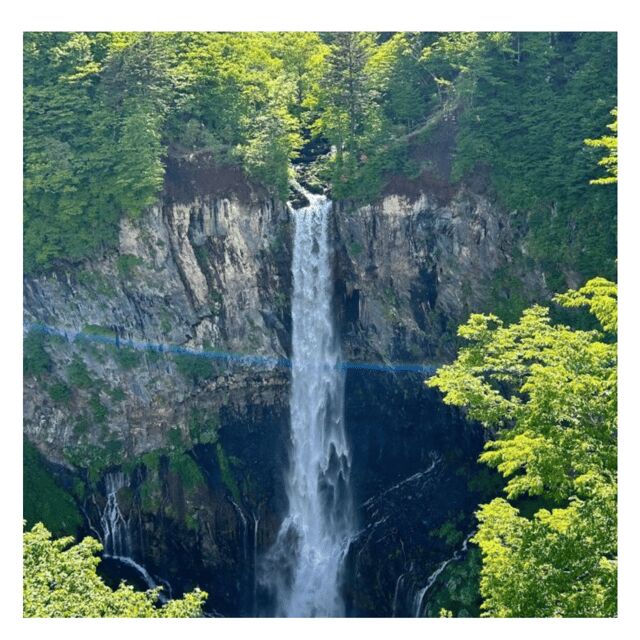
Before the big one, you’ll visit Nikkō Futarasan-jinja. Expect another photo stop and about an hour for sightseeing and walking.
This stop works as a “tone setter.” After you’ve been staring at mountains and water, the shrine’s presence shifts your attention from scenery to symbolism. The tour doesn’t try to make this a massive deep-dive—it’s more like a respectful breather that keeps the day’s flow smooth.
If you care about architecture, look closely at the shrine setting and how it sits within the forest. Nikko does that well: nature and worship are built into the same frame.





Toshogu Shrine: the carvings, the colors, and the famous sleeping cat
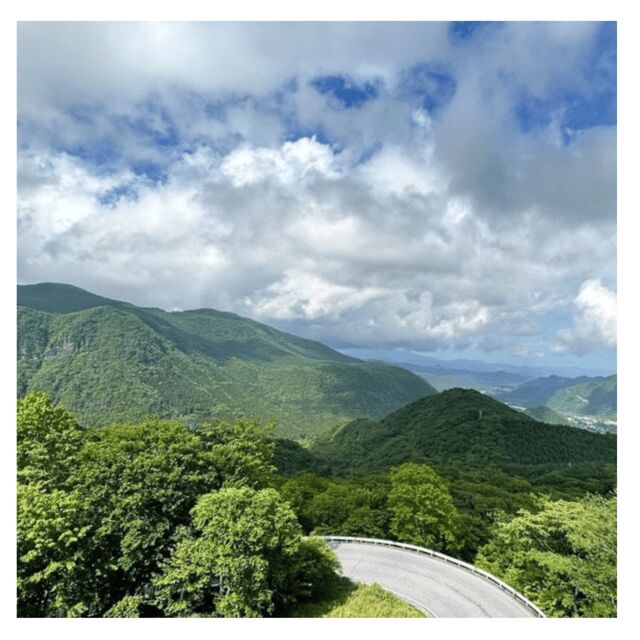
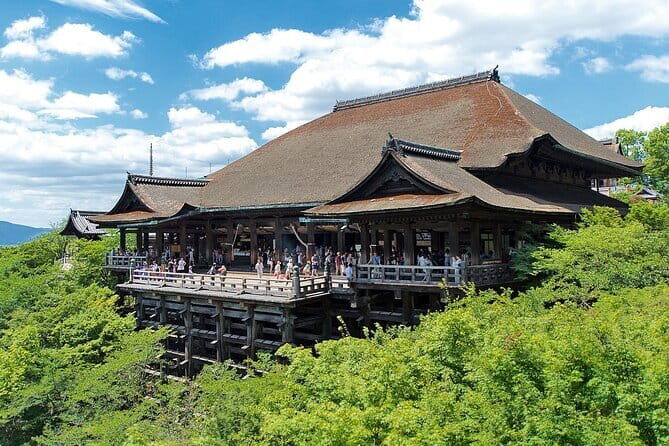
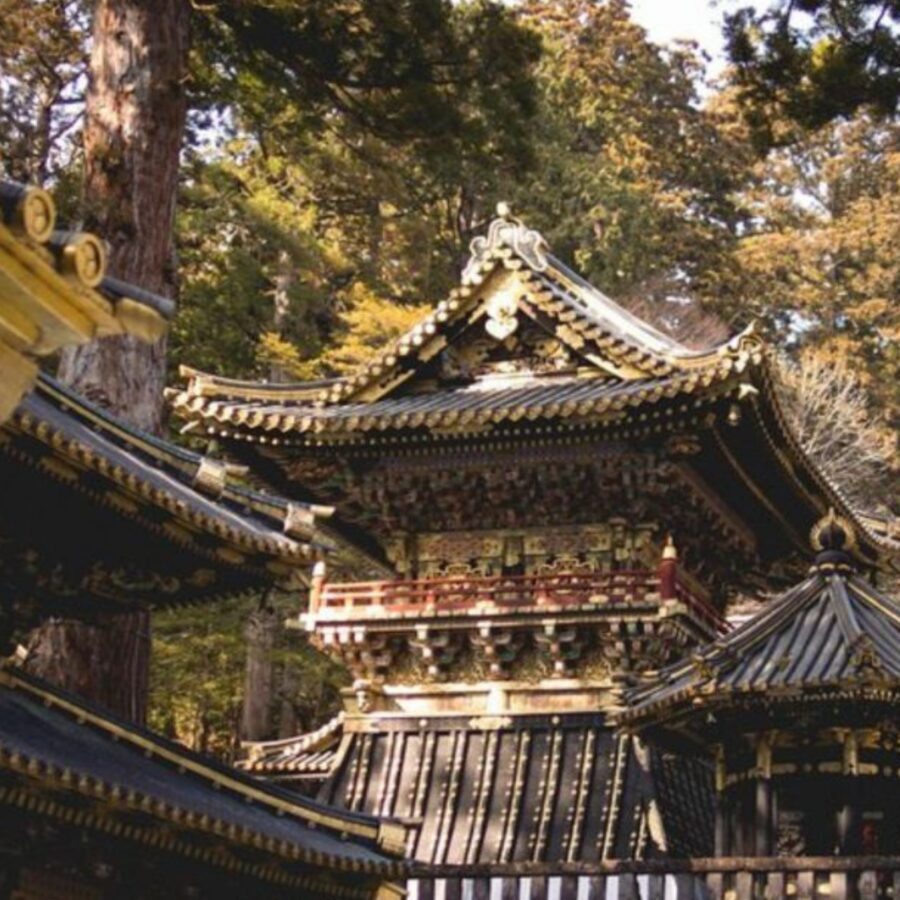
Nikko Toshogu Shrine is the reason many people plan a trip to this region. You’ll spend about an hour here for photo stops, sightseeing, and walking.
The standout features you should look for:
- The Yomeimon Gate, famous for intricate design and craftsmanship
- the sleeping cat sculpture, one of Nikko’s most recognizable details
- the way the shrine complex feels tucked into a forest atmosphere
Here’s my practical take: plan to slow down at the gate and the most decorated sections. Don’t just “walk past quickly to say you saw it.” The point of Toshogu is the detail—ornamentation, color, and the sheer level of work in the structures.
Also, if you’re photographing, use this as your warmup for later bridge-and-falls shots. Lighting under the trees can be tricky, but it also creates a moody look that suits Nikko’s sacred vibe.
Kanmangafuchi Abyss and the line of Jizō statues
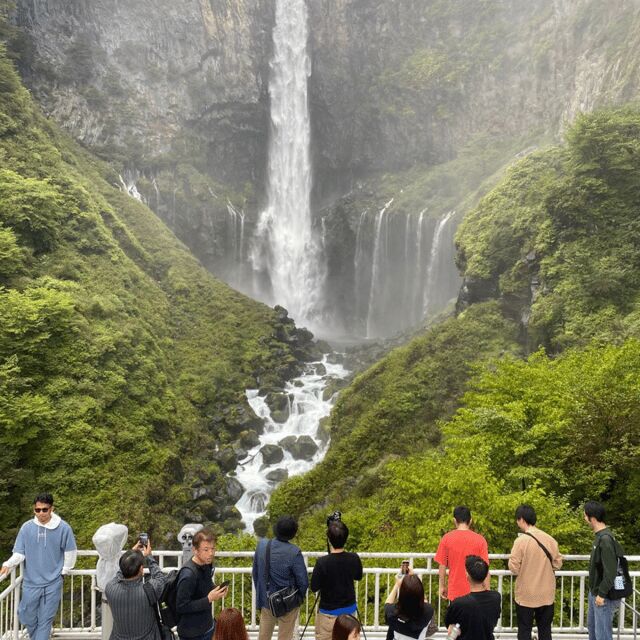
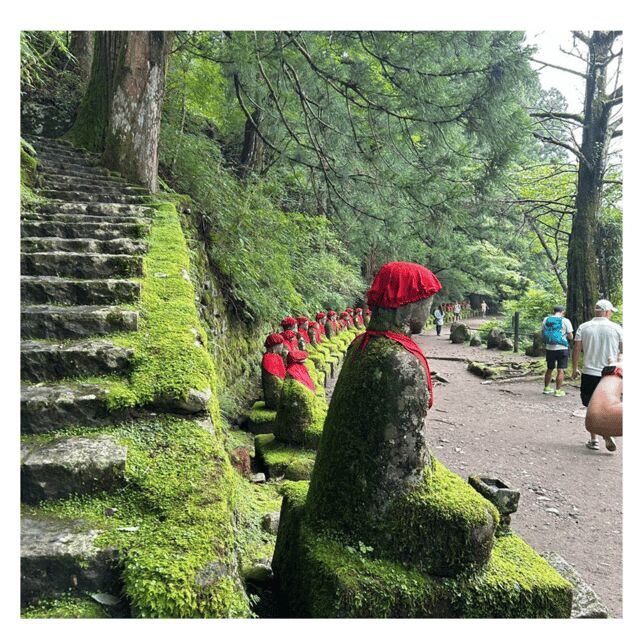
Next up is Narabi Jizo, also described as a pathway lined with over 70 Jizo statues. You’ll have about an hour for photo stops, visiting, sightseeing, and a walk here.
This part of Nikko tends to surprise people—in a good way. It’s not a grand building you can photograph in one frame. Instead, it’s a long, quiet walk with small, human-scale sculptures lining the route.
A detail that matters: these Jizō statues represent the spirits of children and travelers. That gives the walk a reflective tone, and if you listen for it, the surrounding river area adds to the calm.
If you want a small extra pause, the path also leads to Jiunji Hondo Temple, which can feel like a gentle reset before you head back into the scenery-heavy portion of the day.
Kegon Falls: the 97-meter drop you can’t fake in photos
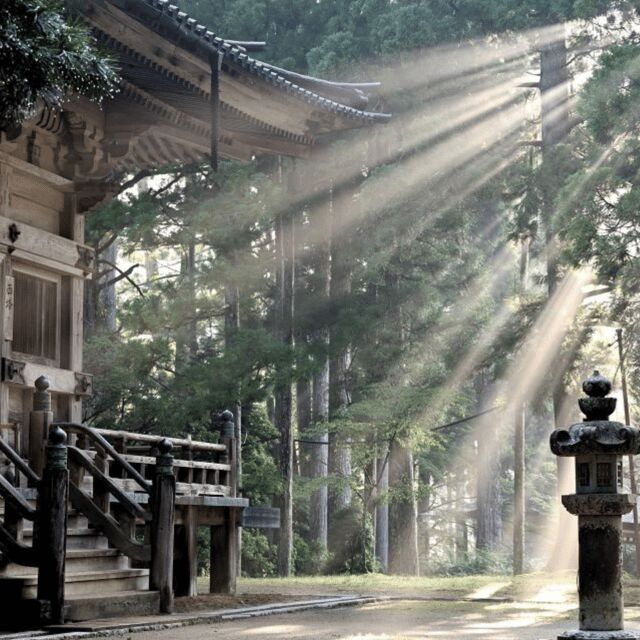
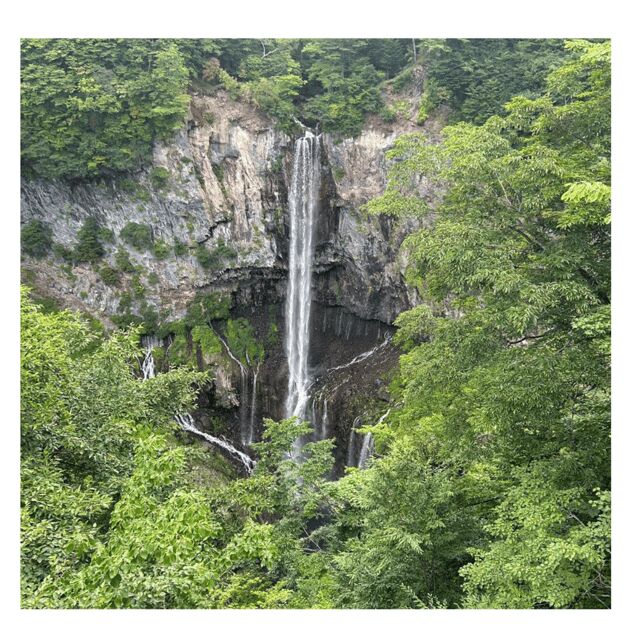
Kegon Falls is one of Japan’s most famous waterfalls, and you’ll get about an hour for photo stops, visiting, sightseeing, and walking here.
The falls plunge 97 meters into a rocky gorge. It’s reachable via a short walk from Lake Chuzenji, and the viewing platform is set up so you can see the drop clearly without needing a long hike.
Two seasons to keep in mind:
- In warmer months, you’ll get the classic dramatic waterfall view.
- In winter, the falls can freeze, creating ice formations that look almost unreal.
What I recommend here: stand still longer than you think you need. Waterfalls are one of those things where the first look is great, and then the second look is even better as you notice mist patterns and how the gorge frames the water.
If you’re sensitive to damp cold, bring a light layer even in shoulder seasons—mist can cool you fast.
Shinkyo Bridge: Nikko’s iconic wooden crossing with panoramic views
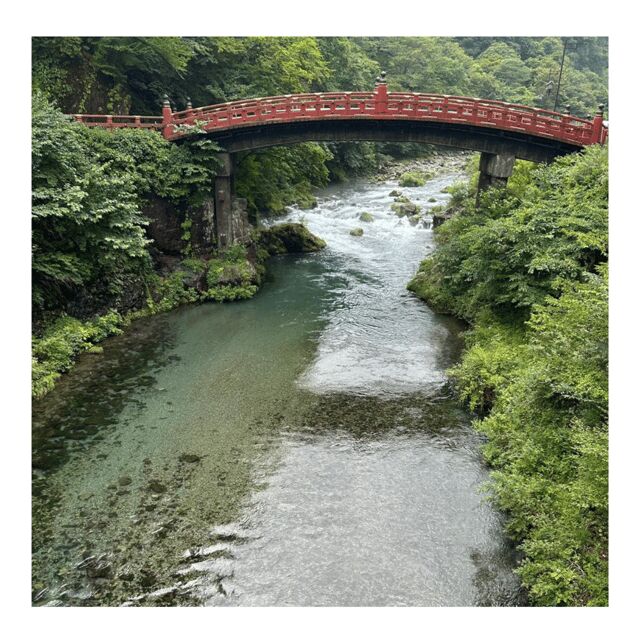
Shinkyo Bridge is the spiritual-photo stop most people picture when they imagine Nikko. You’ll have about an hour for sightseeing, a walk, and photo stops here.
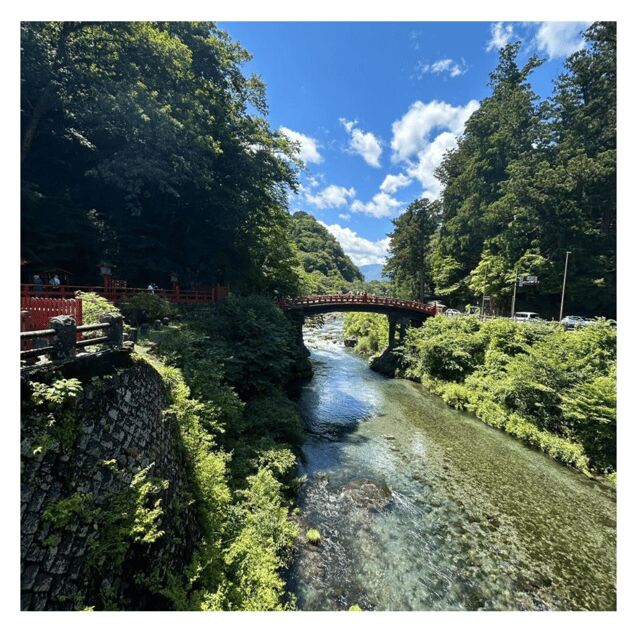
This is a wooden bridge spanning the Daiya River, and it’s recognized as one of Japan’s most beautiful bridges. It also has historical significance as a gateway to the Nikko shrines.
What makes it special is how it photographs. The bridge often looks amazing with greenery and seasonal color in the background. If autumn foliage is your goal, this is a key stop to treat seriously. For best results, plan to take shots from multiple angles and don’t rush the approach area.
Also, if you’re tempted to zoom in only, don’t. Wide shots tell the whole story: the bridge, the river setting, and the forest frame.
Edo Wonderland: a different kind of Nikko after the temples
After sacred sites and waterfall views, the day shifts into something more playful: Edo Wonderland. You’ll get about 45 minutes, including a guided tour plus a safety briefing.
This theme park recreates the Edo period atmosphere (1868) with Edo-era culture, architecture, and lifestyle elements. The tour information also notes traditional craft workshops and performances as part of the experience.
This is where you’ll feel a change in energy. If you came to Nikko mainly for history and nature, Edo Wonderland gives you a fun break without ending the day too early. It’s also a good fit if you’re traveling with kids or anyone who likes hands-on activities and short performances rather than only “look and photograph” stops.
Food, tickets, and the “full day” reality
Meals are not included, and attraction fees are not included. That means your best move is to treat lunch as part of your planning, not an afterthought.
Because the tour already packs in multiple major sights, don’t count on improvising a perfect lunch time once you’re in the middle of the day. If you’re the type who hates decision fatigue, consider eating on the simpler side where you can grab something fast and not waste time.
Timing-wise, the total tour is about 10 hours including commuting time. Travel time can stretch due to heavy traffic, and it may be rescheduled due to inclement weather or other unforeseen circumstances. That’s not a complaint—it’s reality in a mountainous area. If your trip days are strict (like you must catch a specific train), build in buffer.
Who this private Nikko tour fits best
This works best if you:
- want a private day trip with a dedicated driver and minimal stress
- care about seeing the big-name Nikko sites in one go—Toshogu, Shinkyo Bridge, Lake Chūzenji, and Kegon Falls
- travel as a small group (up to 6) and like the flexibility of a customized pace
- would enjoy mixing history and nature with a quick Edo-era theme park experience
It’s less ideal if you:
- have back problems, since the tour description says it’s not suitable for people with back problems
- need something baby-friendly under age 1, since babies under 1 year are listed as not suitable
- only want slow, long hikes (the walking times are short at each stop)
Should you book this Nikko day trip?
I’d book this if you’re staying in Tokyo and you want Nikko’s greatest hits without the headaches of trains, transfers, and timing. The value is in the way it combines luxury comfort, a private group of up to 6, and a tight route that still allows you to slow down at the places that matter most to you.
Don’t book it if you already know you only want deep hiking time, or if you’re very strict about controlling weather risk. This day depends on getting to outdoor viewpoints, and the region can change plans when weather turns.
My final advice: when you confirm your pickup and start time, tell the driver what you care about most—shrines like Toshogu, waterfall views like Kegon, or photo angles at Shinkyo. With a private setup, that’s where you get the real payoff.
FAQ
How long is the Nikko Kegon Falls and Toshogu day tour?
The tour lasts approximately 10 hours, including commuting time.
What’s the group size for this experience?
It’s a private group for up to 6 people.
Is hotel pickup included, and where does pickup happen?
Yes, hotel pickup and drop-off are included. Pickup is available from accommodations within Tokyo’s 23 wards.
Do you offer pickup from airports or ports?
No, pickup isn’t available from airports or ports.
Are meals included in the price?
No, meals are not included.
Are attraction fees included?
No, attraction fees are not included.
Is the tour wheelchair accessible?
Yes, the tour is wheelchair accessible, and wheelchairs are available upon request.
What languages are the driver-guides available in?
English, Hindi, Japanese, Urdu, Arabic, and Punjabi are available.
What should I bring for the day?
Bring comfortable shoes, a camera, and a daypack.
What happens if the weather is bad?
Tours may be rescheduled due to inclement weather or other unforeseen circumstances.