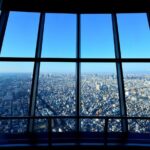
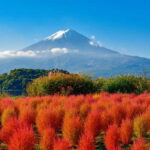
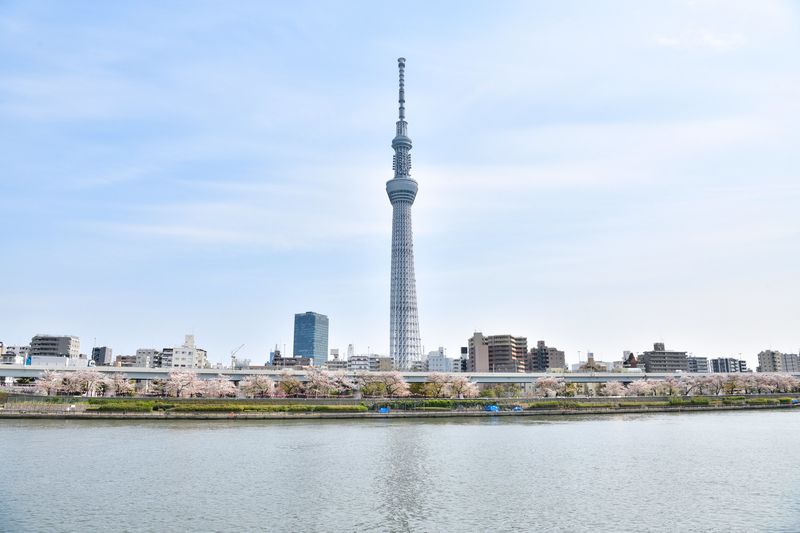
Tokyo Skytree turns Tokyo into a sea of rooftops and lights, with the city stretching to the horizon from a tower that rises 634 meters above Sumida. The main draw is the view, especially at night or on a clear day when Mount Fuji may appear in the distance.
I like the choice between the broad, three-level Tembo Deck and the higher Galleria’s winding glass corridor. I also like how simple the visit can be: book a time, show your voucher’s QR code, and head in without exchanging it for a paper ticket.
The catch is that a clear view is never guaranteed, and the tower can get crowded. If you go near sunset, expect more people competing for window space and longer waits for elevators.
In This Review
- What to know before you go
- Start with the ticket that fits your visit
- Getting to the tower and through the entrance
- The Tembo Deck: Tokyo from 350 meters
- The Tembo Galleria: a higher, slower look
- Choosing your time: clear skies, sunset, or city lights
- Chiikawa, seasonal displays, and Tokyo Skytree Town
- Is the ticket good value?
- Who will enjoy Tokyo Skytree most?
- FAQ
- How long does a Tokyo Skytree visit take?
- What is the difference between the Tembo Deck and Tembo Galleria?
- How do I get to Tokyo Skytree?
- Can I re-enter the tower after leaving?
- Are children admitted free?
- Does Tokyo Skytree allow pets?
What to know before you go
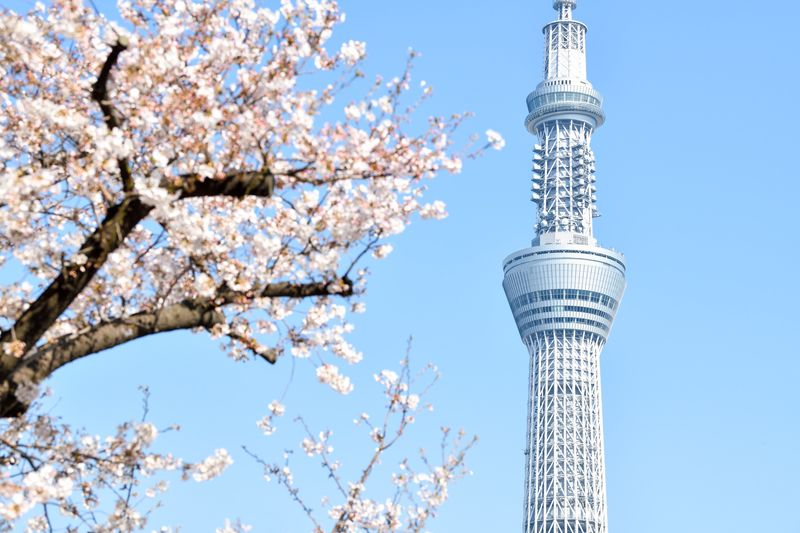
- The Tembo Deck is 350 meters up: Three levels offer 360-degree views, plus a shop, a restaurant, and a glass-panel view looking down.
- The Galleria reaches 450 meters: Its sloping glass corridor gives you a higher, more gradual walk through the view. It is a ticket upgrade, so check your package.
- Night views are a major draw: Tokyo’s lights are a highlight, but the popular sunset-to-evening window can bring crowds.
- Weather makes the call: Clouds, rain, or haze can obscure the skyline and Mount Fuji. Check the forecast before choosing your time.
- Tokyo Skytree Town adds a second outing: Shops, restaurants, Sumida Aquarium, and other attractions make it easy to spend longer in the area.
- Seasonal events change the feel: The Chiikawa collaboration has themed displays, photo spots, food, merchandise, and scheduled illuminations during its event dates.
Start with the ticket that fits your visit
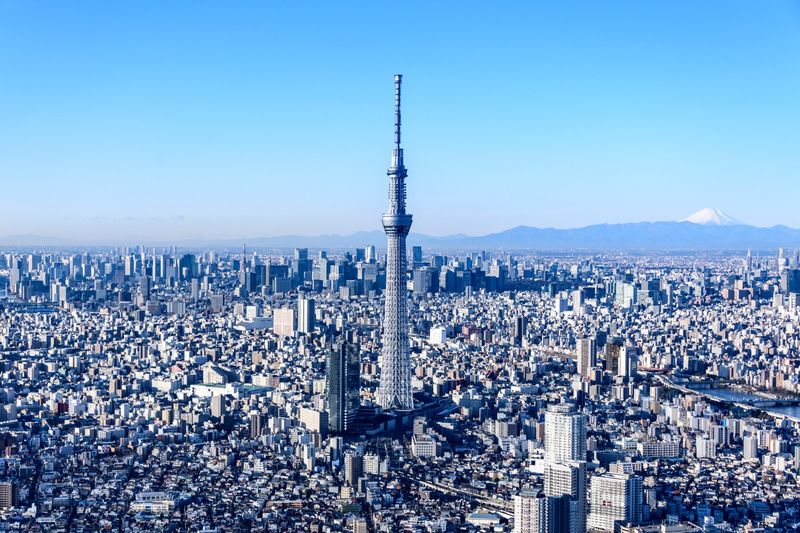
Tokyo Skytree tickets start at $13.89, but the price depends on the package. A Tembo Deck ticket gets you to the 350-meter observation area. The Tembo Deck and Galleria option adds access to the 450-meter corridor, while other packages combine admission with things such as a subway ticket, Sumida Aquarium, a planetarium, or a sightseeing bus.
I would decide first whether the higher deck matters to you, then compare the price of the matching ticket. The Galleria gives you another angle and a more unusual walk, but the Tembo Deck already has extensive views across Tokyo. If you are watching your budget or do not love heights, the lower deck may be enough.
There are also morning and evening packages that include a drink and snack or an alcoholic drink, plus lunch and dinner options at Sky Restaurant 634. Those are worth checking if you want the tower to be more than a quick observation stop. Just confirm exactly what your selected ticket includes: package names are similar, but the extras vary.
A few more Tokyo tours and experiences worth a look
Getting to the tower and through the entrance
The address is 1 Chome-1-2 Oshiage, Sumida City. Tokyo Skytree Station on the Tobu Skytree Line and Oshiage Station, served by the Keisei Line, Tokyo Metro Hanzomon Line, and Toei Asakusa Line, are each about a one-minute walk away. That makes the tower easy to reach by rail without building your day around a long walk.
With an online voucher, you can enter by showing the QR code on your phone. Keep it available before you reach the entrance, and make sure your phone has a reliable internet connection. Advance booking can help secure your preferred time, especially when on-site tickets are sold out, but it does not mean the tower itself will be quiet.
Allow a little extra time for the baggage check and metal detector. Your ticket is valid only for the selected date and, when applicable, time. It is for one-time entry, so plan to see both decks before heading back down.
The Tembo Deck: Tokyo from 350 meters
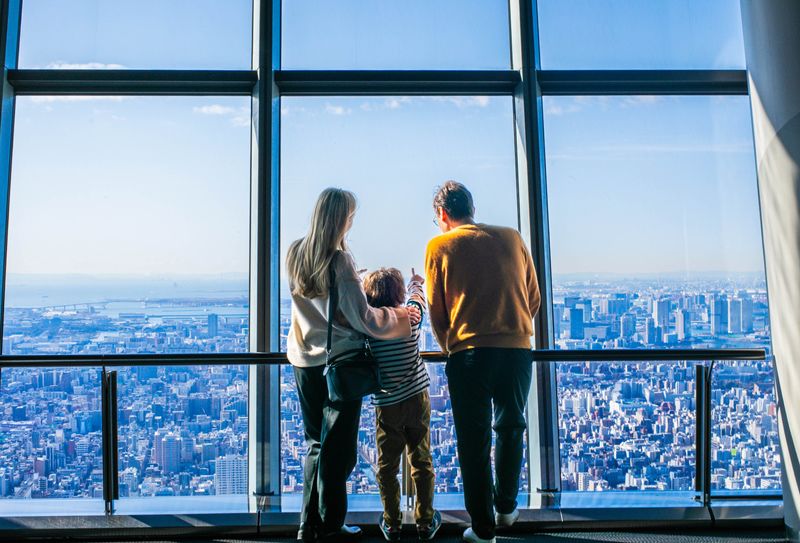
The Tembo Deck is the main event for many people, and it is easy to see why. Its three levels offer views in every direction, giving you a sense of Tokyo’s immense size: dense city blocks spread out toward the Kanto region, with landmarks and waterways appearing as the light and weather allow.
The view changes with the conditions. On a clear day, you may spot Mount Fuji, Tokyo Bay, and Tokyo Tower. After dark, the grid of lights becomes the attraction in its own right. If you have only one visit to spare, I would choose a day with a good forecast rather than chasing a particular hour.
The deck has a French-Japanese restaurant and a souvenir shop, and glass panels on the ground floor provide a downward view. That last feature is a thrill for some and a firm no for others. If heights make you uneasy, you can keep to the regular viewing areas and skip the glass.
One practical wrinkle: the best window spots can be crowded, and displays or merchandise near the glass may take up some viewing space. You may have to wait for a clear spot rather than strolling straight to the perfect photo angle. Staff can help with photos, and free photo assistance has been a welcome touch for visitors who do not want to ask a stranger to take a picture.
The Tembo Galleria: a higher, slower look
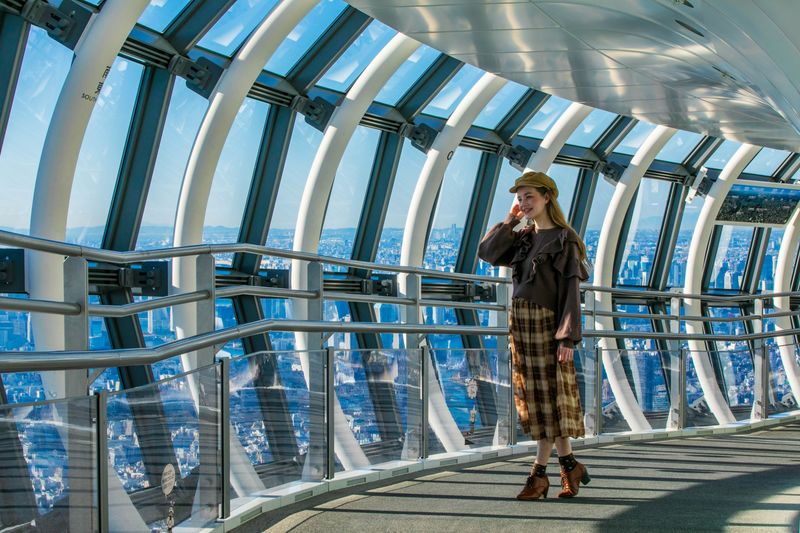
If your ticket includes it, another elevator takes you from the Tembo Deck to the Tembo Galleria at 450 meters. The Galleria is a spiraling glass corridor, so you walk gradually upward instead of stepping into a single viewing room. That route makes the visit feel more like a journey through the skyline.
The extra height changes the perspective, though not every visitor will find the difference worth paying for. If you enjoy heights, architecture, or the sensation of looking out over the city from a glass passage, it is a natural upgrade. If you are mainly there for a wide view and a few photos, the 350-meter deck may satisfy you.
There is no set time limit for staying on the decks, but staff may manage visitor flow during busy periods. Crowding is the main trade-off here: on packed days, people bunch near the glass and elevator queues can eat into your time. The higher level is not an escape from crowds.
Choosing your time: clear skies, sunset, or city lights
For views, weather matters more than the ticket package. Bad weather can leave you looking into cloud or haze, with little to see below. If Mount Fuji is important to you, keep expectations flexible and check conditions close to your visit.
Sunset offers a dramatic change from daylight to city lights, but it is also a popular time to arrive. You may wait for elevators or a good place by the windows. For a calmer visit, try earlier in the day or choose a later time if your hotel is nearby and you can be flexible.
Night is worth considering even if you have already seen Tokyo by day. The city’s illuminated streets and buildings create a very different view, and this is one of the tower’s strongest draws. Just weigh that payoff against the extra crowd pressure. If you prefer space to linger, a less popular time may serve you better than chasing the exact sunset moment.
A visit usually takes one to two hours, though that can stretch if you eat, shop, or arrive during a queue. I would avoid scheduling a tight appointment immediately afterward. A slow elevator line or a busy viewing floor can turn a quick stop into a longer one.


Chiikawa, seasonal displays, and Tokyo Skytree Town
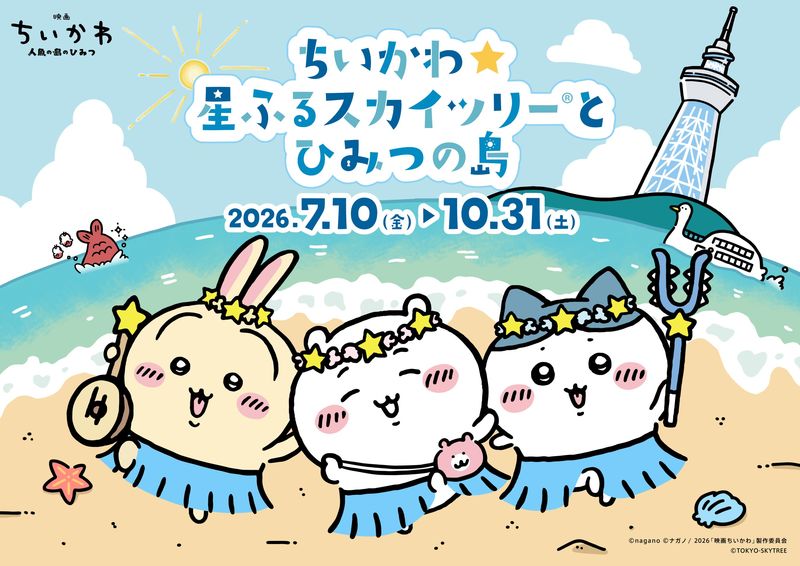
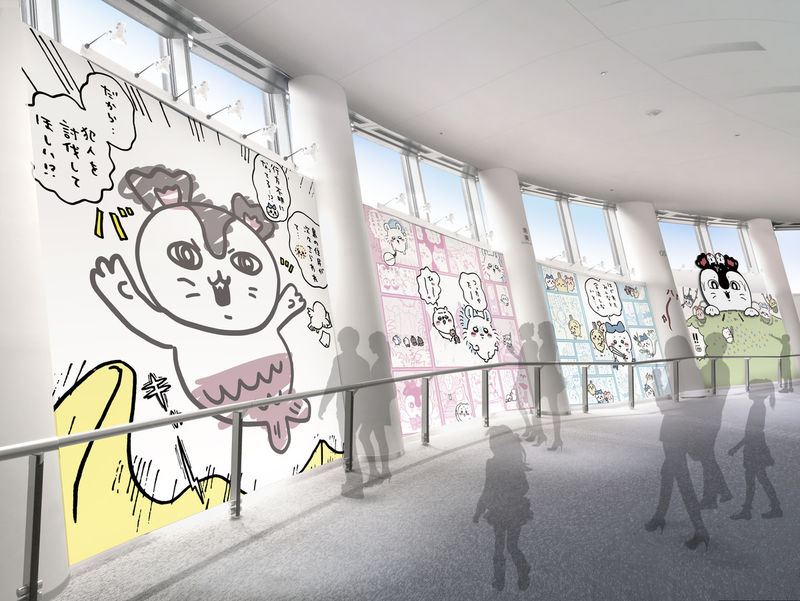
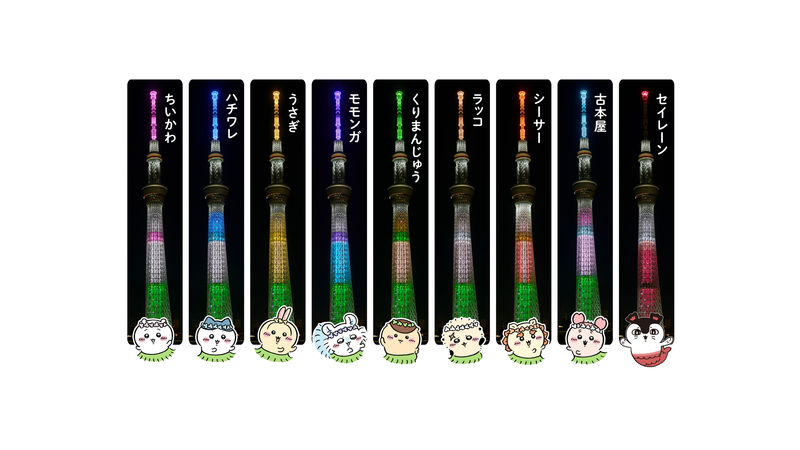
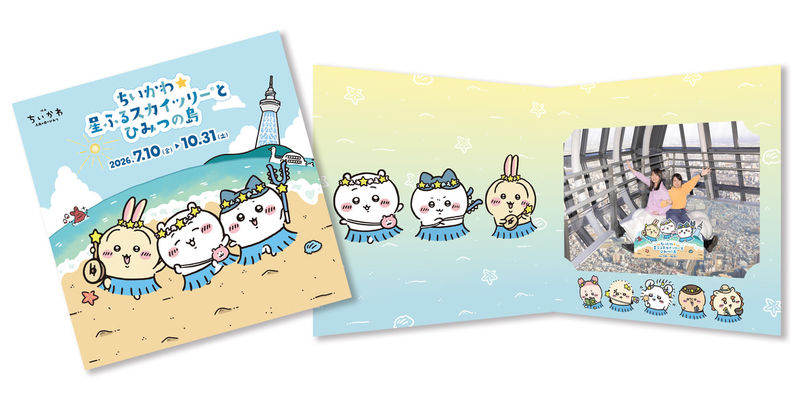
During the listed Chiikawa Starry SKYTREE event dates, July 10 through October 31, the tower adds character displays, themed photo spots, decorations, limited-time drinks and desserts, and event-only merchandise. Special illuminations are scheduled on selected evenings, so check the event page for the current calendar before making plans. Dates and programming can change, and the event will not necessarily be running when you visit.
This collaboration gives the tower a different mood from a straightforward city-view stop. If you are a Chiikawa fan, the themed settings and merchandise may be a reason to go. If you are there chiefly for the skyline, the displays may feel like clutter around the windows, particularly when the deck is busy. The event is an extra, not a substitute for good viewing weather.
After the decks, Tokyo Skytree Town is a useful place to eat, shop, or fill out the afternoon. The complex has around 300 shops and restaurants, including Skytree-themed souvenirs and traditional Japanese goods. Sumida Aquarium is another nearby option, along with attractions such as the Postal Museum and Planetarium TENKU.
You could spend several hours here without needing to cross town. That is a real plus for families or anyone who wants a flexible day, though the sheer number of shops can turn a short tower visit into an unplanned shopping stop. If your main aim is the view, decide in advance how much time you want to leave for the complex below.
Is the ticket good value?
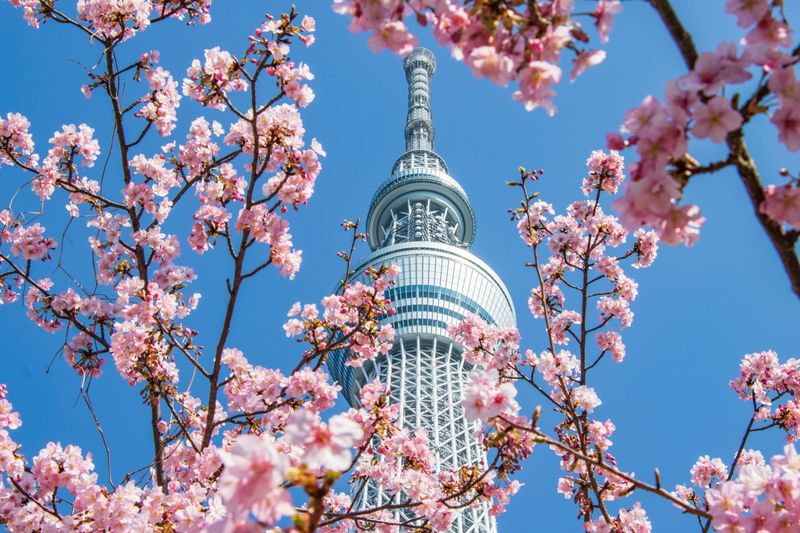
At a starting price of $13.89, the Tembo Deck ticket can be good value if the skies cooperate and you take time to enjoy the view. The higher Galleria option costs more, but adds a distinctive glass corridor and a second vantage point. Check the exact price for your date and package, since the listed starting price does not apply to every combination.
Value depends on what you want from a city tower. For a sweeping view of Tokyo, the Skytree delivers scale that is hard to grasp from street level. For a quiet, unhurried visit, peak periods may disappoint. You are paying for access to the height, not a guarantee of clear weather or an empty window.
Combo tickets can make sense if you already plan to visit the linked attraction or use the included transport. But read the details before buying. One subway-ticket package, for example, does not cover private railways, and finding the right ticket machines can take extra effort. If you only need tower entry, a straightforward admission ticket may be the simpler choice.
Who will enjoy Tokyo Skytree most?
I would recommend the tower to first-time visitors who want to understand Tokyo’s size, families looking for a shared landmark outing, and anyone keen on night photography or city views. The lift ride is smooth, staff are helpful, and the surrounding shops and restaurants give you options before or after your visit.
It is less appealing if you dislike heights, crowds, or paying for a view that weather may hide. People with heart conditions are not recommended to take part, and anyone with another health condition that could be affected should consult a doctor before visiting. Pets are not allowed inside.
Book Tokyo Skytree if the forecast looks promising and you are happy to share the view with a crowd. Choose the Galleria if the glass corridor and extra height are part of the appeal; otherwise, the Tembo Deck is a sensible, lower-cost choice. If the sky is poor or your schedule is tight, keep the plan flexible and consider saving the visit for a clearer day.
FAQ
How long does a Tokyo Skytree visit take?
Plan on about one to two hours for the observation decks. You may want more time if you plan to eat, shop, or visit other attractions in Tokyo Skytree Town.
What is the difference between the Tembo Deck and Tembo Galleria?
The Tembo Deck is at 350 meters and has three levels with 360-degree views. The Galleria is at 450 meters and has a spiraling glass corridor. Access to the Galleria depends on the ticket you choose.
How do I get to Tokyo Skytree?
It is about a one-minute walk from Tokyo Skytree Station on the Tobu Skytree Line and Oshiage Station, served by the Keisei Line, Tokyo Metro Hanzomon Line, and Toei Asakusa Line.
Can I re-enter the tower after leaving?
No. The ticket allows one-time entry, so plan to visit both observation decks before leaving.
Are children admitted free?
Children aged 0 to 5 enter free. Children aged 6 who have not started elementary school also enter free. Children aged 12 who are still in elementary school qualify for a child ticket, while those aged 15 and older are charged the adult rate. A 15-year-old still in junior high school qualifies for a youth ticket.
Does Tokyo Skytree allow pets?
No. Pets are not allowed inside the attraction, and there is no pet care available on-site.