REVIEW · TOKYO
Private Kamakura plus Yokohama Tour – English Speaking Driver
Book on Viator →Operated by Sluzeb Tours · Bookable on Viator
Temple bells and harbor lights in one long day. This private Kamakura plus Yokohama tour strings together old-school Japan and the modern waterfront, with an English-speaking driver, comfort, and easy hotel transfers. It’s a full-day plan built for people who want the sights without the hassle of changing trains.
I especially like the way this tour protects your time. You get a comfortable private vehicle for the commute and the in-between moves, which matters a lot on a 10-hour schedule. You’ll also get a focused mix: bamboo and big Buddha energy in Kamakura, then Yokohama’s Chinatown and Sankeien Garden, with Minatomirai added if timing allows.
One consideration: several stops require separate admission tickets, so your budget should include entrances you’ll pay on-site. Also, this is not a guided tour by default—you’ll have a driver, and if you want deeper commentary, a guide can be arranged for an extra cost.
In This Review
- Key highlights that make this day trip work
- Why a private English-speaking driver matters on this Tokyo-to-Kamakura run
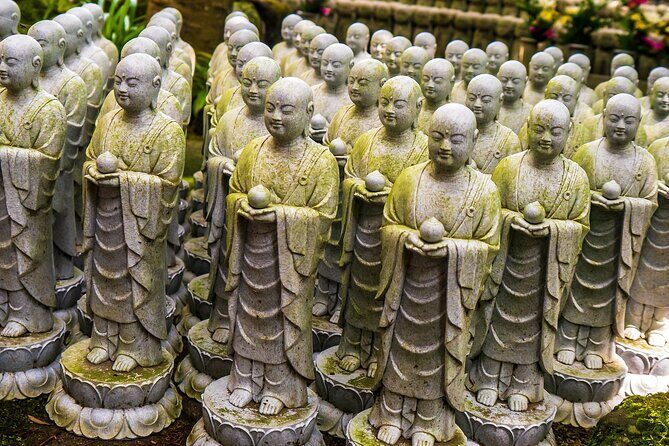
- Kamakura morning: Bamboo Temple, Hase-dera’s Kannon, and the Great Buddha
- Hokoku-ji (Bamboo Temple): quiet photos, real atmosphere
- Hase-dera: a massive wooden Kannon
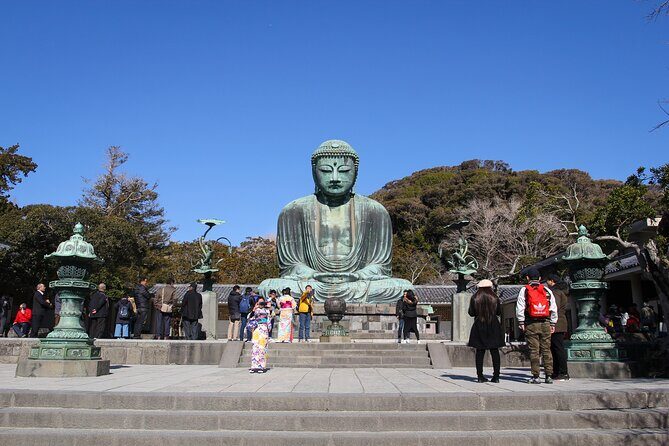
- Kotoku-in: the Great Buddha of Kamakura
- Tsurugaoka Hachimangu and Komachidori: shrine ponds and shop-street time
- Tsurugaoka Hachimangu Shrine: two clans told through water and space
- Komachidori: where you slow down on purpose
- Yokohama afternoon: Chinatown, Sankeien Garden, and the Minatomirai skyline
- Yokohama Chinatown: 160 years of street food energy
- Sankeien Gardens: traditional design by a silk trader
- Minatomirai: futuristic waterfront if timing works
- What the 10-hour schedule feels like in real life
- Price and value: $650 per group up to 5
- Comfort details that matter more than they sound
- You’ll want to be ready for ticket add-ons
- You’ll start at 8:00am
- Mobile ticket and pickup help reduce friction
- If you crave deeper explanations, consider adding a guide
- Should you book this Kamakura plus Yokohama private tour?
- FAQ
- How many people can join this private tour?
- What time does the tour start, and how long is it?
- Is hotel pickup included?
- Are entrance tickets included for the temples and gardens?
- Is this tour guided?
- Do I get a ticket on my phone?
- What happens if the weather is poor?
- Can I get a full refund if I cancel?
Key highlights that make this day trip work
- Door-to-door transfers from Tokyo so you don’t burn time wrestling train connections
- English-speaking driver who can keep the day moving and answer questions
- Kamakura’s top hits in a logical order: Bamboo Temple, Hase-dera Kannon, and Kotoku-in’s Great Buddha
- Shrine culture plus snack-street time at Tsurugaoka Hachimangu and Komachidori
- Yokohama variety: Chinatown (free), Sankeien Garden (ticketed), and Minatomirai if you have time
- Private group up to 5 means you can actually tailor pacing without feeling rushed
Why a private English-speaking driver matters on this Tokyo-to-Kamakura run
Kamakura and Yokohama are both worth a day, but getting between them on public transport takes energy. With this tour, you’re not planning transfers, timing platforms, or mentally tracking lines while you’re trying to enjoy temples and sea views.
The driver is there for the practical stuff that can make or break a long day. In particular, private transportation helps when roads and parking in the Kamakura area demand calm, skilled driving. It’s also the reason the schedule can include a lot of stops without turning the trip into a sprint.
This experience also leans into conversation. Drivers can field questions in English, help you understand what you’re looking at, and keep the day flowing. That’s a big deal if you’re traveling with kids, older relatives, or anyone who doesn’t want to navigate step-by-step directions all day.
Just know the tradeoff: this is not automatically a guided tour. You’re getting a driver service, not a full-on licensed guide experience. The company can arrange a guide on request for an additional fee, which you’d want if you prefer deep historical storytelling at each stop.
You can also read our reviews of more private tours in Tokyo


Kamakura morning: Bamboo Temple, Hase-dera’s Kannon, and the Great Buddha
Your day starts at 8:00am, and the Kamakura portion is built around several iconic religious sights. The total time in Kamakura is front-loaded, which is helpful because early hours usually feel calmer and more comfortable.
Hokoku-ji (Bamboo Temple): quiet photos, real atmosphere
Hōkoku-ji is known as the Bamboo Temple. Expect a slower, greener mood than you’ll find on busy shopping streets later. The bamboo garden is the headline feature, and it’s exactly the kind of place where you’ll enjoy wandering a little rather than rushing.
Planned time here is about 1 hour. That’s usually enough to take in the garden, pause for photos, and step away from the more intense parts of the itinerary.
Admission is not included, so keep an eye on tickets when you arrive.
Hase-dera: a massive wooden Kannon
Hase-dera (often called Hase-kannon) is famous for a large wooden statue of Kannon. This stop is shorter than Hokoku-ji—about 45 minutes—but it’s the kind of time that can feel satisfying because the main visual draw is so strong.
If you like temple art and sacred objects, this is the point in the day where you’ll feel you’ve hit the big spiritual highlights. If you don’t, it can still be worth it just for the scale and presence of the statue.
Admission is also not included here.
Kotoku-in: the Great Buddha of Kamakura
Then comes Kotoku-in, home to the Great Buddha of Kamakura. This stop is timed at about 30 minutes. That might sound short, but it works because the Buddha is the reason you came—once you’ve seen it, you’re done with the main moment.
This is also a good break between the more “indoor-feeling” temple stops and the outside foot-traffic areas. It gives you a clear, memorable landmark before you transition into the shrine and shopping district.
Again, admission is not included.
A few more Tokyo tours and experiences worth a look

Tsurugaoka Hachimangu and Komachidori: shrine ponds and shop-street time
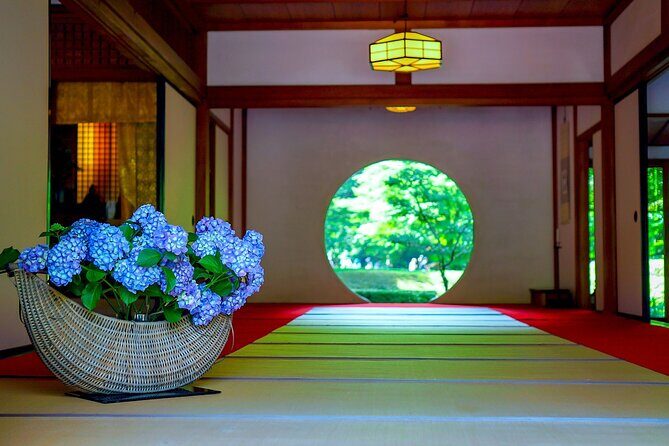
After the temple trio, the itinerary shifts into a more civic, festival-linked side of Kamakura with Tsurugaoka Hachimangu.
Tsurugaoka Hachimangu Shrine: two clans told through water and space
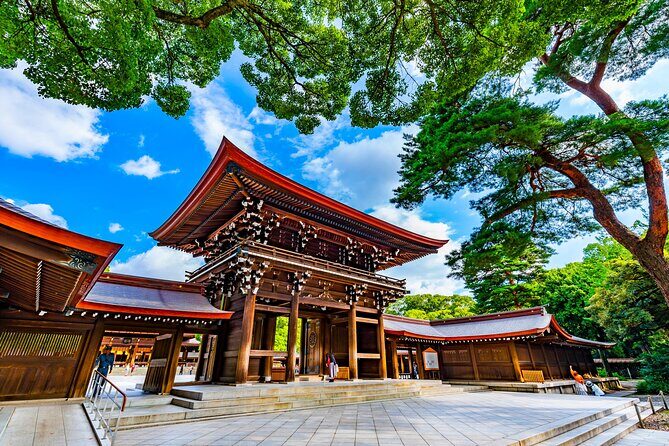
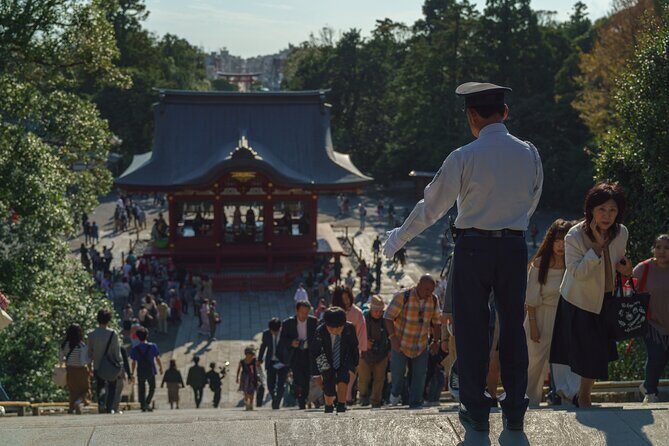
You’ll spend about 1 hour at Tsurugaoka Hachimangu, a central shrine in Kamakura. The site is important not just for worship, but because it serves as a cultural center and a venue for major festivals.
Two ponds represent the Taira and Minamoto clans, which adds a historical layer to what could otherwise be just a scenic shrine stop. If you like noticing symbolism in plain sight, you’ll enjoy this.
Admission is not included.
Komachidori: where you slow down on purpose
Next is Kamakura Komachidori, a busy pedestrian street lined with apparel, souvenirs, and lots of snacks. You’ll get about 1 hour 30 minutes here, and that time block is genuinely useful.
This is where you can:
- grab a treat without rushing,
- browse small shops for gifts,
- and reset your feet after temple stairs and walking.
It’s also free to enter, so there’s less pressure about what you’re paying for before you even decide what to buy.
Yokohama afternoon: Chinatown, Sankeien Garden, and the Minatomirai skyline
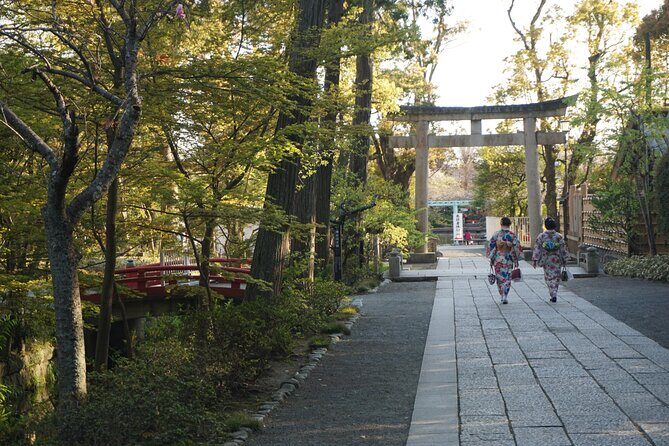
Once you leave Kamakura, the tone changes. Yokohama gives you a different kind of atmosphere—food, garden calm, then a waterfront view if time allows.
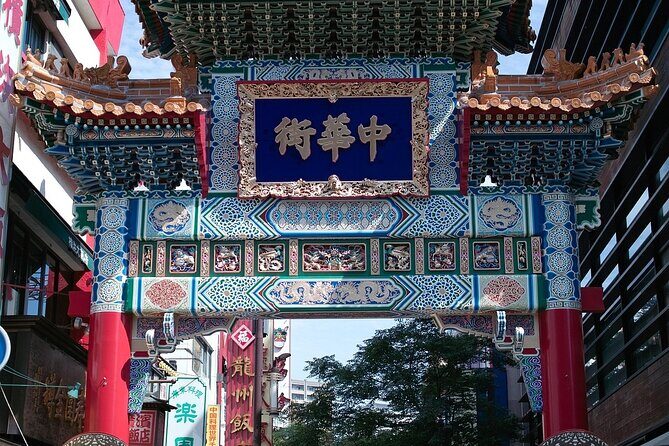
Yokohama Chinatown: 160 years of street food energy
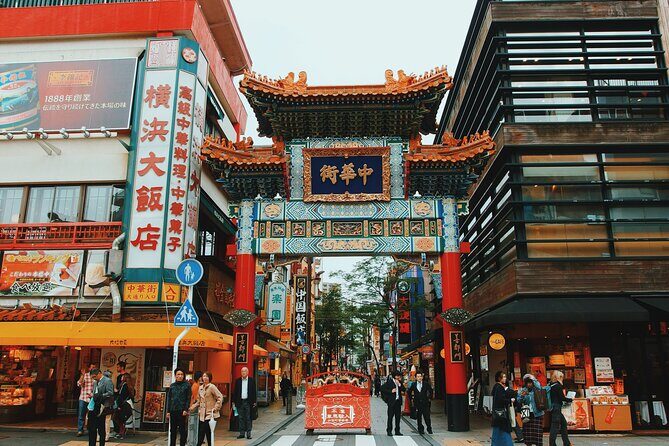
You’ll spend about 1 hour in Yokohama Chinatown. It’s described as roughly 160 years old, and today it has a population around 3,000 to 4,000. The note that only a few Chinese people still live there now—and that many are from Guangzhou—adds a practical context: Chinatown is less “residential neighborhood” and more “cultural zone and food destination.”
Chinatown is free, which is nice because you can focus on eating and wandering without ticket anxiety.
If you’re traveling with picky eaters, this is one of the better places to adapt on the spot. You can choose small bites or one sit-down meal depending on hunger and energy.
Sankeien Gardens: traditional design by a silk trader
Sankeien Gardens is a traditional Japanese-style garden that opened in 1906. It was designed and built by Tomitaro Hara, who used the pseudonym Sankei Hara, and he worked in silk trading. That detail matters because it helps explain why this garden feels like more than a public park—there’s a personal, historical vision behind the layout.
Plan for about 1 hour here. Garden time is different from temple time. Instead of checking “the main thing,” you’ll get to slow down and enjoy views, paths, and seasonal cues.
Admission is not included.
Minatomirai: futuristic waterfront if timing works
Minatomirai is added only if time permits, with a planned 30 minutes. This is the modern counterpart: a waterfront with high-rise skyline energy, stylish boutiques, and the Landmark Tower and Plaza area. It also includes a high observation deck concept, though your actual access depends on what you choose to do on the ground.
Minatomirai is free, so it’s a low-stress add-on. It’s a good way to end the day with views that feel very different from Kamakura’s temple rhythm.
What the 10-hour schedule feels like in real life
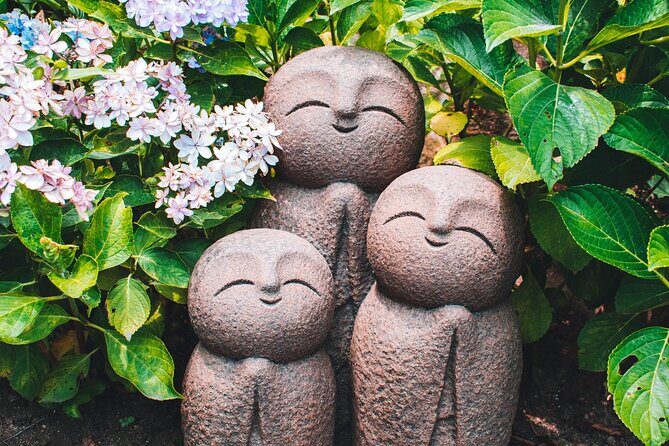
The tour is listed as about 10 hours including commuting. That means your experience isn’t just “time in sights.” It’s time for moving between areas, finding meeting points, and keeping the day comfortable.
Here’s the pattern you should expect:
- Kamakura morning is heavier on major landmarks (temples and shrine), with about 1–1.5 hours at the bigger stops.
- Midday through afternoon shifts toward food and wandering (Chinatown and Komachidori).
- Garden and skyline work as visual variety so you don’t finish the day feeling like you only saw one type of scenery.
If you’re the type who likes to take photos slowly and read a few signs, the itinerary time blocks feel realistic. If you’re the type who wants long museum-style exploration everywhere, this may feel a bit packed—especially on the ticketed stops where you might spend extra time before and after purchasing or entering.
Price and value: $650 per group up to 5
At $650 per group (up to 5), this is priced like a true private day rather than a budget group tour. Whether it feels like good value depends on how you travel.
This price tends to make sense when:
- you’re traveling with 3–5 people and want private comfort instead of splitting up or negotiating train schedules,
- you don’t want to spend your limited vacation time on route planning,
- and you value an English-speaking driver who can keep the day smooth.
It’s less of a bargain if you’re traveling solo or as a couple, because you’re paying for the whole private vehicle regardless. For two people, it can still be worth it if you hate logistics and prefer a door-to-door day with minimal friction.
One more practical angle: entrances are not included for several stops, so your total day cost will include tickets. Still, the tradeoff is that you can decide what matters most to you—especially in the free segments like Komachidori and Chinatown.
Comfort details that matter more than they sound
A few “small” points in this kind of private day trip can steer your satisfaction.
You’ll want to be ready for ticket add-ons
Several highlights are explicitly marked as admission ticket not included: Hokoku-ji, Hase-dera, Kotoku-in, and Tsurugaoka Hachimangu. Sankeien Gardens is also ticketed. The shopping and food streets (Komachidori and Chinatown) are free.
This means you should budget for entrances and be ready to purchase on-site.
You’ll start at 8:00am
An 8:00am start is early enough that you’ll want a smooth morning routine. If you’re on jet lag time, this tour still works, but plan on keeping your energy up for a long day.
Mobile ticket and pickup help reduce friction
The experience includes pickup offered and a mobile ticket. That typically translates into less time spent figuring out where to meet and what to show. It’s the kind of detail that helps when you’re hopping between busy urban areas.
If you crave deeper explanations, consider adding a guide
Because this is not automatically a guided tour, you may want a guide add-on if history-heavy narration is your thing. The itinerary includes sites with cultural context—Zen temple traditions, Kannon worship, clan symbolism at the shrine, garden design by a silk trader—so a guide can make the stops click faster.
Should you book this Kamakura plus Yokohama private tour?
Book it if you want a comfortable, low-stress day that hits Kamakura’s biggest icons and then gives you Yokohama’s food-and-garden-and-waterfront mix. This is especially a good fit if you’re traveling with kids, anyone who dislikes public transit, or a group of up to five who wants flexibility without splitting up.
Skip it or consider an add-on guide if you need long-form storytelling at each stop. The schedule is built to cover many highlights, not to linger for deep museum-style study. And if you’re on a tight budget, the private vehicle price plus separate entrance fees will add up.
If your goal is one memorable day that feels organized from the moment you leave Tokyo to the moment you’re back, this tour is a strong bet.
FAQ
How many people can join this private tour?
The tour is priced per group and is designed for up to 5 people. A group larger than 5 can be facilitated for an additional cost.
What time does the tour start, and how long is it?
It starts at 8:00am and runs for about 10 hours, including commuting time.
Is hotel pickup included?
Yes. Pickup is offered, and the tour includes handy transfers from your Tokyo hotel or other location.
Are entrance tickets included for the temples and gardens?
No. Several stops are marked as admission tickets not included, including Hokoku-ji, Hase-dera, Kotoku-in, Tsurugaoka Hachimangu, and Sankeien Gardens. Komachidori and Yokohama Chinatown are free.
Is this tour guided?
It’s not automatically guided. An English-speaking driver is provided, and a guide can be arranged on request for an additional cost.
Do I get a ticket on my phone?
Yes. The experience includes a mobile ticket.
What happens if the weather is poor?
The experience requires good weather. If it’s canceled due to poor weather, you’ll be offered a different date or a full refund.
Can I get a full refund if I cancel?
Yes. You can cancel up to 24 hours in advance for a full refund, with refunds not available for cancellations made less than 24 hours before the start time.