REVIEW · TOKYO
Tokyo: Tea Ceremony Experience
Book on GetYourGuide →Operated by 日本文化体験 庵an東京 AN TOKYO · Bookable on GetYourGuide
Matcha time in Tokyo, done simply. This 30-minute OTE-MAE tea ceremony is a practical way to experience matcha culture without taking over your whole day, and you’ll get both single-origin Matcha and traditional ohigashi sweets. The only real catch is the pace: explanations are quick, so if you’re hoping for a long, deep dive into tea history, this may feel a bit short.
I like how the experience is built for real sightseeing days. You get a brief lecture, a grinding demo, and then your turn to make and drink matcha in a calm break from the city, led by a Japanese instructor with English translation support available as much as possible.
In This Review
- Key things to know before you go
- A 30-Minute Matcha Reset in Tokyo’s Middle of Everything
- What You’ll Do: The OTE-MAE Tea Ceremony Experience
- Your Cup’s Ingredients: Single-Origin Matcha and Ohigashi
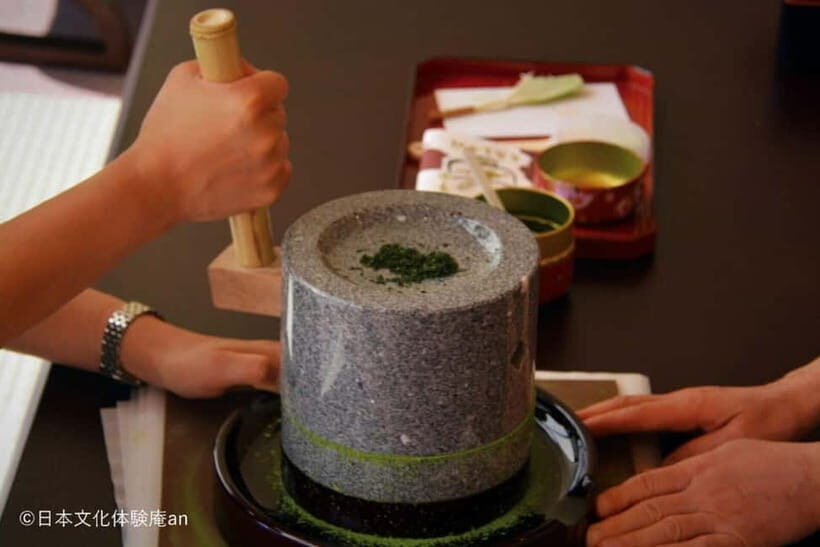
- The Grinding Demo: Where Matcha Magic Feels Real
- Tea Steps You’ll Participate In (and Why It Feels Relaxing)
- Timeline That Works With a Tight Tokyo Day
- Price and Value: Why $7 for Matcha Can Make Sense
- How Friendly Instruction Makes or Breaks Short Sessions
- Where to Meet and How to Find the Place Fast
- Who This Experience Fits Best (and Who Might Want More)
- Extra Options: Completion Certificate (Optional)
- Should You Book AN Tokyo’s Tea Ceremony?
- FAQ
- How long is the Tokyo tea ceremony experience?
- What is included in the experience?
- Do I need to speak Japanese?
- Where is the meeting point?
- Is there a certificate option?
- When can I book and what are the operating hours?
Key things to know before you go
- Hands-on OTE-MAE style: You’ll actually do the process, not just watch.
- Single-origin special matcha: Not generic powder, and it’s part of the point of the class.
- Ohigashi included: The sweets aren’t an afterthought; they’re paired with your matcha.
- Fast, focused instruction: You’ll learn the essentials for making a proper cup.
- Photos are built in: There’s picture time during the session.
- Good value for 30 minutes: For the price, you get a real experience, not a quick sales pitch.
A 30-Minute Matcha Reset in Tokyo’s Middle of Everything
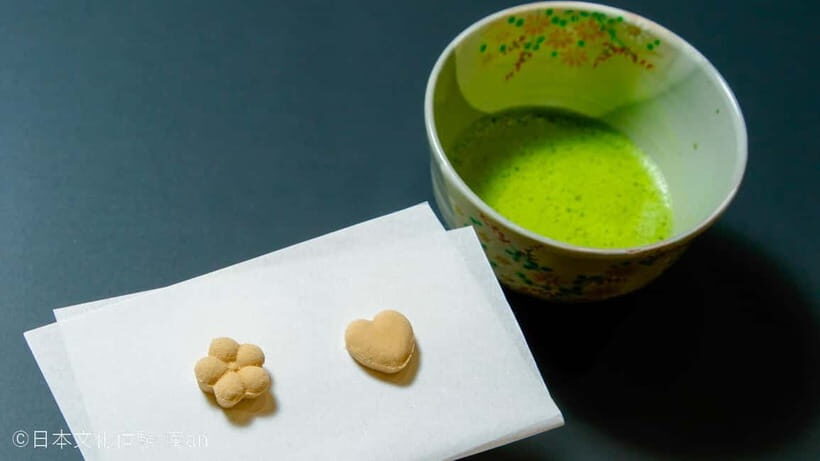
Tokyo is fast. Even the fun parts can feel like an endless line of stops. This tea ceremony experience is designed as a reset button. In about half an hour, you learn what matters, you make matcha, and you sit down to enjoy it with Japanese sweets called ohigashi.
What makes this setup especially appealing for most visitors is that it’s not precious. You’re not expected to already know tea rules, and the experience is framed for anyone joining—solo or in a small group. You’ll get a short explanation first, then you’ll see how the tea is prepared, and then you’ll do it yourself.
One more practical plus: it’s a straightforward “fit it between sights” activity. If your Tokyo day includes temples, shopping streets, and train transfers, you’ll probably appreciate having a calm, seated moment scheduled into your route.
You can also read our reviews of more tours and experiences in Tokyo.



What You’ll Do: The OTE-MAE Tea Ceremony Experience
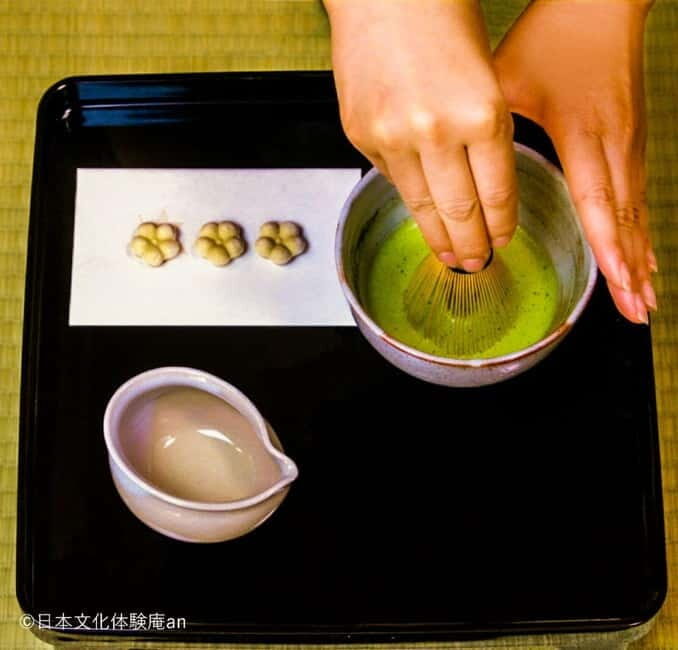
The class is based on OTE-MAE, which is a classic way of presenting tea and conducting the steps in a structured, teachable format. In plain terms, you’ll follow the flow from preparation to serving, with guidance along the way.
Here’s the practical rhythm you can expect:
- You start with a short introduction to tea and what you’re about to do.
- Then you watch a matcha grinding demonstration.
- Next comes the tea-ceremony experience itself, where you participate.
- There’s picture time during the session.
- Finally, you get your eating and drinking time with your sweets and matcha, then you head out.
Because the entire experience is about 30 minutes, the instructor focuses on the essentials. That’s a benefit for many people: you’ll leave with the main idea of how matcha preparation works and what you’re supposed to pay attention to. The trade-off is that you won’t get hours of ceremony detail.
Your Cup’s Ingredients: Single-Origin Matcha and Ohigashi
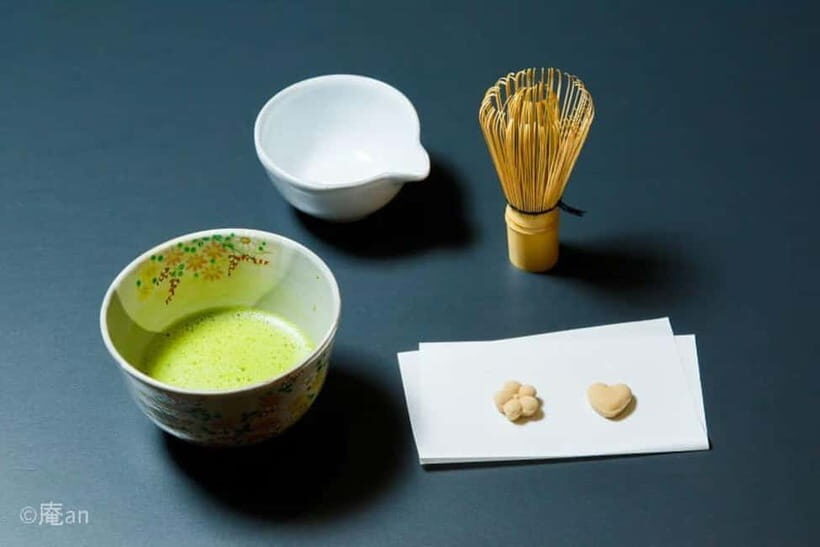
This experience leans into quality where it counts. You’ll be using single-origin special matcha. That matters because matcha taste isn’t just about “green powder.” Different sources can bring different character—bitterness, sweetness, aroma—so using a better matcha is part of the whole learning experience.
And then there’s the pairing. Your session comes with Japanese sweets called ohigashi. These sweets are included, and in tea culture they help balance the flavor experience: a sweet note to complement the matcha, and a change in texture so you’re not just drinking green tea alone.
If you’re the kind of person who loves the food side of cultural activities, this is one of the strongest parts of the deal. You’re not just learning a ritual; you’re actually tasting the finished cup alongside traditional sweets.
The Grinding Demo: Where Matcha Magic Feels Real
One moment I’d watch for when you arrive is the matcha grinding demonstration. Even if you’ve seen matcha in cafes before, the grinding step is different when it’s done as part of a ceremony. You’ll see how the process sets up the final drink quality.
Why this matters for you: matcha is often treated like a drink you order. Here, you learn that it’s an ingredient you prepare—so your cup feels earned. It also helps you connect the ritual to something tangible.
You’ll then move from watching to doing. That transition is the point: you’re learning the basics in a structured way, and your own actions become part of the experience rather than a spectator moment.
Tea Steps You’ll Participate In (and Why It Feels Relaxing)
The experience is built so that “anyone can do it.” That doesn’t mean it’s chaotic; it means the instruction is meant to get you through the key steps without stress.
In real life, a tea ceremony can feel intimidating because people assume they need perfect manners or deep knowledge. Here, the format is set up as a relaxing break while sightseeing. You get a quick lecture, then you follow along through the tea process.
A helpful detail is the instructor language approach. The instructor is Japanese, and English translation will be provided as much as possible. If you want extra English support, you can contact them in advance. That’s a smart move if you want to understand every step, not just the flow.
Also, the teaching style seems to land well with most visitors. The explanations are described as quick, but still interesting. That’s good for short sessions like this: you’ll understand enough to participate, and you won’t lose time waiting around.





Timeline That Works With a Tight Tokyo Day
This is a 30-minute activity, so timing matters. The schedule runs like a compact workshop:
- Start: the session begins and you get the tea explanation
- Grinding demo: you watch the matcha preparation step
- Ceremony experience: you participate
- Picture time: there’s dedicated photo time
- Eating/drinking time: you enjoy your matcha and ohigashi
- Finish: room departure by the end of the session
The upside is obvious: you can slot this in during the busiest day and still keep moving. The downside is also obvious: you won’t have time to wander off, take long breaks, or linger if your photos run long.
If you’re trying to fit it between neighborhoods, give yourself a little buffer getting there. The venue notes they can’t hold the event to accommodate delays, so arriving early beats arriving just-in-time.
Price and Value: Why $7 for Matcha Can Make Sense
On paper, $7 per person for a tea ceremony sounds almost too good. In practice, it’s exactly the kind of activity where price reflects the format: short duration, focused instruction, hands-on participation, and food included.
Here’s how you should think about value:
- You’re paying for a structured cultural experience, not just a drink.
- You get single-origin matcha and included ohigashi, which would cost money on its own if you ordered it separately.
- The session is short, which lowers cost and makes it easier to fit into a day.
Could it be less expensive elsewhere? Maybe. But if you want a real ceremony-style experience—rather than just buying matcha at a kiosk—this price can be a good compromise.
Also, the review pattern highlights “great value for money,” and that lines up with what this experience is: compact, friendly, and practical.
How Friendly Instruction Makes or Breaks Short Sessions
Short experiences succeed or fail on teaching tone. This one has a clear advantage: the instruction seems designed to keep you comfortable.
One recurring theme in the feedback is that the guide is genuinely friendly and helpful, including when real-world issues pop up, like transportation problems that make you arrive later than planned. For you, that means you’re more likely to feel at ease even if you’re new to tea culture or you don’t speak much Japanese.
And because the explanations are described as quick but interesting, you get momentum instead of confusion. You don’t want to spend half your time trying to figure out what you’re supposed to do next. This experience keeps things moving while still giving enough context to make the steps meaningful.
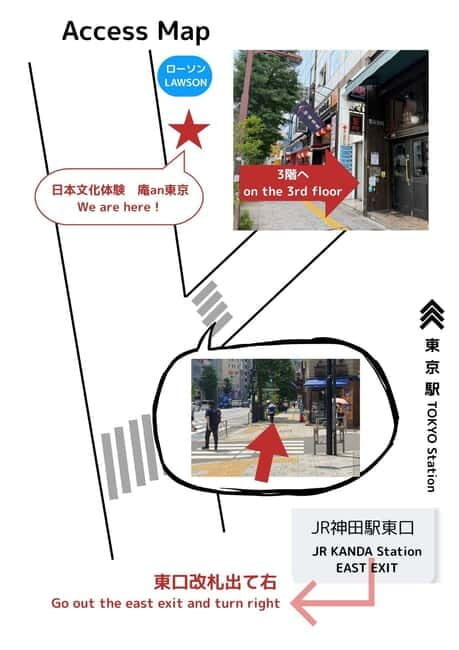
Where to Meet and How to Find the Place Fast
You’ll meet at AN TOKYO Japanese Culture Experience. The coordinates are 35.6916541, 139.7715022.
Since the exact entrance and street-level details aren’t listed here, I’d treat the coordinates like your navigation “north star.” If you’re using a map app, plug in the coordinates and confirm you’re at the right building before your start time.
Also, plan around the reality that this is a scheduled session. The venue indicates that they won’t be able to hold the event for delays, so arriving early is your best insurance.
Who This Experience Fits Best (and Who Might Want More)
This tea ceremony is a strong fit if:
- you want a hands-on cultural activity
- you’re sightseeing hard and need something short
- you like matcha and you want it paired with Japanese sweets
- you’re okay with quick instruction and a focused, modern pace
It may be less ideal if:
- you’re looking for a long, tradition-heavy, multi-hour ceremony with deep history
- you need extra time to slow down and take in explanations step by step
- you want a fully English-led experience from start to finish without needing support requests
One more practical note: people who do not participate won’t be allowed to enter the experience. So if you’re thinking about attending just to watch, you should reconsider and plan to join in.
Children can join too: children who sit on their parents’ laps are free of charge (under 2 years old).
Extra Options: Completion Certificate (Optional)
If you want a completion certificate, there’s an added cost of 300 JPY. For certificates with names, you need to let them know your names in advance—otherwise a blank space is left.
This is optional, but it’s a nice souvenir if you like having something official to take home.
Should You Book AN Tokyo’s Tea Ceremony?
If you’re on the fence, here’s my straight advice: book it if you want a calm, cultural stop that’s short, friendly, and hands-on. The combination of single-origin matcha, included ohigashi, and a structured OTE-MAE format for $7 makes it feel like a smart Tokyo choice rather than a tourist-only checkbox.
Skip it (or choose something longer) if you expect a long, detailed ceremony with lots of history and slow pacing. This one is designed for efficiency and participation, not for deep academic tea lore.
If your goal is to leave with a real taste of Japanese tea culture—plus the experience of making the cup yourself—this is a very reasonable bet.
FAQ
How long is the Tokyo tea ceremony experience?
The duration is 30 minutes.
What is included in the experience?
You’ll get a tea ceremony experience set of OTE-MAE, plus single-origin matcha and Japanese sweets called ohigashi.
Do I need to speak Japanese?
The instructor is Japanese, and English translation is provided as much as possible. If you want to add more English support, you can contact them.
Where is the meeting point?
Meet at AN TOKYO Japanese Culture Experience at coordinates 35.6916541, 139.7715022.
Is there a certificate option?
Yes. A completion certificate is available for 300 JPY. If you want a certificate with your name, share your names in advance.
When can I book and what are the operating hours?
Operation hours are from 10:00 to 17:00. Reservations received after 17:00 are processed the next day.