REVIEW · TOKYO
Variety of Tokyo or Yokohama Tours Customizable and Memorable
Book on Viator →Operated by Happy Travels Japan · Bookable on Viator
Tokyo and Yokohama, one smart plan. I like how this tour gives you hotel-based route planning and lets you chat directly with your host to shape the day. It’s also a walking-first experience, so the big consideration is that you should be comfortable with 10,000 steps and moving on foot.
You can build your day around classic areas and quieter corners at the same time. In Tokyo, expect neighborhood variety from Shibuya and Harajuku to Asakusa and Ueno, plus major landmarks like Tokyo Tower and stops such as Zojoji Temple and Imperial Palace. In Yokohama, the mood shifts to the port—Chinatown, Yamashita Park views, the Red Brick Warehouse, and Sankeien Garden.
The one thing to keep in mind is budgeting for what’s not included, especially train fares (depending on your group size) and meals. If you’re fine with walking and you want stories plus practical local tips, this is a strong way to get your bearings fast.
In This Review
- Key things I’d bet on before you book
- What the 7-hour walking format really means
- Tokyo route options: Shibuya to Asakusa, plus Tsukiji and Tokyo Tower
- Harajuku and Shibuya: energy with a plan
- Asakusa and Ueno: older Tokyo in plain sight
- Tsukiji and the Imperial-area sweep
- Zojoji Temple: the stop that adds contrast
- Yanaka Ginza and shrines: calmer streets than the headlines
- Custom Tokyo choices: shopping, temples, or food focus
- Yokohama route options: Chinatown, Yamashita Park, Red Brick Warehouse, and Sankeien Garden
- Chinatown: more than a photo stop
- Yamashita Park: harbor views with room to breathe
- Red Brick Warehouse: shopping plus an easy hang
- Sankeien Garden: Edo-period calm, with a ticket to plan
- How customization actually helps (instead of just sounding nice)
- Price and logistics: what $10 covers and what you should budget
- Walking comfort: shoes, pace, and staying together
- Pickup, mobile tickets, and group flow
- Cancellation and weather reality
- Who should book this Tokyo or Yokohama walking tour?
- Should you book this tour?
- FAQ
- How long is the tour?
- Can I choose my start time?
- Is pickup included?
- Is this a walking tour?
- What’s included in the tour price?
- What’s not included?
- Do I have to pay for Sankeien Garden?
- What are the cancellation terms?
Key things I’d bet on before you book
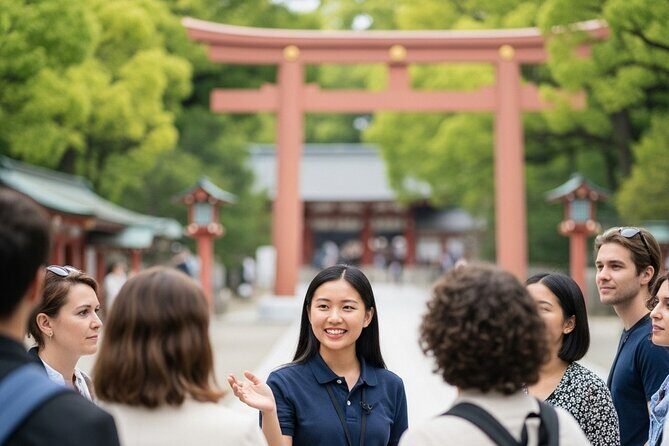
- Flexible planning with your hotel location so your day feels efficient, not random.
- English-led guidance with insider tips for what to see and how to move between areas.
- Two tour styles: Tokyo neighborhoods or Yokohama port + garden with a custom option for either city.
- Walking-only format using train/metro, with pickup offered.
- Sankeien Garden admission is paid onsite, so plan a little extra.
- Group-size matters for train and entrance coverage, especially if you’re booking with 5+ people.
What the 7-hour walking format really means
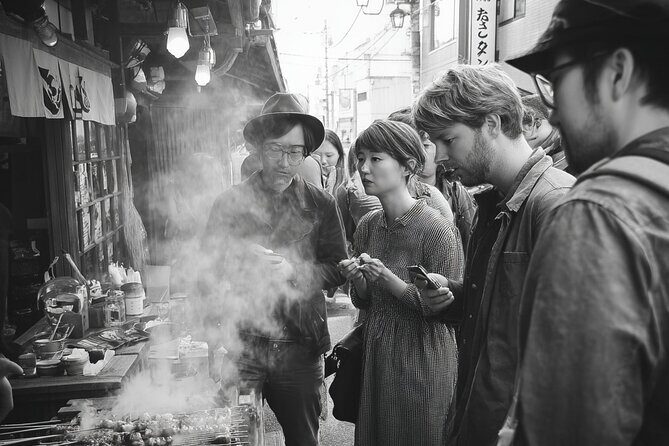
This is a 7-hour walking tour that you customize based on your interests and your start point. You can pick your ideal start time and tour length when booking, and you’ll get a mobile ticket. Pickup is listed as available, and the meeting area is said to be near public transportation, which matters because Tokyo and Yokohama run on trains.
The important part: this isn’t sightseeing from the comfort of a car. It’s you, your group, and a guide moving at a walking pace through real neighborhoods. That’s the whole point. You’ll see street life, small shops, and side alleys that you’d miss if you only hopped between big stops.
It’s also described as a private activity, meaning only your group participates. That’s a plus if you want questions answered without the pressure of a big crowd.
You can also read our reviews of more tours and experiences in Tokyo.



Tokyo route options: Shibuya to Asakusa, plus Tsukiji and Tokyo Tower
A Tokyo day can be built around a few “anchors,” then filled in with the rest based on what you want most. One of the set-style combinations is Harajuku and Shibuya first, then moving into Asakusa and Ueno. That arc is smart: fashion and youth culture in the west, then you shift into old-meets-new Tokyo in the east.
Harajuku and Shibuya: energy with a plan
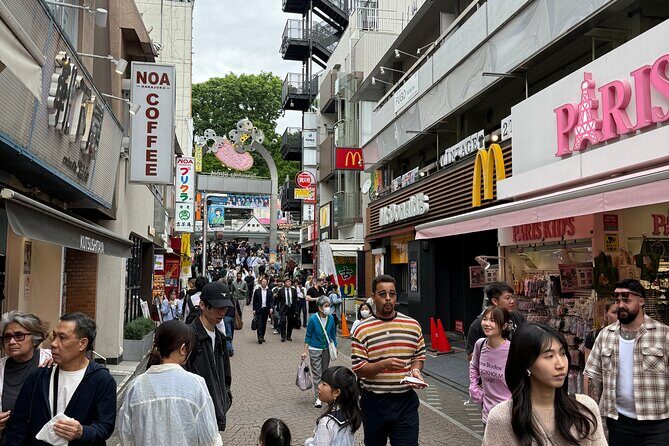
Harajuku and Shibuya are loud, and they can feel overwhelming if you show up with no structure. With a guide, you’re not just wandering. You’re getting context while you walk—what you’re looking at and why it matters.
Shibuya is also a great place to practice how you’ll navigate the city on the tour. You’ll likely be using train/metro and then walking between districts, so you get that rhythm down early.
Asakusa and Ueno: older Tokyo in plain sight
Asakusa is where Tokyo starts showing its “traditional” face. The walking approach helps because you can move between temple streets, smaller lanes, and viewpoints without feeling like you’re racing the clock.
Ueno adds another tone. It’s a big-area stop, so your guide can steer you toward what fits your day—temple area, broader neighborhood strolling, and the kind of atmosphere that feels different from Harajuku.
Tsukiji and the Imperial-area sweep
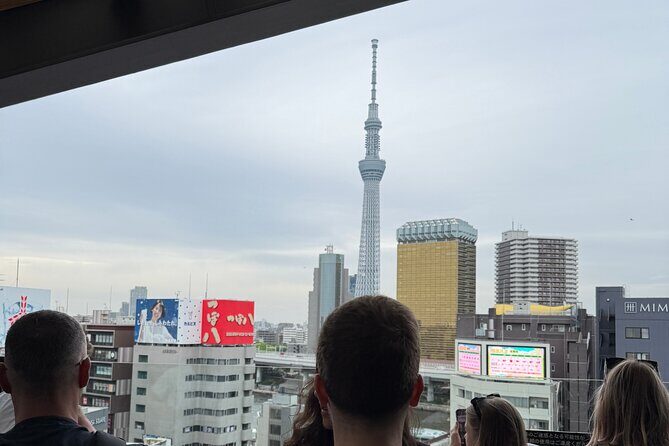
Another Tokyo option includes Tsukiji (including the fish market area), then Tokyo Tower and the Imperial Palace area. This is a classic mix: market energy, then iconic skyline views, then a more formal, historic-feeling zone near the Imperial Palace.
Tokyo Tower is a top photo target, but the value is in how it’s timed inside your route. Rather than reaching it at random, you get it as a “mile marker” that separates the day into sections.






Zojoji Temple: the stop that adds contrast
Zojoji Temple is listed as part of the Tokyo Tower area route. That’s exactly the kind of contrast that makes a walking day work. You get a landmark view, then you walk into a temple setting and feel the temperature shift—sound, pace, and vibe.
Yanaka Ginza and shrines: calmer streets than the headlines
Yanaka Ginza is specifically mentioned, along with hidden shrines and smaller spots that are compared to Kyoto-style shrine areas. Even if you only spend limited time there, it’s usually enough to give you that “Tokyo you can slow down in” feeling.
This matters for first-timers. Tokyo can be all push and rush. A stop like Yanaka helps you understand the city is more than just the famous intersections.
Custom Tokyo choices: shopping, temples, or food focus
The tour is explicitly customizable. If you care more about shopping districts and snacks, your guide can shape the day around that. If you’d rather prioritize temples and landmarks, you’ll steer more heavily toward those stops.
The guide can also tailor the route based on where you’re staying, which is huge. A Tokyo itinerary that accounts for your hotel location usually saves time and frustration.
Yokohama route options: Chinatown, Yamashita Park, Red Brick Warehouse, and Sankeien Garden
Yokohama is a totally different mood. You’re still in Japan, still in a city, but it feels more connected to the harbor and the timeline of modernizing the country.
A Yokohama day starts with Chinatown—one of the largest in the world—and that sets your expectations immediately. It’s a walking-friendly area with plenty of sights and food options along the way.
Chinatown: more than a photo stop
Chinatown in a walking tour is about atmosphere and rhythm. You move past storefronts, signs, and streets that feel built for strolling. Since meals aren’t included, this also becomes your chance to choose what you want to eat without feeling locked into a group menu.
If you want a practical approach, ask your guide what to try that matches your tastes and walking comfort. You can keep it simple and still feel like you’re eating like you belong there.
Yamashita Park: harbor views with room to breathe
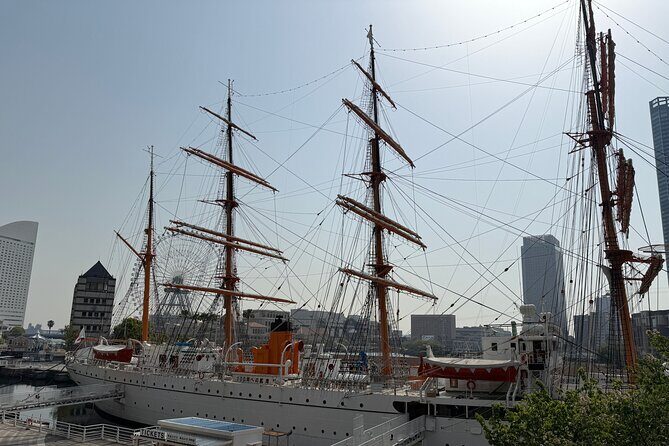
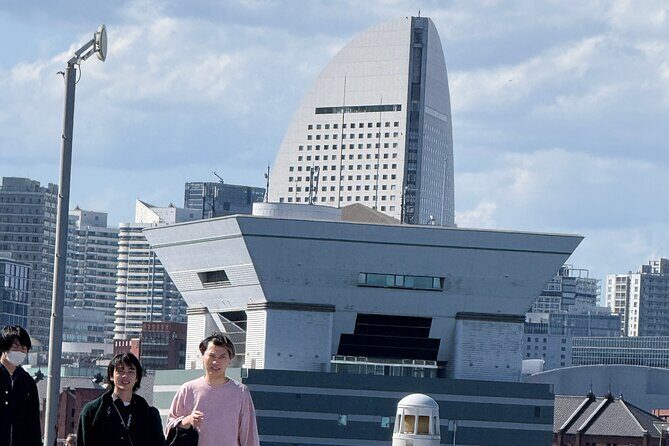
Yamashita Park is listed for the views. This is where Yokohama starts to feel open and scenic. After tight streets in Chinatown, the park area gives you space to reset and enjoy the waterfront perspective.
Red Brick Warehouse: shopping plus an easy hang
Red Brick Warehouse is included for shopping and getting something to eat. It’s an easy stop to use as a flexible break. If your group is tired, this kind of location works well because you can browse at your own pace while staying together.
Sankeien Garden: Edo-period calm, with a ticket to plan
Sankeien Garden is a standout add-on, described as a traditional Japanese garden in Yokohama. It’s specifically noted as an Edo-period time-capsule experience, which gives you a clear theme for this part of the day.
One key detail: the admission fee for Sankeien Garden is not included. It’s listed as ¥700 for adults and ¥200 for children under 15, paid onsite. So if you’re budgeting, plan that into your total cost.
How customization actually helps (instead of just sounding nice)
The biggest strength here isn’t the list of stops. It’s the way the route can be adjusted for you.
The guide is described as able to plan your day based on your hotel and interests. You can also chat directly with your host to plan your route and get personal recommendations. In practical terms, that means you can ask for:
- a temple-heavy route if that’s your focus
- shopping and food if you want to prioritize streets and snacks
- a layout that minimizes backtracking from your hotel
There’s also support listed for money exchange, additional hotel booking, and train travel tips. Not every guide offers that, and it can make a difference when you’re trying to move efficiently between Tokyo or Yokohama zones.
For groups of 5 or more, there’s a note that transportation and entrance fee for one location will be paid by Happy Travels. That’s the kind of detail that can reduce surprises on the day.
Price and logistics: what $10 covers and what you should budget
The price is listed as $10.00 per person, which is striking for a 7-hour guided walking tour with pickup and a private-group format. The value here depends on how your group size affects what’s included.
Included items you’re paying for:
- expert local guide planning your day
- chat and support for recommendations and train tips
- entrance fee for groups of 5 or more for one location (per the note)
Not included:
- meals, snacks, and drinks
- personal expenses
- Sankeien Garden admission (paid onsite)
- public transport fares (bus/train)
Train fare is listed as approximately ¥400–¥700 one-way, depending on route, and it’s noted that train fare isn’t included for groups under 5. So if you’re booking solo or as a small group, you’ll want to budget for transit on top of the tour price.
My practical advice: treat this as a guided day plus a flexible food plan. Bring enough cash or use a transit card, and set a meal budget for each major stop zone.
Walking comfort: shoes, pace, and staying together
This is a walking tour only. No private car/bus is part of the deal, and you should plan to walk a lot. The guidance is clear: moderate physical fitness level, and not recommended if you can’t walk at least 10,000 steps.
So you’ll want shoes that handle long city walks and stairs. You’ll also want to pace yourself early. The tour is built around multiple districts, so if you start too fast, you’ll feel it by the middle.
A helpful thing from past guide performance: guides are praised for keeping groups together and helping when someone drifts behind. One guide called out by name, Jack, was described as attentive and good at helping a child stay with the group. That kind of “stay together” skill matters on a walking tour, especially with mixed ages.
Pickup, mobile tickets, and group flow
Pickup is listed as offered, and the tour is near public transportation. That combo usually makes it easier to plug into your hotel routine. You don’t want a complicated start where you’re guessing how to reach the meeting point after a long flight.
The mobile ticket is also useful. In Tokyo and Yokohama, you’ll probably be moving between places often, and having everything on your phone can reduce stress.
Since this is private for your group only, your guide can control the flow better than in a large join-in tour. That’s a real comfort factor when you’re trying to keep timing smooth for transit and sightseeing.
Cancellation and weather reality
You get free cancellation up to 24 hours in advance for a full refund. If weather is poor, the experience can be canceled, and you’ll be offered a different date or a full refund.
Tokyo and Yokohama are seasonal. If you’re booking for a rainy period, I’d keep your schedule flexible and avoid stacking plans right after your tour end time.
Also note: this is reportedly commonly booked about 98 days in advance on average. If your travel dates are fixed, don’t wait until the last week.
Who should book this Tokyo or Yokohama walking tour?
Book it if you want:
- a flexible, guided route instead of a fixed checklist
- an English-speaking guide who can explain what you’re seeing
- a day that covers multiple districts without a car
It’s also a good fit for first-timers who want structure, and for people who like the mix of big landmarks plus street-level neighborhood time.
Skip it if you:
- can’t comfortably walk for 7 hours
- want zero walking and full transit comfort
- dislike planning around extra paid items like Sankeien Garden admission and train fares (depending on your group size)
Should you book this tour?
I think it’s a solid choice if you value planning help and local context more than ticking off a long list of attractions. The customization around your hotel and interests is the real engine, and the Tokyo and Yokohama options let you pick the mood you want—modern-city landmarks and temples in Tokyo, or harbor streets and a time-capsule garden in Yokohama.
Just go in with eyes open: it’s walking-first, meals are on you, and transit/attraction fees can add up based on where you end up and your group size. If that fits your style, you’ll likely come away feeling you understand the neighborhoods much better than you would from a rushed, car-only day.
FAQ
How long is the tour?
It runs about 7 hours.
Can I choose my start time?
Yes. You can choose your ideal start time when booking.
Is pickup included?
Pickup is offered.
Is this a walking tour?
Yes. It’s a walking tour only, with no private car or bus. You travel by train or metro.
What’s included in the tour price?
An expert local guide is included, along with planning support for your route and recommendations. For groups of 5 or more, transportation and entrance fee for one location may be covered.
What’s not included?
Meals, snacks, and drinks are not included, along with personal expenses. Public transportation fares are also not included.
Do I have to pay for Sankeien Garden?
Yes. Sankeien Garden admission is payable onsite (¥700 adults, ¥200 children under 15). It’s not included in the listed tour items.
What are the cancellation terms?
Free cancellation is available up to 24 hours before the experience start time for a full refund. If canceled due to poor weather, you’ll be offered a different date or a full refund.