REVIEW · TOKYO
Wheelchair Accessible Taxi from HND to Yokohama Port
Book on Viator →Operated by 横浜福祉タクシーBridgeMAIT · Bookable on Viator
Wheelchair-friendly rides in Japan can be a relief. This private transfer from Haneda Airport to Yokohama Port uses a purpose-built wheelchair van and drivers trained for patient transport and disability support, so the trip feels calm instead of chaotic. I especially like the safety-first approach (serious driver qualifications plus careful assistance) and the practical onboard comfort touches like AC, low-vibration ride design, WiFi, and even AC power for devices.
The other thing that makes it genuinely useful is how prepared the service is before you even board—clear communication, and details like vehicle fit matter when you’re bringing larger powered wheelchairs. One possible drawback: it’s a one-way ride and there’s no restroom on board, so you’ll want to time it right for longer travel days.
In This Review
- Quick hits: what you’ll care about
- Haneda to Yokohama Port: the calm way to start (or finish) a travel day
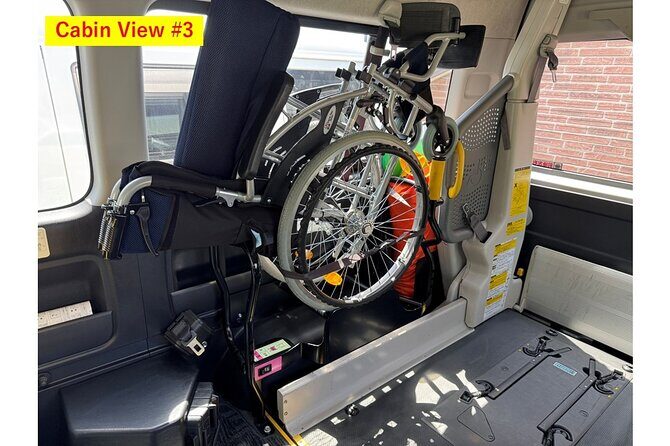
- Inside the BridgeMAIT wheelchair taxi: Toyota Hiace Commuter with real space
- The driver: certifications that matter, not just a friendly face
- Your one-way transfer: what happens from pickup to drop-off
- Price and value: why this costs what it costs
- Comfort and small details that make the ride easier
- Who this transfer fits best
- Booking timing and planning your morning
- Should you book this wheelchair-accessible taxi from Haneda to Yokohama Port?
- FAQ
- How many wheelchairs and passengers can the van handle?
- Is this ride one-way or round-trip?
- What’s included in the price?
- Is there WiFi or power on board?
- Where does pickup happen and what time does it start?
- Is the cancellation refundable?
Quick hits: what you’ll care about
- Trained driver team: certified in patient transportation and disability support, plus a Japan Automobile Federation Type 2 racing driver license
- Van capacity that actually fits: up to 2 wheelchairs and 4 adults, plus room for 5 oversized suitcases
- Built for comfort: low-vibration vehicle structure, proper temperature/humidity, spacious and clean passenger area
- Real-world extras included: WiFi, AC100V power supply, parking fees, and expressway tolls
- Boarding help included: drivers provide loading/unloading assistance for wheelchair users
Haneda to Yokohama Port: the calm way to start (or finish) a travel day
Getting from Haneda to Yokohama Port can be a pain day-or-night—especially when you’re managing stairs, stairs-with-no-help, or transfers that turn into a scavenger hunt. This service is built for the one job that matters: get you from point A to point B safely, without forcing you to “figure it out” mid-journey.
The value here isn’t just that it’s wheelchair accessible. It’s that the provider treats disability support like a transportation specialty, not an afterthought. When you’re already tired from travel, that difference shows up fast.
Also, it’s private. So you’re not juggling strangers’ pace, spacing, or luggage chaos. Your ride time is your ride time.
You can also read our reviews of more tours and experiences in Tokyo.



Inside the BridgeMAIT wheelchair taxi: Toyota Hiace Commuter with real space
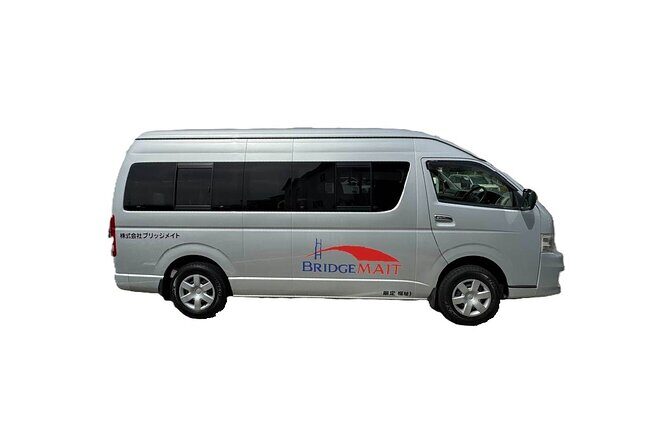
Your pickup vehicle is a wagon with the BridgeMAIT logo. It uses a Toyota Hiace Commuter configuration that’s designed for accessibility and luggage at the same time—rare in normal taxis.
Here’s what that means in practical terms:
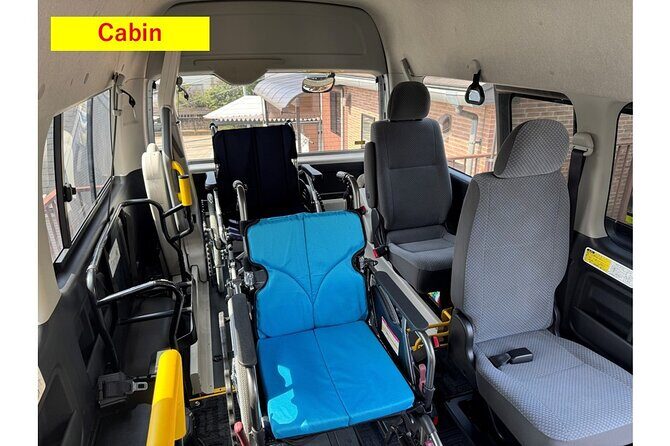
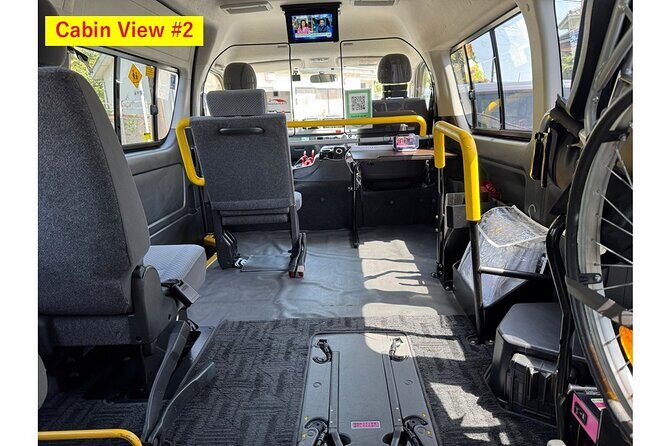
- Space for two wheelchairs and four adults
- Room for about five oversized suitcases
- Support for getting in and out of the van, not just “somehow” rolling your chair onboard
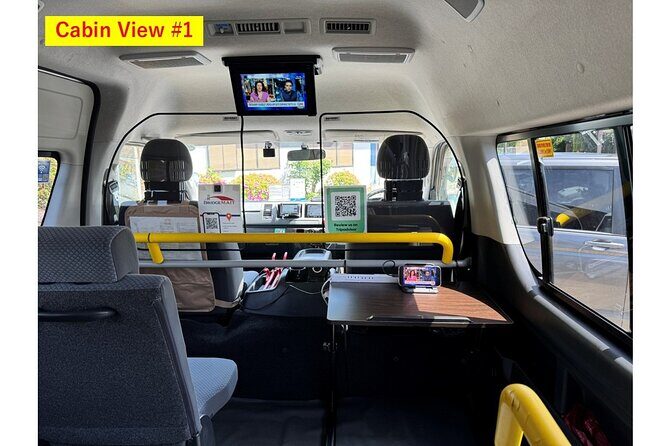
You’ll also get the kind of small onboard comforts that make the difference between tolerable and actually pleasant. There’s AC to manage the temperature, WiFi for basic browsing, and an AC100V power supply so you’re not hunting for outlets. Add in the low-vibration vehicle structure, and the ride tends to feel steadier than you might expect from a larger van.
One practical note: there’s no restroom on board. For a 1 to 1.5 hour transfer this often isn’t an issue, but if you’re timing this around a cruise, a conference, or a tight medical schedule, build in buffer before you board.
The driver: certifications that matter, not just a friendly face
What I love most here is that the driver qualifications aren’t vague. They’re specific, and they line up with what you actually need during a transfer.
The drivers are certified in:
- Home Helper 2nd class
- Guide Helper (general and intellectual disabilities)
- Yokohama City Fire Department-certified Patient Transportation Driver
- Japan Automobile Federation (JAF) Type 2 racing driver license
That last one might sound unrelated until you think about it: driving skill is about control, smoothness, and handling pressure. Combined with patient transportation certification, it’s a strong signal that your driver is trained to move carefully, not just “get you there.”
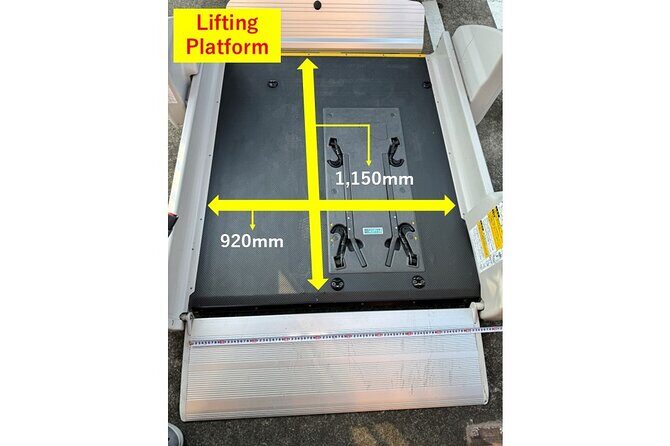
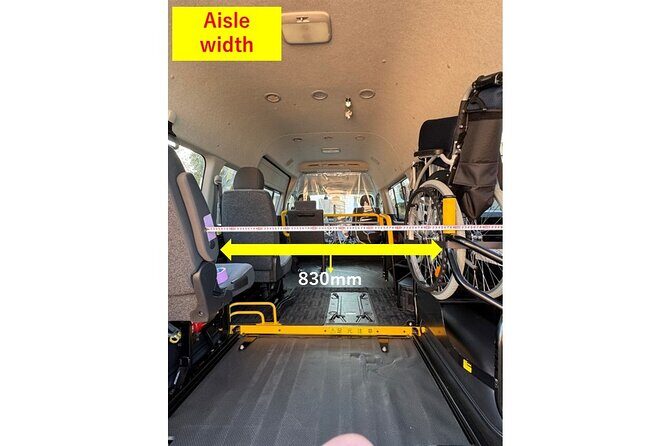
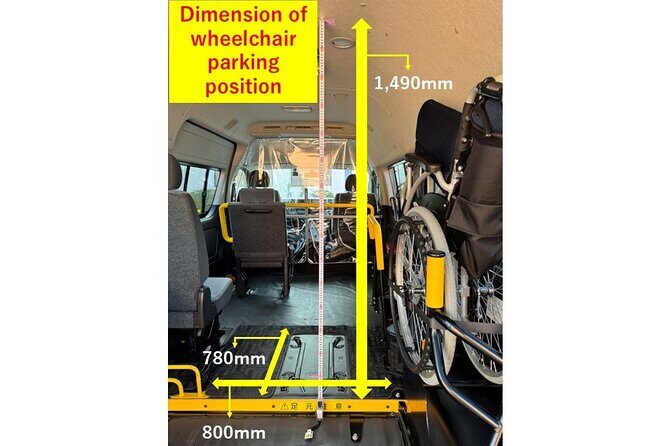
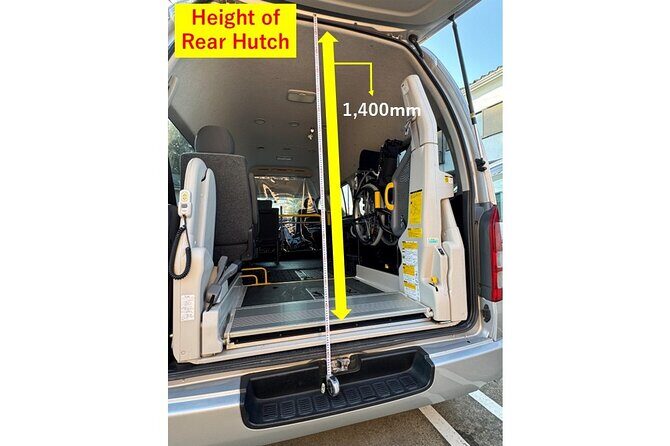
The human side shows up in the planning too. In one case, Yoshio-san shared detailed photos and measurements of the vehicle so a family could confirm a larger powered wheelchair would fit comfortably. That kind of prep is huge if you’ve ever shown up to a vehicle and found out there’s a gap between website promises and real-world dimensions.
Your one-way transfer: what happens from pickup to drop-off
This reservation is one way only, from Haneda Airport to the Yokohama Port area (the activity ends in a different location). Pickup is at Hanedakuko, Ota City, Tokyo 144-0041, Japan, with a start time listed as 7:00 am.
Typical ride time is about 1 hour to 1 hour 30 minutes, depending on traffic and the route. For planning, treat it as a comfortable buffer window rather than an exact guarantee—especially because you’ll likely have a loading/unloading routine at both ends.
What “safety transfers” means here isn’t just words. The service includes boarding/disembarking assistance for wheelchair users, and they maintain a spacious, clean passenger area. They also aim for proper temperature and humidity management, plus a low-vibration ride. Those things matter for comfort, but they also help reduce the little stress spikes that can happen during longer travel days.
Included onboard/vehicle extras make the ride feel less like a chore:
- WiFi
- AC power (AC100V)
- Parking fees and expressway tolls covered
And the driver is described as English-speaking, which helps when you’re coordinating accessibility needs or confirming timing.
Price and value: why this costs what it costs
The price is $170.19 per group (up to 3). That grouping detail is important. If you’re traveling as a family of three or with a companion who can share the ride, the cost per person drops fast compared with booking separate accessible rides.
Is it expensive compared to a standard cab? Sure. But this isn’t a standard cab. You’re paying for:
- A wheelchair-capable van layout (not just a ramp that might not work for your setup)
- Private door-to-door transfer service
- Trained driver qualifications geared toward patient and disability transport
- Included expressway tolls and parking fees (so you don’t get surprise add-ons)
- Comfort and onboard amenities (AC, WiFi, power supply)
In other words, this price buys you reliability. And reliability is a real form of currency when you’re coordinating mobility equipment, luggage, and a fixed schedule like a port departure.
One more value angle: the provider states prices are based on approved fares by the Department of Transportation. That’s the kind of transparency that helps you plan without anxiety.






Comfort and small details that make the ride easier
For a transfer that’s about an hour to 90 minutes, it’s easy to think “How different can it be?” But these small choices add up, especially for wheelchair users and anyone accompanying them.
Here’s what stands out:
- A spacious, clean passenger space rather than cramped seating
- Proper temperature and humidity control
- A low-vibration structure that can feel smoother than typical vehicle rides
- Onboard WiFi and AC100V power, which helps you pass time or keep devices charged
Also, the pickup timing is scheduled when you reserve. So you’re not spending your morning wandering around a terminal trying to catch the right vehicle.
You also get 7*24 customer service support, and you’ll receive a mobile ticket. That means fewer last-minute questions.
Who this transfer fits best
This is a smart choice if you need a wheelchair-accessible, private ride with professional assistance. It’s especially well suited when:
- You have one powered or manual wheelchair and need confidence about fit
- You’re traveling with two wheelchairs (the van’s setup is built for it)
- You’re handling mobility equipment plus a pile of luggage and want a single vehicle solution
- You have a schedule tied to Yokohama Port and want the stress taken off your plate
It may be less ideal if you’re traveling light with no accessibility needs and are comfortable with public transport or standard taxis. In that case, you might not need the extra space and assistance.
Booking timing and planning your morning
On average, this is booked about 9 days in advance, which tells you people don’t usually wait until the last minute for a wheelchair-capable van. If you’re traveling near a busy travel period, earlier planning helps you secure the right vehicle and timing.
Confirmation is received at booking unless your booking is within 4 hours of travel, in which case confirmation comes as soon as possible subject to availability. That’s a real factor if you’re making a same-day decision.
Since your ride starts at 7:00 am, give yourself time to get to the pickup point and handle any pre-boarding needs. With wheelchair loading, buffer is your friend.
Should you book this wheelchair-accessible taxi from Haneda to Yokohama Port?
If you’re looking for a smooth, safety-minded way to connect Haneda with Yokohama Port, I’d book this. The combination of a van layout that can handle two wheelchairs and lots of luggage, plus driver training in patient transportation and disability support, is exactly what you want when timing matters.
I’d especially recommend it if:
- You need dependable wheelchair loading and unloading assistance
- You’re traveling as a group (up to 3 per booking) and want privacy
- You don’t want to gamble on vehicle fit or show up and hope for the best
Pass on it only if your travel situation doesn’t require wheelchair-specific accommodations, or if you need something beyond a one-way transfer and you’ll be expecting onboard conveniences like a restroom.
FAQ
How many wheelchairs and passengers can the van handle?
The Toyota Hiace Commuter setup can accommodate two (2) wheelchairs, four (4) adults, and about five (5) oversized suitcases.
Is this ride one-way or round-trip?
It’s one way only.
What’s included in the price?
Included are private transportation, boarding/disembarking assistance for wheelchair users, an English-speaking driver, AC100V power supply, WiFi on board, parking fees, and expressway tolls.
Is there WiFi or power on board?
Yes. There’s WiFi on board and an AC100V power supply.
Where does pickup happen and what time does it start?
Pickup is at Hanedakuko, Ota City, Tokyo 144-0041, Japan (Haneda Airport). The start time listed is 7:00 am.
Is the cancellation refundable?
Yes. You can cancel for a full refund if you cancel at least 24 hours before the experience’s start time.
If you tell me how many wheelchairs you’re bringing (and whether one is powered), I can help you sanity-check whether this capacity sounds like a good match for your day.