REVIEW · KYOTO
Kyoto Nishiki Market & Depachika: 2-hours Food Tour with a Local
Book on Viator →Operated by TripGuru · Bookable on Viator
Kyoto snacks are a lot more fun with a guide. This 2-hour loop through Nishiki Market and Daimaru’s Depachika turns shopping chaos into ordered, bite-sized choices. I like that you get real tastes you can’t always spot fast on your own, plus a calm end stop at Nishiki Tenmangu Shrine. One thing to keep in mind: it’s a short tour, so you may want to plan a little extra time after to buy or snack some more.
A big plus is the food plan is already done for you—yuba sashimi (tofu skin) + soy milk donut, plus Nishiki gyoza and Uoriki tempura. I also appreciate that the group is small (maximum of 9), so your guide can respond to tastes and questions. The only drawback is that you’re not leaving with a full meal, so hungry-but-busy days need follow-up plans.
You’ll start at Apple Kyoto (easy to find) and end at Kawaramachi Station, which is handy for hopping to your next stop in Gion or back across town. And since it’s a mobile ticket situation with near public transportation, it’s pretty low-stress once you’re there.
In This Review
- Quick hits you’ll care about
- Nishiki Market and Depachika: why this 2-hour loop makes sense
- Stop 1 at Daimaru Kyoto Depachika: a smart warm-up for Kyoto snacks
- Stop 2 at Nishiki Market: Kyoto’s kitchen street, with the crowd handled for you
- Stop 3 at Nishiki Tenmangu Shrine: a short pause that changes your pacing
- Food tastings: what’s included and why those bites are a good mix
- Guides and group size: why the experience can feel different person to person
- Meeting point, timing, and how to plan the rest of your day
- Value check: is $48 worth it for Nishiki Market and Depachika?
- Should you book the Kyoto Nishiki Market & Depachika food tour?
- FAQ
- FAQ
- How long is the Kyoto Nishiki Market & Depachika food tour?
- What food is included in the tasting?
- Where do I meet the guide, and where does the tour end?
- Is hotel pick-up or drop-off included?
- What’s the maximum group size?
- Is admission included for the stops like Daimaru Kyoto, Nishiki Market, and Nishiki Tenmangu Shrine?
- What is the cancellation window for a full refund?
Quick hits you’ll care about
- 2 hours, max 9 people: enough time to taste without turning into a stampede
- Four defined tastings: yuba sashimi, soy milk donut, Nishiki gyoza, Uoriki tempura
- Department store food hall first: Daimaru Kyoto gives you a clean warm-up before Nishiki Market
- Nishiki Market shopping street in one go: Kyoto’s Kitchen, with food plus knives and cookware
- A brief shrine pause: Nishiki Tenmangu Shrine to slow your pace after the snacks
- Guide experience varies by person: famous names like Jasmine and Mao get repeat praise, so choose your style
Nishiki Market and Depachika: why this 2-hour loop makes sense
If you’ve ever wandered Nishiki Market on your own, you already know the problem: lots of smells, lots of people, and too many choices. This kind of guided format fixes the pacing. You get a short plan, you get handed specific bites, and you can spend your brain on what you actually like.
I also like that it’s not just one place. You get a contrast between a modern underground food hall inside Daimaru Kyoto and the older market vibe on Nishiki’s main lanes. That matters because food in Kyoto isn’t only about taste—it’s about setting. The Depachika area helps you understand how Kyoto people snack and buy gifts. Then Nishiki shows you what locals mean when they call it Kyoto’s kitchen.
At $48 per person, it’s not the cheapest thing you can do in Kyoto. But you are paying for three value pieces: (1) a guide of your selected language, (2) multiple tastings that are already built into the tour, and (3) help navigating a crowded market without wasting time scanning menus. For a first day or a day when you want variety without planning, that’s a fair trade.
One more practical thing: the tour is about 2 hours (approx.), and you finish at Kawaramachi Station. That makes it easy to pair with other Kyoto highlights after lunch or before dinner. Just don’t expect this to replace a meal.
You can also read our reviews of more food & drink experiences in Kyoto
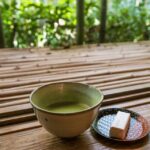
Stop 1 at Daimaru Kyoto Depachika: a smart warm-up for Kyoto snacks
The tour starts at Daimaru Kyoto in the basement food hall area, with the admission ticket for this stop listed as free. If you’re thinking, why not go straight to Nishiki Market?—this is why. Depachika food halls are designed for browsing. Stalls are easier to approach, you can compare textures and styles, and you usually see more packaging and gift options than you’d get in an open street market.
You’ll try yuba sashimi (tofu skin) and a soy milk donut here. Those two items are a good combo for your palate because they represent Kyoto’s tofu tradition in two different ways: one is savory and delicate, the other is sweet and comforting. Yuba can be a little “wait, what is this” for first-timers, but the guide’s job is to point out what you’re tasting and how it differs from regular tofu.
From the feedback, this first stop is where good guides really shine. People highlight guides like Jasmine as excellent for explanations and ordering help, and Mao gets praised for sharing Japanese customs alongside the food. That blend matters. If you know what you’re holding and why it’s made a certain way, you enjoy it more—and you’re more confident repeating the experience later on your own.
Possible drawback to consider: since Depachika is a department store environment, it can feel more “organized shopping” than “old Kyoto street.” If you’re the type who only wants street-level chaos and handheld snacks, you might wish the tour started later. But as a warm-up, it usually helps your market experience go smoother.
Stop 2 at Nishiki Market: Kyoto’s kitchen street, with the crowd handled for you
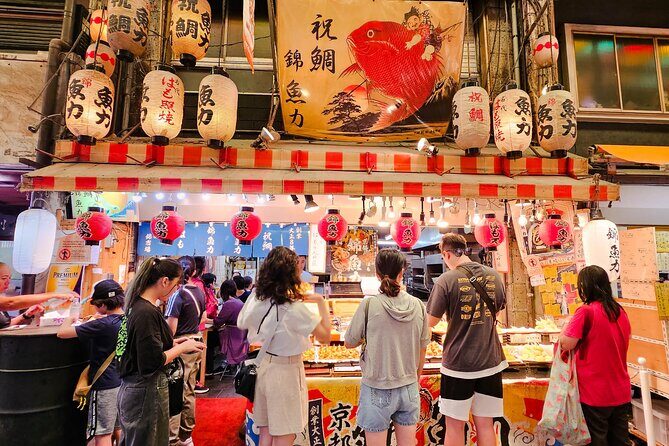
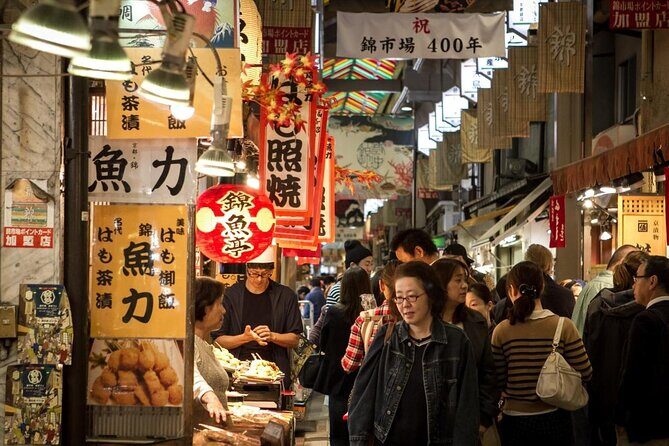
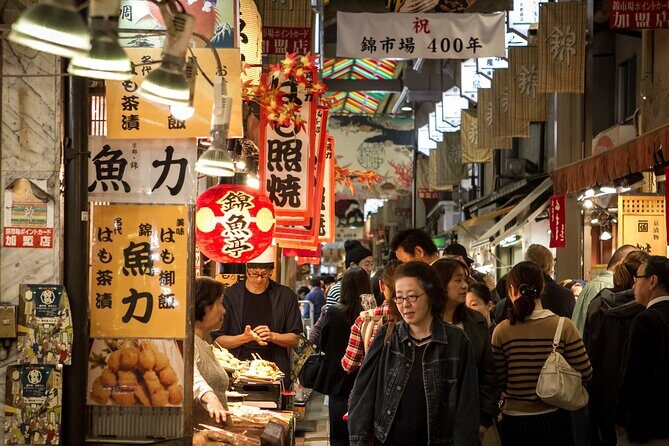
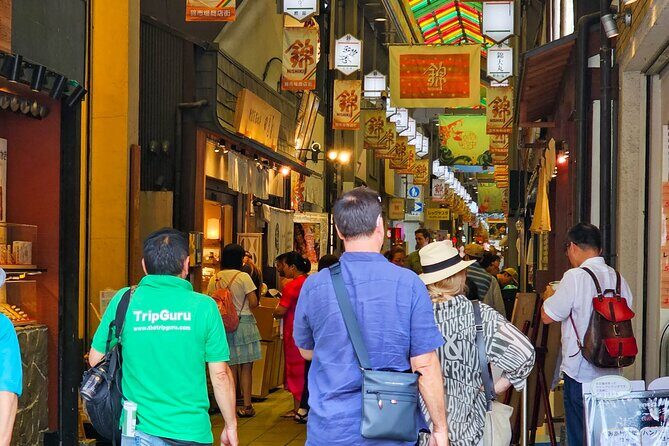
Next you’ll head into the Nishiki Market Shopping District, commonly known as Kyoto’s kitchen. The tour schedules about 1 hour here, and admission is listed as free for this part. Nishiki is famous for a reason: you can find seasonal foods, Kyoto specialties, produce, and even cookware like knives and pots. In other words, it’s not only a snack walk—it’s also a shopping street.
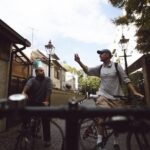
This is the moment where a guide earns their keep. Nishiki Market can be sensory overload: lots of vendors, lots of steam, and lots of people squeezing toward the same tasting spots. With a guide, you don’t have to guess which stalls are worth stopping at or how long you’ll wait.
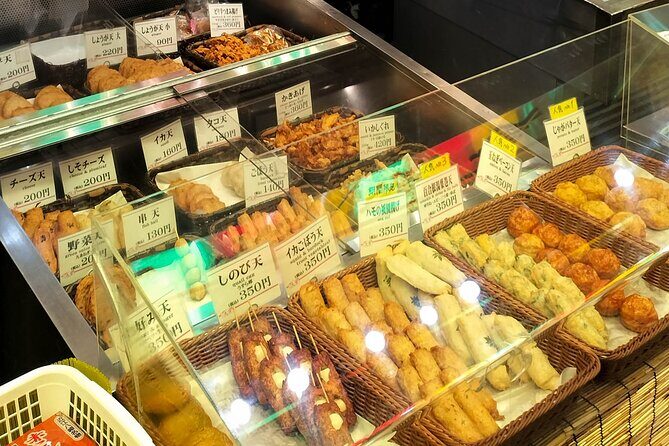
You’ll try Nishiki gyoza here. Gyoza is a safe pick, but the real value is that it’s placed in a Kyoto context. You get to taste something you can recognize while still seeing how Kyoto vendors present and season it. Then, depending on your guide style, you may also get practical advice for what to buy after the tasting portion—things like sauces, snacks, and giftable items that are easy to bring home.
What I like about this stop is the “direction” effect. Even if you want to shop on your own afterward, you’ll walk away with a mental map: which lanes feel more food-focused, which sections sell more ingredients, and which stalls are better for quick bites versus longer browsing.
A fair consideration: a few people felt the market portion could have included more story or more unique Kyoto-only variations. That doesn’t mean the tour is bad—it means the quality depends on your guide’s explanation style and how your tasting selections land for your preferences. If you care deeply about food history and not just food sampling, look for guide profiles that emphasize storytelling, or ask questions early about what makes these Kyoto versions different.
Stop 3 at Nishiki Tenmangu Shrine: a short pause that changes your pacing
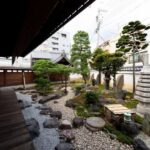
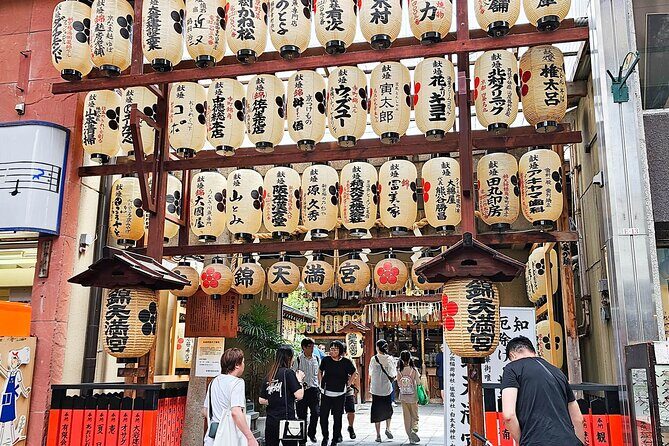
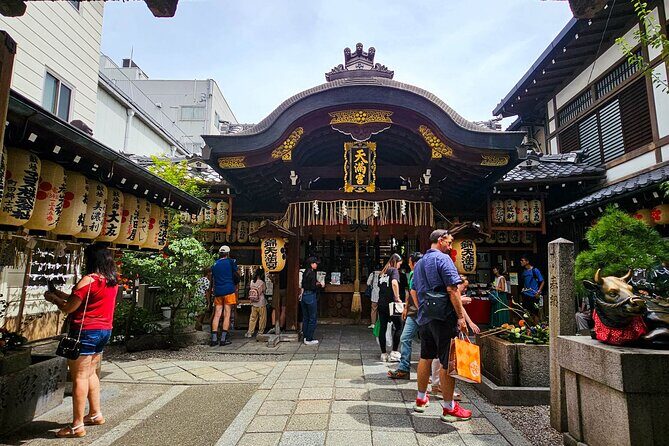
After the shopping lanes, the tour includes a small calm reset at Nishiki Tenmangu Shrine, about 15 minutes. Admission for this stop is listed as free. This is dedicated to the deity of learning, and you’ll find it near the market area, so it’s not a long detour.
Why this stop works: you’ve just done sensory eating and walking. A brief shrine visit gives your feet a break and your head a change of pace. It also helps the overall tour feel less like a checklist of snacks. Instead, you end with a cultural moment that’s close enough to feel natural, not tacked on.
From the way the itinerary is timed, this stop is also a good “cooldown” so you’re not rushing straight into your next activity. You also get a more graceful ending to the tour before heading toward Kawaramachi Station.
The one thing to keep expectations realistic: it’s short. You’re not getting a deep temple tour here, and the main purpose is atmosphere and perspective. If you want longer shrine time, you’ll likely want to explore on your own after.
Food tastings: what’s included and why those bites are a good mix
The tour includes food-tasting items, and the list is nicely specific. You’re tasting:
- Yuba sashimi (tofu skin) + soy milk donut
- Nishiki gyoza
- Uoriki tempura
That’s a smart spread: tofu-based savory, sweet from soy milk, then meat-and-veg dumpling style, then fried tempura. You cover different flavors and textures without spending extra cash on single items at each stall.
The best part for your wallet and decision-making: these are tastings, not full meals. That keeps the tour from becoming overpriced on quantity, while still giving you enough variety to learn what you like. If you’re the kind of person who hates wasting money on bites that don’t land, this format is a win.
You’ll also have free tasting items as part of what’s included. In practice, that means you can focus on enjoying the bites rather than negotiating purchases on the fly in the middle of a crowd.
If you’re picky, eat slowly. With this kind of itinerary, you want to actually taste each item. One review even mentions how guides can accommodate different comfort levels with food, which is useful if you’re wary of anything unusual. (And yes, tempura is fried, so if you’re sensitive to heavy foods, you’ll still want to eat thoughtfully.)
A few more Kyoto tours and experiences worth a look

Guides and group size: why the experience can feel different person to person
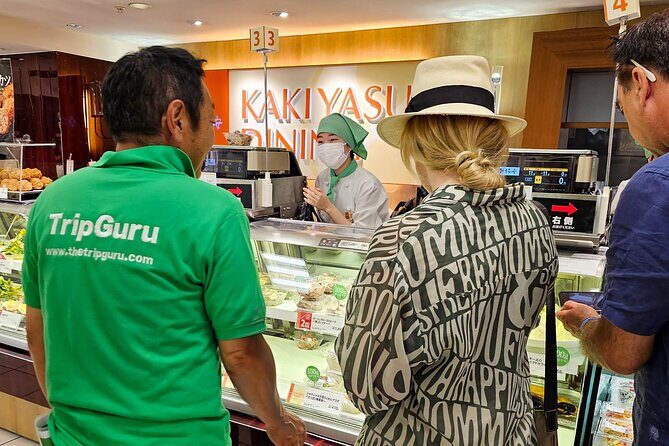
This is a small group tour (maximum of 9 travelers), which matters more than it sounds. In tight markets, smaller groups mean less time waiting, and more chance your guide can respond instead of rushing everyone along like luggage on wheels.
The guide talent seems to be a major reason people rate it highly. Names show up again and again in positive feedback. Jasmine is praised for being communicative and making the experience the highlight. Mao gets the strongest recommendation mentions, with people appreciating customs and traditions alongside food. Boris and Alex also get kudos for being personable and informative, and for helping people navigate the market.
That said, there’s also a caution in the feedback: a couple people felt the guide didn’t explain as much history as they expected, and that the tasting selections felt similar to other big-city Japanese tours. So the tour’s value hinges on whether your guide brings context.
Here’s a simple way to steer the experience toward your interests: ask one question early in the tour, like what Kyoto version of the food you should compare it to, or what to look for when choosing stalls in Nishiki after the tour. If your guide is engaged, you’ll feel it quickly.
Meeting point, timing, and how to plan the rest of your day
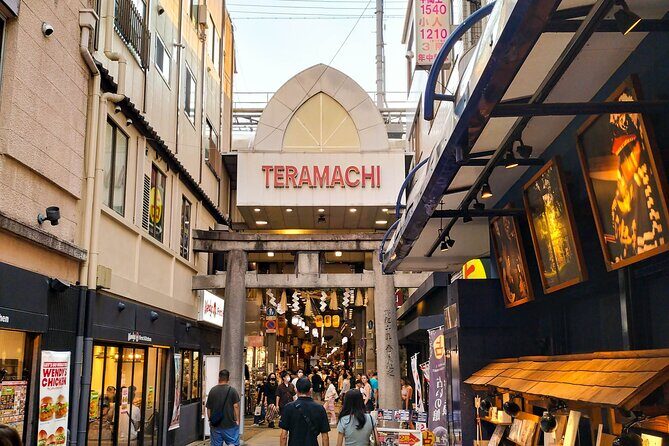
You start at Apple Kyoto, at 83-1 Tachiuri Nakanochō, Shimogyo Ward, Kyoto. You end at Kawaramachi Station, and the guide helps you with your next destination. You’re told it’s near public transportation, and hotel pick-up and drop-off aren’t included.
This is a good tour to slot in when you want:
- a reliable food introduction to Kyoto,
- a break from planning heavy,
- and an easy handoff to your next Kyoto activity.
Because the tour runs around 2 hours, plan for either:
- a light lunch beforehand and dinner afterward, or
- a snack-forward afternoon before a proper meal.
Also, bring cash for your own purchases. The tour includes specific tastings, but if you fall in love with a stall’s yuba snack, sauce, or gift packaging, you’ll likely want to buy it. The tour can’t read your mind (sadly).
Value check: is $48 worth it for Nishiki Market and Depachika?
Let’s break down what you’re paying for. At $48 per person, you get a guide in your selected language plus multiple tastings: yuba sashimi, soy milk donut, Nishiki gyoza, and Uoriki tempura. You also get time with someone who can route you through Daimaru Kyoto’s Depachika and then through Nishiki Market’s lanes without wasting time.
If you were doing this on your own, you’d have two problems. First, choosing what to try quickly in a crowd. Second, knowing what makes Kyoto versions different. This tour attempts to solve both by handling the tasting list and adding explanations.
Is it a bargain? Not exactly. But it’s also not priced like a full private cooking class. For most visitors—especially first timers—this sits in a sensible middle ground: enough structure to avoid frustration, enough freedom to still enjoy the market afterward.
If you’ve already done similar food tours in Tokyo or Osaka and you mainly want unique Kyoto-only stories, you might want to treat this as a sampler plus navigation lesson. If your goal is to learn how to taste Kyoto efficiently and walk away with smart “go back later” spots, it’s likely worth it.
Should you book the Kyoto Nishiki Market & Depachika food tour?
Book it if:
- you want a short, snack-heavy Kyoto experience with a clear plan,
- you’d rather spend time tasting than figuring out where to stand,
- and you like the idea of Depachika plus Nishiki Market in one go.
Skip or be cautious if:
- you’re already deep into food tours and you only care about very detailed food-history storytelling,
- or you expect this to replace an actual meal (it’s tastings, not a feast).
My advice: if you can match the guide’s style to your needs, this tour is a high-return way to understand Nishiki Market fast. Then you can go back on your own and buy the things you actually loved.
FAQ
FAQ
How long is the Kyoto Nishiki Market & Depachika food tour?
The tour lasts about 2 hours.
What food is included in the tasting?
Included tastings are yuba sashimi (tofu skin) with soy milk donut, Nishiki gyoza, and Uoriki tempura.
Where do I meet the guide, and where does the tour end?
You start at Apple Kyoto (83-1 Tachiuri Nakanochō, Shimogyo Ward) and the tour ends at Kawaramachi Station. The guide can help you with your next destination.
Is hotel pick-up or drop-off included?
No. Hotel pick-up and drop-off are not included.
What’s the maximum group size?
The group is capped at a maximum of 9 travelers.
Is admission included for the stops like Daimaru Kyoto, Nishiki Market, and Nishiki Tenmangu Shrine?
Admission tickets for the listed stops are marked as free.
What is the cancellation window for a full refund?
You can cancel for a full refund up to 24 hours before the experience starts (free cancellation). If you cancel less than 24 hours before, the amount paid is not refunded.