REVIEW · TOKYO
Asakusa: 2-Hour History Walking Tour & Local Food Tasting
Book on GetYourGuide →Operated by Local Guide Stars · Bookable on GetYourGuide
Asakusa is Tokyo at its most human. This 2-hour walk pairs Senso-ji and Asakusa Shrine with easy street-level browsing, guided stops at a pro chef knife shop, and fun samurai and ninja gear shopping. I like that it mixes big-name history with smaller, practical details you can actually use on your trip.
Two things I especially like: you get to see Tokyo’s oldest temple (Senso-ji, built in 628) and you’re guided to local food picks instead of wandering hungry and guessing. You also learn how Buddhism and Shinto coexist right there in Asakusa, without making it feel like a classroom lecture.
One thing to consider: it’s a fast-paced 2-hour walk, and meals and drinks aren’t included, so the food portion is more like guided snack buying than a full meal. Also, you’ll want some cash on hand since cashless payment isn’t accepted for things like offerings or omikuji.
In This Review
- Key highlights you’ll feel on this Asakusa tour
- Starting at Kaminarimon: the easiest way to get bearings fast
- Entering Senso-ji: the oldest temple with real present-day energy
- Asakusa Shrine: where Buddhism and Shinto show up together
- Snacking like a local: street food tastings with guide picks
- Knife shop stop: pro chef blades and gift-worthy browsing
- Samurai sword and ninja gear store: fun, visual, and easy to enjoy
- Cute Japanese tableware shop: small souvenirs that feel personal
- The 2-hour timing: good value if you like focused walking
- Practical info that can save your day
- A quick note on reviews and what they signal
- Should you book this Asakusa tour?
- FAQ
- How long is the Asakusa history walking tour?
- How much does it cost?
- Where do I meet the guide?
- Is the tour in English?
- Are meals or drinks included?
- What should I bring?
- What is the cancellation window?
Key highlights you’ll feel on this Asakusa tour

- Senso-ji’s 1400+ years of use, right in the middle of old-school Tokyo
- Shinto-Buddhism side-by-side at Asakusa Shrine, explained in plain terms
- Local street food tastings guided by the local’s top picks
- Pro chef knife shop visits, useful if you love cooking tools or gifts
- Samurai sword and ninja gear browsing, fun and visual even if you’re not buying
- Cute Japanese tableware shopping, ideal for souvenirs that aren’t random
Starting at Kaminarimon: the easiest way to get bearings fast
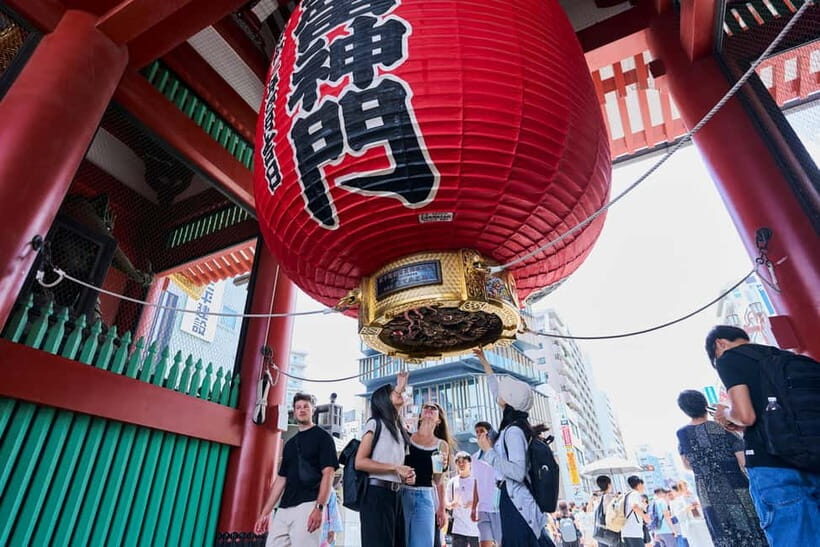
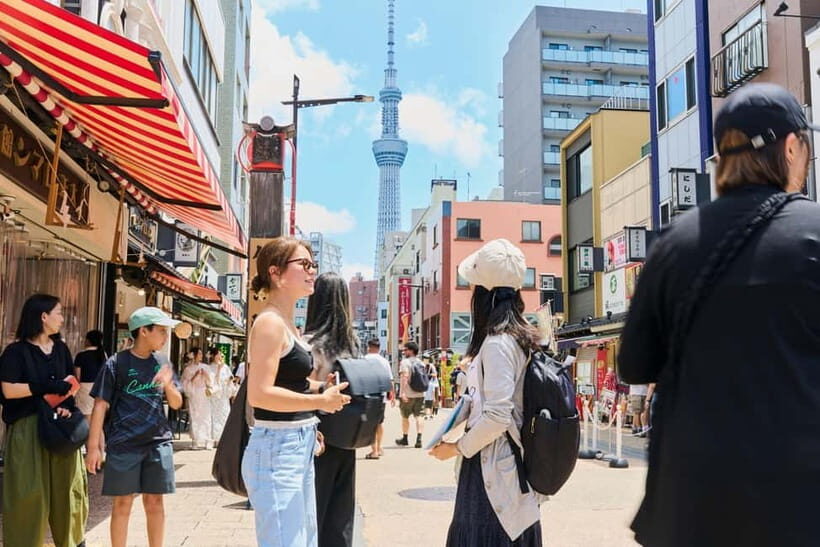
Your tour meets in front of the Kaminarimon Police Box at Asakusa Station. Look for a guide holding a sign that says Local Guide Stars, then you’ll walk together and end back at the same spot. This matters because Asakusa can feel like a maze of little streets, and having a clear meeting point keeps the first 10 minutes from turning into stress.
Since it’s an English-language tour and designed as a short walk, it’s a good fit if you want something structured without spending half a day on logistics. Bring comfortable shoes because this is a 2-hour walking route, and weather in Tokyo can shift quickly.
You can also read our reviews of more walking tours in Tokyo

Entering Senso-ji: the oldest temple with real present-day energy
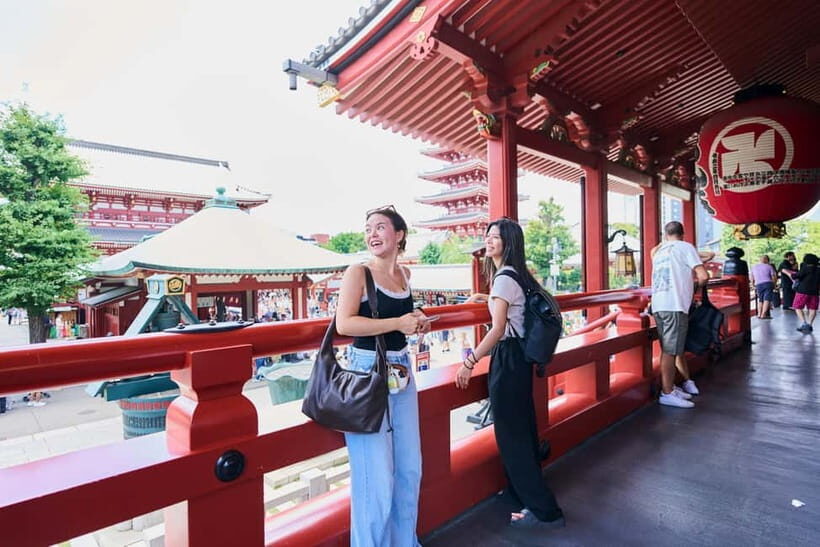
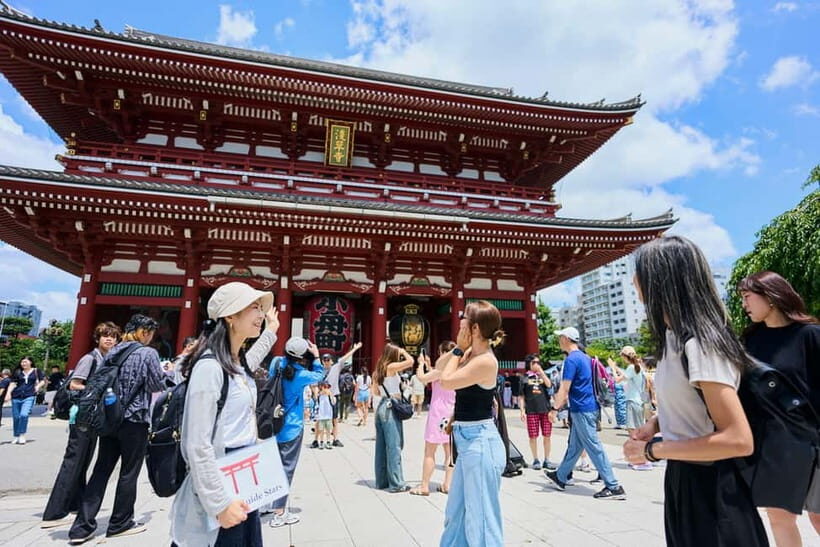
You’ll spend time at Senso-ji Temple, Tokyo’s oldest temple. It’s famous for being loved for over 1400 years, originally built in 628, and the area carries stories of protection by samurai. What I like about Senso-ji in a guided format is that you don’t just get dates and legends. You get a sense of how this space has stayed meaningful while the city around it kept changing.
Senso-ji can be crowded, and it’s easy to drift through while missing the points. A guide helps you spot the important areas and understand what you’re looking at, including the temple’s role in the neighborhood’s daily rhythm. Even if you’re not the type to memorize temple history, this is the kind of stop that gives you a strong mental anchor for the rest of the walk.
Also, plan for the small rituals. You might feel like making a small offering or drawing omikuji (fortune-telling paper) at the temple. The tour notes cashless payment isn’t accepted, so having some cash in your pocket is smart. This is one of those tiny details that can make the difference between skipping the ritual and actually doing it.
Asakusa Shrine: where Buddhism and Shinto show up together
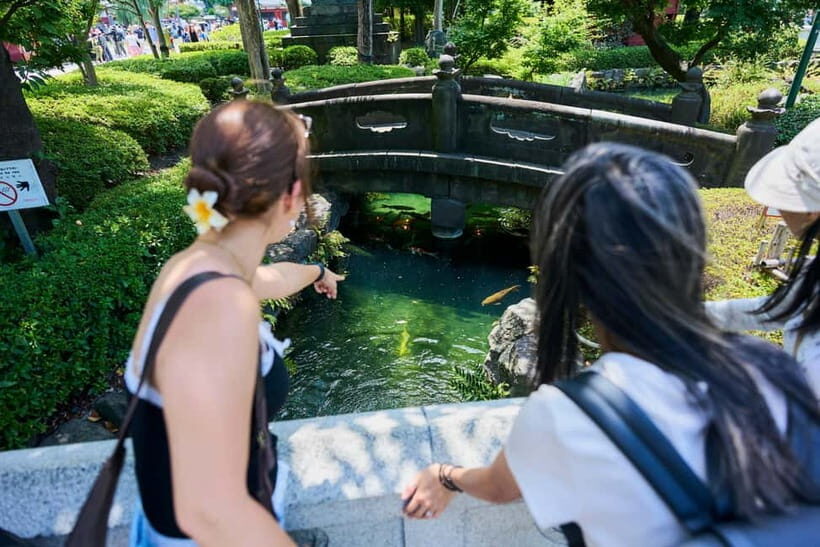
Right next door, you’ll visit Asakusa Shrine. This stop is there for one reason: it’s a clear example of how Buddhism and Shinto coexist in Japan, which the tour specifically calls out as a learning focus.
In practice, this makes the area more than a single attraction. It’s two belief systems sharing physical space nearby, with a rhythm that feels local rather than staged. I like that the guide’s explanation keeps this from turning into confusing “what am I looking at?” guessing.
If you’re the kind of traveler who likes religious sites but wants the story behind the sightlines, this is a strong pairing. You’ll leave with a better sense of why Japan’s temple-and-shrine culture can feel interconnected instead of separate.
Snacking like a local: street food tastings with guide picks
After temple time, the tour turns practical: local street food tasting along lively streets. The idea is simple. You’ll stroll, snack, and learn what to try based on the guide’s top local eats.
Here’s the key value: you’re not making random choices while hungry. You’re getting a local’s shortlist, which can save time and reduce the risk of buying something you don’t end up liking. Because the tour includes meals and drinks as not included, I’d treat this as guided snack buying. You may pay for what you taste and what you choose to add on.
If you’re a first-time visitor, food tasting on foot is one of the easiest ways to learn a neighborhood without turning every hour into a museum visit. If you’re traveling with a sensitive stomach or strict diet, you’ll want to ask the guide what’s in the snacks you’re offered, since the tour data doesn’t list exact dishes.
Knife shop stop: pro chef blades and gift-worthy browsing
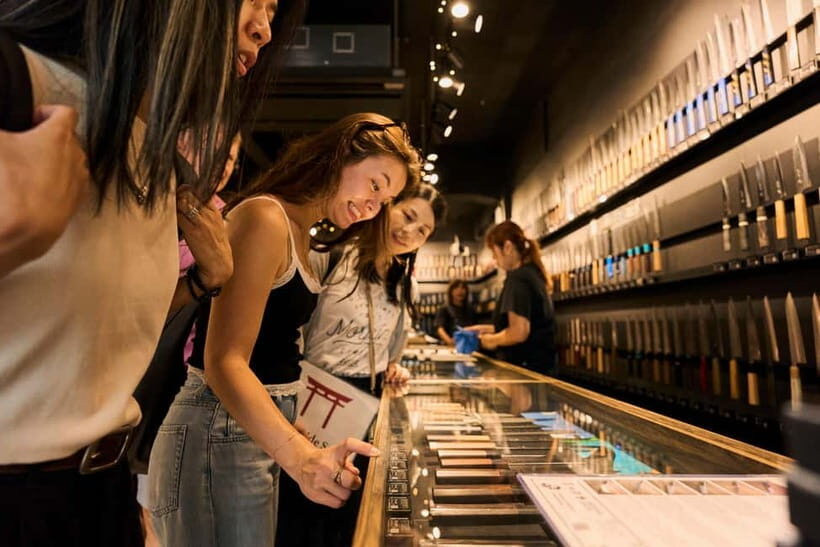
One of the tour highlights is a pro-level knife shop visit. This isn’t just “cool store for photos.” In Japan, knives are a serious category, and a specialist shop is where you’ll see the craftsmanship and how people actually shop for cooking tools.
What you’ll get from this stop is context. The guide will help you orient to the store and understand why this kind of shop exists in a place like Asakusa, where traditional crafts and daily life overlap. Even if you don’t plan to buy, this is a great stop for learning what to look for in a cooking knife and what makes a knife feel like a real purchase rather than a tourist souvenir.
If you do want to buy, remember it’s a short 2-hour tour. Plan to keep the rest of your day in mind, because carrying anything heavy or bulky through Tokyo isn’t fun.
You can also read our reviews of more food & drink experiences in Tokyo



Samurai sword and ninja gear store: fun, visual, and easy to enjoy
Next up is a samurai sword and ninja gear shop. Even if the word ninja makes you roll your eyes, the stores are usually more interesting than the theme sounds. You’ll see props, costume-adjacent items, and the kind of collectible culture that sticks in your memory.
I like this stop because it gives you contrast. After the quiet (and often serious) mood of temples, this part is energetic and playful. It’s also a good place to pick up small gifts. You’re browsing for something tangible that looks like it belongs in Japan, not a generic Tokyo postcard.
If you’re not into weapons or costume gear, you can still use the time to look for clever souvenirs like themed accessories or smaller items you can bring home without weight issues. The tour keeps it as a “visit and discover” style stop, not a hard sell.
Cute Japanese tableware shop: small souvenirs that feel personal
The last shopping stop is a Japanese tableware shop. This is exactly the kind of souvenir that works after you get home. Cups, plates, chopsticks, and little serving items can become daily-use reminders of a trip, not something that sits in a drawer.
Why I think this stop is a smart addition: tableware is both practical and local. Even if you don’t cook fancy dinners, you can still use a nice set for everyday meals, or gift it to someone who loves Japanese design.
Because the tour data doesn’t specify exactly what’s inside, the best move is to browse with intention. Decide what you want to bring home early, so you don’t burn time late in the tour when you’re deciding on the spot.
The 2-hour timing: good value if you like focused walking
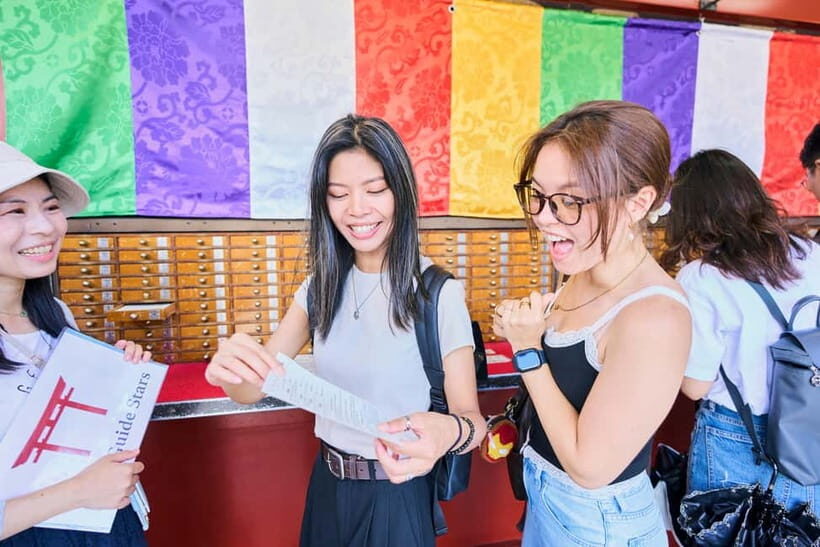
This is a 2-hour tour, priced at $16 per person. That’s low for a guided walk that includes multiple stops beyond a single landmark. You’re paying for direction, explanation, and the shop visits that are otherwise easy to skip if you’re self-guiding.
The trade-off is time. Two hours means you’ll see the key highlights, but you won’t have the luxury of lingering for hours inside temple spaces or doing deep shopping. If you want slow travel and long photo breaks, you may feel slightly rushed. If you like a tight “see it, learn it, eat a bit, move on” style day, this timing is a win.
Also note what’s not included: meals and drinks aren’t part of the price. That’s not a deal-breaker, but it does mean you should budget extra for the tasting portion and any snack you decide to buy along the route.
Practical info that can save your day
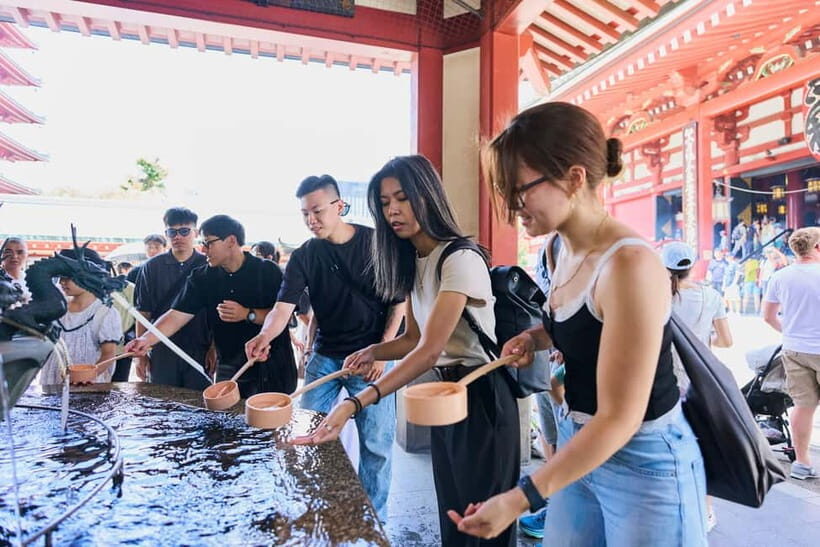
Meeting point and routing are straightforward. You start at Kaminarimon Police Box at Asakusa Station, then you end back at the meeting point. That helps if you’re using public transit and don’t want to worry about where you’ll be deposited afterward.
The tour is English-language, and it’s designed for comfort on foot. Wear comfortable walking shoes, and be ready for varying weather conditions. If you’re visiting in the rainy season, having a compact umbrella or light rain layer helps.
Finally, cash matters. The tour notes cashless payment isn’t accepted for things like offerings or omikuji. Bringing some cash is a small move that lets you participate instead of observing from the sidelines.
A quick note on reviews and what they signal
The rating is 5 out of 5 across four reviews. One written review is Oscar’s simple thumbs-up, which doesn’t add details but does match the basic promise of the tour: a smooth, enjoyable walk with the right mix of stops. In other words, there’s no red-flag pattern in the limited feedback—just a clear thumbs-up for the experience format.
Should you book this Asakusa tour?
You’ll likely love this tour if you want a first-time-friendly Asakusa plan that hits the big temple site, shows you the Shinto-Buddhism connection nearby, and then keeps you moving with food and shopping stops. It’s also a good match if you’re the kind of traveler who enjoys practical learning: where to look, what to try for snacks, and what kinds of local shops are worth your time.
Skip it or consider pairing it with other plans if:
- you want a long temple visit with lots of quiet time
- you’re not interested in shops (knives, sword/ninja gear, or tableware)
- you don’t want to walk much, since the route is 2 hours
- you’re hoping for a full meal included in the price (meals and drinks aren’t included)
For most visitors who want a compact, value-priced Asakusa experience that feels local rather than just sightseeing, this is a solid booking.
FAQ
How long is the Asakusa history walking tour?
It’s a 2-hour walking tour.
How much does it cost?
The price is $16 per person.
Where do I meet the guide?
Meet in front of the Kaminarimon Police Box at Asakusa Station. The guide will be holding a sign that says Local Guide Stars.
Is the tour in English?
Yes, the tour language is English.
Are meals or drinks included?
No. Meals and drinks are not included. The guide will share top local picks for food tasting, but you should expect to purchase what you eat.
What should I bring?
Bring comfortable walking shoes. It also helps to carry some cash in case you want to make an offering or draw omikuji, since cashless payment isn’t accepted.
What is the cancellation window?
You can cancel up to 24 hours in advance for a full refund.