REVIEW · KYOTO
Whisk Your Own Matcha: A Zen Matcha Experience at Temple
Book on GetYourGuide →Operated by ENSHI KYOTO · Bookable on GetYourGuide
A Zen temple is a great place to slow down fast. This hands-on matcha session lets you whisk your own bowl while an English host explains the tea ceremony’s meaning and history, step by calm step inside the Shokoji Temple area. The whole vibe is quiet, simple, and very Kyoto.
I love that you’re not just watching. You’ll get to do the matcha whisking yourself with traditional tea tools, then taste what you made. I also like the add-ons: a traditional Kyoto sweet and a photo shoot, so you leave with both the flavor and the memory.
One thing to plan carefully: the venue is a small, easy-to-miss temple. If you’re even a little late—or if you’re relying on vague directions—you could waste time hunting for the sign.
In This Review
- Key highlights you should care about
- A Kyoto Temple Matcha Session That Actually Feels Practical
- Price and Value: What $32 Buys You in 45 Minutes
- Finding the Spot at Shokoji Temple: Don’t Trust Lazy Navigation
- Your Hands-on Matcha Whisking: The Part You’ll Remember
- What You’ll Drink and Eat: Matcha Plus a Kyoto Sweet
- The Zen Meaning You Learn (So It’s Not Just a Drink)
- Host and Group Feel: English Instruction and a Quiet Session
- Who Should Book This and Who Should Skip It
- Should You Book This Matcha Whisking Experience?
- FAQ
- Where is the meeting point for this matcha experience?
- How long is the experience?
- What language is the instructor?
- How much does it cost?
- What’s included in the price?
- What is not included?
- Can I cancel and get a full refund?
- Is it wheelchair accessible?
- Are children allowed?
- Are there any restrictions on behavior or items?
Key highlights you should care about
- Hands-on whisking of your own matcha with traditional tools
- Tea ceremony context: history and the cultural meaning behind each gesture
- Tasting included: matcha plus a traditional Kyoto sweet
- Photo shoot included so your session doesn’t disappear into your camera roll later
- English instruction with time for questions during the ritual
A Kyoto Temple Matcha Session That Actually Feels Practical
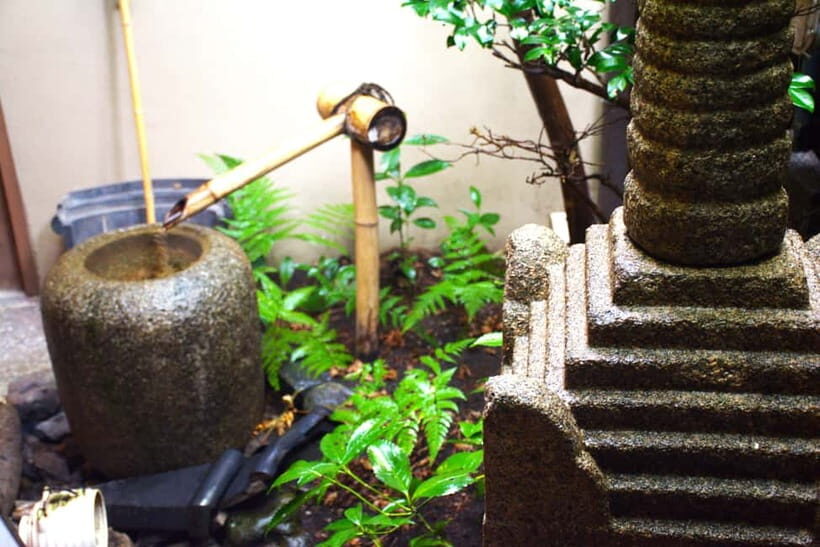
This experience is built around a simple idea: you learn by doing. You’ll step into a serene temple atmosphere and get guided through a matcha tea ceremony format where your hands matter—especially when you whisk. That’s the difference between a lecture and a true “I can do this” moment.
In a short session (just 45 minutes), you’ll get the essentials: the ritual, the tools, and the taste. You also get the cultural layer that makes it make sense—how matcha ties into Zen practice and why the gestures aren’t random. You’re not expected to be a tea expert. You just show up, follow along, and do your best.
And yes, the temple setting helps. Even if you’re tired from sightseeing, the pacing nudges you to slow down. It’s the kind of experience that works well when you want something calm and meaningful, not another “line up and take photos” stop.
You can also read our reviews of more tours and experiences in Kyoto.



Price and Value: What $32 Buys You in 45 Minutes
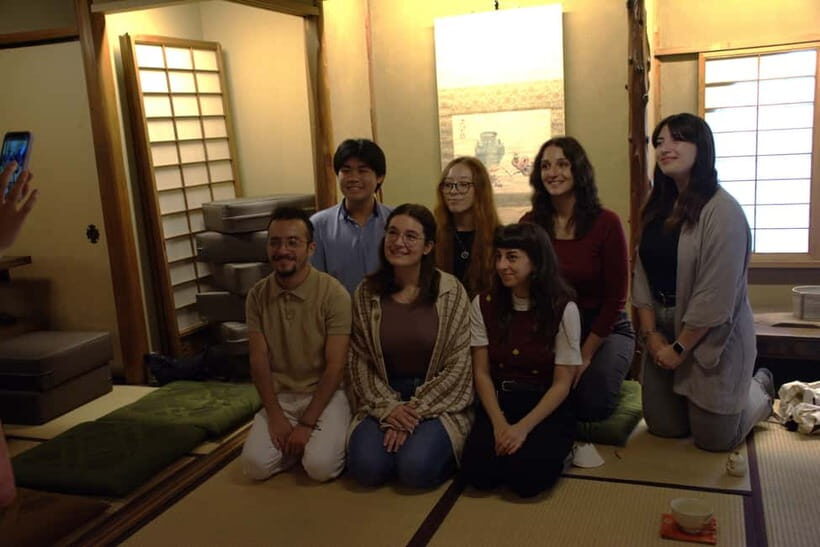
At $32 per person, you’re paying for a guided, hands-on cultural experience—not just a drink. The price includes tea, a traditional Kyoto sweet, and a photo shoot. For me, that combo is where the value lives: you’re paying for the coaching and the complete package, not only for matcha.
The time commitment is also a real factor. Forty-five minutes is long enough to learn the basics of how to whisk and why the process matters, but short enough that you won’t feel stuck when your Kyoto day gets hectic. If your schedule is tight, this is the kind of activity that fits without eating up your entire afternoon.
One more value point: the instructor is English, which reduces the “I’m guessing what’s happening” stress. When you can ask questions clearly, you get more out of the ceremony instead of just following hand movements.
Finding the Spot at Shokoji Temple: Don’t Trust Lazy Navigation
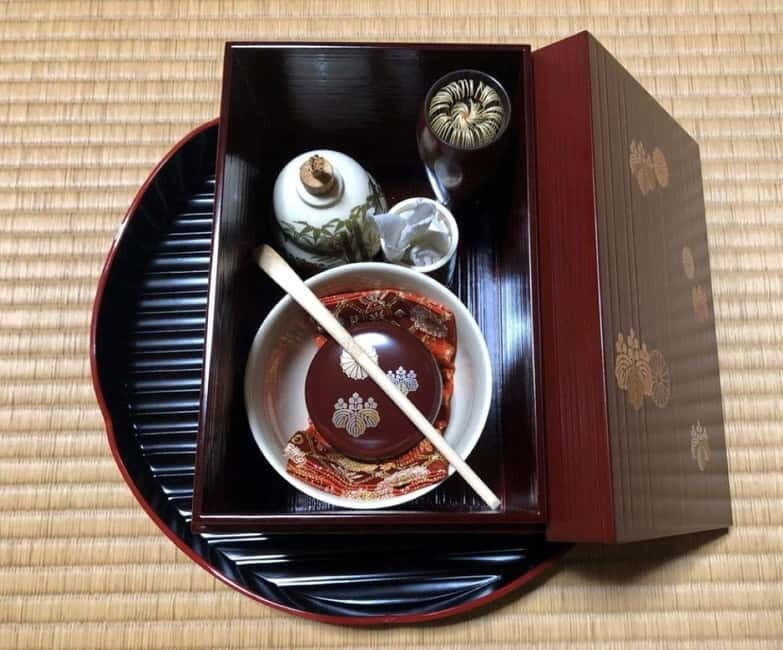
The meeting point instructions are clear, but they also hint at the real-world challenge: this is a small but distinctive temple. From Kyoto Station, you’ll take the north central exit and head straight north. Walk along Karasuma Street for about 10 minutes, and Shokoji Temple should be on your right, just past several intersections.
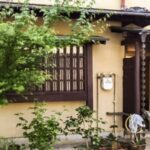
Because it’s not a big, famous entrance with giant signage, you’ll want to keep your eyes up. Look for the sign at the entrance. If you’re the kind of person who relies on a map pin only, consider arriving early and doing a quick visual check.
If you get stuck, you have a direct contact number: 080-5259-3796. That’s the practical safety net here. Also, transportation costs are not included, so factor in your transit time from Kyoto Station (or wherever you’re starting your day).
Finally, a small planning note: you can cancel up to 24 hours in advance for a full refund, and you can reserve now and pay later. That flexibility is useful if you’re juggling Kyoto weather or timing.
Your Hands-on Matcha Whisking: The Part You’ll Remember
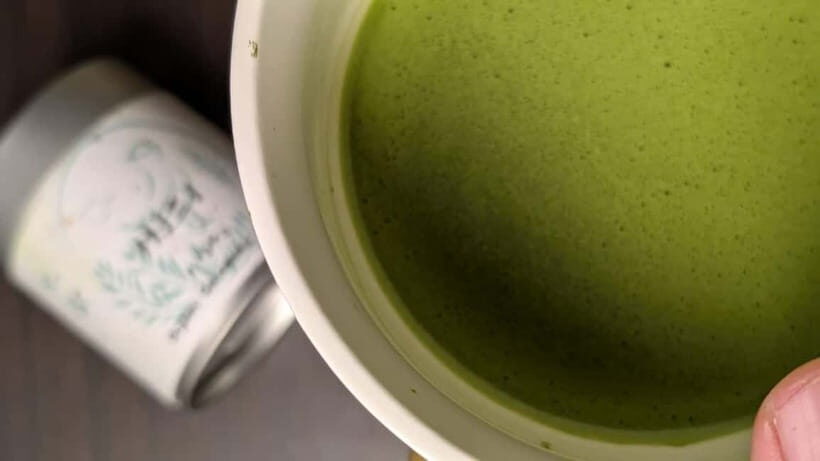
This is a whisk-your-own matcha experience, which means you’ll do the main action—not just observe it. You’ll be guided using traditional tea tools, with an English host showing you how to handle the bowl and whisk during the ritual.
What you’re really practicing here is coordination and attention. Whisking matcha is physical, but the host frames it as mindful movement. You’ll learn the cultural meaning behind each gesture, so your body isn’t just copying steps. It’s participating in a tradition.
The session also includes a bit of teaching while you work. You’ll learn about the history of the tea ceremony, and you’ll understand why matcha has been cherished for centuries as part of Zen practice. The goal isn’t trivia. It’s helping you taste with more context.
From a practical standpoint, you’ll want to treat this like a calm workshop. Wear comfortable clothes, arrive a little early, and keep your phone away during the core ritual. You can take photos with the provided photo shoot included, and you’ll enjoy the moment more if you let the rest of your time be just about making tea.
What You’ll Drink and Eat: Matcha Plus a Kyoto Sweet
This session isn’t only about whisking. You’ll savor the tea you make, plus a traditional Kyoto sweet. That sweet matters because it balances the experience—matcha is earthy and focused, and the accompanying confection gives you something to compare with as your palate resets.
In the tea-culture spirit, this isn’t a random dessert add-on. It’s part of the ceremony pacing: you whisk, you taste, and then you continue in the same calm rhythm. It helps that you can ask questions during the process. When you’re curious about what you’re tasting, the host’s answers make the flavors feel less mysterious.
One detail that pops up in guest comments: Mochi is among the sweets served in some sessions. Even if your sweet ends up being a different traditional Kyoto option, the setup stays the same—tea first, then a classic Kyoto pairing.
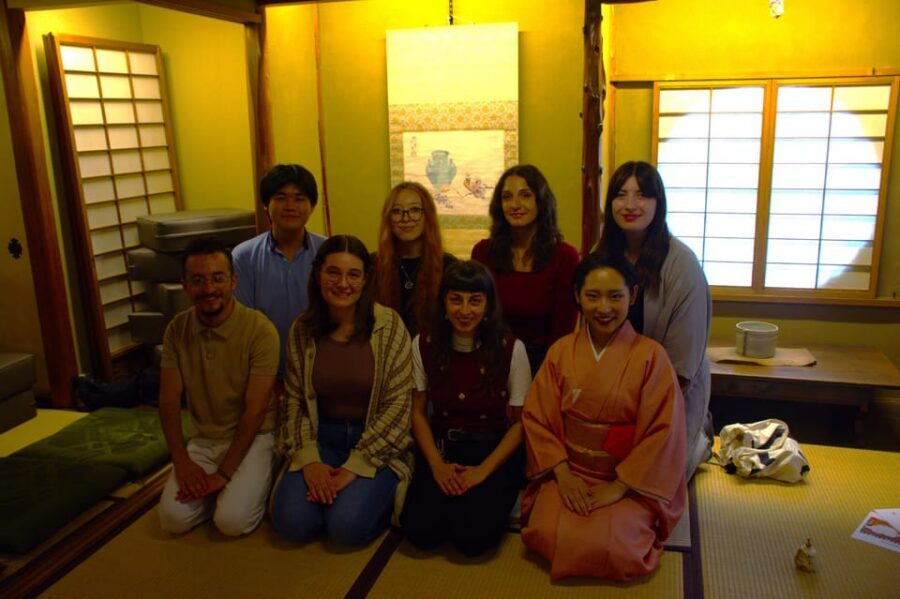
And don’t skip the included photo shoot. It’s easy to show up, have a meaningful moment, and then later realize your memories are mostly blurry. This makes sure you’ll have something clear to look back on.



The Zen Meaning You Learn (So It’s Not Just a Drink)
You’ll hear about the history of the tea ceremony and the cultural meaning behind the gestures. That framing is what turns matcha from a beverage into a small lesson in how people slow down.
The host will connect matcha with Zen practice and explain why the ritual has stuck around for so long. You don’t need to be spiritual to appreciate that angle. The practical takeaway is that the ceremony teaches attention: to the tools, to the timing, and to how you move.
This is especially valuable if you tend to rush your day. Kyoto is full of things to see. But if your plan is only temples-on-temples, this gives you a different kind of cultural experience—one that asks you to participate instead of just pass through.
Also, because the instructor is English, you’re not guessing. You’ll get a human explanation in plain language, plus opportunities to ask questions. If you’ve ever wondered what matcha is supposed to taste like when it’s done right, this is the kind of setting where your questions will actually land.
Host and Group Feel: English Instruction and a Quiet Session
The experience runs with an instructor who speaks English. That matters in Kyoto, where even great signage can still leave you feeling like you’re missing half the meaning.
Guests have praised the host style—especially hosts like Sakura, who appear as the English guide in multiple bookings and are described as friendly, warm, and able to answer questions. That kind of communication is a big deal. You’ll learn faster when you’re not afraid to ask what something means or how to do it properly.
The group size can also feel small. Some sessions are described as very private, even when it’s just a couple of people. You might not have a guarantee of privacy, but the format supports it: a short, structured ceremony with your hands on the tools, not a big production.
One more rule worth noting: no alcohol or drugs, and party groups aren’t allowed. So if you’re looking for a calm, respectful atmosphere, this structure helps maintain it.
Who Should Book This and Who Should Skip It
This experience fits best if you want a hands-on cultural activity that’s calm, short, and meaningful. It’s a great choice for first-time Japan visitors who want something beyond sightseeing tickets. If you’re a tea fan, it’s also satisfying because it includes both technique and explanation, plus tasting.
It’s not a fit for everyone. Children under 10 aren’t suitable, and people with back problems should skip it. Since the session involves sitting and focused movement, it’s smart to consider your comfort level before booking.
It’s also a good option if you don’t want to spend a half-day on an activity. Forty-five minutes is manageable, and the included sweet and photo shoot mean you won’t need to add extra stops right after.
If you’re traveling in a group specifically looking for a party vibe, this isn’t built for that. The atmosphere is meant to be quiet and respectful.
Should You Book This Matcha Whisking Experience?
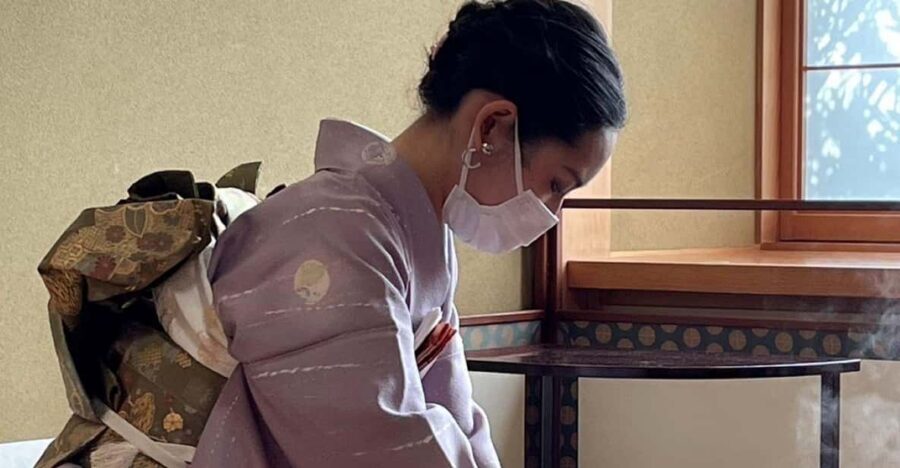
I’d book it if you want a Kyoto temple experience that’s active, not just observational. The combination of hands-on whisking, an English explanation of the tea ceremony’s meaning, Kyoto sweets, and a photo shoot is the kind of package that actually justifies the price.
I’d hesitate only if your biggest worry is punctuality or navigation. The temple location is small and the entrance signage is easy to miss, so give yourself extra buffer time and use the contact number if you’re stuck. Also, since one booking issue has been reported where a guide didn’t show up, it’s wise to confirm details close to your start time and keep your communication plan ready.
If you’re looking for a short, calm, do-it-yourself cultural ritual, this is a strong match. Book it when you want something that slows you down—and when you’re ready to whisk with your own hands.
FAQ
Where is the meeting point for this matcha experience?
From Kyoto Station, take the north central exit and walk north along Karasuma Street for about 10 minutes. Shokoji Temple should be on your right-hand side, just past several intersections.
How long is the experience?
The duration is 45 minutes.
What language is the instructor?
The instructor is English.
How much does it cost?
The price is $32 per person.
What’s included in the price?
Included are tea, a traditional Kyoto sweet, and a photo shoot.
What is not included?
Transportation costs to the location and tips are not included.
Can I cancel and get a full refund?
Yes. You can cancel up to 24 hours in advance for a full refund.
Is it wheelchair accessible?
Yes, it is wheelchair accessible.
Are children allowed?
Children under 10 years old are not suitable for this experience.
Are there any restrictions on behavior or items?
Alcohol and drugs are not allowed, and party groups are not allowed.