REVIEW · TOKYO
Wonderful Peaks & Peace: Mt. Fuji, Fuji Stupa & Hakone Tour
Book on Viator →Operated by Mogambo Tours · Bookable on Viator
Fuji in one long day can work. I like how this private tour strings together the big Mount Fuji sights, especially Mt. Fuji 5th station and the Fuji Five Lakes, so you’re not wasting time figuring out trains and transfers.
I love the service too. In the reviews, guides like Prem, Rana, and Puskal sound genuinely hands-on, including Prem waiting through shopping delays and a ride-back jam, and Rana making it easier for families with small kids.
One drawback to plan around: it’s a 10-hour day with short stop times. If you want long wandering, you’ll have to choose your pace fast, and two key sights have optional admission charges (Mt. Fuji 5th station and Narusawa Ice Cave).
In This Review
- Key Points You’ll Feel Right Away
- Mt. Fuji 5th Station: the 3,776-meter payoff (and the extra ticket)
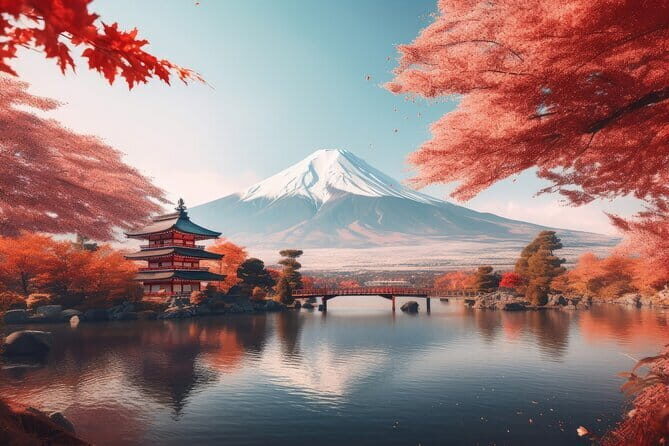
- Chureito Pagoda in Arakurayama Sengen Park: the peace memorial photo hit
- Kitaguchi Hongu Fuji Sengen Jinja: seeing Fuji through shrine culture
- Oshino Hakkai: eight springs fed by Fuji’s aquifer
- Fuji Five Lakes sprint: Kawaguchi, Oishi Park, Yamanaka
- Lake Kawaguchi (about 1 hour)
- Oishi Park (about 1 hour)
- Lake Yamanaka (about 45 minutes)
- Narusawa Ice Cave in Aokigahara: a cool stop inside the Sea of Trees
- Price and Logistics: is $370 per group good value?
- Guides make or break the day: Prem, Rana, and Puskal
- How to plan your day for best Fuji results
- Should You Book the Wonderful Peaks & Peace Tour?
- FAQ
- Is this tour private?
- How many people can be in a group?
- How long is the tour?
- What’s included in the price?
- What’s not included?
- Which sights are free on this itinerary?
- Do you get pickup from Tokyo?
- Do I need to download tickets?
- When should I book?
- What’s the cancellation window?
Key Points You’ll Feel Right Away
- Private group up to 5 keeps the day calmer and more flexible than big bus tours.
- Pickup and drop from Tokyo-area plans means less commuting stress.
- Fuji 5th station at 3,776 meters is the altitude highlight (with optional admission).
- Fuji Lakes hits include Kawaguchi, Oishi Park, and Yamanaka with scenic time blocks.
- Oshino Hakkai and Chureito Pagoda deliver classic views with plenty of photo time.
- Aokigahara’s Narusawa Ice Cave adds a cool, unusual stop (optional admission).
Mt. Fuji 5th Station: the 3,776-meter payoff (and the extra ticket)
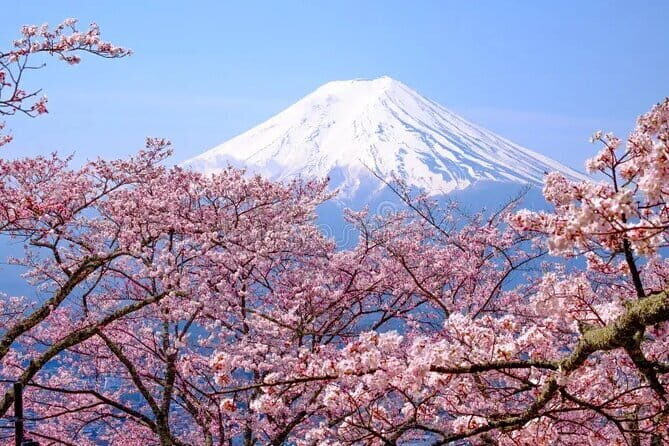
The tour starts with the thing you came for: Mt. Fuji 5th station. At 3,776 meters, it’s high enough that the mountain feels close and commanding, not just something you spot from afar. The big practical point is simple: you’ll spend about an hour here, and optional entry is not included.
What that means for you:
- If visibility is good, this is where you’ll get the “wow” moment—big peak, crisp air (bring something warm), and views that feel more direct than lower viewpoints.
- If clouds roll in, it’s still worth going, but your photo expectations should be flexible. An hour gives you a shot at shifting weather, not just one quick glance.
- Plan for the optional admission fee ahead of time so the stop doesn’t stall while you figure it out on the spot.
This is also a strong moment for photos that don’t look like everyone else’s postcard. From 5th station, the scale is the star.
You can also read our reviews of more tours and experiences in Tokyo.



Chureito Pagoda in Arakurayama Sengen Park: the peace memorial photo hit
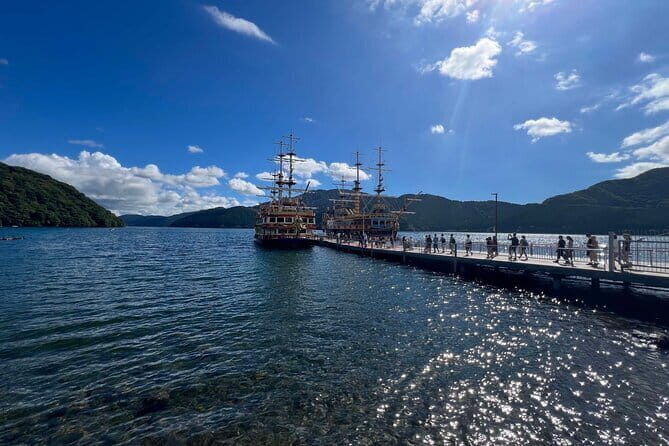
Next is Chureito Pagoda, in Arakurayama Sengen Park. It’s the five-story pagoda you’ll recognize, and it’s tied to the Arakura Fuji Sengen Shrine. The tour’s take on it is practical: you’ll get about an hour, and the admission is free.
Why I think this stop matters:
- It’s a perfect “reset your eyes” moment between mountain heights and lake views. You go from altitude to iconic composition.
- The park setup makes it an easy win for photos. You don’t need to be a great photographer—just show up and point your camera toward Fuji.
- The time box is realistic. One hour is plenty to see it, take photos, and still move on without feeling rushed.
Consideration: this is a classic spot. Even if you arrive at a good moment, it’s still a major sightseeing stop, so expect some waiting for the best angles.
Kitaguchi Hongu Fuji Sengen Jinja: seeing Fuji through shrine culture
Then you shift from the photo-friendly side into cultural grounding at Kitaguchi Hongu Fuji Sengen Jinja. This shrine enshrines the deity of volcanoes in general and Mount Fuji in particular, and the stop is free.
It’s a short visit—about 45 minutes—but it’s not just a “walk past the building” moment. This shrine connection helps you understand something important: Fuji isn’t only scenery here. It’s tied to worship, rituals, and the way people interpret nature.
For your experience:
- Use this time to slow down. Lighting and crowds matter less when you’re focused on details and atmosphere.
- If you’re curious, ask the guide what makes this shrine distinct among the roughly 1,300 Asama shrines in Japan (the tour description points out the wider tradition).
If you tend to rush in Japan, this stop is the reminder to switch gears for a bit.
Oshino Hakkai: eight springs fed by Fuji’s aquifer
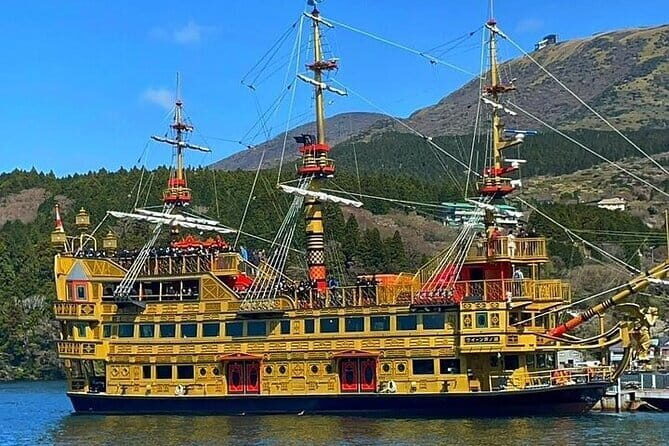
Oshino Hakkai is next, and it’s one of the most satisfying “walkable” parts of the day. You’ll spend about 1 hour 30 minutes, and admission is free.
Here’s what you’re looking at: eight springs in Oshino, supplied by water from Mount Fuji’s aquifer. The springs are described as a Natural monument of Japan, and being part of the wider Mt. Fuji UNESCO World heritage context gives the area a serious status.
Why I like this stop on a day trip:
- It breaks up the scenery loop. After the 5th station and shrine architecture, you get water, reflections, and the feeling of Fuji’s presence at ground level.
- You can take your time without it turning into an all-day detour. Ninety minutes is a nice middle ground—enough to see the full set and still enjoy the later lake viewpoints.
Practical tip: if you’re sensitive to walking on uneven ground, wear shoes that feel steady. The area is easy to explore, but it’s not a flat mall.
Fuji Five Lakes sprint: Kawaguchi, Oishi Park, Yamanaka
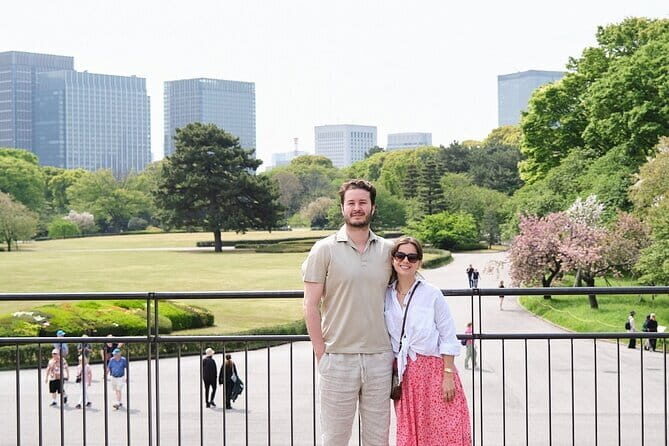
The afternoon is where you get the “Fuji framed by water” moments. This part is essentially a focused loop through the Fuji Five Lakes region, with three dedicated stops that share one goal: keep Fuji in view as often as possible.






Lake Kawaguchi (about 1 hour)
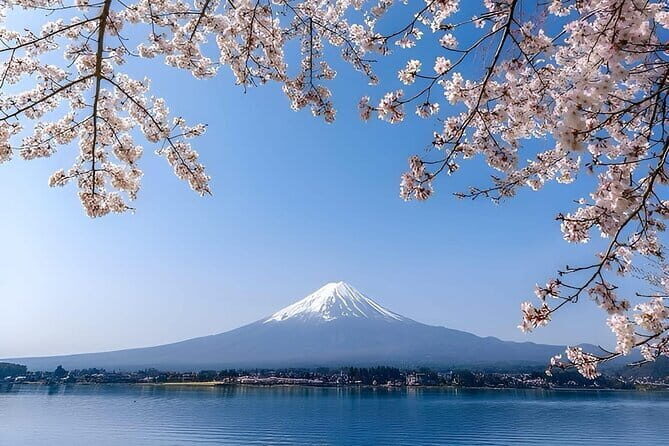
Lake Kawaguchi is the second largest of the Fuji Five Lakes by surface area and sits at the lowest elevation. The stop is free, and your time here is about getting classic lake-and-peak views without turning it into a hike.
Oishi Park (about 1 hour)
Next is Oishi Park on the north shore of Kawaguchiko. This is a “see Fuji and the lake at once” stop. The promenade has flowers that bloom depending on the season, which means the scenery can change a lot across the year.
If you’re the type who likes variety in photos, Oishi Park is a good use of time. You’re not stuck with one angle—you can walk a bit along the promenade and adjust.
Lake Yamanaka (about 45 minutes)
Finally, the tour heads to Lake Yamanakako, the largest lake of the five. The description notes it looks whale-shaped when viewed from the air. You won’t be flying, so don’t chase the aerial view as an exact outcome—but the bigger lake scale and open sightlines can still make this feel like the grand finale of the lake section.
Timing reality check: this is where the “10-hour day” matters. You’ll be moving. If you’re hoping to spend hours at one lake, this isn’t that format.
Narusawa Ice Cave in Aokigahara: a cool stop inside the Sea of Trees
The last major visual curveball is Narusawa Ice Cave, set within the Aokigahara Forest, sometimes called the Sea of Trees. You’ll have about 45 minutes, and admission is not included.
This stop is described with very specific features:
- Ice pillars
- An ice wall visible throughout the year
That’s a big part of why this works on a day trip. After photos of Fuji and lakes, you get something tactile and strange-in-a-good-way. Even if you’ve seen ice caves before, this one is tied to the famous forest area and is about as different as you can get without leaving the region.
Practical note: because admission isn’t included, you’ll want to have cash or a payment method ready and confirm details with your guide on the spot. Also, caves typically mean cooler temperatures than the outside air—bring something light but warm enough if you run cold.
Price and Logistics: is $370 per group good value?
At $370 per group (up to 5), this tour can be a very good deal if you’re thinking in total convenience, not just transport cost.
What you get for that price:
- Air-conditioned vehicle
- Guide
- WiFi on board
- Highway fee
- Pickup and drop
- A mobile ticket for the experience
What can add to your bill:
- Optional admission fees at Mt. Fuji 5th station
- Optional admission fee for Narusawa Ice Cave
- Tips and gratuities
Here’s the value logic I’d use: if you split this between 3–5 people, the guide + car + highway fee can feel close to “worth it for one day” compared to piecing together trains, buses, and timed transfers—especially when you’re trying to hit both the Fuji viewpoints and the ice cave.
If you’re traveling solo or as a couple and you’re comfortable navigating locally, you might find cheaper ways. But if you want the day to run on rails—pickup included, stops timed, and someone handling directions—this price starts to make sense fast.
One more logistics note: the tour is private, and only your group participates. That matters more than you’d think when you’re doing a tight route. You’re not trapped behind other groups’ timing.
Guides make or break the day: Prem, Rana, and Puskal
The reviews heavily point to one thing: the guide attitude. And on a day like this, attitude affects everything from pace to stress.
- Prem: described as friendly and attentive, checking the itinerary before proceeding. He also showed patience when the group was stuck in a return-ride jam and had to wrap up shopping first.
- Rana: praised for showing people where to go and for practical tips. His care for a family with two young kids comes through clearly, with the goal of making the day easier.
- Puskal: repeatedly noted as attentive and good at tailoring the day to what you want to see, plus helping with planning around time limits.
I take that seriously. When a route is tight, a good guide can turn “we missed the view” into “we got the next best one.” Even small choices—when you leave a stop, where you stand for photos, how you pace the walk—change the feel of the day.
If you book, do yourself a favor: mention your priorities at the start. Tell them what matters most to you—5th station first, lake views, or the ice cave—and they’ll have a chance to shape the timing.
How to plan your day for best Fuji results
You can’t control clouds. But you can control readiness, and that makes a difference.
- Bring layers for altitude and cave temps. The 5th station sits at 3,776 meters; Narusawa Ice Cave is a cool environment.
- Be ready for a fast rhythm. Most stops are around 45–90 minutes, so you’ll want to decide what matters most at each stop rather than trying to do everything.
- Have a payment plan for the optional admissions. Since Mt. Fuji 5th station and Narusawa Ice Cave aren’t included, you’ll avoid awkward delays by prepping ahead.
- Use the guide’s photo instincts. If you want better shots, ask where to stand and how to time pictures at each stop. The reviews suggest these guides actively help with directions and tips.
Also, note the tour title mentions Hakone, but the actual schedule here centers on Fuji Lakes and the Aokigahara ice cave. If Hakone hot springs are your must-do, clarify expectations up front before you commit.
Should You Book the Wonderful Peaks & Peace Tour?
Book it if you want:
- A private day trip that handles transport, timing, and navigation for up to 5 people
- A strong mix of iconic Fuji viewpoints and cultural stops: Chureito Pagoda, Oshino Hakkai, Kitaguchi Hongu Fuji Sengen Jinja
- The unusual add-on of Narusawa Ice Cave in Aokigahara
Skip or think hard if:
- You hate moving constantly and want long stays at one place
- You’re hoping for a true Hakone-focused day with hot springs (this itinerary is more Fuji-lakes-plus-ice-cave than classic Hakone)
FAQ
Is this tour private?
Yes. It’s a private tour/activity, meaning only your group participates.
How many people can be in a group?
The price is listed per group for up to 5 people.
How long is the tour?
It runs about 10 hours.
What’s included in the price?
Included are an air-conditioned vehicle, WiFi on board, a guide, highway fees, and pickup plus drop-off.
What’s not included?
Tips and gratitude aren’t included. Also, optional admission fees apply for Mt. Fuji 5th station and Narusawa Ice Cave.
Which sights are free on this itinerary?
Chureito Pagoda, Kitaguchi Hongu Fuji Sengen Jinja, Oshino Hakkai, Lake Kawaguchi, Oishi Park, and Lake Yamanaka are listed as free admission stops.
Do you get pickup from Tokyo?
Pickup is offered, and the tour includes pickup and drop-off.
Do I need to download tickets?
You’ll receive a mobile ticket.
When should I book?
The experience is commonly booked about 53 days in advance on average.
What’s the cancellation window?
You can cancel for free up to 24 hours in advance for a full refund.
If you want, tell me your travel month and whether you’re more into mountain views, shrine culture, lakes, or the ice cave, and I’ll help you decide what to prioritize during the 10-hour day.