REVIEW · OSAKA
【Private】Sushi Making Osaka! Omakase Cooking Class in Japan!
Book on Viator →Operated by Sushi Making Tokyo | Cooking Class in Japan · Bookable on Viator
Sushi making in Osaka sounds fun. Then it gets practical fast. You’ll learn how nigiri and maki come together, with a clear focus on technique and Japanese food culture.
Two things I really like: the class format lets you make as many pieces as you like, not just one tiny demo, and you get an English-speaking instructor who keeps the pace friendly. You’ll hear sushi basics and history too, not just step-by-step instructions.
One possible drawback to consider: this is a short, 90-minute session, so you’ll leave having a solid feel for the fundamentals, but you won’t get the kind of deep, hours-long training some cooking-school programs offer.
In This Review
- Key highlights you should care about
- Private Sushi-Making in Osaka: The Setting and Who It Fits
- What You Learn: Nigiri and Maki Without the Guesswork
- Nigiri sushi: the classic starting point
- Maki sushi: the roll that travels everywhere
- Why the history chat is worth your time
- 90 Minutes of Hands-On Flow: Make, Then Eat
- Meet the Team: Momoka, Momo, and Hiro (and Why Their Style Matters)
- Dietary Options That Are Listed (and the Limits You Should Know)
- Price and Value in Real Life: $848.74 for Up to 10
- Getting There and Working It Into Your Osaka Day
- Should You Book Sushi Making Osaka?
- FAQ
- How long is the sushi making class in Osaka?
- What kinds of sushi do you learn to make?
- Is this a private experience?
- Where is the meeting point?
- Do you accommodate dietary restrictions?
- What is the cancellation policy?
Key highlights you should care about

- Two sushi styles in one class: nigiri and maki, so you get both the classic and the roll-everywhere version
- Hands-on first, eating last: you’ll spend the earlier part making, then enjoy the sushi you produced
- English clarity from the host team: instructors like Momoka, plus hosts Momo and Hiro, are repeatedly described as patient and upbeat
- Private-by-default feel: it’s a private group experience, up to 10 people
- Dietary menu options exist: gluten-free, vegan/vegetarian, halal, and allergy-related substitutions are available with advance notice
- Great location for an Osaka day: it’s in Higashishinsaibashi, right where you’ll want to walk afterward
Private Sushi-Making in Osaka: The Setting and Who It Fits

Osaka is famous for food you can actually eat with your hands and enjoy without stress. This class fits that mindset. You’re in central Osaka (Higashishinsaibashi, Chuo Ward), close to the kind of sights and streets where you can turn one activity into a whole day.
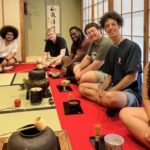
This is especially smart if you’re traveling with friends, family, or a small group. Since it’s private and up to 10 people, you don’t have to worry about watching from the sidelines or getting stuck in a crowded, impersonal workshop. You also get a more relaxed rhythm with the instructor, because the team can correct and guide while you work.
Who I think will love it most:
- Couples who want a memorable Osaka food moment that’s still hands-on
- Small groups who prefer a private setting over a big tour
- Foodies who like learning the logic behind Japanese dishes, not just following a recipe
If you’re expecting a full omakase-style meal taught across multiple courses, you might be disappointed. The value here is the sushi-making practice plus the meal you eat at the end.
You can also read our reviews of more private tours in Osaka



What You Learn: Nigiri and Maki Without the Guesswork

The class covers two sushi types that matter in Japanese food culture.
Nigiri sushi: the classic starting point
Nigiri is the standard you’ll see across Japan: rice topped with something specific. Learning nigiri first is helpful because it forces you to understand the relationship between the rice and the topping. Get that balance right and everything else makes more sense.
In a hands-on class like this, you’re not just learning terms. You’re practicing how sushi is built. That’s the difference between watching someone roll and actually feeling the structure in your hands.
Maki sushi: the roll that travels everywhere
Maki (roll sushi) is what most people picture when they think sushi abroad. It teaches a different set of fundamentals: how to spread ingredients, manage the roll, and keep the shape clean.
Even if you already eat sushi often, you’ll likely walk away with a better sense of why certain rolls look tidy and others don’t. That matters because it changes how you order later. You start noticing technique through the food.
Why the history chat is worth your time
The class includes sushi history and context, and that’s not fluff. When you understand where sushi sits in Japanese culture—beyond taste—you’re more likely to appreciate what you’re doing. It also makes the techniques feel like they connect to a bigger tradition.
You can also read our reviews of more cooking classes in Osaka
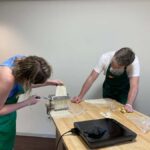
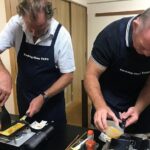
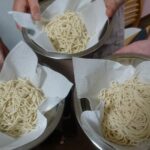
90 Minutes of Hands-On Flow: Make, Then Eat

The timing is tight, in the good way. You’re looking at about 1 hour 30 minutes total, with a clear two-part flow.
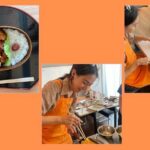
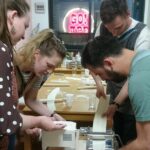
First comes the sushi learning and making. This is where you’ll try your hand at nigiri and maki, and the format encourages you to keep going rather than stopping after a single example. You can make as many as you like during the making portion, which is a huge deal if you’re the type who learns by doing.
Then the class shifts to the best part: you eat what you made. That’s where the value really shows. You don’t just leave with photos and a vague “I learned something.” You eat the results, which tells you quickly whether your technique is working.
Practical tip: if you’re photographing, do it efficiently during making. You’ll enjoy the meal more if you’re not constantly stopping mid-work.
Meet the Team: Momoka, Momo, and Hiro (and Why Their Style Matters)

The biggest strength here is the human factor. Multiple participants highlight the instructor and hosts for being English-clear, patient, and fun.
You’ll see names like Momoka, plus hosts Momo and Hiro come up in the feedback. What matters isn’t just the personality—it’s the teaching approach. When the instructor is patient, you’ll slow down just enough to get the technique right, even if you’re not confident in the kitchen.
Also, the class isn’t framed like a stiff lesson. People describe the host team as dynamic, helpful, and comfortable to be around. That’s key for a hands-on cooking class. If you feel awkward, you don’t learn as fast.
If you’re traveling with kids or teens, this kind of relaxed teaching style can make the difference between a fun food activity and a stressful one. One review even calls it a good fit across ages.
Dietary Options That Are Listed (and the Limits You Should Know)

If you need a specific diet, you’re not stuck guessing—menu options are explicitly mentioned:
- Standard (gluten-free)
- Vegan/vegetarian
- Halal
- Allergy-related changes (with an example list of items not used: meat, nuts, fruits, dairy)
But there are important boundaries:
- You need to contact about the menu change when you make the reservation.
- Changes can’t be handled on the day.
- The class says it cannot respond to ingredient specifications.
So here’s the practical way to handle it: plan ahead and request the category (gluten-free, vegan/vegetarian, halal, or the listed allergy-related option) rather than trying to customize a one-off ingredient list. That gives the team the best chance to prepare correctly.
Price and Value in Real Life: $848.74 for Up to 10

Let’s talk money without pretending it’s simple.
The price is $848.74 per group, for up to 10 people. If you split it across the maximum group size, that works out to roughly $85 per person. If you’re a smaller group, the per-person cost goes up—but you still may find the private, hands-on format feels worth it because you’re paying for time, instruction, ingredients, and a meal.
What you get included:
- English speaking instructor
- Ingredients and the sushi meal
What you don’t get included:
- Hotel pickup and drop-off
So the value math depends on how you travel. If you’re coming with 4–6 people, this can be a very cost-effective way to do something memorable. If you’re traveling solo, it’s still doable, but you’ll likely want to compare it with public-group classes in Osaka.
Also: this is booked, on average, about 36 days in advance. That’s a clue. Slots may not stay open forever, especially around peak travel times.
Getting There and Working It Into Your Osaka Day

No hotel pickup means you’ll want to plan your commute. The meeting point is Sushi Making Osaka at 1-chōme-16-20 Higashishinsaibashi, Chuo Ward, Osaka, 542-0083. It’s near public transportation, which matters in Osaka where walking is great but you still want efficient transit.
The best way to use this in your trip plan is simple:
- Do the class earlier in the day if you want the sushi as your main meal
- Schedule other central Osaka walking afterward, since the area is known for popular sights and food streets
You’ll also appreciate the ending structure: the activity finishes back at the meeting point. That makes it easy to continue on without complicated logistics.
One more small detail that can matter: you’ll use a mobile ticket. That’s convenient when your phone is already your camera, map, and wallet.
Should You Book Sushi Making Osaka?

I’d book this if you want a short, high-satisfaction food experience with real technique and a built-in meal. It’s not just watching. You’ll make nigiri and maki, then eat what you created. And the host team’s teaching style—named instructors like Momoka and hosts Momo and Hiro—is repeatedly described as patient, funny, and clear.
I wouldn’t book it if:
- You want a longer training session with advanced progression
- You need a highly custom ingredient-by-ingredient allergy plan (the class can’t handle ingredient specifications, and changes can’t be made on the day)
If your goal is a memorable Osaka food moment that’s practical and fun, this hits the mark. Book it for a day you’re already spending in central Osaka, and treat it as both a meal and a hands-on skill upgrade.
FAQ
How long is the sushi making class in Osaka?
The class is about 1 hour 30 minutes.
What kinds of sushi do you learn to make?
You’ll learn two types of sushi: nigiri sushi and maki (roll) sushi.
Is this a private experience?
Yes. It’s a private tour/activity, and only your group participates. The group size is up to 10.
Where is the meeting point?
The meeting point is Sushi Making Osaka, 1-chōme-16-20 Higashishinsaibashi, Chuo Ward, Osaka, 542-0083, Japan.
Do you accommodate dietary restrictions?
The menu options listed include gluten-free (standard), vegan/vegetarian, halal, and allergy-related changes (examples given include meat, nuts, fruits, dairy not used). You need to request changes when you make the reservation. Ingredient specification requests are not accepted, and changes can’t be handled on the day.
What is the cancellation policy?
You can cancel for a full refund if you cancel up to 24 hours before the experience’s start time. If you cancel less than 24 hours before, the amount paid is not refunded.