REVIEW · KYOTO
3 Hours Kyoto Insider Sake Experience | Tasting Konteki
Book on Viator →Operated by Add Stories Co.,Ltd. · Bookable on Viator
Sake tastes better when you learn the why. In Fushimi, this 3-hour Kyoto experience pairs a guided stop at the Kizakura Kappa Museum with an expert-led tasting session that helps you understand dry, sweet, rich, and fruity styles. You also get a bit of the story behind how sake is made at the Higashiyama Sake Brewery (Kizakura Museum), so it’s more than just sampling.
I love the way this is organized for real learning: you try 10+ types selected by a certified Sake Sommelier, including bottles described as never exported. I also like the practical pairing setup—otsumami snacks matched to different sake styles—plus the dedicated private tasting room that keeps the experience focused instead of chaotic.
One consideration: it’s weather-dependent, and there’s a short walk as part of the brewery stop. If you’re sensitive to rain or hate walking even a little, wear comfy shoes and be ready to adapt if the tour needs to be rescheduled.
In This Review
- Key Highlights You’ll Actually Use in Real Life
- Fushimi Sake: Why This Tour Feels Like Kyoto, Not Just a Tasting
- Stop 1: Kizakura Kappa Museum Walkthrough and Brewery Tasting
- Stop 2: The Certified Sommelier’s Tasting in a Private Room
- Otsumami Pairings: How the Tour Teaches You to Choose
- Your Sake Cheat Sheet and Notes: The Most Travel-Friendly Souvenir
- Small-Group Timing That Keeps It Manageable
- Price and Value: Is $92.24 Worth It?
- Who This Tour Suits Best (And Who Might Skip It)
- Brief FAQ
- FAQ
- How long is the Kyoto Insider Sake Experience with tasting?
- What is the tour meeting point in Kyoto?
- What’s included in the sake tasting?
- Do you get food during the tour?
- Is the brewery visit part of the tour?
- How big is the group?
- Can under-20 visitors participate?
- Are there vegetarian options?
- What if the weather is bad?
- Should You Book This Kyoto Insider Sake Experience?
Key Highlights You’ll Actually Use in Real Life

- 10+ sake samples chosen by a certified sommelier, with comparisons across dry, sweet, rich, and fruity profiles
- Bottles noted as never exported, so you get a wider range than what you might find at home
- Guided brewery time at Kizakura Kappa Museum, focused on traditional brewing processes passed down through generations
- Otsumami pairing that teaches what foods match which sake styles, with a vegetarian snack option available
- A sake cheat sheet + tasting notes, made to help you pick bottles from Japanese labels and restaurant menus later
Fushimi Sake: Why This Tour Feels Like Kyoto, Not Just a Tasting
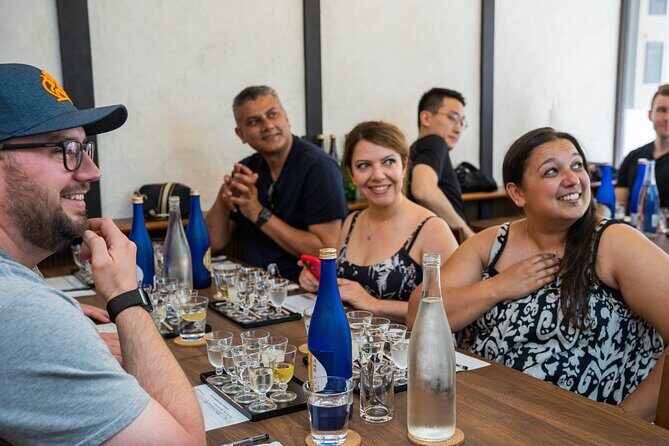
Kyoto has a way of making food and drink feel like culture, not a side quest. This experience uses that angle by centering on Fushimi and the sake-making traditions at the Higashiyama Sake Brewery (Kizakura Museum). You’re not only drinking—you’re learning what goes into the differences you’ll taste.
The biggest value is how they connect three things: how sake is made, how it tastes, and what it pairs with. That structure helps you avoid the most common sake problem when you’re traveling: ordering based on vibes (or guessing from a menu you can’t read). Here, you’re given the tasting language and the decision tools.
Timing also supports the goal. It runs about 3 hours, split between the museum/brewery segment and the guided tasting segment, so you get enough time to taste and compare without feeling rushed or dragged.
You can also read our reviews of more food & drink experiences in Kyoto
Stop 1: Kizakura Kappa Museum Walkthrough and Brewery Tasting
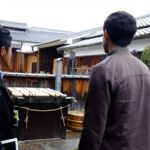
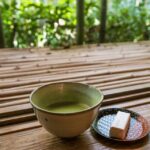
You’ll begin with a short walk to the Kizakura Kappa Museum in Fushimi. This isn’t framed as a fast photo stop. The focus is on traditional sake brewing processes that have been passed down through generations, plus some production history tied to the brewery.
Then you move from learning to tasting—your first taste happens right after the guided museum time. That’s a smart flow because your brain is already primed for what to look for. Instead of separating education from drinking, the tour keeps them braided together.
What to expect during this first stretch:
- A guided visit at the brewery/museum area (admission included)
- A short tasting component related to what the brewery produces
- Some walking, so comfortable shoes matter
A small drawback here is also a practical one: since this is partly a walking visit, rainy weather can change how pleasant that portion feels. You’ll want that bottle of water and a calm plan for rescheduling if conditions are poor.
Stop 2: The Certified Sommelier’s Tasting in a Private Room
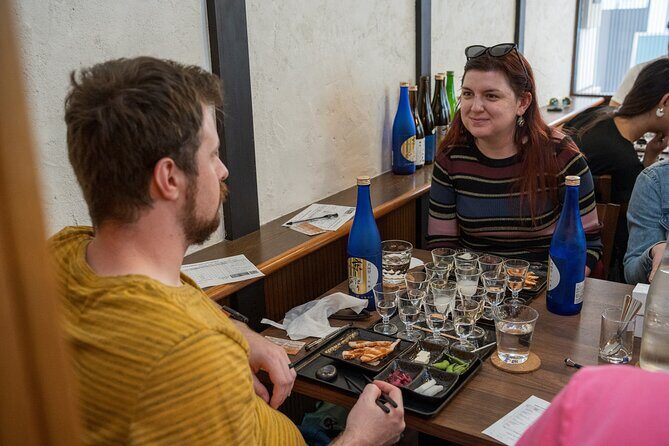
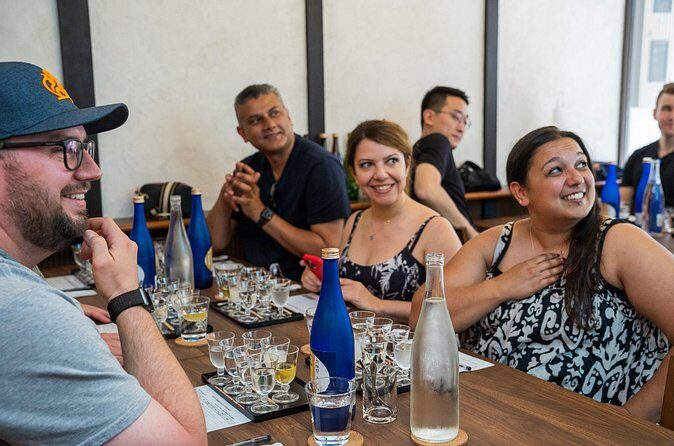
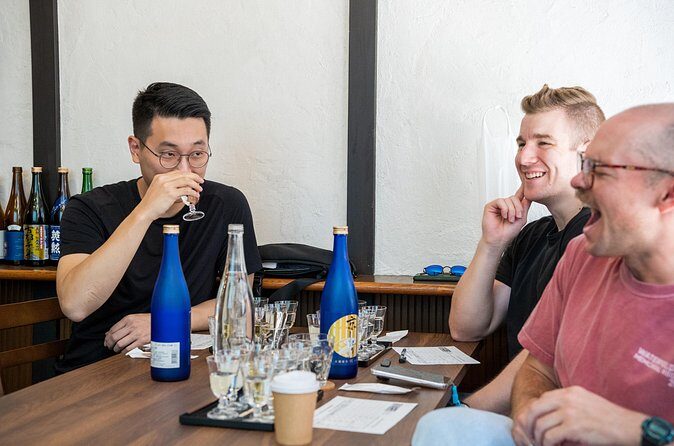
The tasting portion is where this tour becomes genuinely useful. You’ll be served a range of sake styles, with 10+ types selected by a certified Sake Sommelier. The tasting room is described as dedicated and private, which matters more than you might think.
In a private setup, you’re more likely to get personalized explanations and less likely to feel like you’re shouting over other groups. And because the guide talks through the differences in flavor—dry, sweet, rich, and fruity—you start building a mental map. That map pays off immediately.
A key detail: the tasting includes bottles that are introduced as never exported. Even if you’ve tried sake before, this is the kind of variation that makes the comparison real. You’re not just repeating your favorites; you’re learning how styles shift and why.
During the session, expect:
- Guided tasting of multiple sake types (with sommelier explanations)
- Clear descriptions geared toward helping you notice differences
- A structured flow that makes it easier to remember what you liked
If you like drinking with a purpose—trying to understand what you’re actually tasting—this part delivers. If you just want casual sampling with zero homework, you might still have fun, but you’ll probably enjoy it more if you pay attention.
Otsumami Pairings: How the Tour Teaches You to Choose
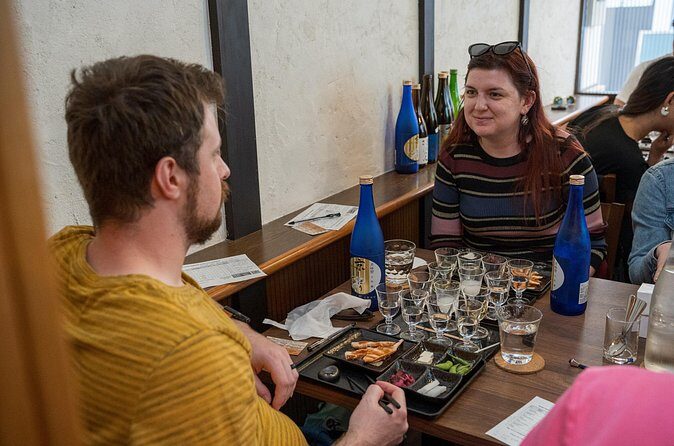
This is one of the tour’s most practical strengths: you don’t taste sake in a vacuum. You’ll be served otsumami, Japanese snacks traditionally enjoyed alongside alcohol, and you’ll connect each snack to different sake types.
That pairing time is more than food. It’s training for your future meals. Once you taste how a certain snack changes the way a sake feels—sweeter, drier, smoother, sharper—you’ll start making better choices in restaurants. And the tour explicitly aims for that outcome: after the experience, you should feel more confident selecting sake from labels or menus even when they’re written in Japanese.
You also get a small safety net for preferences. A vegetarian option for snacks is available if you tell the guide on site. That’s a relief because pairing tours can sometimes turn complicated for dietary needs.
What I like about this approach is that it helps you stop thinking about sake as one drink. Instead, you experience it as a set of flavors that can be matched to food—kind of like how wine works for people who usually stick to beer.
Your Sake Cheat Sheet and Notes: The Most Travel-Friendly Souvenir
The tour includes a sake cheat sheet and tasting notes. This is exactly the kind of item that earns its space in your bag. In a place like Kyoto, you’ll run into sake choices everywhere—bottles, sets, menu items—and lots of them will be in Japanese.
A cheat sheet won’t magically translate everything, but it can help you connect what you liked to what the label/menu is communicating. That’s the goal stated for the experience: you’ll know which type of sake you like and be able to select a favorite later, even if the text is unfamiliar.
Practical advice: don’t leave these notes behind at home. After the tasting, you’ll have clearer preferences, but a few days later the names may blur together. Use the sheet while the memories are fresh—then let it guide your next restaurant order.
You can also read our reviews of more drinking tours in Kyoto




Small-Group Timing That Keeps It Manageable

This is designed for small-group interaction, capped at a maximum of 12 travelers. That size matters because it increases the odds of direct attention from your guide and makes it easier to pace the tasting.
The schedule is also clean: about 1.5 hours for the museum/brewery stop and about 1.5 hours for the tasting and food pairing session. Total time is listed as approximately 3 hours, which is just long enough to feel like you learned something without chewing up a whole afternoon.
A few practical points you’ll appreciate:
- The tour uses a mobile ticket
- There’s no hotel pickup or drop-off, so you’ll need to get yourself there
- It ends back at the meeting point
- Bring water and try to eat lunch or brunch first
That last bit is underrated. Even with snacks, tasting events can leave you feeling a little unsettled if you show up hungry. A light meal beforehand helps you enjoy each sample and pay attention to the guide’s explanations.
Price and Value: Is $92.24 Worth It?
At $92.24 per person, you’re paying for a bundle: guided brewery/museum access, a structured sommelier-led tasting, and food pairings, all in a small group.
Here’s where the value shows up:
- Admission included for the Kizakura Kappa Museum guided tour
- 10+ sake types chosen by an expert (not just a casual pour-and-go)
- Otsumami included specifically for pairing instruction
- A dedicated private tasting room, which improves the experience quality
- The cheat sheet and tasting notes, which extend the benefit beyond the 3-hour window
Could you do a solo tasting elsewhere for less? Sure. But this experience is built to teach you how to pick what you actually like. The learning tools and pairing guidance are what you’re buying, not just alcohol samples.
Also, since it’s explicitly targeting people who love sake but aren’t sure what to choose, the odds are good you’ll leave with clearer preferences. That makes it feel less like spending money on drinks and more like paying for a tasting education you can use later.
Who This Tour Suits Best (And Who Might Skip It)
I’d point you toward this tour if any of these sound like you:
- You already enjoy sake, but you want to understand what you’re liking
- You want help choosing bottles or ordering from Japanese menus
- You like structured food-and-drink experiences with an expert guide
- You prefer a small group, guided pace, and a quieter tasting environment
You might reconsider if:
- You dislike walking even briefly
- You’re traveling with strict timing and can’t handle the possibility of weather-related rescheduling
- You want a purely casual drink experience with no focus on learning differences between styles
And one more practical note that affects comfort: Japan’s legal drinking age is 20, so customers under 20 will receive non-alcoholic drinks instead. That keeps the experience inclusive, but it may change the tone if you were expecting a full alcohol-only tasting.
Brief FAQ
FAQ
How long is the Kyoto Insider Sake Experience with tasting?
It runs for about 3 hours in total.
What is the tour meeting point in Kyoto?
The start and end meeting point is Kyoto Insider Sake Experience, 271-1 Kurumamachi, Fushimi Ward, Kyoto, 612-8365, Japan.
What’s included in the sake tasting?
You’ll have sake tasting of 10+ types selected by a sake sommelier.
Do you get food during the tour?
Yes. You’ll be served otsumami for a food pairing session.
Is the brewery visit part of the tour?
Yes. You’ll have a guided tour at Kizakura Kappa Museum with the brewery visit included.
How big is the group?
The tour has a maximum of 12 travelers.
Can under-20 visitors participate?
Yes. Japan’s legal drinking age is 20; visitors under 20 will be served non-alcoholic drinks.
Are there vegetarian options?
A vegetarian option for the snack pairing is available if you tell the guide on site.
What if the weather is bad?
If the tour is canceled due to poor weather, you’ll be offered a different date or a full refund.
Should You Book This Kyoto Insider Sake Experience?
If you want a sake experience you can actually use after you leave Fushimi, I’d book it. The combo of a guided brewery/museum stop, a structured tasting of 10+ sake styles, and otsumami pairing (plus the cheat sheet) is what turns this into more than a fun drinking session.
I’d only hesitate if your schedule is tight enough that a weather change would be a problem, or if you hate even light walking. Otherwise, this is the kind of 3-hour trip that helps you order with confidence—so your next Kyoto meal includes a sake choice that makes sense, not a guess.