REVIEW · TOKYO
3-Row Luxury Bus Tour to Mt. Fuji, Lake Kawaguchi from Tokyo
Book on GetYourGuide →Operated by VIP Japan Tour · Bookable on GetYourGuide
Mt. Fuji, then lunch, then legends. This 10-hour day trip packs in multiple classic Fuji angles around Lake Kawaguchi, with a roomy 3-row bus (27 seats) and an English-speaking guide. You get the kind of pace that lets you actually stop, look, and take photos instead of sprinting between train transfers.
I especially like the 3-row business-class style comfort. Fewer seats, independent seating, and onboard convenience make a long day feel less like punishment and more like a planned outing.
My main caution: the day is weather-dependent, and the bus setup can differ from what you expect. Mt. Fuji visibility isn’t guaranteed, so I’d treat any perfect postcard view as a bonus, not a promise.
In This Review
- Key things to know before you go
- A day built around Fuji angles (not just one photo stop)
- The luxury bus experience: comfy seats, long day, and one thing to confirm
- Morning pickup: two Tokyo meeting options, one Shinjuku finish
- Stop 1: Arakurayama Sengen Park and the Fuji pagoda photo moment
- Stop 2: Arakura Fuji Sengen Shrine + Chureito Pagoda
- Lunch and craft time at Kawaguchiko Craft Park (with workshop-style shopping)
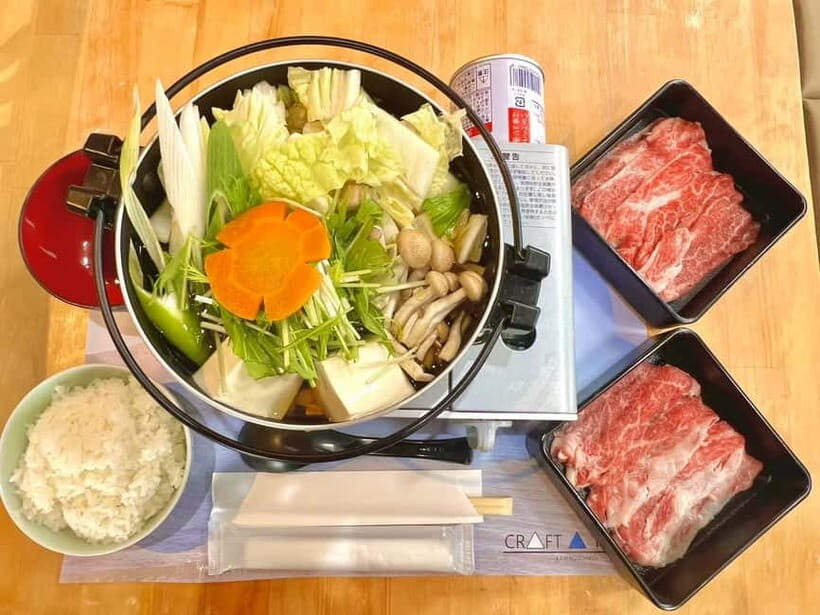
- The lunch: Kobe beef shabu-shabu
- Lake Kawaguchi: maple corridor photos and an easy lake walk
- Maple Corridor photo stop
- Main Lake Kawaguchi time
- Oishi Park: seasonal flowers and wide lake views
- Saiko Iyashi no Sato Nenba: thatched-roof houses by Lake Saiko
- The pacing: what you’ll likely enjoy most (and what could feel rushed)
- Value for $125: what you’re paying for, and what makes it worth it
- Who this tour is best for
- Should you book this Mt. Fuji and Lake Kawaguchi bus tour?
- FAQ
- How long is the Mt. Fuji and Lake Kawaguchi day trip?
- Where are the meeting points in Tokyo?
- What is included in the price?
- Is lunch included, and what kind of meal is it?
- Is the tour guided in English?
- Is there a drop-off location besides Shinjuku?
- Will the tour run if it rains?
- Is Mt. Fuji guaranteed to be visible?
- Is the tour wheelchair accessible?
Key things to know before you go
- 27-seat 3-row bus comfort makes the Tokyo-to-Fuji transfer far more pleasant than standard day tours
- Arakurayama Sengen Park gives you the iconic Fuji-and-pagoda photo moment with time to climb
- Kawaguchiko Craft Park + lunch mixes easy shopping and a regional workshop feel
- Oishi Park and the lake walk are built for slower views of Mt. Fuji reflected on the water
- Saiko Iyashi no Sato Nenba lets you step into preserved thatched-roof village scenery by Lake Saiko
- Mt. Fuji visibility can be limited depending on conditions, so plan for flexibility
A day built around Fuji angles (not just one photo stop)
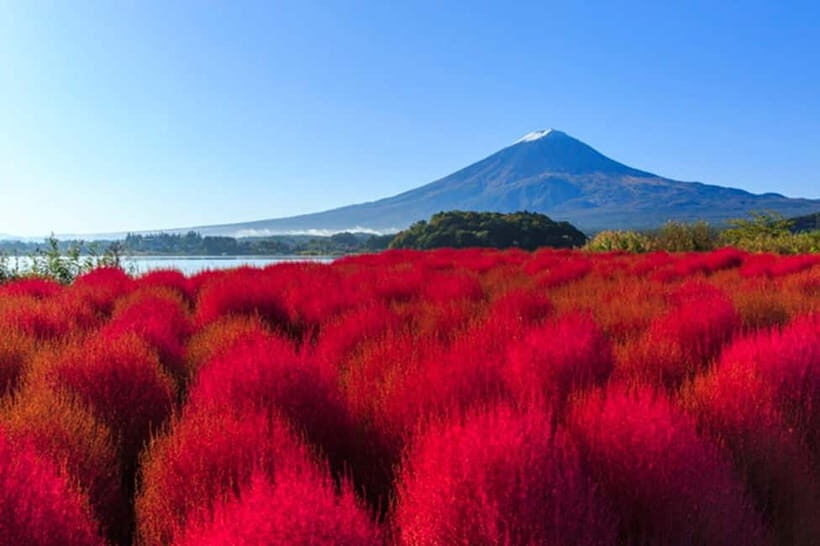
If you’ve ever tried to plan Mt. Fuji from Tokyo on your own, you know the tricky part: the mountain is stunning, but it doesn’t always show itself. This tour works because it gives you several chances to see Fuji—from viewpoints near Chureito Pagoda up through parks around the Kawaguchi lakes area.
You’ll be on the road most of the day, but the structure is smart. Instead of rushing one single viewpoint, the itinerary staggers stops so you can catch different views and lighting. Even if clouds roll in, you still end up with a good day out: shrines, gardens, seasonal flower areas, and a preserved village that feels like a break from the city.
A few more Tokyo tours and experiences worth a look

The luxury bus experience: comfy seats, long day, and one thing to confirm
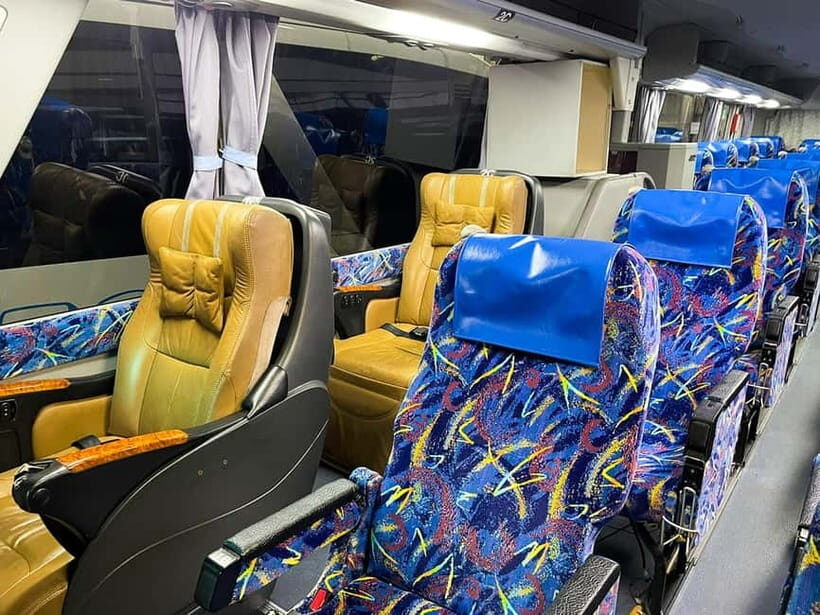
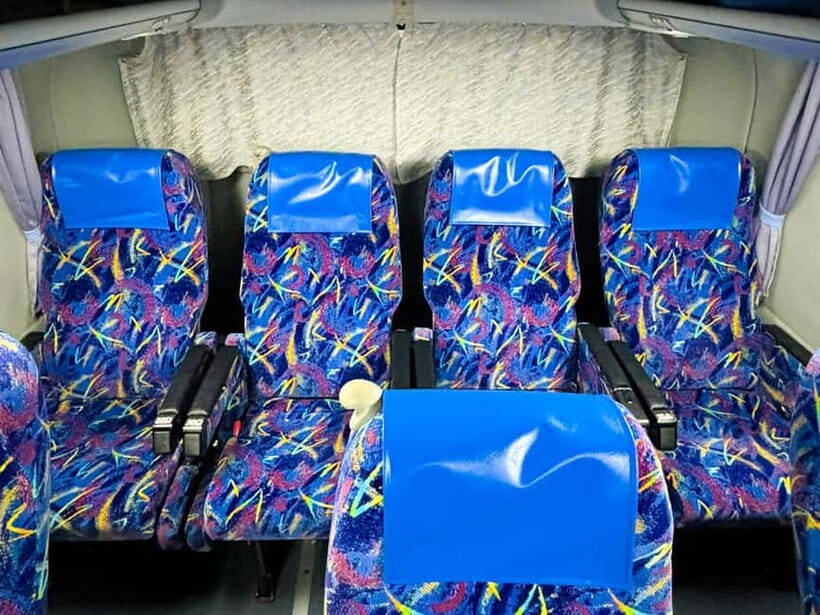
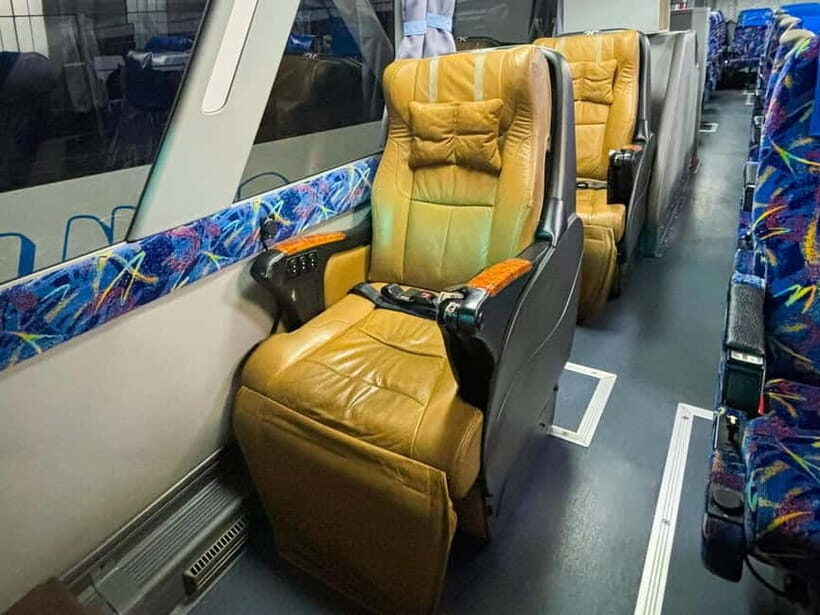
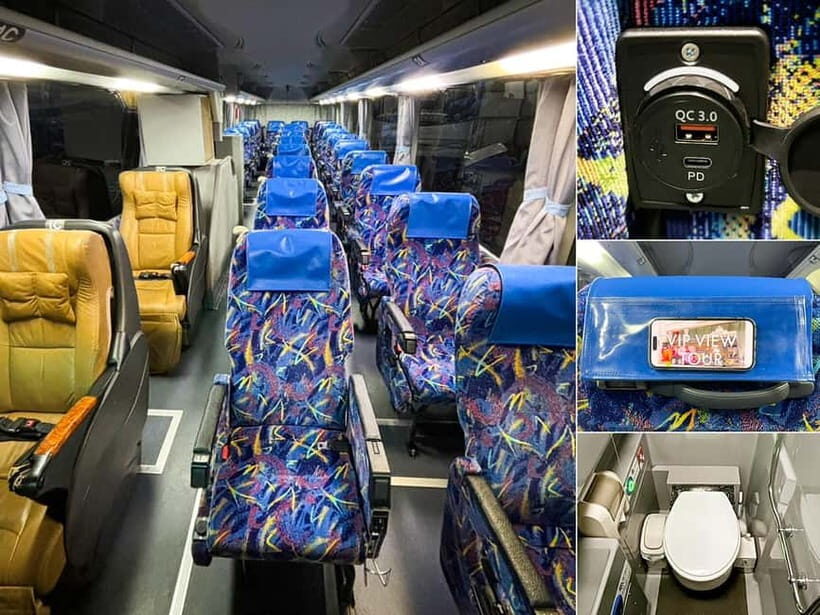
Let’s talk practical comfort, because 10 hours is a long time to be sitting. The bus is described as a 3-row luxury setup with only 27 seats and independent seating. That matters. With fewer people, you’re more likely to have personal space, and it’s easier to move without elbowing strangers every time you want a photo.
The tour also includes onboard convenience like a toilet and a business-class style feel. Still, here’s the reality check: one booking experience flagged a mismatch with the promised onboard toilet and overall bus “luxury” expectations. So if toilet access is important to you, I strongly suggest checking with the operator before you go, not after you’re already on the road.
Either way, the route is planned with highways, tolls, parking, and fuel handled, so you’re paying for the simplicity. You’re not figuring out which train/bus combo gets you between parks, lakes, and villages—your biggest job is just bringing shoes you can walk in.
Morning pickup: two Tokyo meeting options, one Shinjuku finish
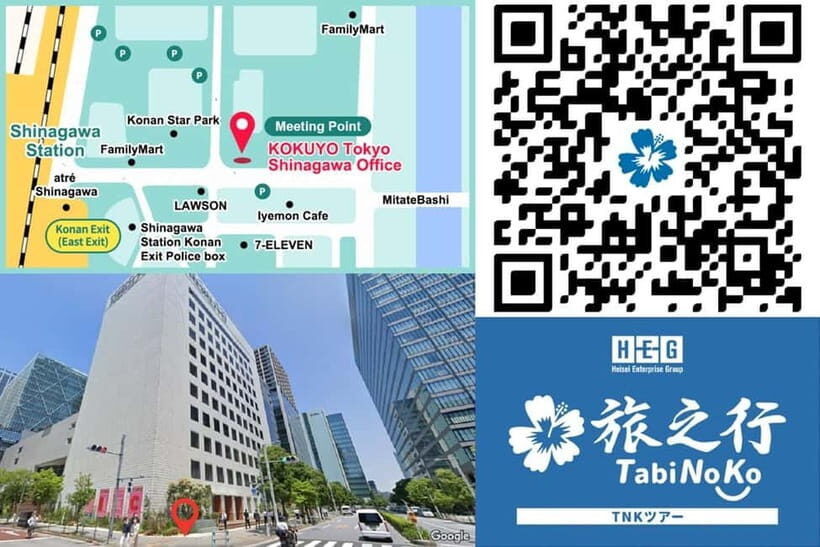
Your start depends on what you book. The tour lists two options:
- A pickup at Kokuyo’s Tokyo Shinagawa Office (ロバート・インディアナ area is mentioned separately as well)
- A meeting point near the LOVE sculpture by Robert Indiana
The important part is this: you’re finished in Shinjuku only. That makes planning easier if your hotel is in that neighborhood or you’re okay ending the day back in the city core.
Stop 1: Arakurayama Sengen Park and the Fuji pagoda photo moment
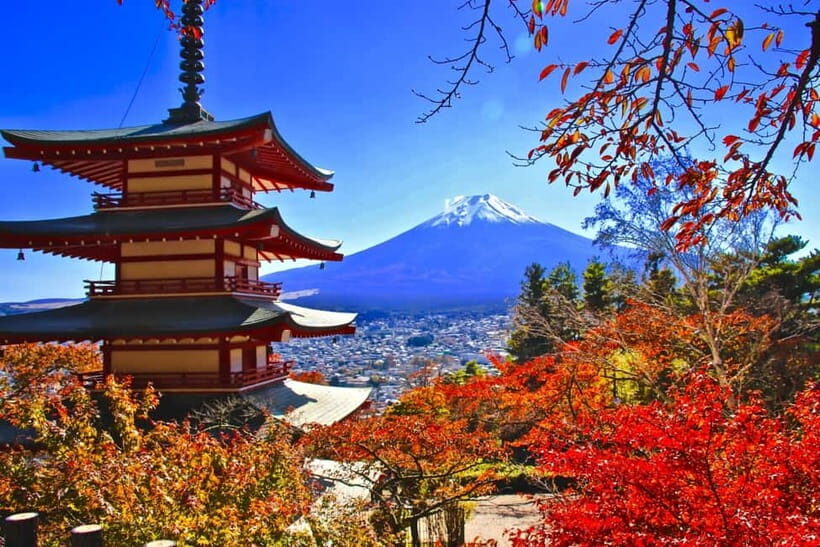
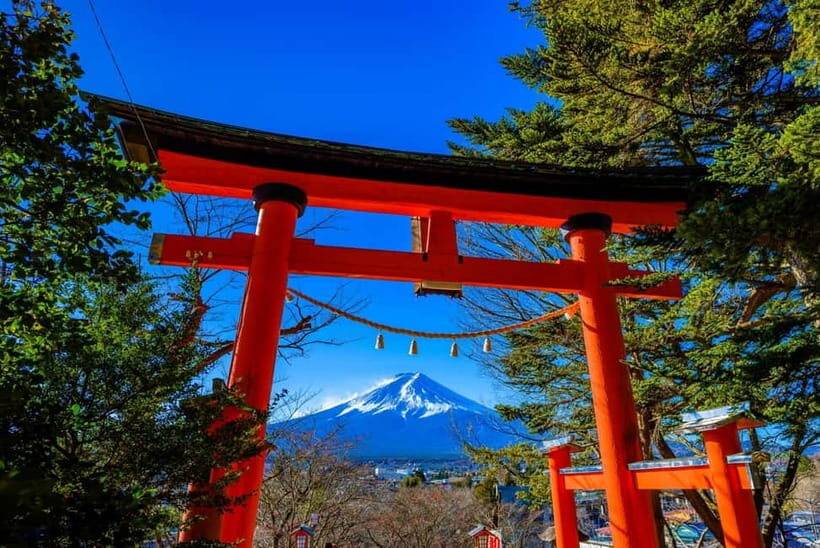
Your first big view is Arakurayama Sengen Park, with about 70 minutes on site. This is where the famous Fuji scene happens: you climb the stairs to a viewpoint where a five-tiered pagoda and Mt. Fuji share the frame.
What I like about this stop is that it’s not just a random “look at the mountain” moment. The park is set up for that specific composition—traditional architecture in the foreground, Fuji as the backdrop. If visibility is even decent, this is the best shot on the route.
Practical tip: wear grippy shoes. Those stairs aren’t dangerous, but they add up, especially if the ground is damp. Also, bring your camera strap or keep your phone secure—wind near viewpoints is common.
Stop 2: Arakura Fuji Sengen Shrine + Chureito Pagoda
Right after the main park, you’ll have photo stops connected to the shrine area and the Chureito Pagoda. These are shorter stops, but they’re part of the same iconic zone—so you’re basically doing a focused sightseeing circuit around the main viewpoint.
The payoff here is variety. Even within the same area, angles change. You get more chances to photograph the pagoda with Fuji, and you get the shrine atmosphere without needing to plan anything yourself.






Lunch and craft time at Kawaguchiko Craft Park (with workshop-style shopping)
Next up is Kawaguchiko Craft Park, plus lunch and about an hour for shopping/workshop time. This is a good “reset” stop in the middle of the day because it blends food and browsing rather than only scenic photo time.
The lunch: Kobe beef shabu-shabu
The meal is a highlight: Kobe beef shabu-shabu, prepared with premium Japanese wagyu. Even if you’re not a hardcore food person, this kind of lunch is a real value-add on a day trip. It turns the day from scenery-only into a full experience.
Why this matters: a DIY Fuji day can mean packing a sandwich or finding a random lunch place after travel delays. Here, lunch is built in and planned for group timing, so you don’t lose half your day hunting for a meal.
Lake Kawaguchi: maple corridor photos and an easy lake walk
Then you shift from mountain-and-pagoda icons into lake territory.
Maple Corridor photo stop
There’s a Lake Kawaguchi Maple Corridor stop for photos. In season, it can be a great color moment, and even off-season it gives you a straight shot toward the lake and the Fuji background when conditions allow.
Main Lake Kawaguchi time
After that, you get a photo stop and about an hour walking around Lake Kawaguchi. This is one of the best segments for your mood. The pace is slower. You’re not constantly climbing steps; you’re strolling, watching reflections when the air is clear, and enjoying the sense that Fuji dominates the horizon.
If you’re a photographer, this is where you’ll be happiest. The tour gives you enough time to slow down and try different angles rather than one rushed “stand here” moment.
Oishi Park: seasonal flowers and wide lake views
About 30 minutes at Oishi Park gives you another chance to see Fuji from a garden viewpoint near Lake Kawaguchi. The tour description leans into the seasonal flower displays, including the kind of lavender timing people often hope for.
No matter the season, the concept is the same: you get a cultivated garden area with lake scenery behind it and Fuji trying to show itself. It’s the “nature plus composition” stop, which is exactly what you want on a limited-time day.
Saiko Iyashi no Sato Nenba: thatched-roof houses by Lake Saiko
The final major sightseeing stop is Saiko Iyashi-no-Sato Nenba, a preserved traditional village near Lake Saiko. You’ll have about 50 minutes here.
This is the most “Japan beyond the postcard” feeling on the route. The thatched-roof houses are preserved to show rural heritage, and you can wander around at an easy pace. The scenery also ties back to the broader satoyama feel—areas where farming and forest meet, with Fuji often looming in the background.
I also like the small details at the village: specialty products sold near the buildings and the overall atmosphere of a place built for old rhythms. If Fuji is hidden, this stop still lands. It turns the day into culture, not only weather math.
The pacing: what you’ll likely enjoy most (and what could feel rushed)
This tour runs for 10 hours, and it’s packed. The good news: the stops are scheduled with enough time for actual looking, and the photos are grouped logically.
Still, understand what style you’re signing up for:
- You’ll get multiple photo opportunities, but not hours at each one.
- Your most active segment is the Arakurayama stairs and viewpoint climb.
- Your calmest segment is the lake walk and the village wandering.
If you like “best-of” travel and you’d rather spend your energy taking photos and enjoying a planned meal than managing transit, you’ll probably feel happy with this format.
Value for $125: what you’re paying for, and what makes it worth it
At $125 per person, you’re not just paying for a ride—you’re paying for a bundled day that includes:
- Transportation in a bus setup intended to be comfortable for a long transfer
- An English-speaking guide
- Lunch (Kobe beef shabu-shabu)
- Entry ticket coverage for Saiko Iyashi-no-Sato Nenba
- Highway tolls, parking fees, and fuel costs
- Taxes
That’s why this can be good value. A DIY day can become expensive fast once you add multiple one-way transit segments, tickets, and the time cost of switching systems. Here, you’re paying for convenience and a guided flow between the places most people come to see.
The only value risk is simple: if Fuji doesn’t appear due to conditions, you’re still left with a nice set of gardens, lake scenery, a traditional village, and a great lunch—but the main “wow” you hoped for may be muted.
Who this tour is best for
This fits best if you:
- Want an efficient Mt. Fuji day without complex transit planning
- Care about comfort on long road time
- Like structured photo stops plus one proper meal
- Appreciate cultural sightseeing, not only viewpoints
It may be less ideal if you:
- Need maximum time at a single place (this is a multi-stop day)
- Have tight mobility needs (it’s not suitable for wheelchair users)
- Are extremely sensitive to differences in what the bus includes (worth confirming the toilet setup)
Should you book this Mt. Fuji and Lake Kawaguchi bus tour?
Yes, if your goal is a well-paced, guided day built around classic Fuji views, plus a memorable lunch and a preserved rural village. The itinerary makes sense: big iconic viewpoint first, then crafted village-and-lake experiences, ending with cultural scenery.
Hold off or ask a few questions first if Mt. Fuji visibility is your top priority and you’re traveling in a season or weather window where clouds are likely. Also confirm the onboard toilet setup if you’re counting on it for a long day on the road.
If you want a reliable day format with comfort and a real lunch stop, this is a strong pick.
FAQ
How long is the Mt. Fuji and Lake Kawaguchi day trip?
The tour duration is 10 hours.
Where are the meeting points in Tokyo?
The meeting point can vary by option booked. Two listed options are the Kokuyo Tokyo Shinagawa Office and the LOVE Robert Indiana location.
What is included in the price?
It includes air-conditioned transportation, a tour guide (English), entry tickets to Saiko Iyashi no Sato Nenba, lunch, and highway tolls, parking fees, fuel costs, and taxes.
Is lunch included, and what kind of meal is it?
Yes. Lunch is included and is Kobe beef shabu-shabu.
Is the tour guided in English?
Yes, the tour includes a live English-speaking guide.
Is there a drop-off location besides Shinjuku?
No. The only drop-off location is the Shinjuku area.
Will the tour run if it rains?
Yes. The tour operates rain or shine, with cancellations only expected in extreme weather conditions such as typhoons.
Is Mt. Fuji guaranteed to be visible?
No. Visibility of Mt. Fuji may not be guaranteed depending on weather conditions.
Is the tour wheelchair accessible?
No. It is not suitable for wheelchair users.