REVIEW · KYOTO
Ancient Katana Training in Kyoto with Local Students
Book on Viator →Operated by Let's ask Shogo · Bookable on Viator
Kyoto has a real sword dojo. I love the chance to train alongside working students in a traditional setting, and I especially like the way Shogo sensei gives clear instruction in English and Japanese, so you’re not just copying motions. The class is also built around real budo fundamentals—Reihō etiquette, Iaijutsu quick-draw basics, and Kenjutsu swordsmanship—so you leave with usable technique, not just photos.
The big catch is that this is not a tourist sword show. There’s a general rule against joining with no prior budo experience, though they invite you to reach out for a consultation if you’re determined. If you’re comfortable with the idea of learning slowly and seriously, that’s exactly when this experience shines.
In This Review
- Key things I’d highlight before you go
- Kyoto’s 6:30 pm Katana Class: a real dojo rhythm
- Shogo sensei and the Asayama Ichiden Ryu Hyōhō lineage
- What you actually train: Reihō, Iaijutsu, Kenjutsu
- Reihō etiquette: more than bowing
- Iaijutsu: quick-draw fundamentals with bokutō
- Kenjutsu: swordsmanship you can feel
- How this class avoids the typical tourist traps
- Do you need prior budo experience?
- Getting to Honmachi in Higashiyama without stress
- Price and value: $45.61 for real coaching
- What the broader system means for your learning
- Who will love this (and who should think twice)
- The best way to prepare in your head
- Should you book this Kyoto katana training?
- FAQ
- FAQ
- What is included in the training?
- How long is the session?
- Where is the meeting point in Kyoto?
- What time does the class start?
- How many people can join?
- Do I need a sword of my own?
- Is this a tourist sword activity?
- Do they accept people with no prior budo experience?
- Is there any guidance in English?
- What is the cancellation window?
Key things I’d highlight before you go
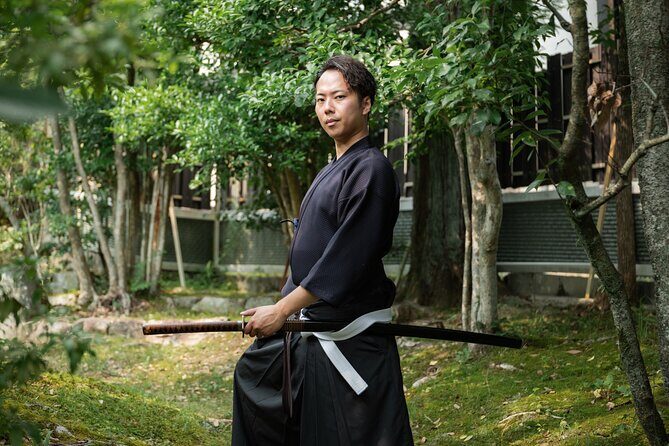
- A real Kobudo dojo session (not a performance) with local students and authentic practice structure
- Shogo sensei’s English-and-Japanese instruction, helpful if your Japanese is still getting started
- Iaijutsu and Kenjutsu focus using bokutō, so you can practice safely while building control
- Small group size (max 4 travelers), which means more attention and fewer awkward gaps
- Bokutō support, including the fact that you don’t need to bring a sword to join comfortably
- Start time at 6:30 pm in Higashiyama, a nice fit with a Kyoto day that’s already in motion
Kyoto’s 6:30 pm Katana Class: a real dojo rhythm
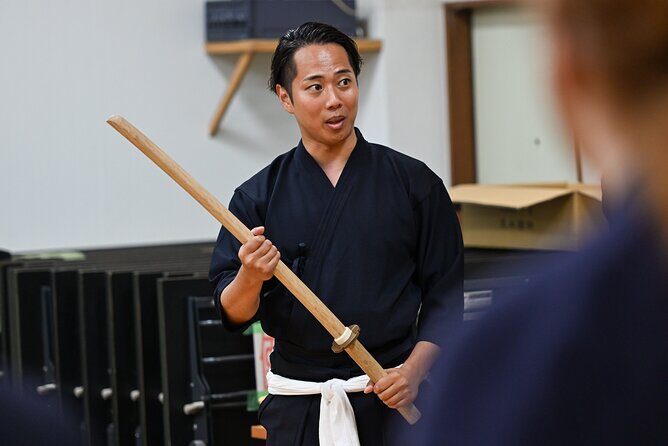
This activity is timed like a proper training session: it starts at 6:30 pm and runs about 3 hours. That matters in Kyoto. Many “sword experiences” are squeezed into short time slots and built around spectacle. This one feels more like you’re stepping into someone’s regular night of practice, with a clear rhythm and a serious tone.
You’ll meet at 7-chōme-27-1 Honmachi, Higashiyama Ward, Kyoto (605-0981), and the class ends back at the meeting point. That setup is practical: you don’t have to plan a complicated return, and you can build the rest of your evening like a normal Kyoto itinerary. Also, they note it’s near public transportation, which is a big deal for getting to a dojo without turning your day into a scavenger hunt.
One more practical detail: the group is capped at 4 travelers. In a small room, the instructor can spot small problems fast. In sword arts, small problems are usually what slow you down—stance, timing, distance, and the way you move your hands. A larger group often turns learning into watching. Here, it’s more hands-on.
You can also read our reviews of more tours and experiences in Kyoto.



Shogo sensei and the Asayama Ichiden Ryu Hyōhō lineage
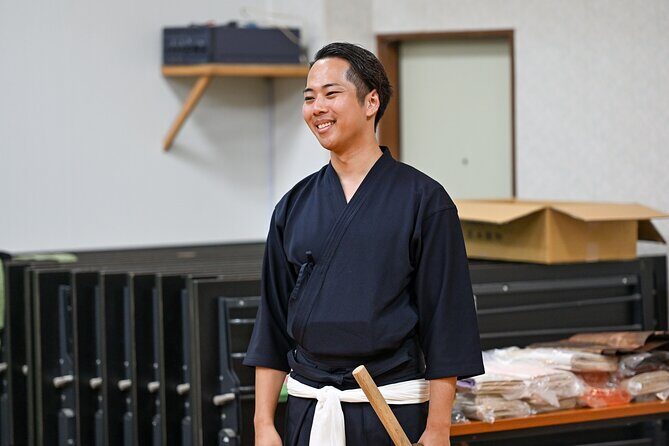
You’re training with the Kyoto Branch of Asayama Ichiden Ryū Hyōhō, a tradition with over 400 years behind it. That age isn’t just trivia. It’s a hint that you’re learning from a system that’s been practiced carefully over generations, with methods designed to be repeatable, testable, and teachable.
The dojo’s martial identity is kobudo, classic Japanese budo. In many countries, “martial arts” learning can drift toward performance or general fitness. Kobudo like this tends to keep you honest. Even if you only get a few hours in one night, you’re still touching core ideas: discipline, form, control, and respectful technique.
Shogo sensei is also a key reason this works for English-speaking visitors. From what I’ve seen described, he communicates in both English and Japanese, which is a rare comfort in Japan. When the instruction is bilingual, you spend less time guessing what the next adjustment is. And when you spend less time guessing, you actually improve during the session instead of just trying hard.
What you actually train: Reihō, Iaijutsu, Kenjutsu
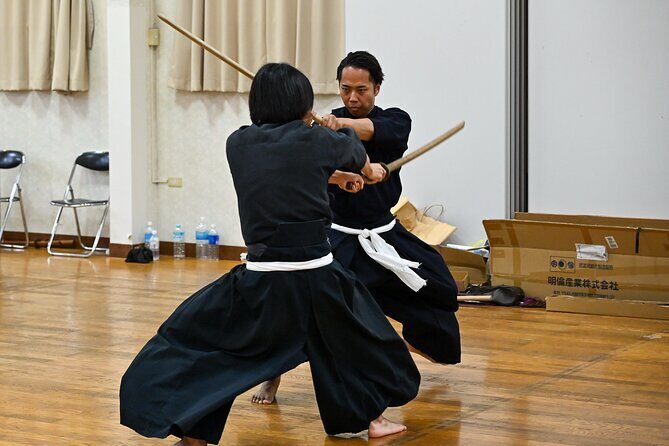
This class is structured around three main pillars: Reihō etiquette, Iaijutsu, and Kenjutsu. That trio is important because it connects mind, body, and timing.
Reihō etiquette: more than bowing
Reihō is the etiquette side of budo training, and it’s not just “be polite.” In sword arts, etiquette teaches awareness. It sets the tone for safe movement and respectful training. It also helps you understand that the sword practice is part of a bigger discipline, not just a cool trick.
In practical terms, Reihō is how you get your body into the right mindset. You’ll feel yourself shifting from tourist mode into student mode. If you’ve ever worried that you might mess up socially in a traditional setting, Reihō is actually your guide. It tells you how to show up correctly.
Iaijutsu: quick-draw fundamentals with bokutō
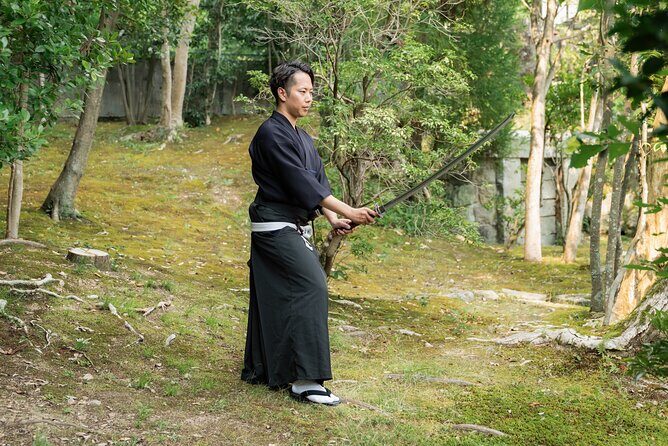
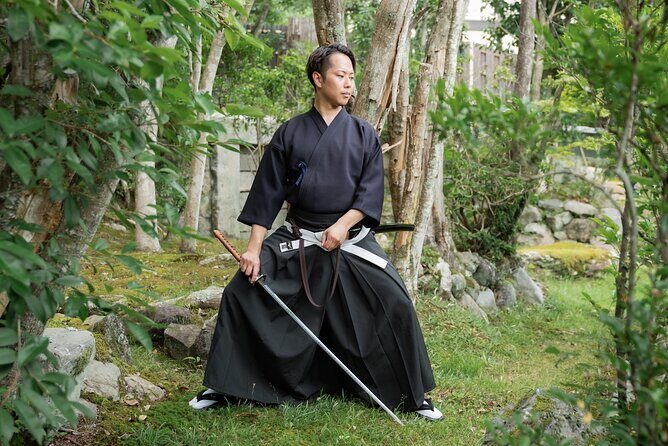
Iaijutsu is the quick-draw side of sword art. Even when you’re using a wooden katana (bokutō), you’re training precision: timing, posture, and the way you coordinate the draw with control of the blade.
This is where many first-timers expect fireworks. Instead, the value is in basics. A correct draw is not about speed alone. It’s about starting in the right position, moving efficiently, and stopping cleanly. In a short session, you won’t learn the entire art, but you should be able to leave with a better sense of how good draws are built.
Also, bokutō matters. It lets you practice form and mechanics without the same risks that come with steel. It’s a great compromise for beginners because you can focus on the movements that will matter later.






Kenjutsu: swordsmanship you can feel
Kenjutsu is the sword combat side—how the sword moves and how the body handles distance, angles, and technique. With Kenjutsu, you usually learn more about structure: where your hands go, what your hips do, and how you keep your movement from turning sloppy under pressure.
The class uses bokutō here too, which keeps things accessible while still training the important relationships between body and blade. Even if you’re not used to martial arts, you can usually understand the goal quickly: strong, stable posture and controlled technique.
And based on the way Shogo sensei teaches, it’s not a one-size-fits-all class. The instruction is described as well-paced and adjustable to your level. That’s huge. If you’re the kind of person who panics when you feel behind, you’ll appreciate that the class is forgiving when you mess up.
How this class avoids the typical tourist traps
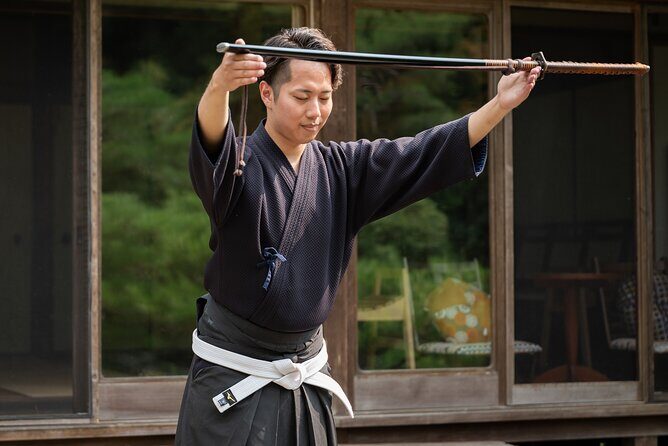
You’ll hear a lot of sword experiences in Japan described with the same promise: feel like a samurai. This one aims at a different target. The focus is training, and it’s taught by a local dojo that practices regularly.
Here’s what that changes for you:
First, you get less time for posing, more time for movement. That means you build muscle memory in the motions you’re taught, instead of just repeating what looks cool.
Second, you get a safety framework. When instructors are training students, they tend to manage risk with discipline—stance control, spacing, and clear rules. That’s what allows beginners to practice without turning the whole thing into a chaotic scramble.
Third, the small group size makes the feedback real. In sword arts, you don’t improve by watching. You improve when someone notices the exact place where your movement breaks down, then helps you correct it.
Do you need prior budo experience?
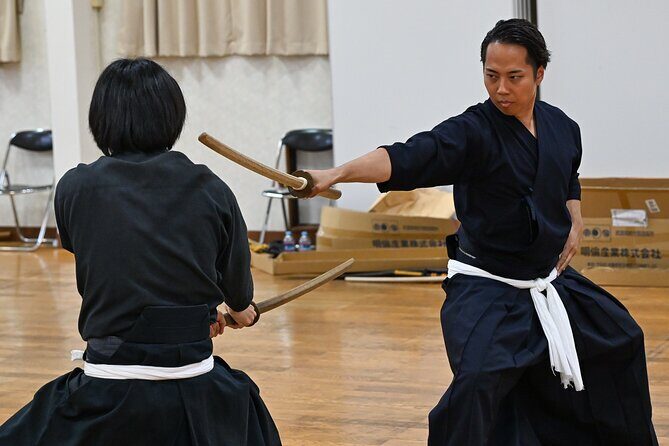
This is the part you should take seriously.
The dojo states this is a genuine training session with actual students, and as a general rule they do not accept participants with no prior budo experience. That doesn’t mean it’s impossible to join. It means you should contact them for a consultation if you’re new and very eager.
So ask yourself honestly: are you coming for a serious lesson, or are you coming for a themed activity? If you’re new, you might still enjoy it a lot—but your success depends on being willing to learn slowly and accept that you may not do everything at the same pace as more experienced students.
Also consider the physical side. They note a moderate physical fitness level is needed. Sword training often includes controlled standing, kneeling-related movement depending on how the dojo practices, and steady concentration. If you’re dealing with mobility issues, tell them early so you can set expectations.
Getting to Honmachi in Higashiyama without stress
The meeting point is in Honmachi, Higashiyama Ward, at the address listed above. The class also notes it’s near public transportation. That’s useful because Kyoto’s traffic can be unpredictable, especially in the evening.
Timing helps too. Starting at 6:30 pm means you’re not fighting the late-night commute rush. Aim to arrive early enough that you can calm down and focus before training begins. In a dojo setting, being rushed usually increases mistakes. Better to arrive, breathe, and get your bearings.
If you’re carrying a day bag, keep it minimal. You’ll want your space clear so you can follow instruction. The environment is formal enough that “messing around” isn’t the vibe.
Price and value: $45.61 for real coaching
The price is $45.61 per person, for about 3 hours, with a maximum group size of 4. On paper, that might look “reasonable” and move on your list. In practice, it’s better than many options because of what you’re buying:
- You’re not just attending; you’re practicing with guidance from Shogo sensei and regular dojo members.
- You’re learning the fundamentals of Iaijutsu and Kenjutsu, not a one-time performance script.
- You’re training with bokutō, which means you can focus on technique rather than equipment.
- The small group size increases feedback and reduces downtime.
Booking tends to happen quickly too. They show the typical booking window as about 18 days in advance on average. That’s a clue that the class isn’t a huge, always-available factory. If this is on your Kyoto “must do” list, it’s smart to lock it in when you can.
What the broader system means for your learning
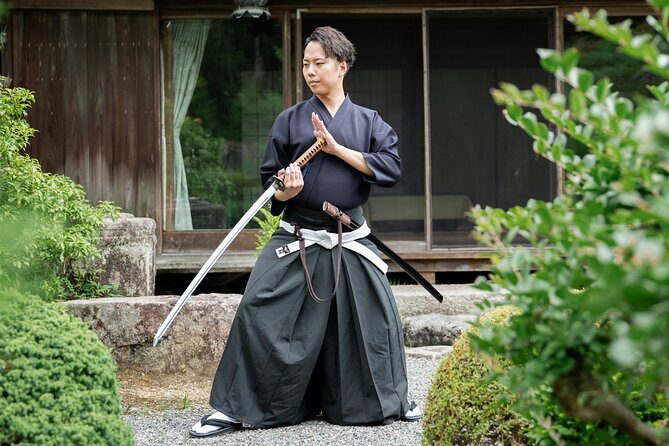
This tradition is known for preserving a wide martial framework. They mention that the system covers more than sword arts, including techniques like kama-jutsu, bōjutsu, jōjutsu, tanbōjutsu, kusarifundōjutsu, and shurikenjutsu. Even if you only train sword basics in this specific session, that context matters.
Why? Because it explains the training mentality. A system that includes multiple weapons tends to emphasize movement principles and discipline rather than random tricks. When you understand that, you stop trying to “collect moves” and start building fundamentals.
In other words, this isn’t only about katana. It’s about how a koryū martial tradition thinks—structure, repetition, and respectful practice.
Who will love this (and who should think twice)
You’ll get the most from this Kyoto katana training if you:
- want hands-on learning with real instruction instead of a photo-friendly activity
- enjoy Japanese culture that’s more than screens and souvenirs
- can handle a serious tone and accept correction
- are open to learning even if you’re not an experienced martial student
You might think twice if you:
- want a casual, no-skill-needed activity that feels like a workshop
- expect to copy complex techniques immediately
- hate the idea that you may need to consult first due to the dojo’s general rules about new participants
If you’re worried about language, the good news is that Shogo sensei’s instruction is described as working in English and Japanese, which makes the class feel more navigable. If you’re worried about gender roles or social awkwardness in traditional settings, you’ll likely appreciate that the class is described as welcoming and supportive.
The best way to prepare in your head
Even if you don’t know anything about koryū sword arts, you can prepare mentally:
Show up ready to learn, not ready to impress. Sword practice punishes ego fast. It also rewards calm attention.
Keep your expectations grounded. Three hours won’t turn you into a swordsman. But it can absolutely teach you the shape of good technique—how posture sets everything, how timing matters in Iaijutsu, and how Kenjutsu depends on control.
And give yourself permission to be a beginner. Even in advanced traditions, beginners are how teachers learn how to explain clearly.
Should you book this Kyoto katana training?
I’d book it if you want a genuine dojo experience in Kyoto and you’re ready for instruction that’s serious, practical, and tailored. The combination of Shogo sensei’s bilingual teaching, the small group size, and the focus on Reihō, Iaijutsu, and Kenjutsu makes this one of the better ways to spend a Kyoto evening if your interest is real.
Don’t book it if you’re only chasing the vibe and you’re not prepared for the dojo’s general approach to experience levels. Since they recommend consultation for those without prior budo, the smarter move is to ask first. If they say you can join, you’ll likely have a great time.
If you want to add one “real practice” story to your Kyoto trip, this is the kind of class that can actually change how you understand samurai culture—because you’re not just looking at history. You’re doing training built to survive the present.
FAQ
FAQ
What is included in the training?
The class includes Reihō etiquette, Iaijutsu (quick-draw katana basics), and Kenjutsu (katana swordsmanship). Training is done using bokutō (wooden katana).
How long is the session?
The experience lasts about 3 hours.
Where is the meeting point in Kyoto?
You’ll meet at 7-chōme-27-1 Honmachi, Higashiyama Ward, Kyoto, 605-0981, Japan. The activity ends back at the meeting point.
What time does the class start?
The start time is 6:30 pm.
How many people can join?
The group is limited to a maximum of 4 travelers.
Do I need a sword of my own?
You don’t need to bring a sword. You will train with bokutō, and there’s an option where the instructor provides a wooden katana for participants.
Is this a tourist sword activity?
No. This is described as a genuine training session with actual students, not a tourist activity.
Do they accept people with no prior budo experience?
As a general rule, they do not accept participants with no prior budo experience. If you’re very eager to join, you can contact them for a consultation.
Is there any guidance in English?
Instruction is described as being available in both English and Japanese, so you should be able to follow along even if your Japanese is limited.
What is the cancellation window?
Cancellation is free up to 24 hours before the experience starts, based on the local time at the destination. If you cancel less than 24 hours before, the amount paid is not refunded.