REVIEW · TOKYO
Awesome Private Tour: Tsukiji, Asakusa, Shinjuku, Shibuya
Book on GetYourGuide →Operated by ABU · Bookable on GetYourGuide
Tokyo can feel like a maze. This private route helps you stitch it into a fun plan.
I really like the custom fit: you steer the day toward big names or quieter corners, and the guide keeps it realistic instead of forcing a checklist. I also like the human touch—the host is English-speaking, builds in breaks, and helps you think about what to do next after the tour.
One thing to consider is price. At $116 per person, it can feel steep if you mainly want a low-cost walk with snacks, especially since transport costs and attraction/ticket fees are not included.
In This Review
- Key reasons this Tokyo private day works
- Tsukiji Outer Market and Hongan-ji: a morning with purpose, not just pictures
- Ginza to Asakusa: using the metro to stitch Tokyo together
- Sensō-ji and Nakamise Street: where the day becomes memorable
- Tokyo Skytree, Akihabara, and Ueno: mixing skyline views with two very different moods
- Shibuya Crossing and the Shinjuku night vibe: peak Tokyo energy, with your feet planned
- Where Harajuku, Yanaka, Nakano, and Kichijoji can fit (without derailing the day)
- Price and logistics: is $116 per person good value?
- Best fit for your travel style (and who should skip it)
- Should you book this private Tokyo day?
- FAQ
- How long is the tour?
- Is this a private tour?
- What language is the guide?
- Where does the tour start?
- Which areas does the tour cover?
- Does the price include transportation?
- Are attraction tickets included?
- Is food included?
- Is the tour wheelchair accessible?
- What’s the cancellation policy?
Key reasons this Tokyo private day works
- Small-group flexibility means you can slow down for photos or speed up when you’re eager.
- Tsukiji + temple + neon in one day gives you Tokyo’s contrasts fast.
- Guide-led transitions (including metro time) help you avoid getting lost between areas.
- Breaks and free time are built in, not treated like an afterthought.
- Neighborhood swaps are real: you can lean toward spots like Yanaka, Nakano, or Kichijoji depending on your mood.
- Food-direction help is a big part of the value, with specific guidance around Tsukiji and Senso-ji-area shopping.
Tsukiji Outer Market and Hongan-ji: a morning with purpose, not just pictures
Your day starts around Tsukiji Outer Market, where the vibe is all business—snacks, seafood, kitchen supplies, and quick conversations in every direction. With a guide, you’re not just walking past stalls. You get pointers on what’s worth your attention and how to handle the flow when it’s crowded.
The tour also includes photo stops and a short guided look around Tsukiji’s Hongan-ji temple area nearby. Even if you’re not a “temples only” person, these quick stops are useful. They give you context for why Tokyo’s food culture is tied to tradition and neighborhood life, not just tourism.
Here’s the practical payoff: you’ll usually leave Tsukiji with a clearer plan for what to eat (and where), which can save you time later. One of the standout themes from the guide feedback is that hosts give strong, specific recommendations for eating around the market.
Potential drawback: Tsukiji mornings can move fast, and if you’re sensitive to crowds, you’ll want to go in with a comfortable walking pace and a plan for how long you want to shop before you get hungry.
You can also read our reviews of more private tours in Tokyo



Ginza to Asakusa: using the metro to stitch Tokyo together
After Tsukiji, you’ll shift into Ginza territory—think upscale shopping streets, polished storefronts, and that “Tokyo wears different clothes here” feeling. The tour typically includes a photo stop and guided walkthrough, plus time to browse.
You may also pass by Kabukiza (the famous kabuki theater). Even if you don’t catch a performance, seeing the theater building helps you connect Tokyo’s entertainment scene to something older than the shopping.
Then comes the big contrast: Asakusa, where the tempo changes and you get the classic old-down-town texture—narrower streets, older atmosphere, and a sense that people actually live here, not just visit.
The key benefit of doing this with a guide is pacing. The route uses metro rides between areas (with time allocated), so you’re not wasting your energy guessing which train lines make the quickest connections.
What to watch: since parts of this day involve walking plus metro segments, wear shoes you can trust. Even “short” walk sections add up when you’re also shopping and stopping for photos.
Sensō-ji and Nakamise Street: where the day becomes memorable
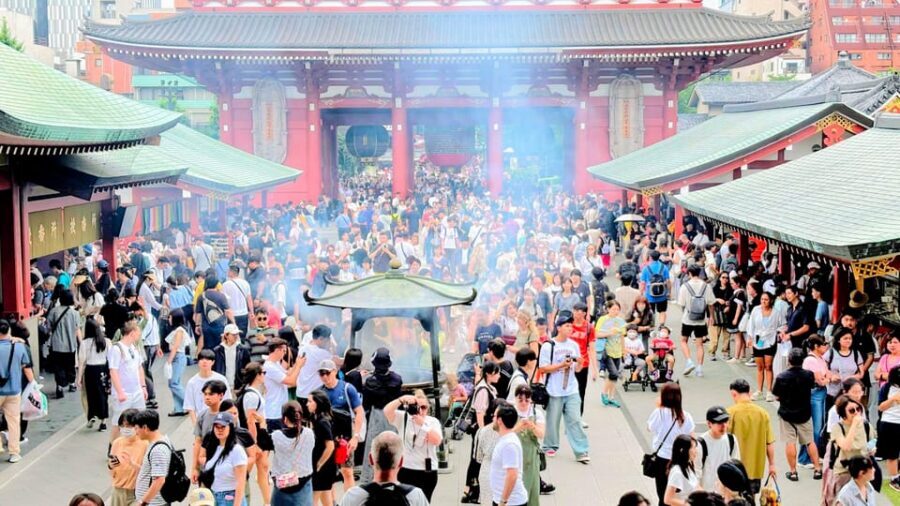
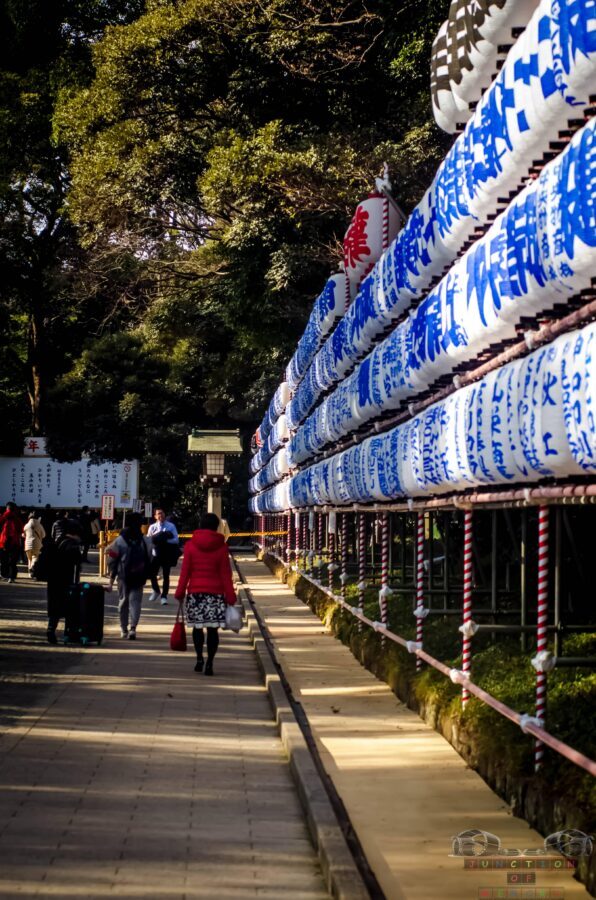
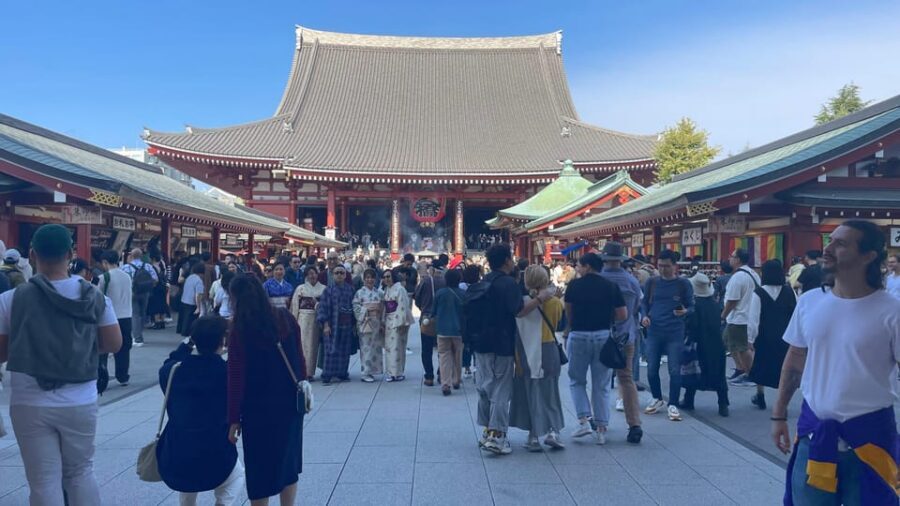
Sensō-ji is the anchor stop in Asakusa—Tokyo’s oldest and most significant Buddhist temple. You’ll get a guided look, time to photograph, and a chance for quieter viewing before you head into the shopping rush.
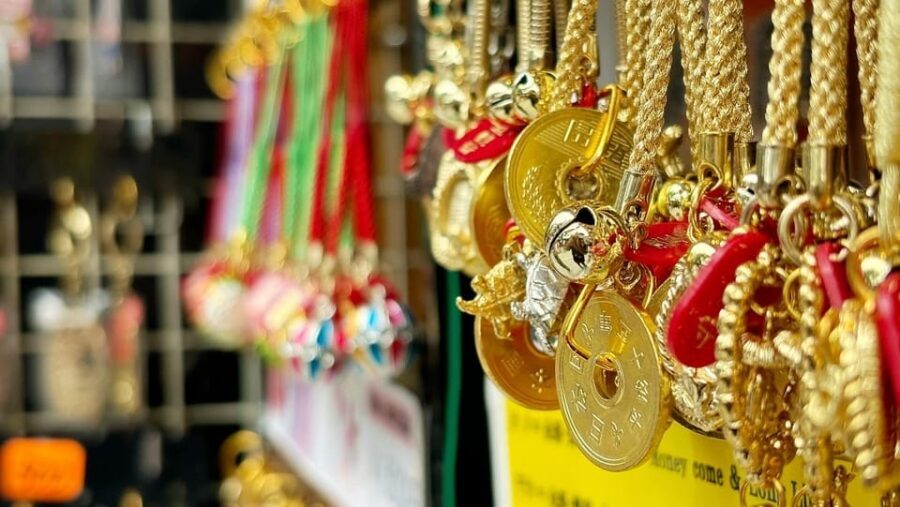
Right after, you’ll spend time on Nakamise Shopping Street, famous for traditional stalls and the snacks-and-souvenirs rhythm that makes Asakusa feel so iconic. This is exactly where a good host pays off: you’ll get guidance on what to do in the area so you’re not stuck wandering in circles.
One detail I like from the experience feedback is how hosts build practical moments into the heat. You can expect breaks and a pace that helps you keep enjoying the day instead of just surviving it. That matters most around temple time, when photos, incense, crowds, and queues can stack up.
Potential drawback: if you’re traveling during a high season or weekend, Nakamise can be packed. It helps to treat this part as an interactive experience—pause, pick a couple of things, and keep moving—rather than trying to see every stall.
Tokyo Skytree, Akihabara, and Ueno: mixing skyline views with two very different moods
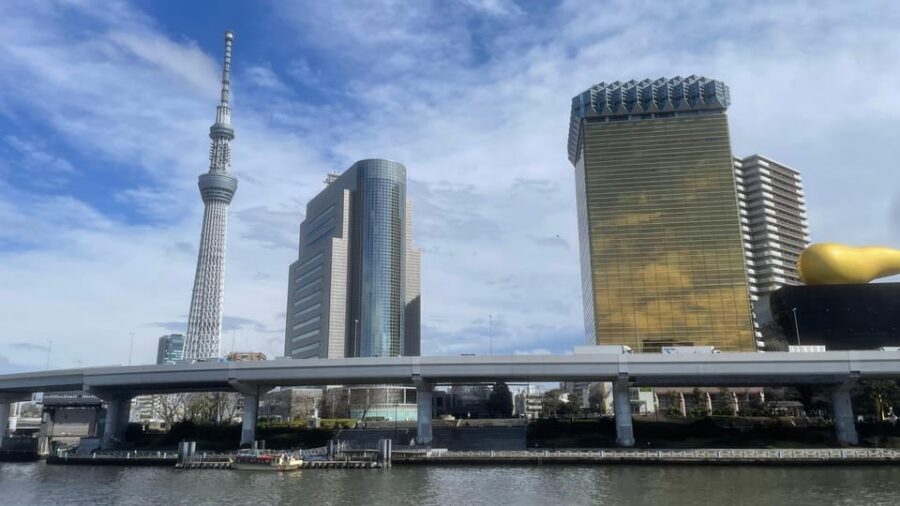
As your route expands beyond Asakusa, you may head toward Tokyo Skytree, with generous free time included. Skytree works well in a guided half-day format because you can use the time in a flexible way: photos at key angles, a chance to grab a drink or snack, and time to simply take in the scale of Tokyo from above.
Next, the day often includes Akihabara, the pop-culture hub where manga, anime, and collectibles dominate the streets. There’s typically guided context plus time to explore on your own, so you can pick what fits your tastes—electronics, themed shops, or the arcade-style energy.
Then you may pass through Ueno, with time set aside for photo moments and free strolling. This is a smart move because Ueno is a contrast point: it’s not all neon. You get a calmer pace compared with Shibuya and Akihabara’s focus.
One of the useful themes from the guide feedback: hosts don’t just keep you moving. They also help connect your tour to the rest of your day. For example, one guide was praised for dropping people near a next stop around an Akihabara ramen lunch, which is exactly the kind of practical handoff that makes a tour feel less like a shuffle.
Potential drawback: this portion can feel like “three worlds in a row.” If you prefer deeper time in fewer neighborhoods, you’ll want to ask your guide to prioritize either the skyline moment (Skytree) or the pop-culture browsing (Akihabara) and trim the other.
Shibuya Crossing and the Shinjuku night vibe: peak Tokyo energy, with your feet planned
No Tokyo visit feels complete without Shibuya Crossing. The tour typically includes time for a guided orientation plus free time, and it usually lines you up to see how the scramble of pedestrians becomes a choreography.
The route also includes stops tied to the surrounding Shibuya-area atmosphere, such as the Hachiko Statue. It’s one of those landmarks that sounds sentimental until you see it in person—then it makes sense why it draws photos from everyone.
From there, the experience often flows toward Shinjuku-area energy, including Kabukicho and Omoide Yokocho, plus Golden Gai. These places have very different personalities:
- Omoide Yokocho is the narrow-lane vibe where you can expect compact eateries and a strong “night out” feel.
- Kabukicho reads as the bigger, louder layer of Shinjuku’s entertainment district.
- Golden Gai is smaller, more maze-like, and ideal for short explorations.
The nice part is that the tour schedules break time and gives you room to decide how long you stay in each pocket. That’s important in Shinjuku-type areas, where it’s easy to burn time just wandering.
Potential drawback: Shinjuku nightlife spots can be intense, especially later in the day. If you’re not a nightlife person, you can still enjoy Shibuya’s daytime views and keep Shinjuku exploration shorter by focusing on one or two stops.






Where Harajuku, Yanaka, Nakano, and Kichijoji can fit (without derailing the day)
This tour is designed to be flexible, so you’re not trapped in a single script. If you want more neighborhood texture, you can swap in areas like:
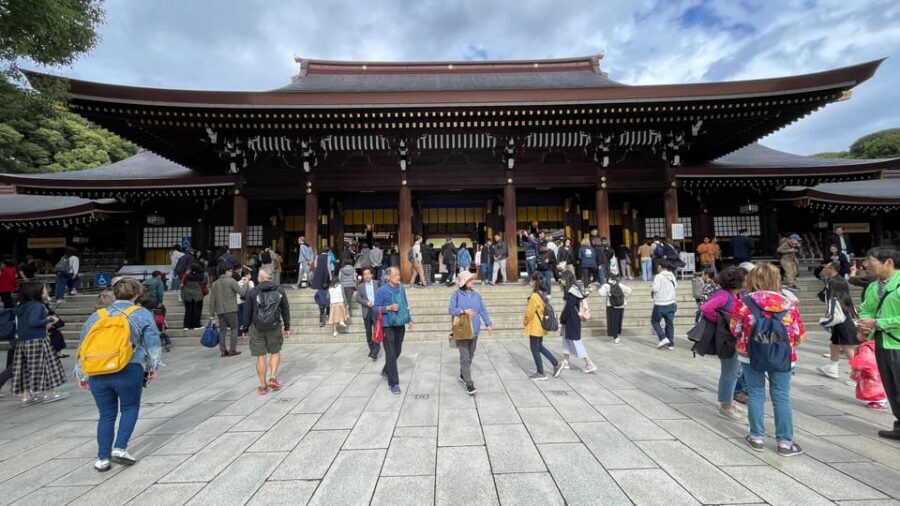
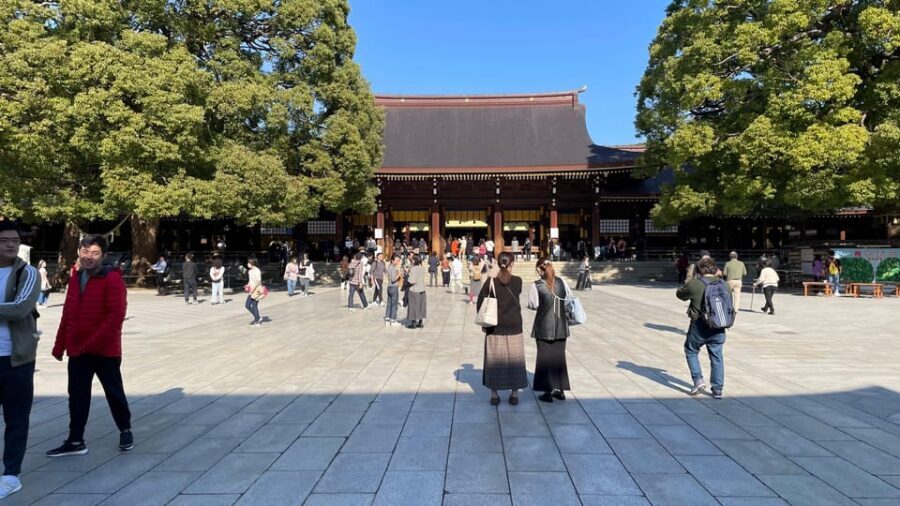
- Harajuku: Takeshita Street for trendy shopping and quirky cafes, plus Meiji Shrine for a calm break inside a forest setting.
- Yanaka: one of the areas where the old Shitamachi (downtown) feel still comes through, with narrow lanes and a slower strolling pace.
- Nakano: ideal if you want Nakano Broadway for manga/anime collectibles, plus easy access to izakaya-style dinners.
- Kichijoji: Inokashira Park and its boating lake, with cozy cafes and vintage-style browsing nearby.
If you’re planning a day that balances “big Tokyo sights” with “real neighborhood time,” these add-ons are where you’ll feel the tour earn its customization promise.
What to watch: swapping neighborhoods usually changes walking time and crowd levels. Tell your guide what you want more of—photos, shopping, food stops, or quieter streets—so the day stays fun instead of exhausting.
Price and logistics: is $116 per person good value?
At $116 per person, this is not a budget stroll. For many people, the value comes from three things that add up quickly in Tokyo:
- Private, English-guided structure: you’re paying for local routing and on-the-ground guidance, not just someone walking beside you.
- A tailored plan: the tour is built around your interests, with flexibility to adjust what you see rather than forcing a fixed itinerary.
- Time efficiency: Tokyo is huge. A guide helps you connect areas with less guesswork, including metro time between districts.
That said, the “not included” list matters for your math. You’ll cover:
- Transportation expenses during the tour
- Any food and drinks beyond what you choose to spend
- Entrance tickets for attractions you decide to pay for
So this isn’t a one-price-all-in deal. It’s more like: you pay for the human plan, then you budget for your choices on top.
Simple way to decide: if you’ll spend extra anyway on trains, snacks, and attraction tickets, the guide can still be worth it because it helps you spend smarter. If you plan to do everything on your own for minimal cost, a cheaper self-guided route might suit you better.
Best fit for your travel style (and who should skip it)
This tour makes the most sense if you want:
- A fast overview of Tokyo’s big districts without feeling like you’re bouncing from one place to another.
- Personal attention (small group private format) so you can change course when your interests shift.
- Help with eating and next steps—guides are praised for recommendations around Tsukiji and Asakusa shopping near Senso-ji.
- Flexibility for different vibes: classic temples, pop culture, shopping zones, and night districts.
It can be a little intense if you prefer slow travel with long stays in one area. The day packs in several neighborhoods and includes multiple photo stops, guided portions, and metro transitions. If you like “one neighborhood, one deep story,” you may want to shorten the route or focus on fewer additions like only Skytree + Asakusa, for example.
Good news: the experience is marked as wheelchair accessible, so it’s worth considering if you want an assisted plan with mobility in mind.
Should you book this private Tokyo day?
I’d book it if you’re the type of traveler who likes to arrive with a plan, but still wants someone local to adjust the day when you get there. At $116 per person, the best return is when you’ll use the guide’s guidance for what to eat, where to focus your shopping, and how to pace the day so it stays enjoyable.
Skip or downscale it if you’re chasing a low-cost day and you’re comfortable navigating Tokyo solo. Also consider shortening the route if you know you don’t love night districts or long stretches of shopping crowds.
If you want a Tokyo day that mixes Tsukiji, Asakusa, and Shibuya/Shinjuku with real flexibility, this is a strong way to do it.
FAQ
How long is the tour?
The duration is listed as 4 to 8 hours, depending on availability and how your itinerary is customized.
Is this a private tour?
Yes. It’s a private group experience.
What language is the guide?
The live tour guide is English-speaking.
Where does the tour start?
The pickup location is in Tokyo.
Which areas does the tour cover?
It can include a mix of iconic areas like Asakusa, Shibuya, Harajuku, Ginza, and Ueno, plus off-the-beaten-path options such as Yanaka, Nakano, and Kichijoji. The route also commonly includes Tsukiji and Shinjuku-area stops.
Does the price include transportation?
No. Transportation expenses are not included, so you’ll cover your own metro/subway costs during the tour.
Are attraction tickets included?
No. Entrance fees for activities or attractions you choose to do are not included.
Is food included?
Additional food and drinks are not included. You’ll pay for anything beyond any amount you choose during the tour.
Is the tour wheelchair accessible?
It is marked as wheelchair accessible.
What’s the cancellation policy?
Free cancellation is available up to 24 hours in advance for a full refund.