REVIEW · TOKYO
Create Your Akihabara Tour! Anime, Games & Local Tips
Book on Viator →Operated by ASK Mune · Bookable on Viator
Akihabara is a visual overload—in a good way. This private walking tour with ASK Mune keeps you from getting lost in Tokyo’s Electric Town, and it can be tailored so the stops match your interests. I really like the flexible pacing and the fact that you get explanations that make each place feel less random.
One caution: the whole thing runs about 1 hour 40 minutes to 2 hours, so you’ll finish with a wish list for what you want to do next on your own.
In This Review
- Key Stops and Why They Matter
- The Real Value: A Private Akihabara Game-Plan With Mune
- Meeting at atré Akihabara, Then Letting the Tour Set the Pace
- Stop 1: Akihabara Radio Kaikan for the Classic Anime-Merch Hit
- Stop 2: GiGO Akihabara 1st for Arcade Fun With Less Guesswork
- Stop 3: Super Potato for Retro Gaming Nostalgia That Feels Real
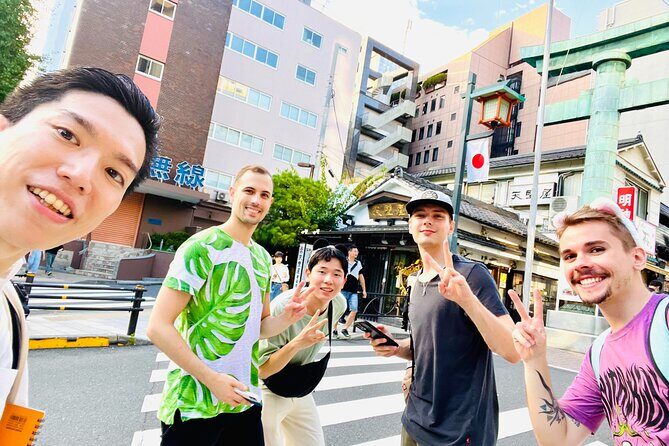
- Stop 4: Kanda Shrine (Kanda Myojin) for Otaku-Friendly Temple Etiquette
- How the Timing Works in a Real Tokyo Day
- Price and Value: What $91.31 Gets You (and What It Doesn’t)
- Who This Tour Is For
- The Takeaway: Fast, Friendly, and Actually Useful
- Should You Book This Akihabara Tour?
- FAQ
- How long is the Create Your Akihabara Tour! Anime, Games & Local Tips?
- Is this a private tour?
- What are the main stops on the tour?
- Is admission included for the listed stops?
- What is included in the tour price?
- What is not included?
- Where does the tour start and end?
- What’s the cancellation window?
Key Stops and Why They Matter
- Radio Kaikan first: You get hit with the classic Akihabara anime and merch vibe right away.
- GiGO Akihabara 1st arcade time: A game-center stop that’s more than just looking.
- Super Potato retro browsing: Console and arcade nostalgia with real collector energy.
- Kanda Shrine add-on: Otaku-friendly shrine etiquette, so you get culture without the day derailing.
- Private guide, not a rigid route: The plan can shift to what you care about most.
The Real Value: A Private Akihabara Game-Plan With Mune

Akihabara can feel like sensory overload on purpose. Bright signs, shop after shop, and so many fandom rabbit holes that you may not know where to start. That’s exactly why this is worth it: you’re not wandering blindly, and you’re not stuck on a one-size-fits-all loop.
What I like most is that it’s private. Only your group goes on the walk, and Mune can keep the energy focused on what you actually want to see, whether that’s anime goods, retro gaming, arcades, or a mix. The tour also brings practical structure in a friendly way. You get a guide who’s clearly comfortable explaining what you’re seeing, not just pointing and moving on.
The tour is also built for first-time visitors who don’t want to research for hours. With free admission at the listed stops, you can spend your money on what you want to buy or play, not on entry fees. Add the included Wi-Fi and Japanese manners guidance (Japanese Manners 101), and you have an easier time moving around confidently.
The one thing to keep in mind is time. Even with four stops, Akihabara is huge. Treat this as a fast, intelligent preview plus a set of directions for what to do after.
You can also read our reviews of more tours and experiences in Tokyo.



Meeting at atré Akihabara, Then Letting the Tour Set the Pace

You’ll start at atré Akihabara (11-chōme-17-6 Sotokanda, Chiyoda City). The tour ends back at the meeting point, which is helpful if you’re planning dinner nearby afterward.
From the way Mune communicates and leads people, the meeting part is usually smooth. In reviews, people highlight that Mune is clear with meeting instructions and easy to coordinate with ahead of time. That matters in Tokyo, where station exits can turn into a maze if you’re not sure what to look for.
Because it’s a mobile-ticket experience, keep your phone handy for your ticket. Also, since transportation costs aren’t included, you’ll want an easy plan for getting to the meeting point and then heading out afterward.
Stop 1: Akihabara Radio Kaikan for the Classic Anime-Merch Hit
Radio Kaikan is one of those places you recognize instantly once you see it. It’s an Akihabara landmark that’s shown in popular anime, and it’s packed with floors of shops aimed at fandoms: anime merchandise, card stores, and more.
Why this stop works at the start: it’s the quickest way to orient yourself. You see the full range of what Akihabara is famous for, then you can make smarter choices later. If you’re unsure what you like yet, Radio Kaikan helps you find your lane fast.
What to do while you’re there:
- Scan for items tied to what you already watch or collect. It’s easier than trying to shop from zero.
- Keep an eye out for specialty sections on certain floors. Many buildings like this group similar tastes together, so you can browse more efficiently.
- If you’re hunting for cards, focus on how stores organize selections. Card sections can be overwhelming unless you go with a system.
A practical drawback: merch shopping can eat time fast. Even though the scheduled stop is around 45 minutes, you might feel tempted to stay longer on one floor. If that happens, use the rest of the tour wisely. The later stops are the ones you may miss if you get stuck in merch mode early.
Stop 2: GiGO Akihabara 1st for Arcade Fun With Less Guesswork

Next is GiGO Akihabara 1st, one of Akihabara’s most popular game centers. This is where the tour starts to feel less like shopping and more like doing.
Arcades in Japan can be intimidating if you don’t know how things work. The good news here is that your guide helps. The tour description notes that Mune will explain how to play certain games, so you’re not left standing there trying to decode everything by pointing and hoping.
What you can expect during this stop:
- You can try different types of games, including claw machines and rhythm-style games.
- If you’re into fighting games, this is also a natural fit.
- The experience is set up so you can participate without losing your momentum.
One consideration: arcades can drain cash quickly. Even if admission isn’t charged for the stop, you’ll likely spend on plays. I’d treat this as a budget decision. Decide in advance if you want a few tries for fun, or if you want to go full competitive mode.
Stop 3: Super Potato for Retro Gaming Nostalgia That Feels Real
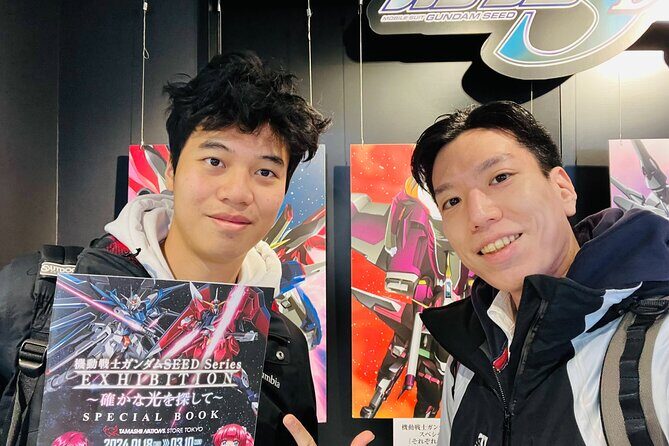
Then you hit Super Potato, where the vibe shifts from modern arcade energy to retro gaming nostalgia. It’s the kind of place where you can lose track of time in the best way: vintage games, classic consoles, and arcade machines from earlier eras.
This is a strong match if you love older systems or you want to see how retro gaming is preserved and sold in Japan. It’s not just an electronics shop. It feels like a destination for people who grew up with games and now want the hardware and cartridges to go with the memories.
How to browse efficiently:
- Start by scanning the display areas for your childhood systems first, so you don’t get distracted.
- If you’re searching for specific items, don’t bounce between sections endlessly. Pick one zone and compare carefully.
- Be ready for the fact that the most interesting items can be tucked away among other collectibles.
A potential drawback: if retro gaming doesn’t interest you much, this stop might feel more like “window shopping for tech.” Still, even non-hardcore fans often enjoy it because it’s visual and full of recognizable names.





Stop 4: Kanda Shrine (Kanda Myojin) for Otaku-Friendly Temple Etiquette
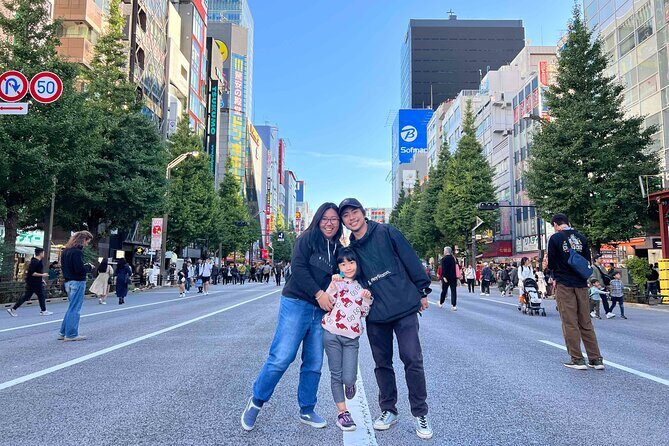
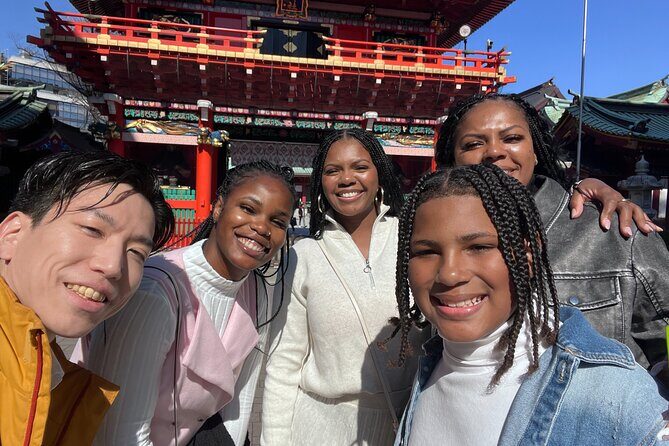
After the gaming stops, the tour adds a breather: Kanda Shrine, also known as Kanda Myojin. It’s described as a beautiful shrine with an otaku-friendly twist, and it even appears in popular anime.
What I appreciate about adding a shrine here is balance. You get a moment of calm right in the middle of the loudest part of Tokyo for pop culture. More importantly, Mune isn’t just letting you wander. The tour includes guidance on the proper way to pray at the shrine.
If you’ve never done this in Japan, it’s a relief to have someone explain what to do without making it feel awkward. You also get a small slice of local tradition that doesn’t require a full half-day cultural detour.
The watch-out: shrine stops can feel shorter than people expect. This one is about 20 minutes. Use it for the etiquette moment and a quick look around, not as your full sightseeing stop for the area.
How the Timing Works in a Real Tokyo Day
The full tour is around 1 hour 40 minutes to 2 hours, and it’s built with four focused stops:
- Radio Kaikan (about 45 minutes)
- GiGO Akihabara 1st (about 25 minutes)
- Super Potato (about 25 minutes)
- Kanda Shrine (about 20 minutes)
That schedule is practical. It gives enough time to see and experience each place, without letting one stop swallow the whole day. Akihabara rewards curiosity, but it also punishes aimless wandering. This timing keeps you from hitting that wall where you’re too tired to keep browsing.
Another smart aspect: Mune can tailor the route to your interests. So if you care more about arcades than cards, or more about merch than retro consoles, you’re not locked into a single fixed version of the day.
Price and Value: What $91.31 Gets You (and What It Doesn’t)

The price is $91.31 per person, which is a fair number for a private guide in Tokyo for nearly two hours. Here’s why it can be good value for the right traveler.
You’re paying for:
- A guide who can keep you moving through a complex area without wasted time
- Undivided attention, since it’s private
- A flexible itinerary instead of a rigid script
- Added inclusions like Wi-Fi and Japanese Manners 101
You’re not paying for:
- Food and drinks
- Transportation costs
Admission is listed as free for the stops, which helps you avoid surprise charges for entries. That makes your spending more controllable. You can decide how much to spend on merch and game plays, which is often where people actually lose track of budget anyway.
Who tends to get the most out of it? First-timers to Akihabara, couples celebrating something (it’s a popular birthday-style option), and anyone who wants to understand what they’re seeing instead of only taking photos.
Who This Tour Is For
This works best if you fall into at least one of these buckets:
- You want an intro to Akihabara that’s focused on anime, games, and local tips
- You like the idea of a guide showing you what’s worth your attention
- You’re visiting with someone who shares similar interests and you want it to feel like a shared plan
- You don’t want to spend your first day in Tokyo doing research and exit-hunting
It may feel less compelling if you already have your Akihabara route mapped, know every store you want, and plan to spend most of your time shopping without needing explanations. Still, even then, the shrine etiquette and the arcade guidance can be useful.
The Takeaway: Fast, Friendly, and Actually Useful
The best part of this tour is the human factor. In reviews, Mune is consistently described as welcoming, kind, attentive, and extremely helpful, with clear meeting guidance and easy communication. That turns the tour from a list of stops into a smooth experience where you feel taken care of.
You also get a good mix: anime merch at Radio Kaikan, hands-on arcade fun at GiGO, retro browsing at Super Potato, and a culturally grounded pause at Kanda Shrine. It’s a smart snapshot of what makes Akihabara different from other parts of Tokyo.
Should You Book This Akihabara Tour?
Book it if you want a guided shortcut through Akihabara that saves you time and helps you choose what to care about. The private format, flexible pacing, and the way Mune explains what you’re looking at make it a strong option for first-timers and for fans who want their interests respected.
Skip it if you’re mostly in “wander and shop until I’m tired” mode, already have a detailed list of stores, and don’t care much for etiquette guidance or game-center help. In that case, you might prefer using your time for free browsing.
If you’re on the fence, think of it like this: this tour gives you a smart start plus a direction for what to hunt next. In Akihabara, that’s often the difference between a chaotic shopping spree and a great one.
FAQ
How long is the Create Your Akihabara Tour! Anime, Games & Local Tips?
The tour lasts about 1 hour 40 minutes to 2 hours.
Is this a private tour?
Yes. It’s private, so only your group participates.
What are the main stops on the tour?
The tour visits Akihabara Radio Kaikan, GiGO Akihabara 1st, Super Potato, and Kanda Shrine (Kanda Myojin).
Is admission included for the listed stops?
Admission is listed as free for the stops on the tour.
What is included in the tour price?
The tour includes a passionate local guide, Japanese Manners 101, flexible itinerary tailored to your interests, and Wi-Fi.
What is not included?
Food and drinks are not included, and transportation costs are not included.
Where does the tour start and end?
It starts at atré Akihabara (11-chōme-17-6 Sotokanda, Chiyoda City) and ends back at the meeting point.
What’s the cancellation window?
You can cancel for a full refund if you cancel at least 24 hours before the experience starts. If you cancel less than 24 hours before, the amount you paid is not refunded.