REVIEW · TOKYO
Day Trip To Mount Fuji and Hakone from Tokyo with English Guide
Book on Viator →Operated by Trip to Mount Fuji From Tokyo With English Speaking Guider · Bookable on Viator
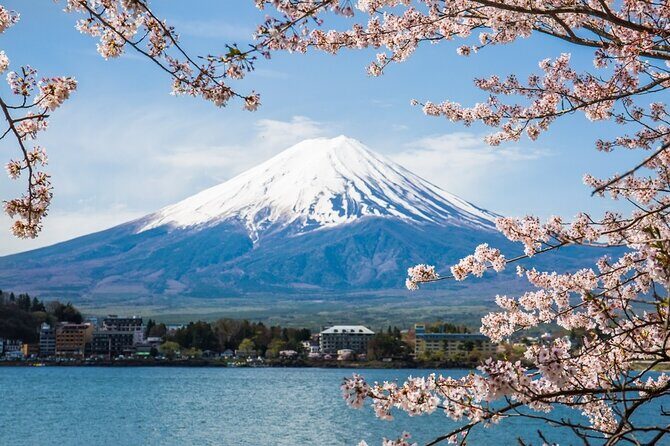
Mount Fuji hits different on a day tour. This one strings together the classic views and spiritual stops—Chureito Pagoda, Oshino Hakkai, and Hakone by Lake Ashi—so you get a real sense of why these places pull people back to Japan.
I also like the practical comfort side: hotel pickup and an air-conditioned private vehicle (with WiFi and bottled water) for about 10 hours. The main thing to consider is that admission isn’t included for some of the big-ticket moments, and the whole plan depends on having decent weather for clear Fuji views.
In This Review
- Key things to know before you go
- Tokyo to Fuji: How the day starts and why it matters
- Arakurayama’s Chureito Pagoda: the postcard you can walk up to
- Oshino Hakkai ponds: calm water, spring-fed beauty
- Kitaguchi Hongu Fuji Sengen Jinja: the pilgrim footstep energy
- Lake Kawaguchiko: where Fuji tries hardest
- Oishi Park: seasonal flowers with Fuji in the background
- Mount Fuji 5th Station: 2,300 meters of altitude and weather reality
- Hakone Shrine by Lake Ashi: the red torii moment
- Lake Ashinoko: scenic boat vibes and Mount Fuji depending on the day
- Hakone Ropeway and Owakudani: volcanic energy in a tight time window
- Hakone Ropeway
- Owakudani Valley
- Hakone Open-Air Museum: an optional-ticket style stop
- Guide quality and the small-group feel
- Price and value: what $430 really buys you
- Practical tips for clear Fuji and a smoother day
- Should you book this Mount Fuji and Hakone day trip?
- FAQ
- How long is the Mount Fuji and Hakone day trip from Tokyo?
- What is the group size and pricing?
- Is hotel pickup available?
- Do I get an English-speaking guide?
- Is WiFi available during the tour?
- What’s included in the price?
- Is lunch included?
- Which stops have admission tickets included or not included?
- What happens if the weather is poor?
- Can I cancel for free?
Key things to know before you go
- Private group, up to 5 people: smoother pace and easier photo stops than big buses
- English-speaking guidance: help decoding shrines, viewpoints, and what you’re seeing
- A smart Fuji-to-Hakone route: you’ll cover both icons instead of just one area
- Some attractions are free, others are ticketed: budget for a few add-ons
- Weather matters for Fuji: expect flexible options if conditions are poor
- Small time windows at each stop: come ready to move and you’ll enjoy it more
Tokyo to Fuji: How the day starts and why it matters
This is a full-day plan from Tokyo with an English guide and private transportation. You’re looking at about 10 hours, and the experience runs during 8:00 AM to 6:00 PM. In real life, that kind of schedule rewards you for showing up organized: comfy shoes, a light layer (mountain and lakes can feel cooler), and a camera ready before you get out of the car.
One of the best parts is that pickup is offered and the vehicle is air-conditioned—huge when you’re hopping across multiple regions in one day. You’ll also have WiFi on board and bottled water, so you’re not scrambling to charge devices or buy drinks between stops.
The tour is priced at $430 per group (up to 5). That’s how value works here: it’s not cheap per person if you’re traveling solo, but it can be very reasonable when you’re splitting the group cost. If you’re a couple or small family, this setup can feel like you’re paying for convenience and time rather than just transportation.
You can also read our reviews of more guided tours in Tokyo


Arakurayama’s Chureito Pagoda: the postcard you can walk up to
Your first major photo stop is Chureito Pagoda in Arakurayama Sengen Park (Fujiyoshida City). This is the famous five-story pagoda view many people associate with Mount Fuji—except here’s the nice part: you’re not staring at it from a distance. You’ll have time on site (about 45 minutes) to walk around and get your own angles.
A fun detail: the pagoda was built in 1963 as a peace memorial. Even if you’re not a “memorabilia” person, it adds meaning to what is otherwise purely a viewpoint. And because it’s on the mountainside, the setting gives you that classic depth—steps, greenery, and the tower rising against the sky.
Admission here is free, so it’s a good place to spend time without worrying about extra ticket planning.
Photo tip: if you want your shots to look like the ones you’ve seen before, spend a few minutes just watching where the sun falls and then reposition. Small changes in where you stand can make a big difference.
Oshino Hakkai ponds: calm water, spring-fed beauty
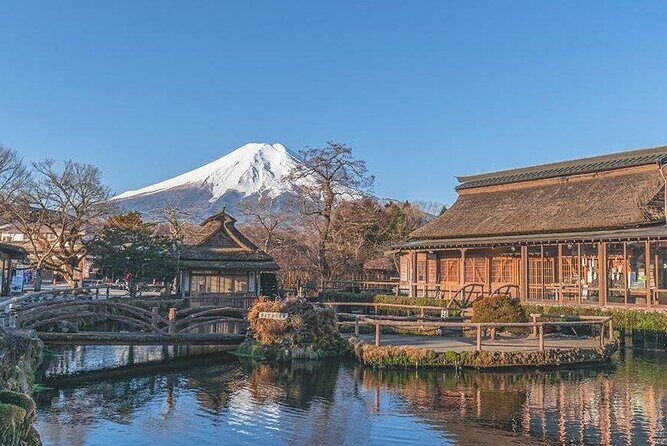
Next up is Oshino Hakkai, a village near Mount Fuji known for eight crystal-clear ponds fed by spring water. You’ll get around 30 minutes here, plus free admission.
This stop works well for two kinds of travelers:
- If you like quiet scenery, the ponds and traditional area feel like a breather after travel time.
- If you like easy walking photography, you can shoot water reflections and that thatched-roof vibe without needing hiking gear.
Why this matters on a one-day schedule: Oshino Hakkai gives you “Fuji in daily life,” not just Fuji as a distant mountain. You’re seeing how the mountain’s water shapes the local environment.
The only drawback is time. 30 minutes disappears fast if you’re trying to do long walks or hunt for specific angles. Treat it as a focused stop: see the ponds, take a handful of photos, and move on.
Kitaguchi Hongu Fuji Sengen Jinja: the pilgrim footstep energy
You’ll also stop at Kitaguchi Hongu Fuji Sengen Shrine for about 30 minutes (free admission). This shrine sits at the foot of Mount Fuji and was historically a starting point for pilgrims climbing the mountain.
Look for the mood shift here. It’s not about views first—it’s about atmosphere. Tall cedar trees and those big torii gates create a corridor-like feeling that makes the place feel older than the buildings you may be used to in Tokyo.
If you’re curious about Japanese spiritual culture, this is a good waypoint. The guide will help you interpret what you’re seeing, but even on your own, you’ll likely feel the calm compared with the busier viewpoint stops.
Lake Kawaguchiko: where Fuji tries hardest
Lake time starts at Lake Kawaguchiko (about 1 hour 30 minutes). Here, admission is not included, so you’ll want to expect extra costs depending on what you choose to enter or how the facilities you visit are priced.
This is one of the Fuji Five Lakes, and it’s famous for showing Mount Fuji clearly when conditions line up. Even when the mountain is hazy, lakeside air and the open walking areas still give you a pleasant change of pace. And because you have a longer window than most stops, you can actually slow down rather than just snap and go.
You’ll likely appreciate this stop more if you plan your time:
- First, take a look for the best Fuji angle you can find.
- Then decide whether you want to linger for flowers, a walk, or a relaxed photo session.
A few more Tokyo tours and experiences worth a look





Oishi Park: seasonal flowers with Fuji in the background
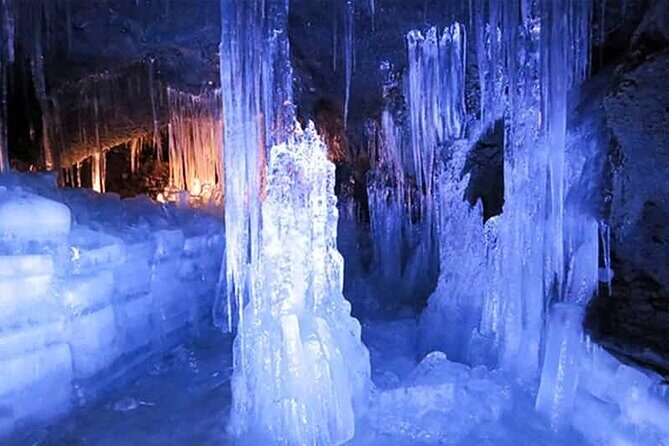
After Lake Kawaguchiko, the route continues to Oishi Park for about 30 minutes. Admission is free here. Oishi Park is known for seasonal flower displays—lavender is called out in the tour info—plus the park’s lakeside access for Fuji views.
This is where the day starts to feel more like “Japan outdoors” and less like “a checklist of landmarks.” You’re standing in a designed garden-like area with open sightlines toward the mountain.
The main consideration: a short window. 30 minutes is enough to enjoy the views and get photos, but it’s not enough for deep wandering if you arrive mid-crowd. If you want the flower-and-Fuji look, arrive ready to commit quickly once you see a strong angle.
Mount Fuji 5th Station: 2,300 meters of altitude and weather reality
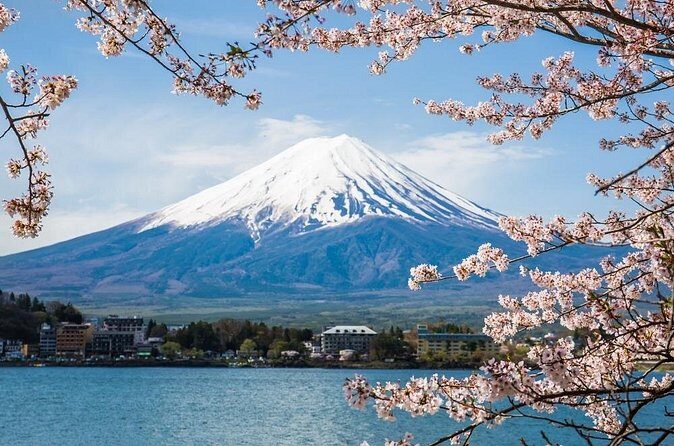
One of the biggest ticket items on the schedule is Mt. Fuji 5th Station (about 30 minutes). Admission is not included.
At roughly 2,300 meters / 7,500 feet, you’re dealing with altitude and weather conditions that can feel different from where you started. The tour info highlights souvenir shops and rest areas, which matters because this stop is very much about experiencing the “mountain zone” rather than hiking.
Even if you’re not climbing, the 5th Station gives you something important: a closer relationship with the mountain’s presence. If it’s clear, you’ll see why this place earns its attention. If it’s cloudy or misty, you’ll still understand the “this is a real mountain” feeling—just with less visibility than you hoped.
Practical note: bring something light for warmth. You don’t need heavy gear based on the info you have, but layers help you stay comfortable if temperatures drop.
Hakone Shrine by Lake Ashi: the red torii moment
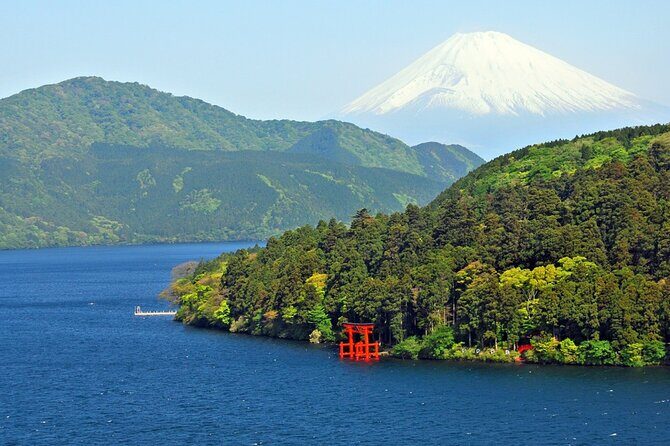
After Fuji views, you shift to Hakone. The first Hakone stop is Hakone Shrine by Lake Ashi, again about 30 minutes with free admission.
This is famous for its red torii gate standing in the lake. The torii-and-water view looks simple, but it’s exactly the kind of scene that benefits from timing. If you catch the light right, you’ll get reflections and that iconic silhouette effect.
Hakone Shrine also tends to feel calmer than the earlier photo stops. You’re surrounded by forest edges and water, so it’s a good moment to catch your breath before the day gets more “activity-based” with ropeways and volcano sights.
Lake Ashinoko: scenic boat vibes and Mount Fuji depending on the day
Next is Lake Ashinoko for about 30 minutes (free admission). This crater lake is known for views of Mount Fuji and scenic boat cruises.
The tour info calls out traditional shrines around it and that this area is peaceful. In practice, this stop feels like a reset: water, open views, and a slower pace compared with the packed viewpoint locations.
You should also know the reality of one-day timing: visibility of Fuji can be variable once you’re deeper into the day and moving away from the best-sight angles. If you don’t see Fuji clearly here, focus on the lake setting and the chance to see Hakone’s volcanic region from a different perspective.
Hakone Ropeway and Owakudani: volcanic energy in a tight time window
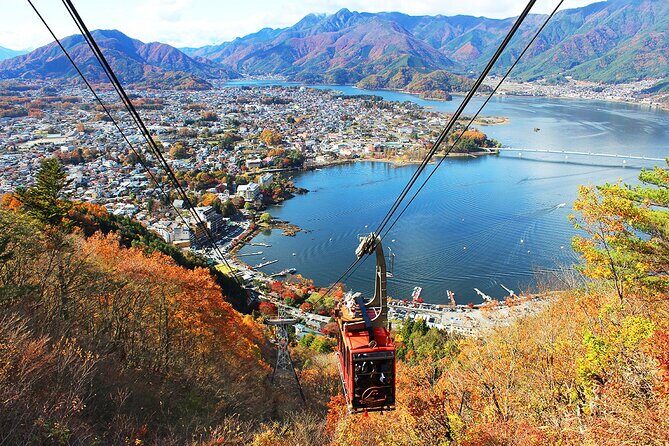
Two of the most “wow” parts are Hakone Ropeway (about 30 minutes; admission not included) and Owaku-dani Valley (about 30 minutes; free admission).
Hakone Ropeway
The ropeway is an aerial ride above Hakone’s volcanic terrain. The tour info emphasizes views of Mount Fuji, Lake Ashi, and surrounding mountains.
This is one of those stops where you’ll appreciate the guidance. If the view is clear, great—get your photos. If clouds roll in, you can still take in the volcanic geography and the sense of elevation. Either way, it’s a moving viewpoint experience instead of another standing still one.
Owakudani Valley
Then you head to Owaku-dani Valley, a geothermal hotspot with steam vents and bubbling hot spring areas. The tour info also notes the distinctive sulfur smell.
This is where the “Hakone is volcanic” message becomes obvious fast. The air can carry that sulfur scent, and the ground can look otherworldly compared with what you’re used to in Tokyo.
The only drawback is that 30 minutes can feel short if you want to pause for every vent and panorama. If you’re a slow photographer, set a mini plan: do a quick overview first, then return to the best spot if time allows.
Hakone Open-Air Museum: an optional-ticket style stop
Your final major sight is the Hakone Open-Air Museum (about 30 minutes). Admission is not included.
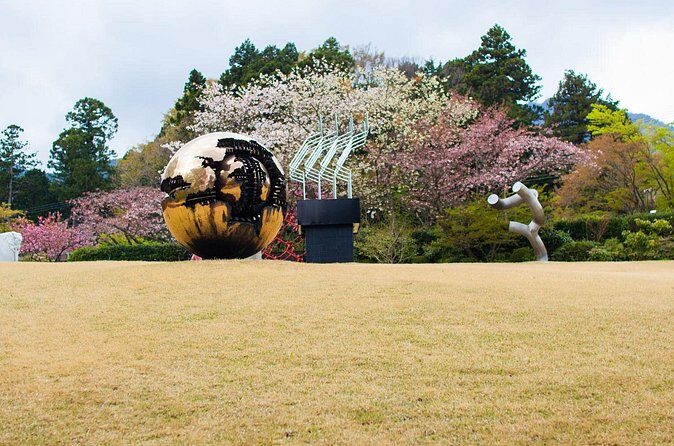
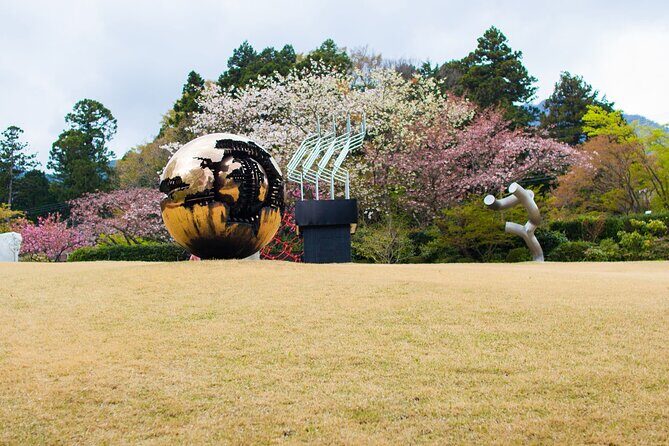
This is an outdoors-focused museum, with sculptures by well-known artists set against the mountain scenery. Even though this stop is only about 30 minutes, it can be a satisfying finish because you’re not rushed the way you are at viewpoint kiosks. You’re seeing art placed in nature-like surroundings.
Because the admission isn’t included, decide ahead of time whether you want museum time to be the priority. If you’d rather spend more time outside for photos, you might use the time window as a quick look and save your museum budget.
Guide quality and the small-group feel
This is a private tour/activity, meaning only your group participates. For many people, that’s the real difference maker. You’re not negotiating crowds and timing with strangers, and it’s easier for the guide to adjust pace—especially when Fuji views depend on the weather.
One name that comes up in a positive booking is the English tour person Salman Virk, described as generous and polite. That kind of guide style matters because this day includes both scenic stops and shrine explanations. When the guide talks clearly and stays friendly, it makes the whole route feel smoother.
Also, the WiFi on board helps you keep family on the same page—maps, messaging, and last-minute outfit checks.
Price and value: what $430 really buys you
Let’s talk value honestly.
You’re paying $430 per group up to 5. If you’re one person, it may feel steep compared with group bus tours. If you’re two, it starts to make more sense. If you’re a small family or a duo plus one or two friends, you’re effectively paying for:
- private transportation and pickup
- an English-speaking guide
- multiple iconic stops across two regions in one day
- basic ride comforts (WiFi and bottled water)
- free admission at several key sites
Then you have extra costs for some attractions: Lake Kawaguchiko, Mt. Fuji 5th Station, Hakone Ropeway, and Hakone Open-Air Museum have admission not included based on the tour info. And lunch isn’t included either.
So the value equation is simple:
- If you want guidance and convenience, and you’re splitting the cost, this can feel like a smart use of your limited time.
- If you’re budget-first and happy to self-arrange, you might find cheaper DIY options—but you’ll lose the one-day efficiency this route provides.
One more timing clue: on average, people book about 43 days in advance. If you’re traveling in a busy season or want a specific day, booking earlier is wise.
Practical tips for clear Fuji and a smoother day
This tour requires good weather. If it doesn’t work out due to weather, you’ll be offered a different date or a full refund. That’s comforting, but it still means you should pack like you’re going to get at least some outdoor time.
Here’s how I’d set yourself up for success:
- Wear layers: lakeside and high altitude can feel colder than Tokyo.
- Plan for extra ticket moments: since several stops are not included, keep a little cash/card buffer.
- Think of lunch as “on you”: lunch isn’t included, so have a snack strategy so you don’t get cranky mid-day.
- Use your stop times wisely: most stops are around 30 minutes, so you want to know what you’re capturing before you get there.
- Bring something for the ropeway/altitude: even if you’re not cold easily, wind at higher elevation can surprise you.
If you care about photos, focus on the “first clear angle you see” mindset. In one day, you can’t chase perfect light endlessly. The tour’s structure helps you hit the key scenes without losing hours to hesitation.
Should you book this Mount Fuji and Hakone day trip?
Book it if you want a structured day that hits both Fuji icons and Hakone volcanic scenery without the stress of transfers and ticket planning. The private setup (up to 5 people) plus pickup and an English guide is especially good for couples, small families, and anyone who’d rather spend time looking than figuring.
Hold off or adjust your expectations if you’re traveling solo on a tight budget, since the base price is per group and several attractions cost extra. Also, if you only want Mount Fuji views with maximum clarity, remember the tour depends on weather—and that’s out of your control.
If your priority is efficiency, friendly guidance, and checking off the sights that define this region, this is an easy day to recommend.
FAQ
How long is the Mount Fuji and Hakone day trip from Tokyo?
It runs for about 10 hours.
What is the group size and pricing?
The price is $430 per group, up to 5 people. It’s a private tour/activity, so only your group participates.
Is hotel pickup available?
Yes, pickup is offered.
Do I get an English-speaking guide?
Yes, the tour includes an English-speaking guide.
Is WiFi available during the tour?
Yes, WiFi is available on board.
What’s included in the price?
Included features are an air-conditioned vehicle, private transportation, WiFi on board, and bottled water.
Is lunch included?
No, lunch is not included.
Which stops have admission tickets included or not included?
Based on the tour details, these are free: Chureito Pagoda, Oshino Hakkai, Kitaguchi Hongu Fuji Sengen Jinja Shrine, Oishi Park, Hakone Shrine, Lake Ashinoko, and Owaku-dani Valley. These are not included: Lake Kawaguchiko, Mt. Fuji 5th Station, Hakone Ropeway, and The Hakone Open-Air Museum.
What happens if the weather is poor?
This experience requires good weather. If it’s canceled due to poor weather, you’ll be offered a different date or a full refund.
Can I cancel for free?
Yes. Free cancellation is available up to 24 hours in advance for a full refund.