REVIEW · KYOTO
Experience Kimono in Kyoto
Book on Viator →Operated by 京都着物レンタル · Bookable on Viator
A kimono makes Kyoto feel instant. You skip the cost and struggle of buying one, while an expert dresses you and sets your hair so you can just walk out and enjoy the day. I really like the private-room dressing and the staff’s photo-location tips, both of which make the whole thing feel easy and surprisingly personal. One thing to consider: you’ll need to return the outfit by 17:00, so your exploring time is capped.
You also get help choosing the look. The experience walks you through picking a kimono and matching obi, plus accessories, with advice if you’re unsure what works together. My favorite part is that hair styling and accessories are included, not treated like add-ons that suddenly cost extra. The main drawback is timing—this is built around a one-hour setup, so you’ll want to plan your Kyoto stroll right after.
In This Review
- Key highlights worth knowing
- Why a Kimono Rental Beats The Usual Kyoto Buying Plan
- Picking Your Kimono And Obi Like You Mean It
- Private Room Dressing: Where Time Disappears (In A Good Way)
- Hair Styling And Accessories: Included, Not Added Later
- The Photo Plan: Staff Tips Before You Start Walking
- Strolling Kyoto In Kimono: Gion, Temples, And Kawaramachi
- Price And Value: $25 For The Labor You’d Normally Pay For
- Timing, Returns, And What To Plan Around
- Who This Is Best For (And Who Might Skip It)
- Should You Book This Kimono Experience In Kyoto?
- FAQ
- How long does the kimono experience take?
- Is the tour private?
- What’s included in the price?
- Do I need to pay extra for hair styling?
- Are the tabi socks included as a gift?
- Where is the meeting point?
- What time do I need to return the kimono?
- Can I explore after I’m dressed?
Key highlights worth knowing
- Choose your kimono and obi from a collection, then build a look with staff guidance
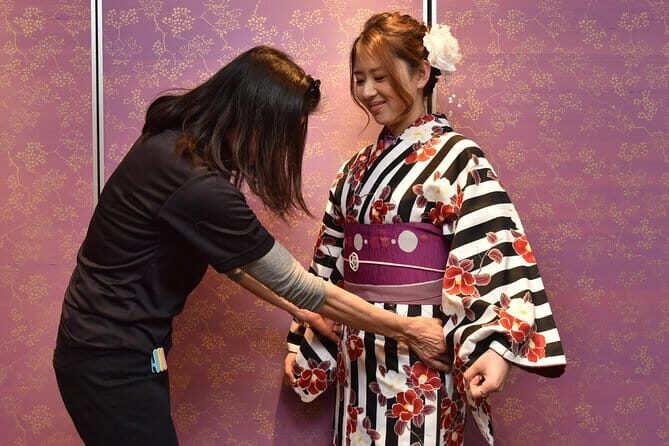
- Private room dressing so you can relax while the outfit and hair come together
- Hair set, accessories, and tabi socks included (October through May only for the tabi gift)
- Staff photo tips that help you aim for the best streets and temple-area angles
- A true Kyoto walk after you’re dressed, with access to spots like Gion and Kawaramachi within walking distance
Why a Kimono Rental Beats The Usual Kyoto Buying Plan
Kyoto is famous for kimono, but the usual route is expensive and time-consuming. Buying one means real money up front, then storage later. Putting one on yourself? That’s its own skill set—plus it often turns a fun plan into a stress project.
This rental-style experience fixes the two big pain points: you don’t have to buy and you don’t have to figure out dressing. For $25, you get the outfit plus the labor that usually takes serious time (and patience). In practice, that means you can spend your budget on the real reward: walking Kyoto in the look you came for.
There’s also a comfort factor that surprises people. You’re not shoved into a public changing area. The dressing and hair process happens in a private room, so you can focus on enjoying the moment instead of worrying about where to stand or how you look mid-setup.
You can also read our reviews of more tours and experiences in Kyoto.


Picking Your Kimono And Obi Like You Mean It
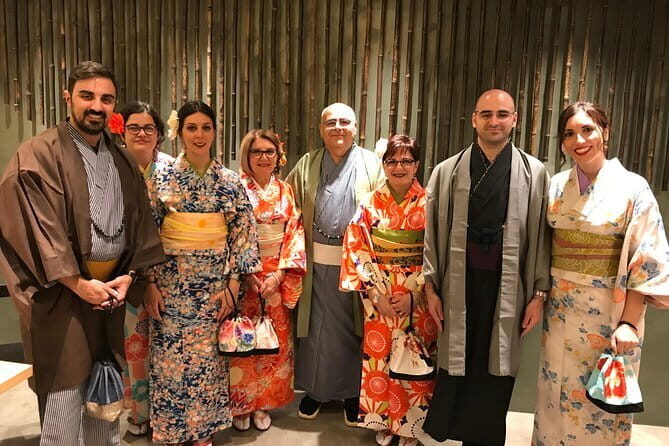
The process starts with choice. You’ll pick from the shop’s kimono collection, then move into styling: obi selection and matching pieces. If you don’t know what goes with what, you get help. The staff will guide you through pairing your kimono with the right obi and accessories so the final look looks intentional, not accidental.
This part matters because the difference between a kimono that looks great in photos and one that looks “fine” is often in the details:
- the obi color and how it contrasts with the kimono
- accessory choices that don’t fight the outfit
- how the overall look frames your silhouette for street photos
You also build your own style through the accessory selection. The experience includes items like bags and other accessories, so it’s not just clothing—it’s the full outfit feel.
And yes, you’ll see a lot of kimono in Kyoto. The advantage here is that you’re not stuck with one preset look. You’re designing your own within the shop’s collection, with someone guiding you if you need it.
Private Room Dressing: Where Time Disappears (In A Good Way)

Here’s the practical magic: an expert handles the hard part. Once you’ve selected your kimono and styling pieces, the dressing and hair prep happen in a private space. That means less rushing, fewer awkward stops, and more control over your comfort.
The outfit includes the kimono, obi, and shoes, plus Japanese-style socks. Staff also assist with selecting accessories and help you understand how the style fits together.
One detail I appreciate from a traveler perspective: the experience is designed to feel like a mini service, not a production line. You can relax while everything is adjusted properly and while your hair gets set to match the look.
Because it’s only your group, you’re not competing for attention with strangers. That matters if you want questions answered or if someone in your group wants extra help figuring out the final styling.
Hair Styling And Accessories: Included, Not Added Later
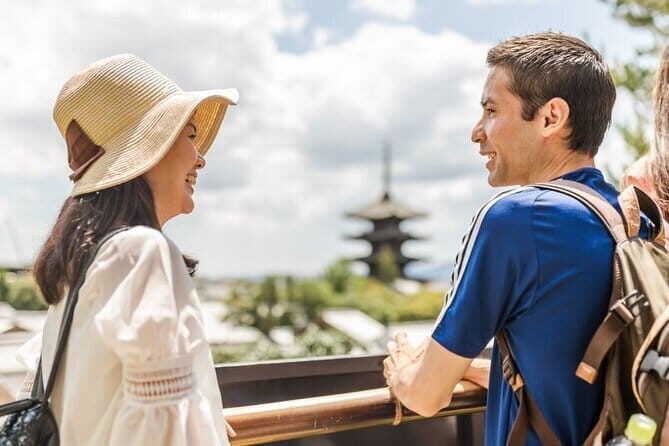
Hair styling is free, and hair accessories are free too. That’s a big value point, because in many kimono experiences, the outfit may be included while the hairwork is treated like a separate upsell.
You’ll also get help with what to wear next day-day, in the sense that the final look is cohesive. Shoes and Japanese sox (tabi-style socks) are part of the included setup, so you’re not left improvising footwear that won’t work with a kimono.
There’s one seasonal note: the experience mentions a pair of tabi socks as a memory of your trip for October through May only. If you’re traveling outside that window, you’ll still wear the socks as part of the outfit, but the takeaway gift isn’t indicated for all months.
Also, be ready for photos during this phase. Some experiences focus on dressing and leave you to fend for yourself afterward. This one places strong attention on helping you look good when you’re walking streets, not just when you’re seated.
The Photo Plan: Staff Tips Before You Start Walking

You don’t just get dressed and sent away. Staff provide recommendations for where to go and what to photograph. You’ll get advice on best locations, and they even take plenty of photos during the experience.
That part is important because Kyoto is visual, but it’s also busy. Without local guidance, you may end up on streets that look good only in certain light—or you may miss the angles that make the kimono feel truly Kyoto.
So treat the pre-walk guidance as a roadmap. Ask specifically where the best photo spots are for:
- the kind of street atmosphere you want (temple areas, traditional lanes, shopping streets)
- the time you’ll be out exploring
- easy walking routes once you’re in kimono
The more you lean into the staff’s advice before you go, the easier your later photos become.

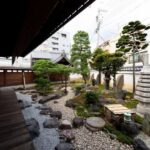




Strolling Kyoto In Kimono: Gion, Temples, And Kawaramachi

After you’re fully dressed, it’s time to explore at leisure. You can wander until the shop’s closing time, and you’re also asked to return the kimono by 17:00. That time limit is the big constraint, but it also encourages you to pick a plan that fits an afternoon stroll.
The location is handy. The shop is conveniently near public transportation, and many key areas are within walking distance. The big name here is Gion, with its picturesque streets. This is the classic kimono-walk zone, and your outfit is made for exactly this kind of scene.
You can also visit:
- temples and other famous landmarks (great for the full Kyoto vibe)
- Kawaramachi, a nearby shopping district that’s useful if you want a break from temples and want shops and street life
If you’re the type who likes a mix of culture stops and photo stops, kimono turns normal sightseeing into a visual theme. Even short walks can feel special because your outfit fits the streets.
One small reality check: Kyoto streets can be uneven and crowded. Kimono plus walking means you’ll want to move thoughtfully and keep your pace. It’s not a long hiking excursion. It’s a “walk and enjoy the atmosphere” kind of experience.
Price And Value: $25 For The Labor You’d Normally Pay For
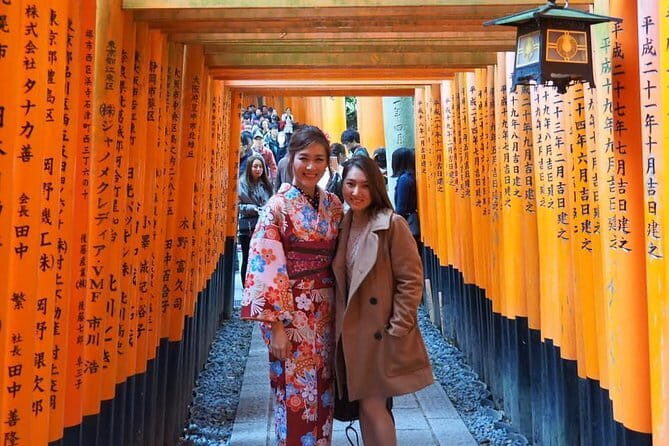
At $25, this is priced like a smart add-on, not a luxury upgrade. Here’s why it holds value:
- You’re paying for expertise, not just fabric. Dressing and hair styling take skill and time.
- Accessories and shoes are included, meaning your final look is complete.
- No additional charge is listed, so you’re not budgeting for surprise add-ons related to styling.
In other words, you’re buying the outcome: a properly dressed kimono with matching hair and socks, plus help with where to go for photos. If you tried to replicate it yourself, the hidden costs are time, trial-and-error, and often the need to pay someone anyway once you realize putting on a kimono correctly is not simple.
The experience also fits a tight schedule. It’s about one hour for the setup. That’s great if you want the kimono look without sacrificing an entire day.
Timing, Returns, And What To Plan Around

Plan for a smooth flow: arrive, pick your look, get dressed and your hair styled, then head out immediately afterward. Because the dressing phase is roughly one hour, you should expect to be walking shortly after.
Two time-related items matter:
- you must return the kimono by 17:00
- the experience allows exploring until the shop’s closing time
So build your day around the afternoon. If you’re doing temples early in the day, this can work as a second act. If you’re already planning a Gion-style afternoon, it’s even easier: you’ll be dressed for it from the start.
Also, confirm you’re bringing the right mindset for a rental. You’ll be adjusting your movement to the outfit. That means:
- take your time walking
- choose stops that are close enough to fit the return deadline
- keep your schedule flexible for the photo-friendly streets staff suggests
Who This Is Best For (And Who Might Skip It)
This is a great fit if you want:
- the classic Kyoto experience without the hassle
- more guidance than you’d get from a self-rental
- lots of photo support and location advice
- a private, calmer dressing setup
It also suits couples, friends, and families who want everyone to look good and feel comfortable during the process. The private setup helps reduce stress, and the service feels personal.
It’s not the best idea if anyone in your group is dealing with illness or if you’re looking for something for very young children. The experience states it’s not recommended for under 3 years old and not recommended for sick conditions.
If you’re someone who hates time limits, this might feel restrictive because the kimono has to be returned by 17:00. But for most travelers, that’s a reasonable trade for a full Kyoto look.
Should You Book This Kimono Experience In Kyoto?
If you want the kimono look with minimal friction, I’d book it. For $25, you’re getting an entire transformation: kimono, obi, shoes, Japanese-style socks, hair set, accessories, and real guidance on where to go for photos. That’s a lot of value packed into about an hour.
Book it especially if you’re planning to spend time in Gion and around classic Kyoto streets. The outfit makes the walk more meaningful, and the staff’s location tips can save you time hunting for the best photo angles.
Skip it only if your schedule is too tight for a 17:00 return, or if your group strongly prefers independent, self-guided planning. This one is built around service and coaching, not DIY.
FAQ
How long does the kimono experience take?
It’s about 1 hour (approx.) for the dressing and setup.
Is the tour private?
Yes. It’s a private tour/activity, and only your group will participate.
What’s included in the price?
Kimono (or Yukata in summer), obi, shoes, hair set, hair accessories, Japanese sox, and a Japanese bag are included.
Do I need to pay extra for hair styling?
No. Hair styling is free and included in the experience.
Are the tabi socks included as a gift?
The experience mentions tabi socks as a memory of your trip for October through May only.
Where is the meeting point?
The start point is GOZAN HOTEL & SERVICED APARTMENT Higashiyama Sanjo at 35-7 Sanchōme, Higashiyama Ward, Kyoto, 605-0005, Japan.
What time do I need to return the kimono?
You’re asked to return the kimono by 17:00.
Can I explore after I’m dressed?
Yes. You can stroll around Kyoto at leisure until the shop’s closing time, following the return deadline.