REVIEW · TOKYO
Private Ginza Architecture Tour
Book on GetYourGuide →Operated by Showcase Tokyo Architecture Tours · Bookable on GetYourGuide
A great architecture walk in one of Tokyo’s smartest blocks. You’ll connect classic Japanese design thinking with 1960s–70s Metabolism ideas, then see how that thinking echoes in today’s Ginza buildings.
What I like most is the contrast: you start with a temple that feels like it belongs in two worlds, and you end at Ginza 4-chome with the Wako/SEIKO watch building. One thing to consider is the itinerary is very “walk-and-look,” so comfortable shoes matter more than usual.
A private, English live guide keeps the pace easy to follow, especially when you want context on what you’re seeing. You’ll also get a short drinks break, which helps you stay fresh for the second half of Ginza. If you’re hoping for lots of shopping time or long indoor stops, this tour is more about observation than spending.
In This Review
- Key highlights you’ll actually care about
- Why this Ginza architecture tour feels different from the typical sight-seeing loop
- The one practical thing to plan for
- Meeting at Tsukiji Hongwan-ji: the start is already a plot twist
- What you’ll get from the temple stop
- How long to linger here
- Kabuki Theatre (opened 2013): tradition carried forward in a new shell
- Why this stop matters for your “architecture reading”
- The Metabolism movement stop: why 1960s–70s urban ideas still feel current
- What to watch for when the guide points out Metabolism influence
- Modern Ginza landmarks: Hayek, Hermes, Tokyu Plaza, Mikimoto, and more
- My favorite way to use these stops
- A note on indoor expectations
- The secret backstreet side trip: why this makes the Ginza story feel real
- What to do during this part of the walk
- Break time with drinks: a small feature that improves the whole tour
- Private group pacing and the English guide factor
- Price and value: is $129 per person worth it?
- When this is especially good value
- When it might not fit
- Who should book this Ginza architecture tour
- Should you book it? My quick decision guide
- FAQ
- FAQ
- How long is the Private Ginza Architecture Tour?
- Where do I meet the guide?
- Is this tour private, and is there a live guide?
- What’s included in the price?
- Are meals included?
- What’s the cancellation policy?
Key highlights you’ll actually care about
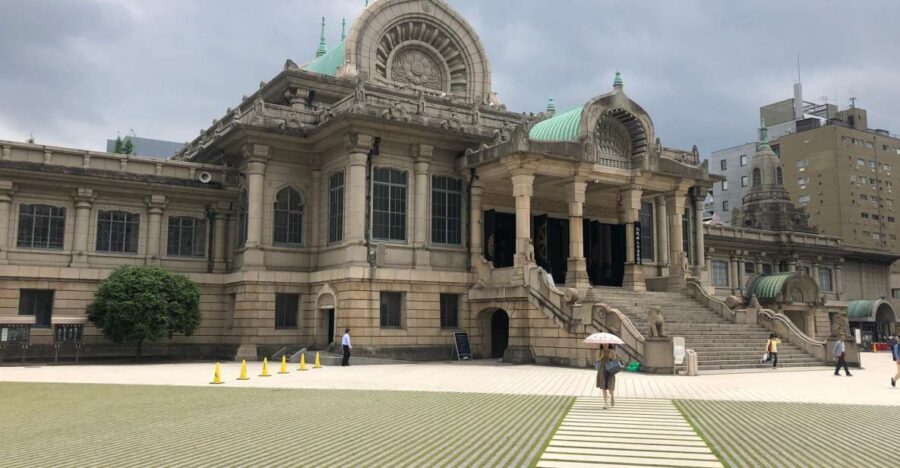
- Tsukiji Hongwan-ji’s mixed design language: an Indian-style exterior and a church-like interior make for instant “wait, what?” factor.
- Kabuki Theatre, opened in 2013: you’ll see how newer construction still respects traditional styling.
- Japanese Metabolism movement ideas in practice: you’ll admire a masterpiece tied to 1960s–70s proposals for New Urbanism.
- A classic-to-modern Ginza sweep: from older-feeling structures to contemporary commercial architecture.
- Ginza backstreet side trip: a quieter view that helps you understand Ginza beyond the big storefronts.
- Private group focus: you can move at a comfortable pace with an English guide.
Why this Ginza architecture tour feels different from the typical sight-seeing loop
Ginza is easy to tour if you just want big-brand facades and department stores. This experience works because it treats Ginza like an outdoor design museum. You’re not just looking at buildings; you’re learning why they look the way they do—materials, style choices, and the urban ideas behind them.
The tour price is $129 per person, which is fairly standard for a private, guided walking experience in Tokyo. What makes it feel like good value is the tight structure: a 210-minute route that covers multiple architectural “types” in one go, plus a short drinks break. You’re paying for interpretation (the guide), not just foot travel.
You can also read our reviews of more private tours in Tokyo



The one practical thing to plan for
It’s a walking tour with stops that are meant for looking closely. If you run out of energy halfway, the later Ginza section won’t feel as rewarding. I’d treat this as a morning-or-early-afternoon activity (when you’re fresh) and wear shoes you trust.
Meeting at Tsukiji Hongwan-ji: the start is already a plot twist
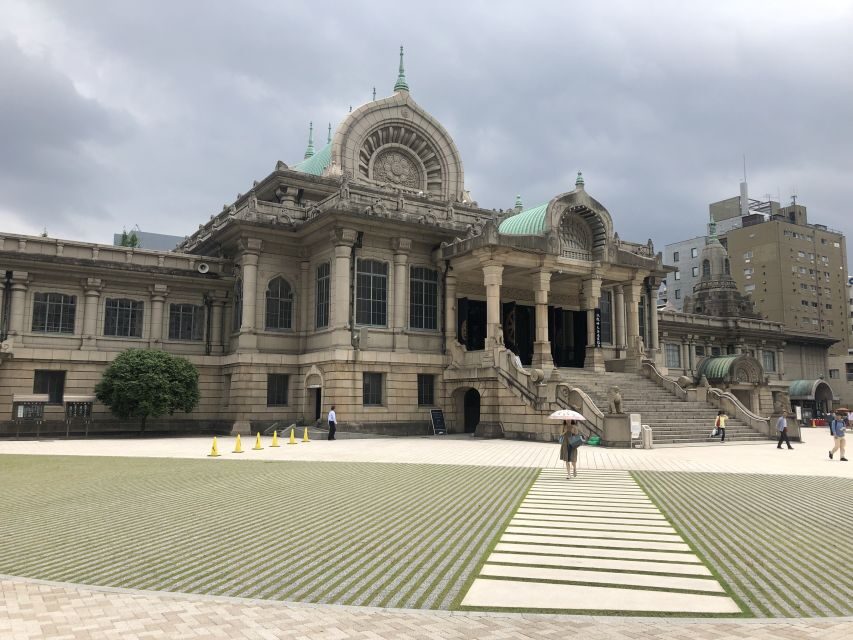
Your day begins at the main gate of Tsukiji Hongwan-ji temple, which is an inspired choice for an architecture-focused tour. The directions are straightforward: get out of Exit 1 of Tsukiji Station (Tokyo Metro Hibiya line), turn left, and walk straight for less than a minute.
The building itself is the kind of place that changes how you look at a neighborhood. You’ll start with what’s described as an Indian style exterior, then step inside to a interior that feels European church-like. That contrast matters because it trains your eye early: architecture here isn’t trying to be one single “Tokyo” look. It’s layered.
What you’ll get from the temple stop
- A quick lesson in how religious architecture can borrow language from far-away styles.
- A chance to see how interior light and space shape your experience, not just the facade.
- A reminder that Ginza’s image as polished and modern is only part of the story.
How long to linger here
The tour is paced for a walking route, so you won’t have hours to wander. But the point is to notice. Take a moment to look for the “why” behind the feel of the space, not just the wow factor.






Kabuki Theatre (opened 2013): tradition carried forward in a new shell
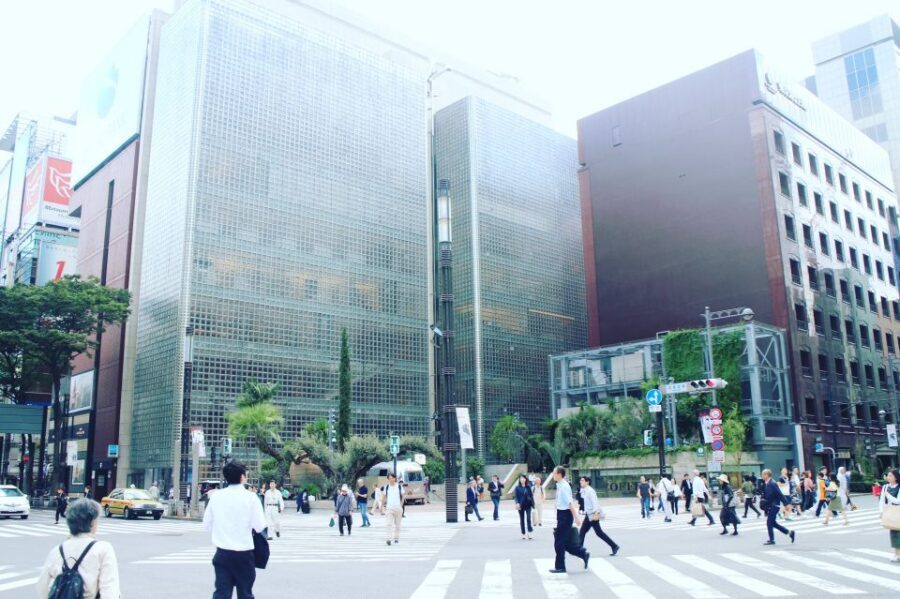
Next up is the newly built Kabuki theater (2013). The key phrase in the tour description is that it inherited the traditional style from past generations. That’s the architecture angle: new buildings can still behave like cultural buildings.
Kabuki is about continuity, and the theater’s exterior and presence are part of that. Even if you’re not planning to attend a show, you’ll likely appreciate the design choices that aim for familiarity—so the building doesn’t look like an unrelated modern office dropped into the neighborhood.
Why this stop matters for your “architecture reading”
This is where you start connecting the day’s theme: not every “modern” building breaks from the past. Sometimes modern work is about updating logistics, materials, and code standards while preserving the visual grammar people expect.
If you tend to only notice shape and height, this stop helps you pay attention to style inheritance—how tradition gets translated into a new construction era.
The Metabolism movement stop: why 1960s–70s urban ideas still feel current
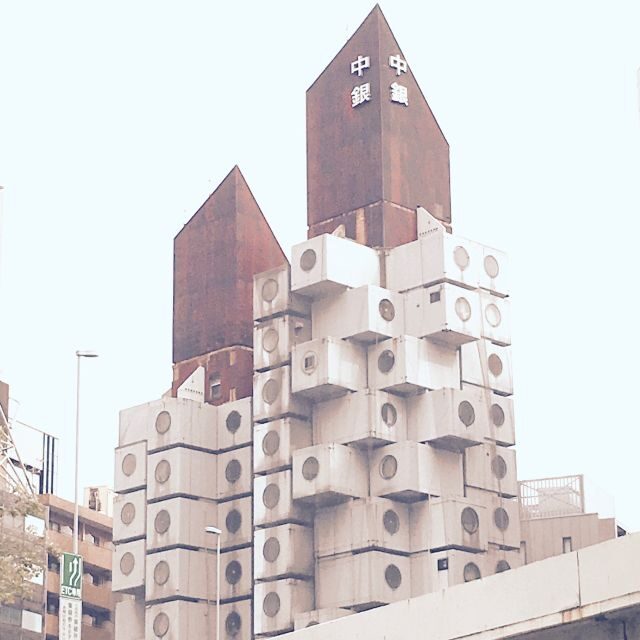
One of the tour highlights is admiring a masterpiece from the Japanese Metabolism movement—proposals for a New Urbanism that emerged in the 1960s to 70s. Even without a technical background, the idea is simple: architects imagined cities as systems that could change, grow, and adapt rather than stay fixed forever.
The value here is perspective. You’ll be able to look at modern Ginza buildings and think: are they static monuments, or do they reflect older ideas about flexibility and rethinking the city? The guide’s framing turns a quick photo stop into something more useful.
What to watch for when the guide points out Metabolism influence
You’ll likely get prompted to notice design logic—how parts relate, how structures feel modular or system-based, and how a building can read like part of a bigger urban plan rather than a standalone object. That’s a great way to “learn” architecture without drowning in jargon.
Modern Ginza landmarks: Hayek, Hermes, Tokyu Plaza, Mikimoto, and more
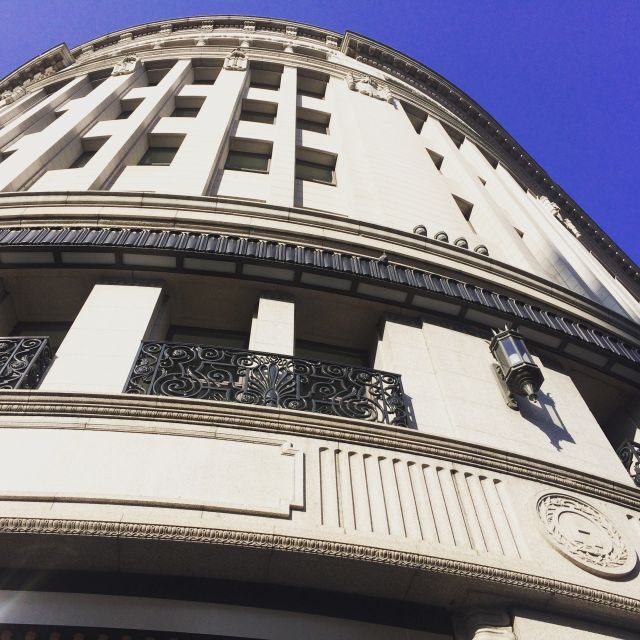
After the Metabolism thread, the route becomes a concentrated sampler of Ginza’s commercial architecture. You’ll see stops including:
- Nicolas G. Hayek Center
- Maison Hermes
- Tokyu Plaza Ginza
- Mikimoto Ginza 2
- the Okuno Building
- and finally the Ginza 4-chome intersection where the Wako (SEIKO watch) building stands
Even though these are famous names, the tour approach is what turns them into an architecture experience. Brand buildings can be easy to treat like billboards. With a guide, you’re pushed to ask: what does the building design do besides advertising? How do the entrances, windows, and massing shape the street?
My favorite way to use these stops
At each storefront-style landmark, I’d focus on one “design question”:
- How does the facade handle scale at street level?
- Does the building feel heavy or light?
- Where does your eye go first—signage, symmetry, or architectural detail?
You’re moving fast, but these questions keep your brain engaged instead of turning the day into a photo marathon.
A note on indoor expectations
Some of these locations are commercial spaces, and you might see areas from the outside or entry-adjacent viewpoints. The tour is described as a walking tour with time for drinks, not a museum-style indoor schedule. If your dream day includes lots of interior access, you may want to set expectations that the architecture learning mainly happens outdoors and in accessible exterior/interior viewing points.
The secret backstreet side trip: why this makes the Ginza story feel real
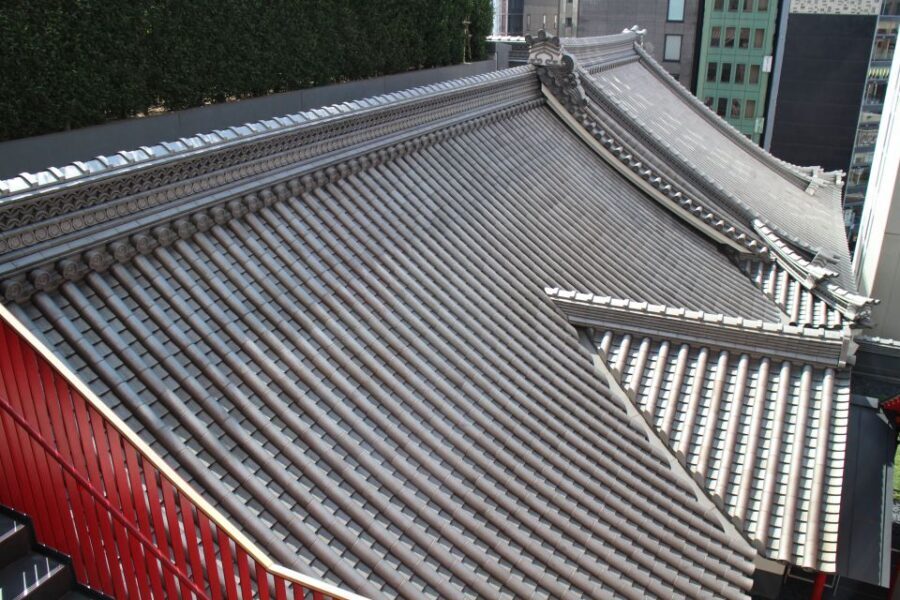
The itinerary includes a side trip to a backstreet neighborhood—described as a secret route—to appreciate different aspects of the area. This is more than a cute detour. Ginza’s official face can be so controlled that it’s easy to forget there’s everyday Tokyo beside it.
Backstreets usually help you see:
- building scale when signage isn’t dominating the view
- how older structures sit next to newer ones
- how pedestrian flow changes the “feel” of a block
That’s also where architecture ideas become social. Buildings aren’t just objects; they shape how people move, pause, and live.
What to do during this part of the walk
Go slower than you think you need to. That side trip is your chance to notice details you’d miss on a straight shot: doorway rhythm, sidewalk width, and how roofs and upper floors relate to the street.
Break time with drinks: a small feature that improves the whole tour
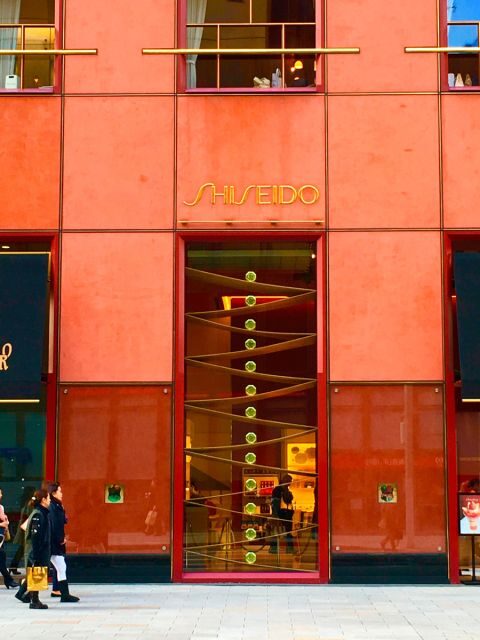
One of the included items is a break time with drinks. It sounds minor, but in a 210-minute walking tour, this kind of reset helps you stay sharp for the final stretch.
I’d treat the break like a checkpoint: look back at the buildings you’ve already seen and try to connect them. Is the day’s theme—the move from tradition to modern, plus Metabolism-era urban thinking—actually showing up in the landmarks? Usually, it will once you pause.
Private group pacing and the English guide factor
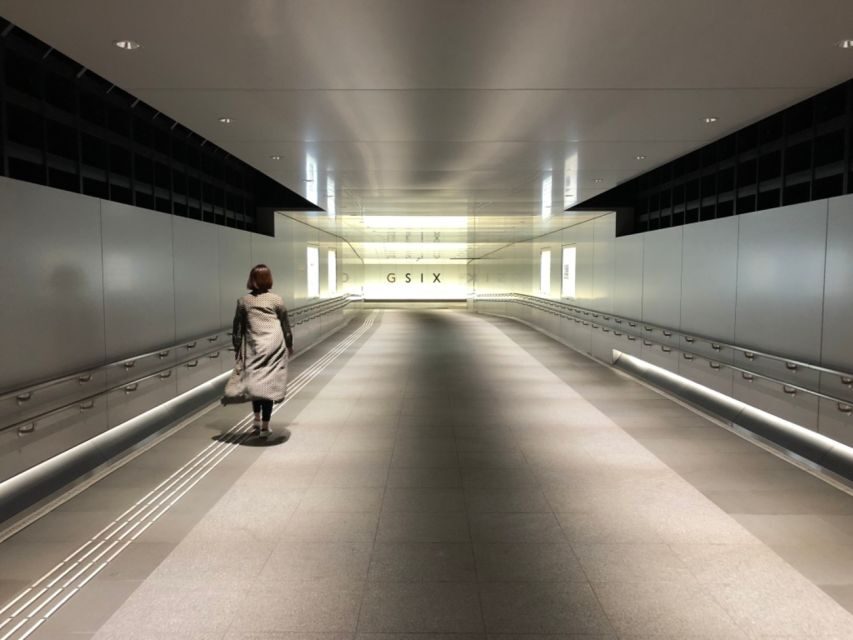
This is a private group tour with a live guide in English. Private matters because you can ask follow-up questions without holding up a larger group, and the guide can tailor explanations to what you seem to notice.
One of the best pieces of evidence in the provided reviews is that the guide is both competent and pleasant, which matters a lot on architecture walks. Good architecture commentary isn’t just facts. It’s clarity—helping you see what you’d otherwise miss.
You’ll also appreciate the short, practical nature of the tour: a route that stays within the Ginza/Tsukiji area and ends at Ginza 4-chome where the Wako/SEIKO building anchors the finish.
Price and value: is $129 per person worth it?
At $129 per person for 210 minutes, you’re paying for a focused guide-led walking experience that combines:
- a distinctive start at Tsukiji Hongwan-ji
- a structured architecture arc that includes Japanese Metabolism context
- multiple Ginza landmarks across traditional to modern
- a backstreet side trip for contrast
- an included drinks break
You’re not paying for meals. Meals and transportation to/from the Ginza area are not included, so budget extra time and cash for getting there and eating afterward.
When this is especially good value
- You care about design context, not just photos.
- You prefer learning on foot with someone who can explain what you’re seeing.
- You want a Ginza architecture mix that covers eras and styles in one afternoon.
When it might not fit
If you mainly want shopping time, you may feel the walk is too structured. The tour is about architecture viewing and interpretation.
Who should book this Ginza architecture tour
This tour fits best if you:
- like architecture and want a story that connects different decades
- enjoy urban design concepts like Japanese Metabolism and how ideas affect real buildings
- want a private, English guided experience without crowd pressure
- would rather understand the city than just list landmarks
It’s also a good match for first-time Ginza visitors who want more than storefront sightseeing.
Should you book it? My quick decision guide
Book it if you want an architecture-focused Ginza route with strong thematic structure: Tsukiji’s design contrast, Kabuki Theatre’s tradition-to-new-build angle, Metabolism-era urban ideas, then a concentrated walk through famous Ginza landmarks and a backstreet contrast.
Skip it or consider another option if you’re looking for a slow, relaxed, mostly indoor day, or if you don’t want to do a lot of walking. Also factor in that transportation to and from the area and meals aren’t included.
FAQ
FAQ
How long is the Private Ginza Architecture Tour?
It lasts 210 minutes.
Where do I meet the guide?
Meet in front of the main gate of Tsukiji Hongwan-ji temple. From Tsukiji Station (Tokyo Metro Hibiya line), take Exit 1, turn left, and walk straight for less than a minute.
Is this tour private, and is there a live guide?
Yes. It’s a private group tour with a live English-speaking guide.
What’s included in the price?
The tour includes the guide, a walking tour, and a break time with drinks.
Are meals included?
No, meals are not included.
What’s the cancellation policy?
You can cancel up to 24 hours in advance for a full refund.