REVIEW · TOKYO
Experience the Stunning Nature of Mt.Fuji – Private Tour
Book on Viator →Operated by Trip Designer Inc. · Bookable on Viator
A Fuji day worth the long drive. This private tour strings together Tenjoyama views and Fuji Five Lakes highlights, plus an English-speaking guide and hotel pickup so you can focus on the scenery. You also get a mix of viewpoints, a local-food lunch, and cultural stops that feel like a thoughtful day plan rather than a rush-job.
I love how the schedule balances “see it from above” with “slow it down” moments, like the calm around Lake Saiko and the village walk at Iyashi no Sato. One thing to consider: the day runs long, and some big moments have separate entrance fees, especially the ropeway ticket.
In This Review
- Key Highlights You’ll Actually Feel During the Day
- A Private Mt. Fuji Day That Hits Kawaguchiko, Saiko, and Aokigahara
- Tenjoyama Ropeway to Mt. Tenjo: Your Big Fuji-View Opening Move
- Hototo Hoto Lunch at Kawaguchiko: Local Food With No Guesswork
- Bicycle Time at Lake Kawaguchiko: Low Effort, Nice Payoff
- Lake Saiko’s Calm, Iyashi no Sato’s Traditional Village Walk
- Fugaku Wind Cave: The Ice-Cave Stop That Feels Like a Time Capsule
- Group Size, Time Pressure, and How the 11–12 Hours Work
- Price and Value: What You’re Paying For (and What You’re Not)
- Weather and Visibility: The One Variable You Can’t Fully Control
- Who This Mt. Fuji Private Tour Suits Best
- Should You Book It? My Practical Decision Guide
- FAQ
- How long is the Mt. Fuji private tour?
- What time does the tour start?
- Is hotel pickup and drop-off included?
- Is lunch included in the tour price?
- Are entrance fees included?
- Do I need to pay for the Mt. Fuji ropeway ticket?
- How many people are in a group?
- Is the tour private?
- What if the weather is bad?
Key Highlights You’ll Actually Feel During the Day
- Tenjoyama Ropeway up 1,075 m: Ride to Mt. Tenjo and enjoy the downhill path lined with hydrangeas on the way back.
- Hoto noodles lunch in Kawaguchiko: A hearty local specialty (thicker, warmer, veggie-studded udon style) at Hotokura Funari Kawaguchiko.
- A short bike loop around Lake Kawaguchiko: Rent bikes for an easy 2.9 km ride, then drop them off at the Kawaguchiko Boathouse.
- Lake Saiko’s quiet pace: Crystal-clear blue water and a peaceful stop that contrasts nicely with the busier viewpoints.
- Iyashi no Sato recreated village: A reconstruction connected to a 1966 landslide, rebuilt as an open-air traditional farm village in 2006.
- Fugaku Wind Cave’s freezing “ice cave” vibe: Cold temperatures even in summer, historically used for storing ice.
A Private Mt. Fuji Day That Hits Kawaguchiko, Saiko, and Aokigahara
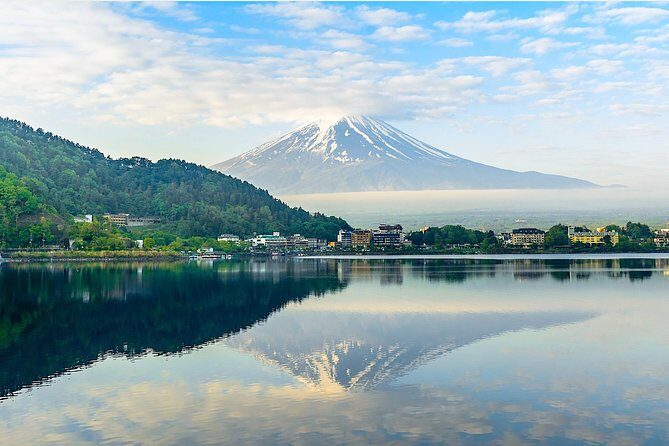
This is the kind of Mt. Fuji outing that works when you want a full day without the stress of planning each transit hop. You start in Tokyo around 8:00 am, then spend roughly 11 to 12 hours moving through the Fuji Five Lakes area with your own vehicle and guide.
What makes it special for value is the way it covers variety. You get major viewpoint time, a regional food lunch, a small activity (bicycles), then quieter nature and cultural stops around the Aokigahara forest area.
You’re also traveling as a private group (up to 7 people). That matters because it lets the pace feel flexible, not like a mass tour where you’re stuck with whatever the schedule demands.
You can also read our reviews of more private tours in Tokyo


Tenjoyama Ropeway to Mt. Tenjo: Your Big Fuji-View Opening Move
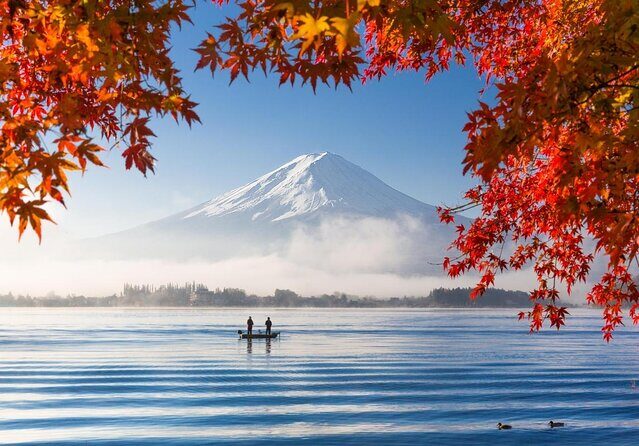
The day kicks off with the Mt. Fuji Panoramic Ropeway ride up 1,075 m to the summit area of Mt. Tenjo. From the top, you’ll get broad views over Lake Kawaguchiko, with Mt. Fuji in the frame when the weather cooperates.
This stop is built around a simple idea: if visibility is good, you want your clearest, highest-angle views early. Even later in the day, cloud cover and shifting light can change what you can see, so starting with the ropeway makes practical sense.
The downtime matters too. You’ll spend about 1 hour 30 minutes here, which gives you enough time to ride up, take in the views, and walk the area without feeling trapped in one photo spot.
One cost note: the ropeway ticket is not included. Budget on about 1,000 yen per person for that entrance ticket, and remember it’s separate from the tour price.
Hototo Hoto Lunch at Kawaguchiko: Local Food With No Guesswork
Next comes lunch at Hotokura Funari Kawaguchiko. The star dish here is hoto noodles, a Kawaguchiko regional favorite that’s basically a heartier, thicker take on udon. It’s served hot with vegetables in the stew, which is ideal for a full-day outing—warming, filling, and not something you’d just stumble into back in Tokyo.
You’ll have around 45 minutes for lunch. That timing is helpful: you’re not rushed through food, but you also won’t lose half the day waiting for a table.
Just be aware: lunch itself is not included in the tour price. The stop is convenient and guided, but you’ll still pay for your meal.
If you’re traveling with kids or anyone who gets cranky when a schedule slips, this is also a smart anchor point. Eating at a planned location means you don’t spend the day searching for something open or easy to order.
Bicycle Time at Lake Kawaguchiko: Low Effort, Nice Payoff
After lunch, you’ll shift into a short active break: bicycles around Lake Kawaguchiko. Bikes are rented at Shiki no Yado Fujisan hotel, then you cycle about 2.9 km around the lake before dropping them off at the Kawaguchiko Boathouse.
This is a great “stretch your legs” moment because it’s not a long grind. It’s long enough to feel like you did something beyond walking, but short enough that you don’t need serious fitness planning for it.
Then you’ll be driven a few minutes to Oishi Park, which is known for its flower-filled vibe (and it fits nicely after the water-and-bike segment). Expect a more leisurely rhythm here compared to the ropeway.
One drawback to consider: bicycles aren’t for everyone. If you’d rather just keep moving by foot or you’re not comfortable riding, you may want to pace your day a little differently with your guide. The tour is private, so you can often ask for sensible adjustments on the day—just keep expectations realistic.
Lake Saiko’s Calm, Iyashi no Sato’s Traditional Village Walk
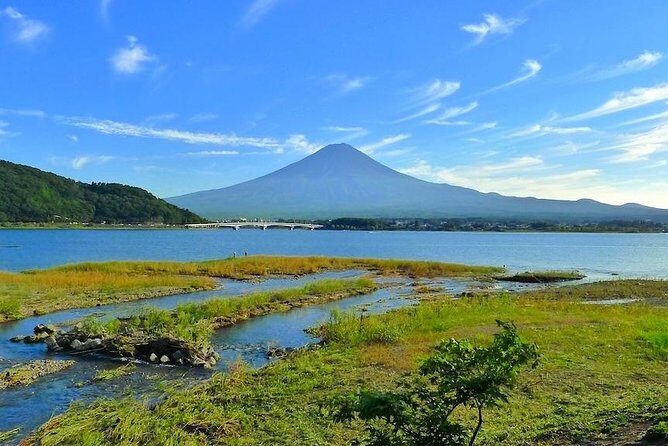
One of the nicest contrasts in this tour is how it moves from the more famous Kawaguchiko area toward the quieter feel of Lake Saiko. This stop is short—about 10 minutes—but it’s positioned for atmosphere. Saiko sits near the lush green of the Aokigahara forest, and it’s described as the most tranquil of the Fuji Five Lakes.
What you’ll appreciate here is the pause. After a long day of viewpoints and transit, a quick, calm water moment resets the pace. If you like photography, Saiko tends to reward you with a steadier, less frantic mood than the busier waterfront areas.
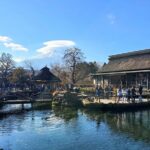
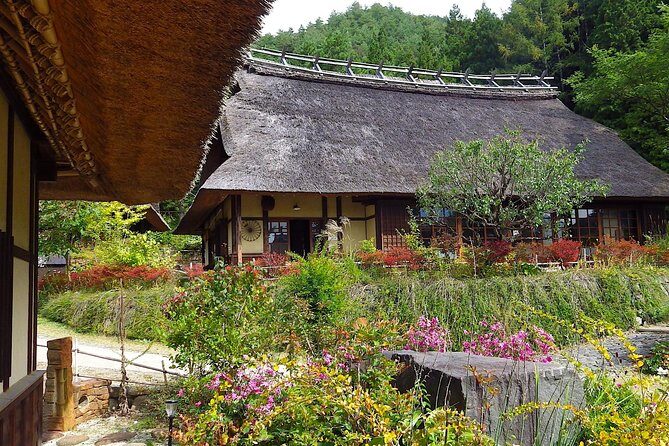
Then comes Iyashi no Sato Nemba, a recreated traditional Japanese farming village near Lake Saiko. It’s about 1 hour long, and it’s more than just pretty buildings. The village was destroyed in a 1966 landslide, then reconstructed in 2006 as an open-air traditional settlement—so it carries a real story of loss and rebuilding.
A place like this works best when you slow down and look at details like building materials, layouts, and how everyday life is represented. Your guide can help you make sense of what you’re seeing, especially when you’re trying to connect the physical setting to Japan’s rural heritage.
Admission to Iyashi no Sato isn’t included, so plan on separate entry fees for that stop.






Fugaku Wind Cave: The Ice-Cave Stop That Feels Like a Time Capsule
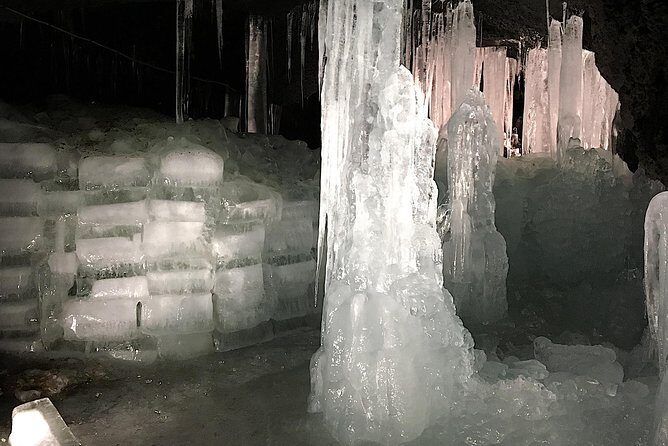
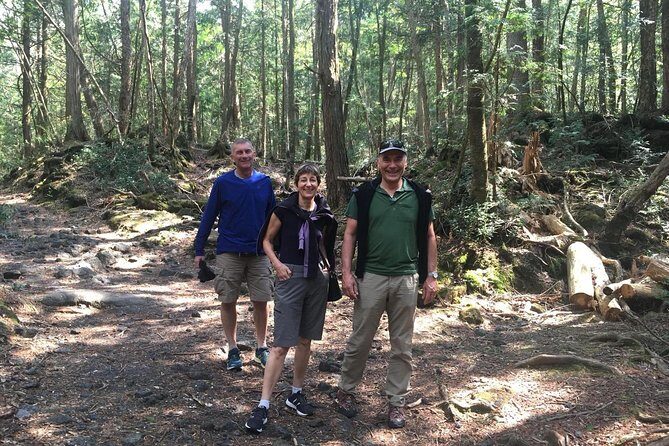
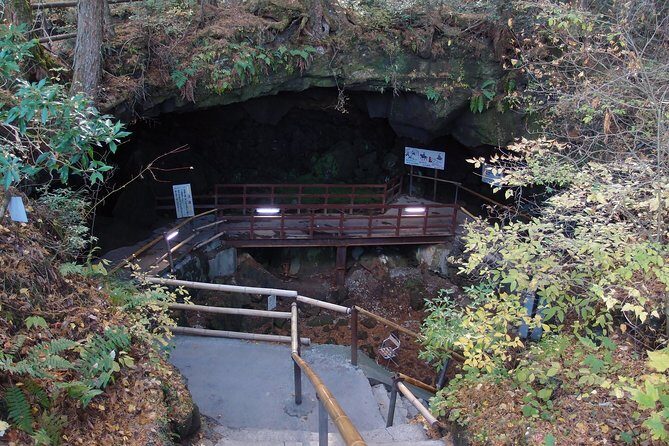
The final major stop is Fugaku Wind Cave, about 35 minutes. It’s located in the Aokigahara forest area and is famous for staying at freezing temperatures even in summer—effectively behaving like an “ice cave.”
Historically, it was used for storing ice for use in the warmer months. That’s a memorable contrast to the hot outside world, and it’s exactly the kind of place that breaks up a sightseeing day with something physical and atmospheric.
Practically, this is also the stop where you’ll want to have sensible clothing. Even if it’s warm in Tokyo, the cave environment can feel significantly colder. If you tend to get chilly easily, bring a layer you can throw on quickly.
Entrance fees to the cave aren’t included, so you’ll handle that directly on the day.
Group Size, Time Pressure, and How the 11–12 Hours Work
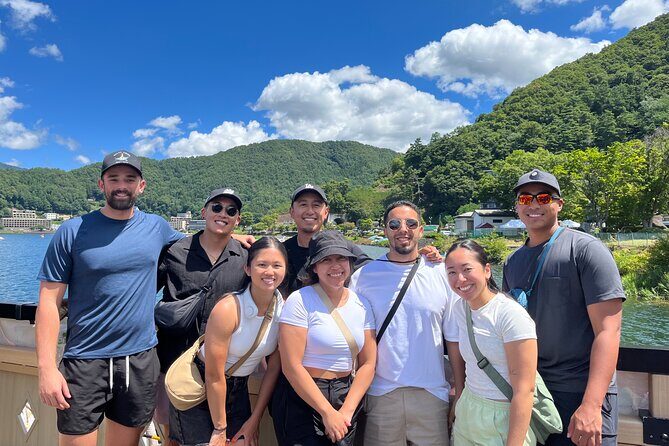
This tour runs long enough that it deserves planning on your side, even though pickup and private transport remove a lot of the hassle. With an 8:00 am start, you’ll be on the move for roughly half a day in travel mode plus several timed stops.
That structure is a plus if you hate wasting time. You’re not wandering around guessing which spot is open or how to get there; the vehicle and guide do that thinking for you.
The tradeoff is that you can’t treat this like a slow, choose-your-own-adventure day. If your main goal is maximum hanging-out time, this might feel packed. If your goal is to hit the best-known Fuji Five Lakes moments in one sweep, this is the right format.
Physical fitness matters too. The tour notes moderate fitness, which likely means you should be ready for walking at viewpoints and inside sites like the village and cave areas. If you’re comfortable with that, you’ll probably enjoy the day’s rhythm.
Price and Value: What You’re Paying For (and What You’re Not)
The price is $1,248.07 per group, up to 7 people. On the surface, that can look steep if you compare it to public transit. But private Mt. Fuji tours are really about removing friction: you’re paying for a dedicated English-speaking guide, a private vehicle, and hotel pickup/drop-off in Tokyo.
Where the value shows is in the day’s shape. You’re hitting multiple locations that would be annoying to connect on your own. You also get someone who can guide the timing so you’re not arriving at major sites at the worst moment of the day.
What’s not included is also worth knowing because it affects your total out-of-pocket budget:
- Lunch
- Entrance fees for Iyashi no Sato Nemba and Fugaku Wind Cave
- Mt. Fuji Panoramic Ropeway ticket (about 1,000 yen per person)
Even with those extras, the overall structure can still be a strong deal—especially if you’re traveling as a family or a small group and want everyone to stay together.
And there’s another detail: it’s described as a mobile-ticket experience with hotel pickup and drop-off. That cuts down the last-minute stress, which is its own kind of value.
Weather and Visibility: The One Variable You Can’t Fully Control
This is a mountain-area day, so weather has real power over your photos and views. The experience requires good weather, and if conditions don’t cooperate, the tour can be adjusted to a different date or you get a full refund.
Your planning tip: think of this as a day that works best when clouds clear and visibility opens up. If you’re in Tokyo for only a short time, you’ll want to schedule your Fuji day with enough flexibility to handle weather changes.
Who This Mt. Fuji Private Tour Suits Best
This is a strong match if you want:
- A private, English-speaking guide and door-to-door pickup
- A plan that covers Kawaguchiko, Saiko, Iyashi no Sato, and Fugaku Wind Cave in one day
- A mix of viewpoints, local food, and a small activity like the 2.9 km bike ride
It’s also ideal if you appreciate when the guide does more than point at things. In the feedback, guides like Yahiro have been praised for staying friendly, answering questions, and helping families find an easy lunch spot during the day—exactly the kind of support that makes a long outing feel smooth.
If you dislike long days or you strongly prefer self-paced wandering with zero schedule structure, you may want a different style of Fuji tour.
Should You Book It? My Practical Decision Guide
I’d book this tour if your goal is a single, efficient day that still feels thoughtful—ropeway views first, a real Kawaguchiko lunch, a short bike loop, then quieter Saiko and the cold, fascinating cave. The private setup is what makes it feel comfortable, not frantic.
I would pause before booking if entrance fees on top of lunch and tickets would stretch your budget, or if your group members want a very slow pace with lots of unstructured time. Also, if you’re booking for a date when you can’t move plans around and weather is iffy, consider booking with flexibility in mind.
If you’re traveling with up to 7 people and you want the guide and transport to do the hard work, this one is a solid choice.
FAQ
How long is the Mt. Fuji private tour?
It runs about 11 to 12 hours.
What time does the tour start?
The start time is 8:00 am.
Is hotel pickup and drop-off included?
Yes. The tour includes hotel pickup and drop-off in Tokyo.
Is lunch included in the tour price?
No. Lunch is not included.
Are entrance fees included?
No. Entrance fees are not included for places like Iyashi no Sato Nemba and Fugaku Wind Cave.
Do I need to pay for the Mt. Fuji ropeway ticket?
Yes. The Mt. Fuji Panoramic Ropeway ticket is not included, and it’s listed as 1,000 yen per person.
How many people are in a group?
The tour price is per group up to 7 people.
Is the tour private?
Yes. It’s a private tour, and only your group participates.
What if the weather is bad?
The tour requires good weather. If it’s canceled due to poor weather, you’ll be offered a different date or a full refund.