REVIEW · TOKYO
From Asakusa: Old Tokyo, Temples, Gardens and Pop Culture
Book on GetYourGuide →Operated by Pinpoint Traveler · Bookable on GetYourGuide
Neon and temples in one steady walk. This 4-hour private tour strings together East Tokyo’s key neighborhoods so you can see how tradition and modern life keep borrowing from each other. You’ll start around Asakusa and its famous temple streets, then swing toward Akihabara for Electric Town energy, and finish with a breather at Koishikawa’s classic garden.
I love the way the guide explains the city as a story, not a list of sights. Two standouts for me: the history connections (including how Asakusa and Ueno were linked early by Tokyo’s first subway) and the personal touch—guides like Taka, Takee, and Toru have a habit of making the walk feel like a conversation, not a lecture.
The main drawback to plan for is simple: 4 hours means you’ll cover ground and won’t get super long, slow time in each place. If you want to linger for a half day at a single neighborhood, this route will feel a bit brisk.
In This Review
- Key points to look forward to
- Why this East Tokyo route makes sense in 4 hours
- Meeting at Kamiya Bar in Asakusa: quick start, easy rhythm
- Asakusa and Sensō-ji: the early temple story behind the crowds
- Ueno and Okachimachi: street vendors, museum area energy, real shopping grit
- Akihabara: from electronics town roots to anime and gaming culture
- Koishikawa Korakuen: an Edo-era reset after neon streets
- How the whole story connects: Tokyo’s past turned into daily life
- Value check: what $68 buys you (and how to plan your day)
- Who should book this tour—and who might skip it
- Should you book this private Asakusa to Akihabara tour?
- FAQ
- Is the tour private or group-based?
- Where do we meet?
- How long is the tour?
- What is included in the price?
- What is not included?
- What should I wear or bring?
- Is the tour wheelchair accessible?
- Can I cancel if my plans change?
Key points to look forward to
- Senso-ji + Nakamise-dori early Tokyo atmosphere with real context, not just photos
- Ueno/Okachimachi market street feel with more “everyday shopping” than mall vibes
- Akihabara’s electronics past turning into modern anime and gaming culture
- Koishikawa Korakuen garden reset after city noise and bright signs
- Small group limit (8) so you can ask questions without shouting over the crowd
Why this East Tokyo route makes sense in 4 hours
Tokyo can feel like a blur of neighborhoods that all look different but somehow link back to the same older patterns. This tour is built for that reality. In just 4 hours, you get a guided route that moves from temple-side old Tokyo to market-side everyday life, to pop-culture electronics, and then to a garden that changes your pace and mood.
It’s also a smart way to handle East Tokyo geography. Asakusa anchors the start with a clear landmark. Then you head toward Ueno and Okachimachi, where street life and shopping make the area feel grounded. Akihabara is the culture stop that most visitors have heard about, and Koishikawa Korakuen is the quiet finale that reminds you Japan still treats nature as a daily-life priority.
The tour runs with a live English-speaking guide and stays small (up to 8). That matters. In a bigger group, you spend time tracking people. Here, you can actually hear the story and keep up. And yes—comfortable shoes are the right call. You’re walking.
You can also read our reviews of more tours and experiences in Tokyo.



Meeting at Kamiya Bar in Asakusa: quick start, easy rhythm
Your meeting point is Kamiya Bar in Asakusa. Showing up a few minutes early helps you settle in before the guide sets the tone. This tour works best when you’re ready to walk steadily and listen between stops.
What I like about this kind of start: Asakusa can be busy, especially near the temple approach. Having a guide take you in at the right moment helps you avoid feeling like you’re just being swept along by the crowd. Also, since the tour includes local train rides and standard admission costs, you don’t have to juggle planning details while you’re on your feet.
Bring comfortable shoes and wear layers. Even in mild weather, Japan’s walking routes can mean you’re warm, then suddenly cool when you step into shaded streets. You’ll cover a mix of open and covered areas, plus a garden path at the end.
Asakusa and Sensō-ji: the early temple story behind the crowds
Asakusa is where a lot of people go first, and it’s also where the most first-time misunderstandings happen. The tour helps you see beyond the postcard view.
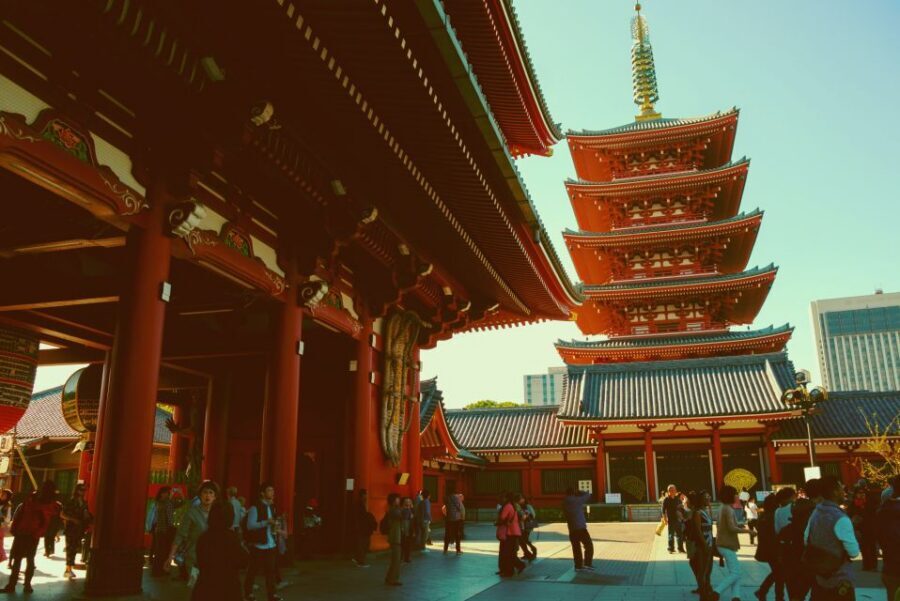
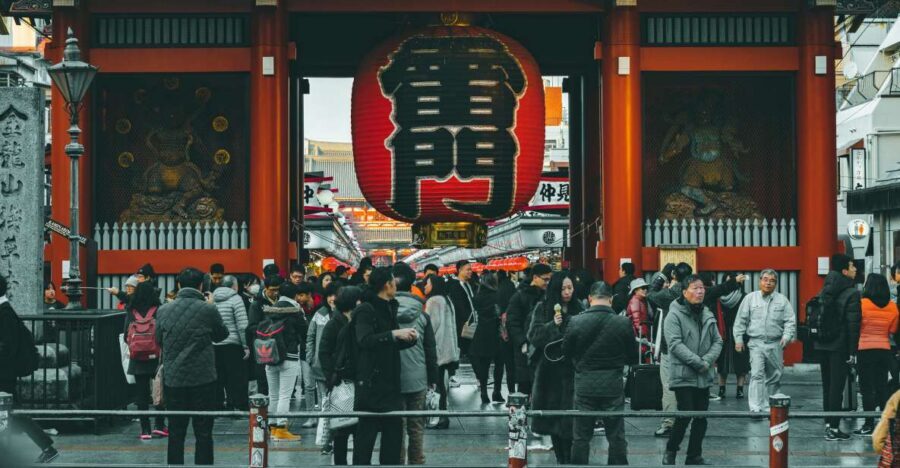
You start with a guided look through Asakusa and then go to Sensō-ji Temple. The guide frames Sensō-ji as one of Japan’s very early Buddhist temples, so the visit feels grounded in time—not just an impressive building. You’ll also walk the temple-street area (the famous Nakamise-dori zone), where shopping and snack culture sit right beside ceremony and architecture.
One detail I love in how this tour is handled: the guide connects the neighborhood to Tokyo’s changing transit story. Asakusa wasn’t just a scenic old quarter. A hundred years ago, the first subway in Asia started running between Asakusa and Ueno. That’s a huge clue for understanding why East Tokyo developed the way it did—transport shaped crowds, crowds shaped shops, and shops shaped how the area still feels today.
Time at Sensō-ji is short by design, about 15 minutes for the guided visit. That’s enough to get the main facts and orient you, but not enough to linger for long prayers or deep photo sessions. If you’re the type who wants to sit quietly and stay with one moment, plan to spend extra time on your own before or after the tour.
Ueno and Okachimachi: street vendors, museum area energy, real shopping grit
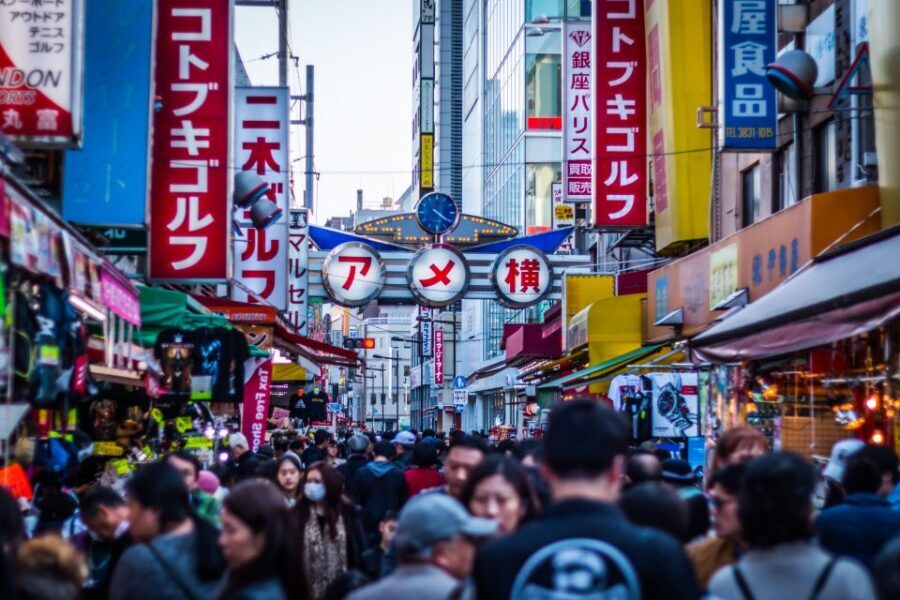
After Asakusa, you move toward Ueno and then Okachimachi. These stops are about texture. Ueno is known for museums, and depending on the season you might catch cherry blossom energy. Okachimachi adds the market-street contrast.
What I like here is the focus on marketplace reality. This isn’t the kind of shopping district that feels polished for tourists only. The feel you’re looking for is more like: vendors, quick decisions, everyday snacks, and shops that serve local routines as much as visitor strolls.
Okachimachi is especially useful if you’ve done a few “big sight” visits already. It gives you hands-on Tokyo life. You’re not just looking at culture—you’re walking through it. And the guide’s job is to help you notice what’s different from the smoother shopping areas you might have seen elsewhere.
In practical terms, the stops are timed so you don’t get stuck in the densest crowd pockets for too long. Still, you should expect busy streets. If you hate close quarters and fast foot traffic, this stretch may feel like work. On the flip side, if you want your Tokyo to look like actual Tokyo, this is one of the best parts.
Akihabara: from electronics town roots to anime and gaming culture
Next is Akihabara, often called Electric Town. This is where the tour leans into pop culture without treating it as childish or random.
The guide explains Akihabara’s path: it became a hub for cutting-edge electronics long before it was mainly about anime, manga, gaming, and otaku subculture. That historical link helps a lot. Instead of thinking of Akihabara as purely themed entertainment, you start seeing it as a place built on tech obsession—and then later that tech obsession found a new language through comics, games, and fandom.
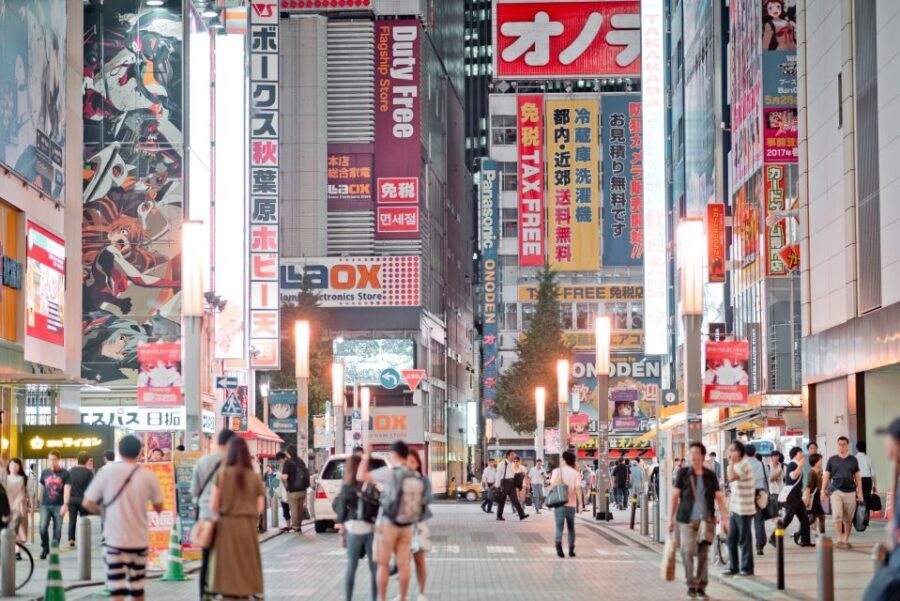
You’ll also get a sense of what Akihabara feels like on the street: bright signs, game and hobby shops, and people interacting with characters and series. In one guide-led experience described in reviews, Takee even added a fun extra touch like origami during the outing. That’s not something you should assume will happen every time, but it’s a good sign that the guides like to bring energy, not just information.
Time here is about 45 minutes with the guide. That’s enough to understand what the area is today and why it matters, but not enough to hit every store. If you have “must-buy” items (figures, electronics accessories, manga volumes), treat this stop as orientation. Then, if you want, plan a second visit where you can shop without juggling the tour pace.






Koishikawa Korakuen: an Edo-era reset after neon streets
The final major stop is Koishikawa Kōrakuen, a traditional Japanese garden. This part changes the whole tone of the walk.
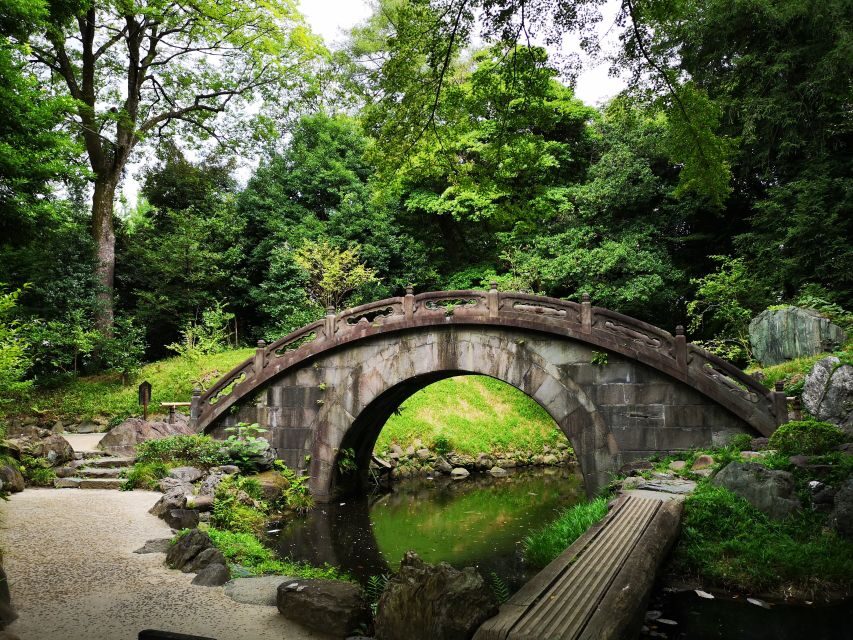
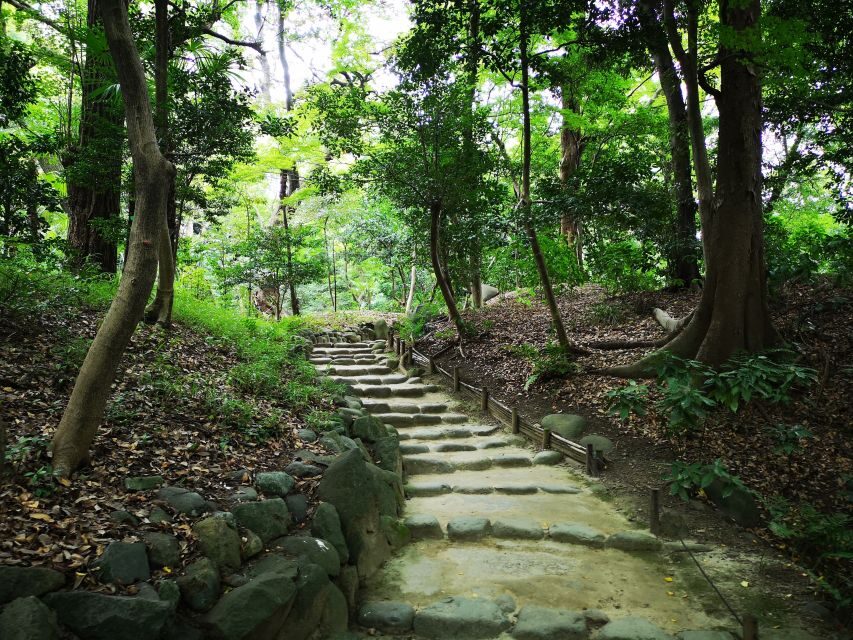
If Akihabara feels like sensory overload, the garden is the counterweight. You’ll stroll paths designed for layered views—sightlines change as you move. The guide points out the Edo-era garden vibe, and you notice how nature is treated as a planned experience rather than random scenery.
The tour also highlights seasonal beauty, which is useful if you’re visiting during cherry blossom time or autumn. You’ll likely find the garden’s look shifts dramatically through the year, so even a short visit can feel different depending on when you go.
This stop is also timed well: after intense streets, you don’t want another “busy district” finale. The garden gives you that mental decompression, plus a few calmer photo moments where you can breathe.
How the whole story connects: Tokyo’s past turned into daily life
The best part of this tour is not any single landmark. It’s the way the neighborhoods talk to each other.
You start in a temple district shaped by long-standing religious presence. Then you see market life in Ueno and Okachimachi, where everyday commerce has its own continuity. Then you hit Akihabara, where modern fandom and tech culture are just the newest layer on a place that has always attracted people with specialized interests. Finally, the garden brings you back to a slower Tokyo rhythm.
That “through-line” is what you’ll remember later when you’re wandering on your own. You’ll start noticing: why certain streets stay commercial, why some areas feel older even when rebuilt, and why nature and design still get treated as part of the city experience.
Guides make that kind of connection work. Reviews mention different guide names—Taka in Asakusa, Michelle with a professional, friendly approach (and in at least one case, Italian too), Takee with lots of energy, and Toru being especially attentive. Even when you don’t share language with the guide beyond English, a good guide still reads your attention and adjusts explanations.
Value check: what $68 buys you (and how to plan your day)
At $68 per person for 4 hours, you’re paying for more than “someone walking with you.” You’re paying for a guided story across multiple neighborhoods, plus the tour handles guide time, admissions, and local train rides.
That’s where the value sits. If you try to replicate this on your own, you’ll likely spend extra time figuring out routes, paying for a few separate entries, and trying to piece together context from guidebooks. Here, the route is built so you get context at each stop while you’re still in the right area.
Food and drinks are not included. That matters because you may be tempted to snack constantly while walking. Instead, think of meals as your own break—especially around Akihabara and the market streets where choices can multiply fast. Bring water if you like, or plan a sit-down pause after the garden depending on your energy.
One optional note: admission to the Tokyo National Museum is not included if you choose to go. The tour focuses on the areas it covers, but the museum add-on is there as a possibility—so if you’re museum-minded, factor in extra time and cost for that decision.
Who should book this tour—and who might skip it
This is a great fit if you want a guided East Tokyo sampler that connects the dots between old and new. It also suits families, since the tone can be playful and not overly stiff; one guide like Takee has been noted for fun extras such as origami. It’s also a good choice if you’re traveling with limited time and want a structured route that still feels human.
Wheelchair accessibility is listed, which is a plus if you need an option that’s designed to be easier to manage than a totally DIY neighborhood crawl.
I’d be more cautious if you:
- dislike crowds (Asakusa and the market areas can be busy)
- hate walking for a full 4-hour block
- plan to spend long, quiet time inside major sites without a tight schedule
If you’re somewhere in the middle—okay with busy streets but you want guidance—this tour is a strong move.
Should you book this private Asakusa to Akihabara tour?
If you want East Tokyo in one organized, story-driven walk, I’d book it. The best reason is the balance: temple area context first, marketplace grit next, pop culture tech energy after, and then Koishikawa’s calm finish.
You also get small-group attention, which makes the facts stick. And the guide names that show up in past experiences—Taka, Michelle, Takee, Toru—suggest a pattern: people remember both the information and the friendly, responsive vibe.
Just go in with realistic expectations. This isn’t a slow, deep sit-down day. It’s a smart 4-hour route with enough guidance to help you enjoy each stop—and enough leftover curiosity to return later on your own.
FAQ
Is the tour private or group-based?
It’s a small group tour with a limit of 8 participants, and it’s guided in English.
Where do we meet?
You meet at Kamiya Bar in Asakusa.
How long is the tour?
The tour lasts 4 hours.
What is included in the price?
All guide costs, admissions (standard ones while on tour), and local train rides are included.
What is not included?
Food and drinks are not included. Admission to the Tokyo National Museum is also not included if you decide to go.
What should I wear or bring?
Wear comfortable shoes. You’ll be walking through several neighborhoods, including market streets and a garden.
Is the tour wheelchair accessible?
Yes, wheelchair accessibility is listed.
Can I cancel if my plans change?
Free cancellation is offered up to 24 hours in advance for a full refund.