REVIEW · TOKYO
Full-Day Accessible Tour of Tokyo for Wheelchair Users
Book on Viator →Operated by Trip Designer Inc. · Bookable on Viator
Tokyo clicks into place faster with rails and ramps. This private, wheelchair-focused day makes sense of neighborhoods you’d otherwise fight to navigate, with train tickets included and hotel pickup inside Tokyo’s 23 wards. You also get a guide who can keep the day calm and paced.
What I like most is the barrier-aware route built around iconic stops like Senso-ji, Meiji Jingu, and Tokyo Tower, while also threading in modern Tokyo districts like Shibuya and Omotesando. I also really appreciate the logistics help: transfers from your area, plus train tickets that take the guesswork out of crowded stations.
One thing to consider is the tour is structured around a full day (about 7 hours) with several transit legs and multiple stops, so if you need lots of downtime, you’ll want to plan for rest breaks and ask for pacing early.
In This Review
- Key highlights you’ll feel right away
- Price and logistics: what you’re really paying for
- How the meeting point sets the tone in Asakusa
- A whole-day route built around wheelchair comfort
- Stop 1: Asakusa Culture Tourist Information Center (15 minutes)
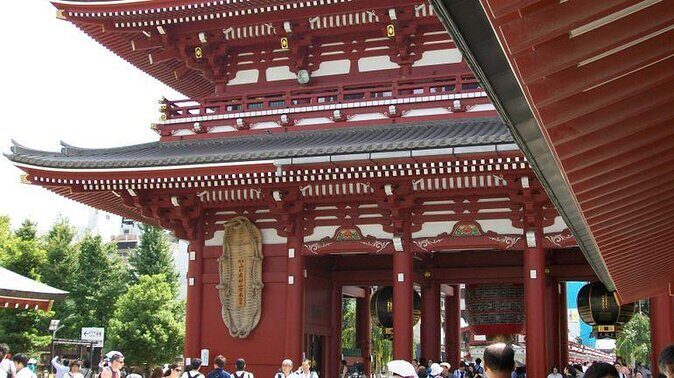
- Stop 2: Nakamise Shopping Street and Kaminarimon (20 minutes)
- Stop 3: Senso-ji Temple (20 minutes)
- Stop 4: Sumida Park (15 minutes) and river views
- Stop 5: Shibuya Crossing (20 minutes) and modern Tokyo energy
- Stop 6: Shibuya Cat Street (25 minutes) for street-style Tokyo
- Stop 7: Meiji Jingu Shrine (50 minutes) for a real pace change
- Stop 8: Omotesando (20 minutes) for tree-lined boulevard mood
- Train navigation: the hidden value of this tour
- Who this tour is best for
- Quick expectations by the hour (what your day feels like)
- Should you book this wheelchair-friendly Tokyo highlights tour?
- FAQ
- How long is the full-day accessible Tokyo tour?
- What’s the price per person?
- Do I get hotel pickup and drop-off?
- Are train tickets included?
- Is this a private tour?
- What stops are included?
- Is food included?
- Where does the tour start and end?
- Do I need high fitness to join?
- What’s the minimum age?
- Can I bring a service animal?
Key highlights you’ll feel right away
- Wheelchair-first routing across major districts, not just one area
- Train tickets included, so you can travel like locals without fighting the system
- Hotel pickup and drop-off within Tokyo’s 23 wards for a low-stress day
- Accessible stops with time to absorb, from Asakusa Temple area to Meiji Jingu’s grounds
- Small-group feel with undivided guide attention in a private format
- Flexible guidance for questions on the go, and adjustments when mobility needs change
Price and logistics: what you’re really paying for
At $191.08 per person for an approximately 7-hour private tour, the price isn’t “cheap.” But it is purposeful. You’re paying for three big things that are hard to replicate on your own when accessibility is the priority:
First, the tour includes hotel pickup and drop-off within Tokyo’s 23 wards. That alone can save real energy (and time) if you’re trying to coordinate accessible transport from a hotel location you don’t know well yet.
Second, train tickets are included. Tokyo’s transit can be tricky even for non-wheelchair travelers, and it’s even more important that someone helps you use the right entrances, transfer routes, and station navigation.
Third, it’s private. You’re not sharing a guide with multiple groups while your mobility needs get squeezed by other people’s pace. Several guides referenced in the tour feedback—like Machiko, Kaori, Fumiko, Yumi, Emiko, and Michiko—are repeatedly praised for staying attentive and adjusting as needs shift.
A quick note: food and drinks aren’t included, so budget for meals or snacks during the day. The tour’s strength is site access and routing, not providing lunch.
A few more Tokyo tours and experiences worth a look
How the meeting point sets the tone in Asakusa
The tour starts at the Asakusa Culture Tourist Information Center near Kaminarimon (Thunder Gate) at 9:30am. This matters because it places you right where your day begins: Asakusa’s temple approach and the streets that lead into the Senso-ji area.
That information center is also designed by architect Kengo Kuma, and it’s more than a signboard. It’s an “okay, you’re here” anchor that can help you get your bearings before you move into the busiest pedestrian corridors.
From there, the day ends back at the same meeting point, which keeps the route tidy. You’re not trying to end your day halfway across Tokyo with one more accessibility problem to solve.
A whole-day route built around wheelchair comfort
The itinerary is designed as a loop through very different Tokyo vibes:
- Old Tokyo energy in Asakusa (temple, gate, historic streets)
- River views and skyline proximity around Sumida Park
- Peak modern Tokyo energy at Shibuya Crossing and Cat Street
- A reset into tradition and calm at Meiji Jingu
- Fashion and tree-lined streets in Omotesando (Aoyama)
You’ll also notice the time allotments are not “blink and miss.” For example, there are longer stretches like 50 minutes at Meiji Jingu, which gives breathing room to appreciate the grounds without feeling rushed.
Stop 1: Asakusa Culture Tourist Information Center (15 minutes)
You start at the Asakusa Culture Tourist Information Center, a newer landmark in the area. It’s an eight-story building by Kengo Kuma and works like a hub: a place to orient yourself before stepping into temple streets.
For wheelchair users, the value here is practical. The early minutes help set the tone—questions can be asked while the group is together and you’re not yet deep inside the crush.
Why it’s worth your time: it gives you a clean starting point and an easy “we’re ready” moment before the day gets more crowded.
Potential snag: it’s only about 15 minutes, so treat it as orientation, not a long stop.
Stop 2: Nakamise Shopping Street and Kaminarimon (20 minutes)
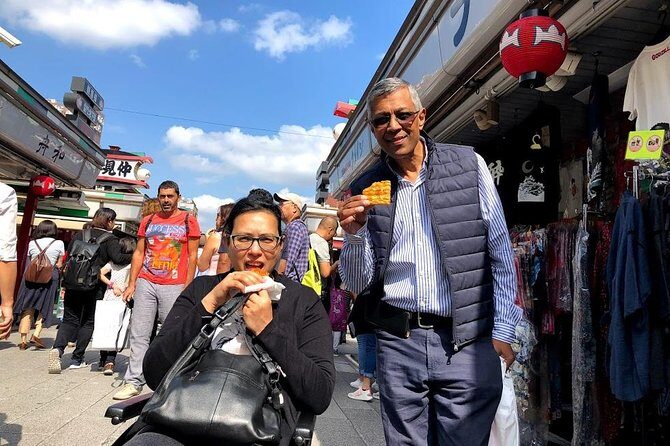
Next is the approach to Senso-ji, starting at the Kaminarimon (Thunder Gate). Nakamise is famous for its shopping street leading toward the temple complex, and the Thunder Gate is the symbol you’ll see associated with Asakusa in photos and postcards.
This stop is less about shopping and more about experience: you’re walking into a classic Tokyo scene where the street layout funnels you toward the main attraction.
Wheelchair-smart tip: ask your guide to help you time your movement through the most crowded sections. The best part of this tour format is that the guide can keep you comfortable and coordinated.
Possible drawback: shopping streets can get tight, and even when you’re not shopping, the crowd density can still affect flow.




Stop 3: Senso-ji Temple (20 minutes)
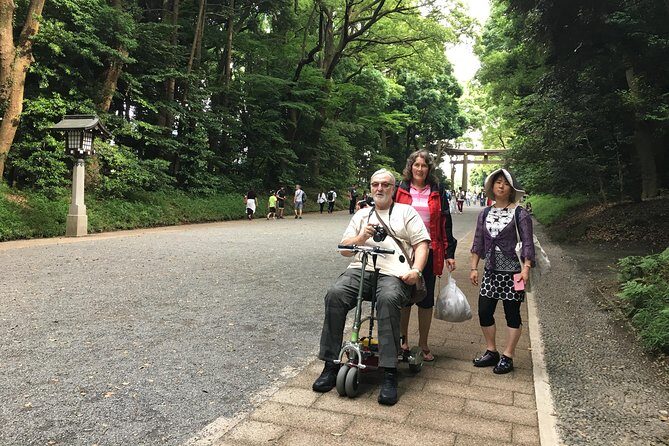
Senso-ji is one of Tokyo’s most popular temples, and it’s also one of the most visually “instant impact” places in the city. The tour keeps this at about 20 minutes, which is enough time to see the key areas without dragging the day onward.
This is a place where your guide’s role matters. In crowded temple approach zones, navigation and pacing are everything, especially if you use a rollator-wheelchair combination or need predictable movement.
Why the short timing works: it prevents “temple fatigue” later in the day and keeps energy for the transitions.
Consideration: you won’t have an hour to wander every side path. If you want deeper exploration, you can use your guide Q&A time, but the structure is still set for a full-day loop.
Stop 4: Sumida Park (15 minutes) and river views
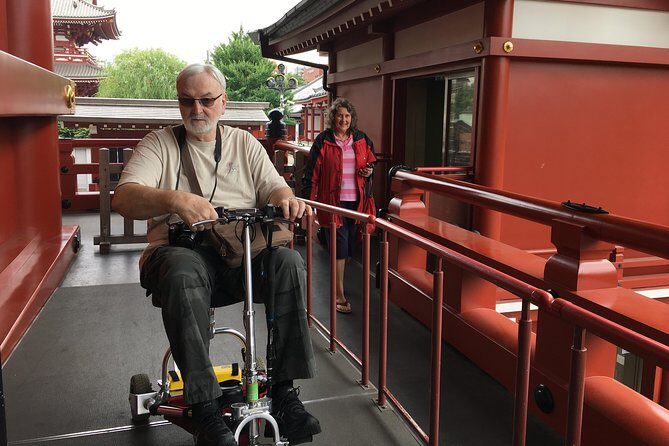
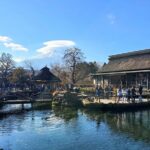
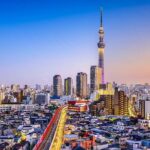
From temple streets, you shift to Sumida Park near Asakusa Station along the Sumida River. This stop is about views and a bit of breathing room, with sights like Tokyo Skytree in the mix.
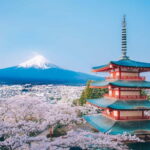
The season note in the tour description is cherry blossoms, which can turn this into a very different experience depending on when you go.
Why you’ll like it: the river setting breaks up the day and gives your eyes a rest from crowds and dense streets.
Potential limitation: it’s about 15 minutes, so it’s more “reset” than “hang out forever.”
Stop 5: Shibuya Crossing (20 minutes) and modern Tokyo energy
Then the tour jumps to Shibuya Crossing, near Shibuya Station. This is one of the most iconic street-crossing spectacles in the world, with huge daily foot traffic and peaks where thousands cross on a single green light.
In a wheelchair-focused tour, the value here is less about standing still and more about having someone help you reach a viewing and crossing plan that works for your movement needs.
Why it’s a good stop: it’s pure Tokyo theater—fast, bright, and clearly different from old-city Asakusa.
What to watch for: Shibuya is busy. Even when you’re not walking through nonstop streams, the surrounding station activity can feel intense.
Stop 6: Shibuya Cat Street (25 minutes) for street-style Tokyo
Cat Street sits between two of Tokyo’s biggest shopping districts: Harajuku and Shibuya. It’s known as a long strip where people—especially in their 20s and 30s—show off the kind of style that makes Tokyo feel like it’s always in motion.
This stop is 25 minutes, which gives you time to actually absorb the atmosphere instead of only passing by.
Why this is a standout: it adds personality. The tour isn’t only temples and big intersections; you get a dose of everyday Tokyo style culture.
Possible drawback: if you need quieter sidewalks, this area can be less forgiving than shrine gardens or parks.
Stop 7: Meiji Jingu Shrine (50 minutes) for a real pace change
One of the biggest time blocks is 50 minutes at Meiji Jingu Shrine. It’s dedicated to Emperor Meiji and his consort Empress Shoken, and it’s located just by the busy Harajuku station area—so you get that contrast between city noise and shrine atmosphere.
This stop is long enough that your day doesn’t feel like a “highlight montage.” It’s also where a good guide really shows: planning your route to reduce unnecessary steps, helping you know what’s most worth seeing, and keeping the group together.
The feedback around guides like Fumiko, Yumi, and Emiko highlights how they help people navigate crowded areas while staying mindful of mobility needs—exactly what you want when you’re heading from modern streets into more spacious shrine grounds.
Consideration: Meiji Jingu is a larger experience. If your energy is limited, tell your guide early and decide what “enough” looks like for you.
Stop 8: Omotesando (20 minutes) for tree-lined boulevard mood
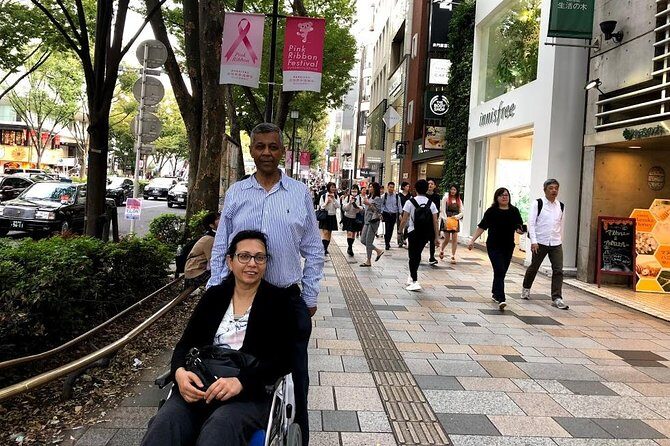
Finally you reach Omotesando, a sloping tree-lined boulevard in the Aoyama area that links parts of Shibuya and Minato wards.
If you’ve seen Omotesando in photos, you know it has that stylish, architectural vibe. This stop is shorter, about 20 minutes, which makes it a nice end-of-day capstone—enough time for a walk-by feel and a few photos if you’re able.
Why it works as a finale: it’s a softer landing after the intensity of Shibuya and the tradition of Meiji Jingu.
Potential snag: because it’s a sloping boulevard, you’ll want your guide to help choose the most comfortable route sections if elevation is a factor.
Train navigation: the hidden value of this tour
The tour’s biggest practical advantage is that you’re not just “visiting places.” You’re also being taught how to get there via the Tokyo train system, with train tickets included.
That’s a big deal for wheelchair users because station layouts can be complicated. One piece of feedback worth taking seriously: station attendants can provide support like slope ramps at stations where needed. That doesn’t mean every station is the same, but it’s a reminder that assistance exists—and a good guide helps you access it.
If you’ve ever stared at transit signage while trying to figure out the accessible route, you’ll appreciate this format. Your guide is essentially handling the “how do we move through Tokyo today” part so you can focus on actually seeing Tokyo.
Also, since the tour is private and you get undivided attention, you can ask small questions in real time: where to wait, which direction to roll, what to expect at a transfer point, and how to keep your pace comfortable.
Who this tour is best for
This tour is especially strong for:
- Wheelchair users and mobility-assisted travelers who want an organized day without managing transit and station navigation alone.
- Caregiver-involved travel, since the tour requires a minimum of 2 people per booking and includes caregivers.
- People who prefer a guide who can adjust on the spot—the guide names praised in feedback (like Machiko, Kaori, Fumiko, Yumi, Emiko, and Michiko) are repeatedly associated with staying flexible and monitoring pacing.
It may feel like the wrong fit if you want a deeply unstructured day. This tour is about accessible routing through key areas, not drifting into side streets for long stretches without a plan.
Quick expectations by the hour (what your day feels like)
Even with the stop times listed, the overall rhythm matters:
- Morning: Asakusa start (short orientation), then into temple streets (Kaminarimon/Nakamise) and Senso-ji.
- Late morning: A calmer visual break at Sumida Park.
- Afternoon: A big energy shift with Shibuya Crossing and then Cat Street.
- Late afternoon: Meiji Jingu gives the long, restorative block.
- End of day: Omotesando rounds it out with a polished, stylish finish.
Because it’s paced for comfort, you’ll have time for questions rather than being rushed at every doorway.
Should you book this wheelchair-friendly Tokyo highlights tour?
If your goal is to see major Tokyo highlights without spending your day wrestling with transit logistics, this is a smart booking. The combination of private pacing, hotel pickup/drop-off in Tokyo’s 23 wards, and train tickets included is exactly what makes an accessible day feel possible instead of exhausting.
I’d book it if:
- You want a full-day plan that includes both classic Tokyo (Senso-ji, Meiji Jingu) and modern districts (Shibuya, Omotesando).
- You value a guide who can help you move through crowded spots and still keep the experience relaxed.
I’d think twice if:
- You’re the type who wants lots of long, slow, wandering time at a single site.
- You need a very quiet day with minimal crowd exposure; Shibuya and Cat Street are part of the core route.
Bottom line: this tour is built for people who want Tokyo highlights with accessibility support built into the travel plan, not added as an afterthought.
FAQ
How long is the full-day accessible Tokyo tour?
It runs for about 7 hours (approx.).
What’s the price per person?
The price is $191.08 per person.
Do I get hotel pickup and drop-off?
Yes. Hotel pickup and drop-off are included within Tokyo’s 23 wards.
Are train tickets included?
Yes. Train tickets are included as part of the tour.
Is this a private tour?
Yes. It’s a private tour, and only your group participates.
What stops are included?
The itinerary includes Asakusa Culture Tourist Information Center, Nakamise Shopping Street/Kaminarimon, Senso-ji Temple, Sumida Park, Shibuya Crossing, Shibuya Cat Street, Meiji Jingu, and Omotesando. The tour overview also mentions Tokyo Tower as one of the attractions.
Is food included?
No. Food and drinks are not included.
Where does the tour start and end?
It starts at the Asakusa Culture Tourist Information Center in Kaminarimon, Taito City, and ends back at the same meeting point.
Do I need high fitness to join?
You should have a moderate physical fitness level.
What’s the minimum age?
The minimum age is 6 years.
Can I bring a service animal?
Yes. Service animals are allowed.