REVIEW · OSAKA
Japanese home cooking class in Osaka Umeda
Book on Viator →Operated by 日本文化体験 桜ん坊 · Bookable on Viator
Cooking in a real Osaka home changes your map. This Japanese home cooking class in Osaka Umeda puts you in the kitchen with locals, where you’ll cook an Osaka specialty at a comfortable pace and learn why Japanese home cooking feels different from restaurant food. It’s truly private, so you can move at your speed, ask questions, and get feedback as you go.
My favorite part is the personal teaching from Hisako and Naoko, with clear, step-by-step guidance and lots of practical Japan tips you can use right away. The other big win: you don’t just eat what you make. You learn what to buy, how to choose ingredients at Japanese supermarkets, and how to recreate the recipes later. One possible drawback to keep in mind: the class is about two hours, so you’ll focus on a selected menu dish rather than trying every Osaka favorite in one go.
In This Review
- Key Things You’ll Notice Right Away
- A Real Osaka Home Kitchen in Umeda (Not a Cooking Studio)
- Entering The Osaka Menu: Bento, Takoyaki, Udon, Onigiri, and Tempura
- Hisako and Naoko: The Teaching Style That Makes Cooking Feel Doable
- Shopping Smart: Japanese Supermarket Tips That Actually Help
- The Kitchen-to-Dining Flow: How Lunch and Tea Reinforce the Lesson
- Recipes You Can Take Home (and Actually Use)
- Price and Value: Why $59.12 Can Be a Smart Deal
- Timing, Getting There, and What to Plan Around
- Who Should Book This Osaka Cooking Class
- Should You Book It?
- FAQ
- FAQ
- How long is the Japanese home cooking class in Osaka Umeda?
- What’s included in the class price?
- Is this experience private?
- Where does the class meet, and what time does it start?
- What kinds of dishes can I choose to cook?
- Do you get recipes or instructions to take home?
- Is transportation included?
Key Things You’ll Notice Right Away
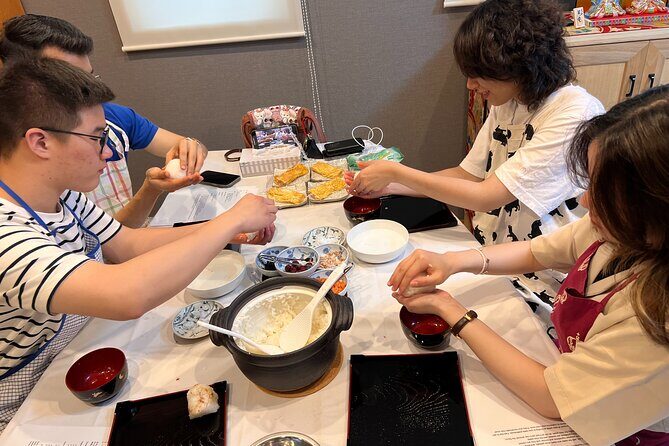
- A real Osaka home kitchen: you’re not in a studio classroom setting
- Choose from local specialties like bento and takoyaki, plus options seen in past classes
- Private, at-your-pace instruction with hands-on feedback while you cook
- Supermarket ingredient tips so you can shop smart in Japan
- Lunch with Japanese tea for a full, lived-in meal experience
- Printed recipes and instructions you can take home
A Real Osaka Home Kitchen in Umeda (Not a Cooking Studio)
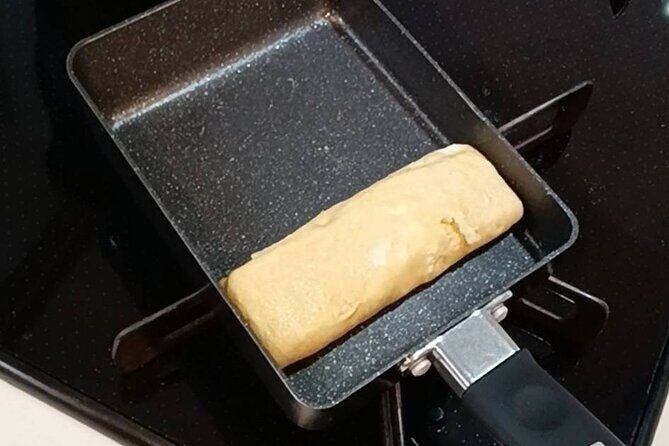
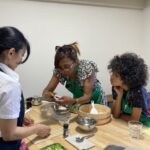
This class takes place inside a real house in Osaka, with kitchen and dining space set up for cooking and eating together. That small change matters. In a studio, you cook at a distance. Here, it feels like you’re being welcomed into someone’s daily life—right down to how the meal is served and paced.
It also helps that the experience is private. Only your group participates, so you won’t be squeezed into a schedule built for a large class. If you want to slow down for a question about technique or ingredients, you can. If you’re comfortable moving faster, you can do that too.
You start from a specific meeting point in the Fukushima Ward area near Tamagawa, and the experience begins at 10:00 am. It’s also described as near public transportation, which is a big deal in Osaka. You’ll spend more of your day in the city rather than stuck figuring out last-mile travel.
One more practical note: the lunch is included, so you’re not left wondering what you’ll do next after cooking. The tea is part of the meal too, which makes the whole thing feel like a proper home-cooked lunch—not just a short activity.
You can also read our reviews of more cooking classes in Osaka
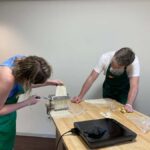
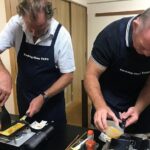
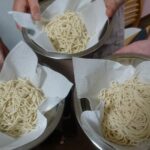
Entering The Osaka Menu: Bento, Takoyaki, Udon, Onigiri, and Tempura
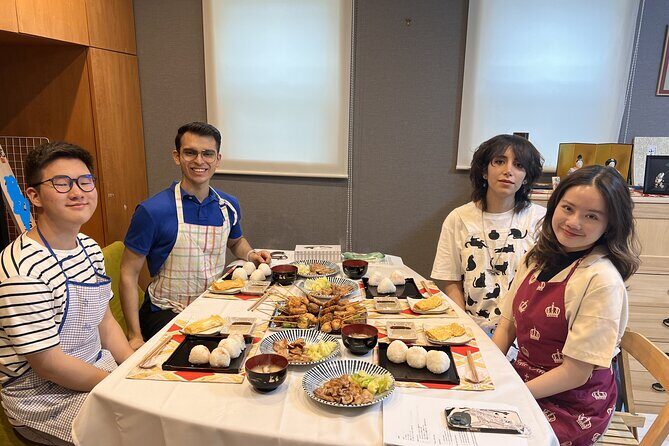
You don’t show up and get assigned a single dish without input. You choose your dish from a menu of local specialties. That’s a smart way to match the class to what you actually want to eat.
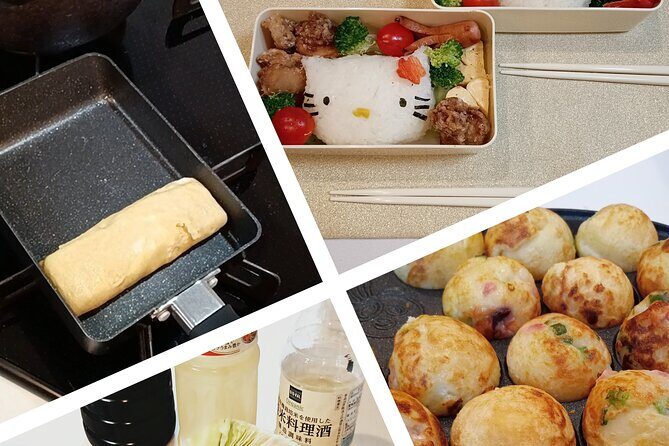
From the available menu examples and past dish experiences, you may be cooking items like:
- Bento (and yes, you’ll have fun with presentation)
- Takoyaki
- Udon
- Onigiri
- Tempura
What I like about this structure is that it keeps the lesson flexible. If you’re more interested in Japanese comfort food, udon and onigiri can be the focus. If you want something snacky and street-food adjacent, takoyaki fits that vibe. If you like a hands-on challenge, tempura gives you a clear technique goal: frying and timing.
Also, because the class is private and paced to you, you’re less likely to feel rushed when a step takes longer than expected. If you’ve never made tempura batter or you’re still learning how Japanese cooking expects you to measure and mix, that matters.
The one drawback is simple: since you choose from a menu and the class runs about two hours, you won’t leave with a sample plate of everything. You’ll learn deeply about what you pick, not broadly about every Osaka dish. Choose based on what you most want to recreate later.
Hisako and Naoko: The Teaching Style That Makes Cooking Feel Doable
This is the part that most people remember. The hosts—Hisako and Naoko—are described as welcoming, patient, and very good at breaking cooking into easy steps. You get the sense they want you to succeed, not just to finish.
From what’s shared, they also explain things in a way that works for English-speaking visitors. That reduces the usual frustration of cooking classes where instructions are too technical or too fast. Here, the process is paced so you can follow along without guessing.
I especially like that you can ask about Japan as you cook. It’s not only technique. You’re also learning the cultural logic behind ingredients and meal habits. That means when you leave, you’re not just thinking about taste—you’re thinking about how Japanese home cooks think.
You also get feedback while you cook. Instead of watching someone else do everything, you’re doing the real work and getting corrections in the moment. That’s how you actually learn: making a small mistake, fixing it, and remembering what changed.
Some classes include extra cultural touches tied to the experience, such as tea ceremony-style moments and traditional kimono try-ons. Those details seem to pop up depending on the session and group, but the core stays the same: cooking plus culture, taught kindly.
Shopping Smart: Japanese Supermarket Tips That Actually Help
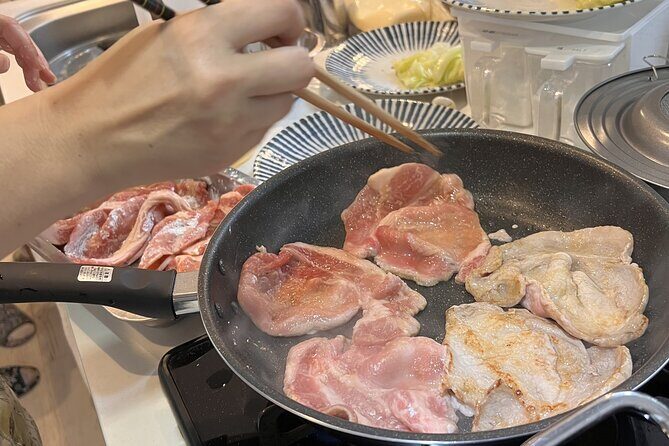
A good cooking class doesn’t end when you wash the pan. It helps you shop later. This one includes tips on shopping at Japanese supermarkets and which ingredients are worth buying.
That’s huge for anyone who’s tried to cook Japanese food at home and ended up with a sauce bottle that doesn’t match what they tasted in Japan. Japanese home cooking relies on specific pantry staples, and often it’s not the dish itself that’s hard—it’s knowing what ingredients will get you close.
Here’s what you can expect the class to make clearer:
- how certain ingredients are used at home (not just in restaurant plating)
- which items are common and practical to buy
- how to think about substitutes without losing the dish’s structure
Even if you only remember a few supermarket lessons, you’ll feel the benefit on your next trip to a Japanese grocery. You’ll know what to look for, and you’ll also understand why a specific ingredient changes texture or flavor.
That ingredient shopping insight also makes the recipes printed for you feel more usable. You’re not just taking a list. You’re taking context—what to buy and how each item plays a role.
The Kitchen-to-Dining Flow: How Lunch and Tea Reinforce the Lesson
You’ll cook, then you eat—together in the home. The class includes lunch, and you sip water and Japanese tea with your meal. That tea part isn’t just a nice extra. It turns the cooking into a full meal experience, not a break in the middle of an activity.
Japanese home cooking has a different rhythm than many restaurant meals. Portions feel more everyday and practical. Flavor balance is often tuned for comfort and harmony rather than dramatic punch. Once you sit down and taste what you made, those lessons land in your body, not just in your notebook.
You’ll also get a chance to notice how the dish should look and how it’s meant to be eaten. Bento-style food teaches neat organization. Takoyaki-style food teaches how texture changes when it’s freshly made. Udon and tempura both teach timing: how a hot dish behaves right after cooking.
Because the class is private, you’re not forced to eat at a fast group pace. You can ask questions while you eat and slow down enough to notice details like seasoning balance and how the ingredients behave together.
If you want a simple takeaway from the meal side, it’s this: you’re learning what Japanese home food tastes like in real context, not just what it looks like on social media.
A few more Osaka tours and experiences worth a look
Recipes You Can Take Home (and Actually Use)
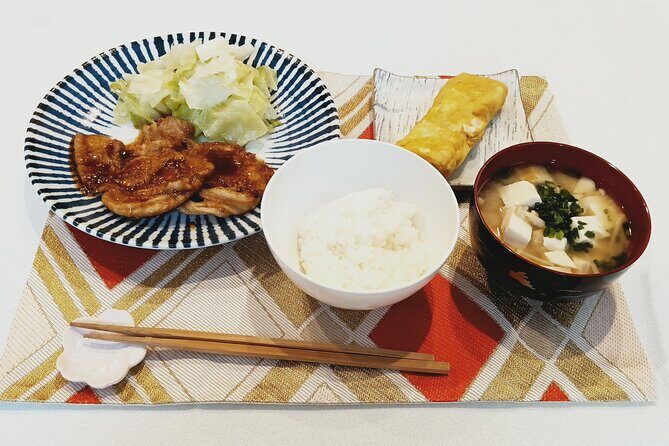
One of the most loved aspects is that you receive printed recipes and instructions to take home. That turns the class into something you can repeat, not a one-day memory.
This matters because Japanese cooking often feels technical only until you have a method you can follow again. Once you see step order, ratios, and basic technique notes in your own language, you can recreate results with less stress.
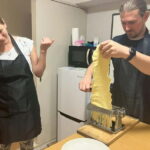
The instructions are especially valuable for techniques that feel intimidating at first. Past experiences include making tempura from scratch and learning udon and onigiri methods. If you’ve never fried anything successfully before, having clear written steps is a real advantage.
Practical benefit: when you return home, you can rebuild the dish with your pantry in mind. Even if you can’t match every ingredient perfectly, you can use the recipe structure to stay close to the flavor and texture you learned in Osaka.
Price and Value: Why $59.12 Can Be a Smart Deal
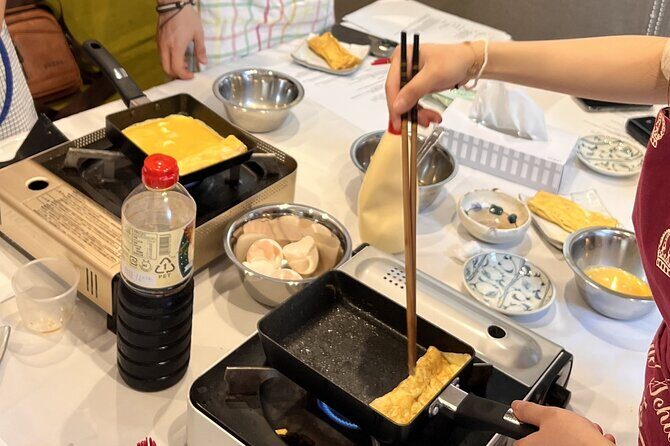
At $59.12 per person for roughly two hours, this class sits in a reasonable zone for a hands-on cultural experience—especially because the value isn’t only food. You’re paying for:
- a real home setting
- private instruction with personal pacing
- lunch included
- tea included
- printed recipes and step guidance
If you’ve done other experiences in Japan, you already know that “cooking class” can range from light demo to real hands-on work. Here, the setup sounds built for doing the cooking yourself, getting feedback, and learning technique rather than just watching someone else.
The other value angle is travel usefulness. The supermarket tips and practical Japan questions can save you time when you’re out shopping and eating on your own. That’s the kind of payoff that doesn’t show up in the meal alone.
One small cost consideration: private transportation isn’t included. That’s not a dealbreaker, but you should plan how you’ll get there. Since it’s near public transportation, you can likely solve this without hiring a car or taxi—just budget your time.
Timing, Getting There, and What to Plan Around
The start time is 10:00 am, and the class runs about two hours. That makes it a friendly add-on to a day in Osaka Umeda, because you can still do other activities afterward without racing the clock all evening.
Plan your day with a little slack. Even though the experience ends back at the meeting point, you’ll want time to transition after a home-cooked lunch and tea. You may not be hungry again right away, so schedule something light afterward rather than a heavy meal.
For logistics, the meeting point is in the Fukushima Ward area at 1-chōme-4-1 Tamagawa, Osaka 553-0004. Since it’s near public transportation, using rail or bus routes is likely the simplest approach. You’ll just want to arrive a few minutes early so you can settle in and start smoothly.
A final timing tip: because you’ll be cooking and eating, you’ll learn more if you go in hungry but not stressed. If you arrive already wiped out by a long morning, technique steps feel harder. If you come rested, the class becomes fun fast.
Who Should Book This Osaka Cooking Class
This is a great fit if you want real Japanese home cooking, not just Japanese food as a sightseeing snack. It’s especially good for people who:
- love eating Japanese food and want to recreate it
- want practical supermarket ingredient guidance
- prefer small, private instruction
- like cultural conversation as part of the activity
It also works well for couples. The class format supports relaxed pacing and shared experience, and it’s described as fun for couples in particular.
If you’re traveling with kids, some people have mentioned special cultural touches like kimono try-ons during the session. You should still expect the focus to stay on cooking and dining, not on a long entertainment program.
If you hate hands-on cooking, this might not be for you. This class is built around making the dish, not only watching. If you’re squeamish about frying (tempura) or mixing batter, that’s manageable with guidance, but you should know it’s active.
Should You Book It?
If you’re choosing between “taste-only” food experiences and “learn how to cook it” experiences, I’d lean toward this one. The home setting, the personal pace, and the combination of supermarket tips plus printed recipes make it practical. You won’t just eat well for a couple hours. You’ll leave with a path to make something similar at home.
Book it if your priority is technique you can repeat: bento basics, takoyaki-style learning, or confidence with dishes like udon, onigiri, and tempura. The kindness and clarity from Hisako and Naoko are exactly the ingredients that help first-timers feel comfortable.
Skip it only if your schedule is extremely tight or you’re hoping to sample a wide range of Osaka dishes in one sitting. The class is focused. You’ll learn one main direction deeply.
FAQ
FAQ
How long is the Japanese home cooking class in Osaka Umeda?
It lasts about 2 hours.
What’s included in the class price?
Lunch is included.
Is this experience private?
Yes. It’s a private activity, and only your group participates.
Where does the class meet, and what time does it start?
The meeting point is 1-chōme-4-1 Tamagawa, Fukushima Ward, Osaka 553-0004, Japan, and it starts at 10:00 am.
What kinds of dishes can I choose to cook?
You choose from a menu of local specialties. Examples mentioned include bento and takoyaki, and other experiences include dishes like udon, onigiri, and tempura.
Do you get recipes or instructions to take home?
Yes. The class provides printed recipes and instructions you can take home.
Is transportation included?
No. Private transportation is not included.