REVIEW · OSAKA
Koyasan Day Trip by Private Car from Osaka
Book on Viator →Operated by MagicalTrip Inc. · Bookable on Viator
Koyasan feels far, until a car gets you there. This private day trip turns a long, complicated journey into a guided temple circuit with a dedicated English-speaking guide and chauffeur, plus exclusive access to a normally off-limits temple and the Goma fire ritual. I like that the schedule is built around spiritual stops (not just sightseeing) and I like that key meals and entry fees are handled for you.
One thing to think about: it’s a full 10-hour day starting at 8:00am, and if weather or traffic causes limited visibility or closures, the plan can change with no refund for those kinds of adjustments.
In This Review
- Key Highlights You’ll Actually Feel
- Osaka to Koyasan: Why This Private Format Works
- Price and What You’re Really Paying For ($520.29)
- A Real-World Schedule: What a 10-Hour Day Feels Like
- Start at Katsuragi-cho: The Shrine and Waterfall Setup
- Mt. Koya: The Kukai Orientation Moment
- Danjo Garan Temple Complex: Pagodas, Halls, and Symbolic Architecture
- Kongobu-ji: The Main Shingon Temple and Its Rock Garden
- Koyasan Lunch: Shojin Ryori Is the Point, Not Just a Meal
- Shojoshin-in: Hidden-Temple Access and the Monk Translation Moment
- Goma Purification Fire Ceremony: Intense, Visual, and Structured
- Okunoin: The Lantern Path Through the Sacred Cemetery
- The Guides Matter: Meri and Megui as the Proof of Concept
- Who This Day Trip Best Fits
- Quick Practical Tips Before You Go
- Should You Book This Koyasan Private Car Day Trip?
- FAQ
- How long is the Koyasan day trip from Osaka?
- Where does the tour start?
- Is pickup included?
- Are temple admission tickets included?
- Is lunch included, and what type of food is it?
- What makes the temple visits special on this tour?
- Is this tour private?
Key Highlights You’ll Actually Feel
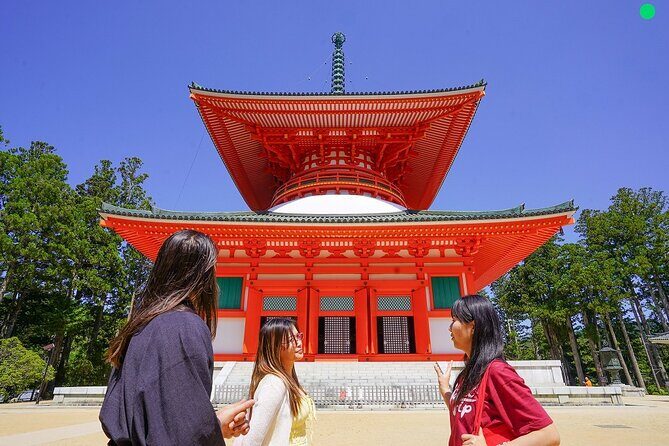
- Private car + English guide: You don’t spend the day decoding routes or timelines.
- Hidden-temple access: A temple opened exclusively for this experience, with a monk guiding you inside.
- Goma fire ceremony: One of the most visually intense rites in esoteric Buddhism.
- Shojin Ryori lunch: A traditional Buddhist vegan meal, carefully prepared in the monk style.
- Okunoin at the end: A walk through the sacred cemetery area with lantern-lit atmosphere.
Osaka to Koyasan: Why This Private Format Works
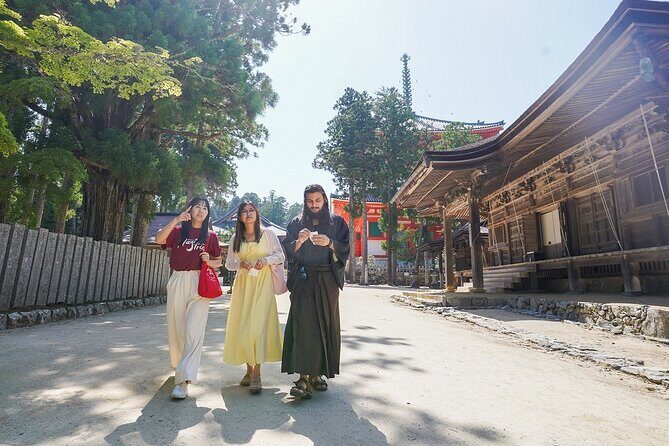
Koyasan is one of those places that can feel intimidating if you try to stitch together trains and buses on a tight day. A private car changes the tone immediately. You get picked up (the tour says pickup is offered) or you start from a clear Osaka meeting point, then you spend the day focusing on the temples instead of navigating the route.
The other big win is the pacing. A good Koyasan day can turn into a stampede if you’re bouncing between stops without context. Here, the guide’s role is central: you get explanations that connect the sites to Japanese Buddhism and to Kukai, the monk credited with establishing the sanctuary over 1,200 years ago.
You can also read our reviews of more private tours in Osaka

Price and What You’re Really Paying For ($520.29)
This costs $520.29 per person, which is not cheap for a day trip. But the structure matters. The tour includes a private vehicle with chauffeur, a dedicated guide, entry tickets for multiple temple sites, and a full traditional vegan lunch (Shojin Ryori). If you’ve ever added up transport + guides + admission fees for a full day, this kind of all-in approach usually stops feeling so steep.
You should still sanity-check your travel style. If you love DIY planning and you’re comfortable using public transit all day, you might pay less on your own. If you want a stress-free day where you can ask questions, stay on schedule, and avoid route hunting, the value is much clearer.
A Real-World Schedule: What a 10-Hour Day Feels Like
The day runs about 10 hours. It starts at 8:00am and ends back at the meeting point. You’ll move through multiple temple areas, with a mix of short visits (like a quick viewpoint stop) and longer stretches (like the main temple complex and the walk at Okunoin).
That means comfortable shoes help. Okunoin includes a walk along a sacred, lantern-lined path. It’s not described as a grueling hike, but it’s enough walking that you should plan like it’s a full sightseeing day, not a stroll.
Start at Katsuragi-cho: The Shrine and Waterfall Setup
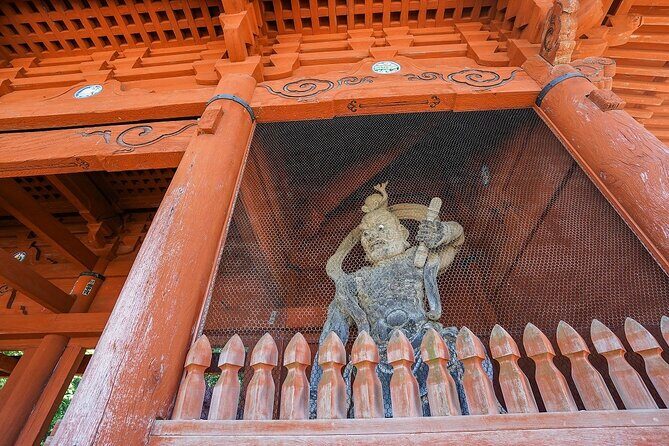
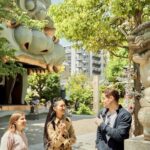
Your first stop is Katsuragi-cho, where you visit a local shrine tied to a sacred waterfall. The description points out it sits upstream in Higashidani along the Anabushi River (also noted as Shijuhasse River), with the water source linked to Mount Mikuni and Mount Shuku where valleys meet.
Even if you’re not a shrine-and-waterfall person, this stop works because it shifts your mindset before the big temple complexes. Instead of jumping straight into crowds of famous sites, you start with something local and spiritual. It’s also a short stop (about 30 minutes), so it doesn’t steal time from the core Koyasan highlights.
Possible drawback: if you’re expecting a major “wow” photo moment right away, this start is more quiet and atmospheric than theatrical. That’s not bad, just different.
Mt. Koya: The Kukai Orientation Moment
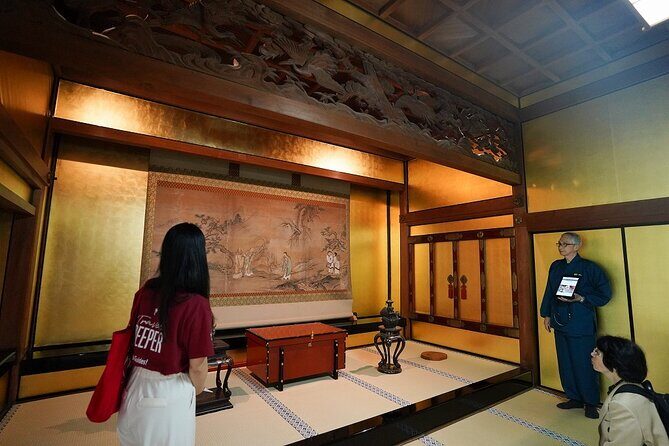
Next you go to Mt. Koya, where the guide introduces the core beliefs of Japanese Buddhism and shares the story of Kukai. The itinerary lists this as a short stop (around 10 minutes), but in a day like this, short can still be useful.
This is the orientation section. You’re not just being transported; you’re getting the framework so the later temples make sense. If you’ve ever visited a sacred site and felt like you were reading labels instead of experiencing meaning, this “start with the beliefs” format is a smart fix.
A few more Osaka tours and experiences worth a look
Danjo Garan Temple Complex: Pagodas, Halls, and Symbolic Architecture
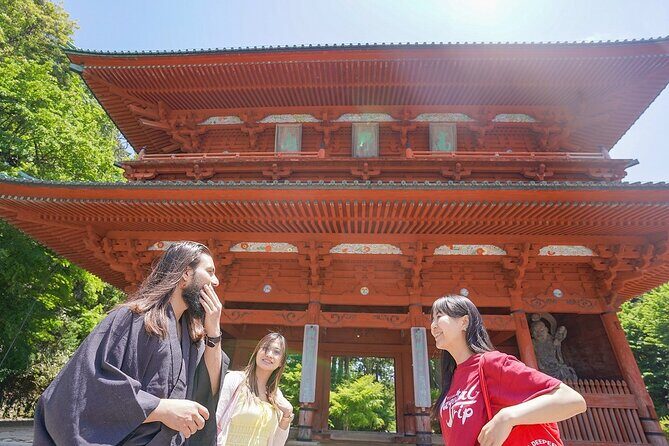
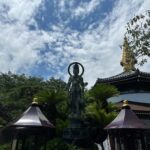
At Koyasan Danjo Garan, you’ll visit a major temple complex with striking pagodas and tranquil halls. The description emphasizes that the architecture embodies the teachings of esoteric Buddhism.
This is the kind of stop where a guide matters. You’ll see forms, but you also want to understand why they look that way and what they represent. The itinerary lists about 20 minutes here, which typically works best for getting the major features without turning the day into one long lecture.
If you’re sensitive to crowds, note that Danjo Garan is a key area in Koyasan. The tour is private, but that doesn’t mean the broader complex is empty. Still, a private guide helps you spend your attention on the right things.
Kongobu-ji: The Main Shingon Temple and Its Rock Garden
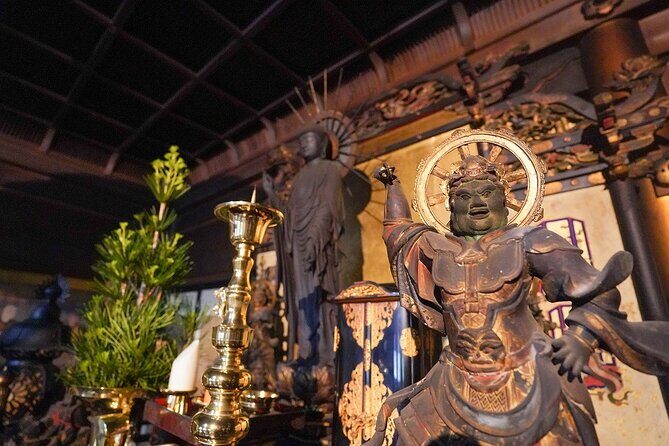
Then comes Kongobu-ji Temple, the main temple of the Shingon sect. The itinerary calls out that it contains Japan’s largest and striking rock garden, and it notes you’ll stroll through hushed wooden corridors.
This is a great stop for a slower pace. The corridors and garden setting naturally lower your voice. Even if you only have 40 minutes, you can usually get a sense of the garden’s layout and why it’s considered important.
Practical tip: if you tend to rush, this is the stop to slow down. Kongobu-ji is one of those places where spending a few extra minutes standing in a good position can be more satisfying than ticking off the next building.
Koyasan Lunch: Shojin Ryori Is the Point, Not Just a Meal
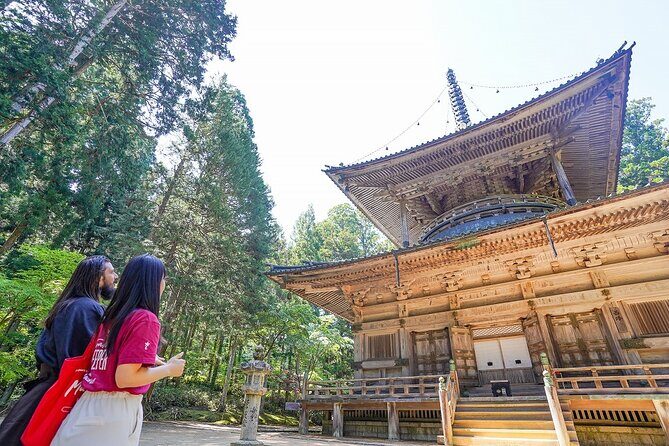
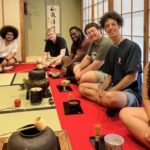
Lunch is Shojin Ryori, described as a delicate, entirely plant-based meal once reserved for monks. You’ll get about an hour here.
This matters because it’s not “lunch on the way.” Shojin Ryori is part of the lived practice. The itinerary mentions it’s made with fresh seasonal ingredients, and it’s framed as Buddhist cooking tradition rather than generic vegan food.
You also get a built-in handling of dietary needs: the tour says to inform them of dietary restrictions at booking, and it notes vegetarian and vegan options are available.
If you’re a foodie, pay attention here. Shojin Ryori often changes your expectations of what plant-based eating can be like in a historical context. If you’re a picky eater, it can still work if you communicate your needs in advance.
Shojoshin-in: Hidden-Temple Access and the Monk Translation Moment
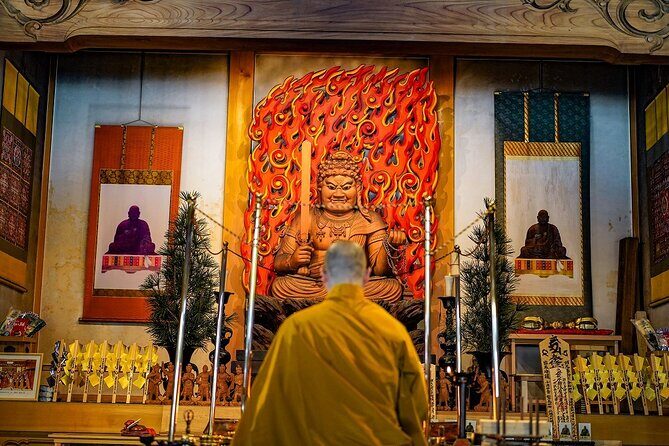
After lunch, you head to Shojoshin-in Temple, described as a hidden temple opened exclusively for this experience. The tour notes that a resident monk guides you inside, with your guide offering translation.
That’s a big deal for Koyasan. It’s one thing to see famous sites; it’s another to step into a place that normally isn’t part of a standard visitor route. This kind of access turns your day from a checklist into a more personal encounter with the spiritual life of the area.
Time here is listed as about 30 minutes. In that span, the monk-led guidance and translation likely shape what you notice. You’re not just looking at rooms; you’re learning how the space functions.
Possible drawback: you’ll get the visit only in the time window provided. If you want long, quiet independent wandering, a guided window can feel limiting. The tradeoff is deeper access.
Goma Purification Fire Ceremony: Intense, Visual, and Structured
The same temple stop continues with the Goma fire ritual, another about 30 minutes. The tour describes it as one of the most visually striking and spiritually charged rites in esoteric Buddhism.
Even without inventing extra details, it’s clear what the experience is: an active ceremony with strong visual impact. This is likely the emotional peak of the day for many people, especially if you like rituals more than architecture.
One practical consideration: ceremonies can be loud or intense, and the tour is timed. If you’re sensitive to heat, smoke, or intense sensory moments (common concerns at fire ceremonies), it’s worth thinking ahead about how you’ll handle that environment.
Okunoin: The Lantern Path Through the Sacred Cemetery
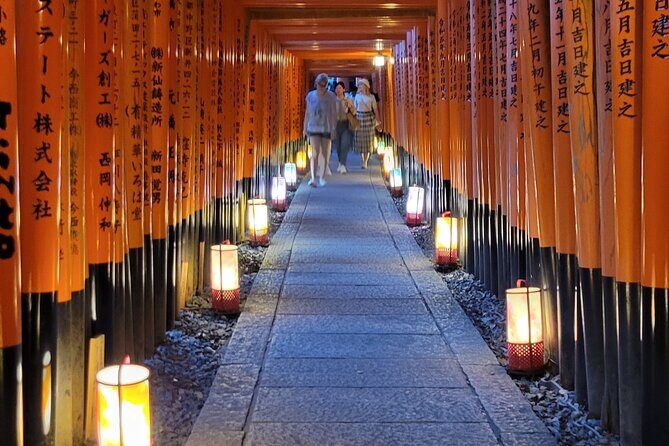
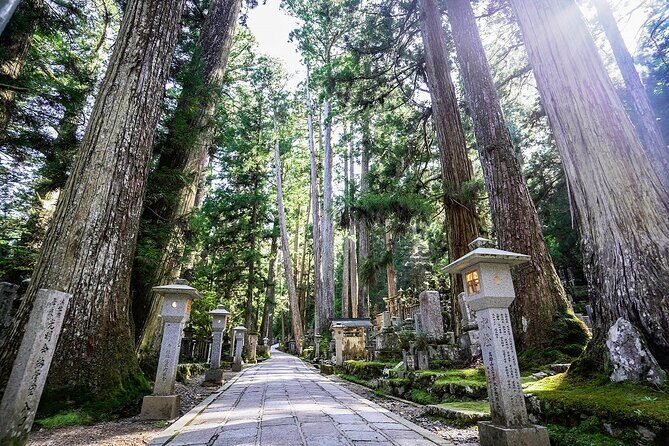
Finally, you reach Koyasan Okunoin, concluding with a walk through Japan’s most sacred cemetery. You’ll follow a lantern-lit path past moss-covered gravestones toward resting places.
The itinerary frames this as a way to end the day on the most sacred and reflective section of Koyasan. This is where all that earlier context starts to feel practical. You’re not just tired from temples—you’re in a setting designed for remembrance and quiet focus.
Time is listed around an hour. That’s enough to experience the atmosphere, but not so long that it becomes an all-day march. Still, treat it as a real walk. Bring layers if it’s chilly.
The Guides Matter: Meri and Megui as the Proof of Concept
The tour’s reviews highlight a consistent theme: the guide’s warmth and clarity. Names like Meri and Megui show up in praise, with comments that they were friendly, attentive, and paced information well at each stop.
That’s exactly what you want on a spiritual day. If a guide overloads you, you tune out. If a guide gives you nothing, you just walk between impressive buildings without connection. The strong point here is that the explanations are paced to the day.
Also, since this is private, you can ask questions without feeling like you’re interrupting a group flow. That’s often the difference between learning a little and genuinely understanding what you’re seeing.
Who This Day Trip Best Fits
This tour is a strong match if:
- You want private comfort and a full day structured for meaning, not just photos.
- You care about Buddhism context and prefer a guide to interpret what you see.
- You’re traveling as a couple, friends, or family and want the day to feel tailored to your pace.
It may be less ideal if:
- You love independent travel and are comfortable building a Koyasan route on your own.
- You want lots of free time for wandering without guidance.
- You strongly prefer a lighter schedule; this is a packed spiritual circuit.
Quick Practical Tips Before You Go
- Wear shoes you’re happy walking in for an hour at Okunoin.
- Plan for a full day starting early (8:00am).
- If you have food restrictions, share them at booking so the Shojin Ryori lunch fits you.
- Keep your expectations flexible for day-of changes due to weather or closures; the tour notes adjustments may happen.
Should You Book This Koyasan Private Car Day Trip?
If you want Koyasan with less stress and more access, I’d lean yes. The big reasons are straightforward: private transport, an English guide who explains, entry tickets handled, a meaningful lunch in the Shojin Ryori style, and the chance to experience something not usually on the standard public route, including a hidden temple and the Goma ceremony.
If you’re trying to do this as cheaply as possible, or you don’t mind planning public transit, you might find cheaper options. But if your goal is a smooth, guided day where you leave with both memories and understanding, this format is hard to beat. It’s the kind of trip where paying more can actually mean spending less energy thinking about logistics.
FAQ
How long is the Koyasan day trip from Osaka?
The tour runs for about 10 hours.
Where does the tour start?
The tour starts at McDonald’s JR Osaka Station Sakurabashi Exit Restaurant, near Umeda in Osaka. The tour ends back at the meeting point.
Is pickup included?
Pickup is offered, and the tour also lists a specific Osaka meeting point for the start.
Are temple admission tickets included?
Yes. The itinerary shows admission tickets included for multiple stops such as Mt. Koya, major temple complexes, and the ceremony temple visit.
Is lunch included, and what type of food is it?
Lunch is included. It’s Shojin Ryori, a traditional Buddhist vegan meal.
What makes the temple visits special on this tour?
The tour includes visits to temples not usually open to the public, including a hidden temple opened exclusively for this experience.
Is this tour private?
Yes. It’s a private tour/activity, meaning only your group participates.