REVIEW · TOKYO
Tokyo: Tsukiji Market Guided Tour & Sushi-Making Experience
Book on GetYourGuide →Operated by True Japan Tour · Bookable on GetYourGuide
Tsukiji can feel like a food maze, but this tour gives it a map. You start in the Tsukiji Outer Market area with a licensed English guide, then shift to a hands-on sushi-making class that teaches three styles of sushi. The whole thing runs about 225 minutes, so it is not a quick photo stop.
What I like most is the mix: you get a guided look at where top chefs shop and how the market works, not just a generic sightseeing walk. Then you move straight into the kitchen to practice nigiri, hosomaki, and gunkanmaki with an instructor watching your technique. One consideration: the market portion is focused on discovery and browsing, and the class is where you get actual hands-on sushi time—so if you expect to personally select and purchase tuna at the stalls, read the details carefully.
In This Review
- Key Things to Know Before You Go
- Tsukiji Hongwanji Temple: Your precise start point
- Tsukiji Outer Market walk: tuna aromas, merchant know-how, and real-purpose shopping
- The street-to-kitchen shift: public transit to a facility near Tokyo Tower
- Sushi-making masterclass: nigiri, hosomaki, and gunkanmaki on your own hands
- The dining etiquette + your sushi meal: tasting what you made
- Price at $177: is it worth it, and who it is for?
- The practical stuff that can make or break your day
- Should You Book This Tsukiji Market + Sushi-Making Tour?
- FAQ
- Where do I meet for the Tsukiji Market guided tour and sushi class?
- How long is the tour?
- What language is the tour in?
- What’s included in the price?
- Is public transportation included?
- Are dietary restrictions accommodated?
- Is the tour wheelchair accessible?
Key Things to Know Before You Go
- Small group (up to 10): easier questions, more attention during the sushi class
- Tsukiji Outer Market focus: you walk narrow alleys and see the seafood world up close
- Three sushi styles taught: nigiri, hosomaki, and gunkanmaki, not just one basic roll
- State-of-the-art facility near Tokyo Tower: you change from street life to a proper kitchen setup
- Ingredients and a souvenir kit included: you leave with what you need, plus take-home items
Tsukiji Hongwanji Temple: Your precise start point
Meet at the entrance of Tsukiji Hongwanji Temple, just a 30-second walk from Exit 1 of Tsukiji Metro Station on the Hibiya Line. I like starts like this because they reduce the usual Tokyo scramble. You know exactly where to aim, and you can plan to arrive a few minutes early with comfortable shoes on.
This opening matters because Tsukiji has a lot going on—noise, smells, people, and tight spaces. A tour that begins at a clear landmark helps you get your bearings fast, so your energy goes into the experience instead of wandering.
You can also read our reviews of more guided tours in Tokyo

Tsukiji Outer Market walk: tuna aromas, merchant know-how, and real-purpose shopping
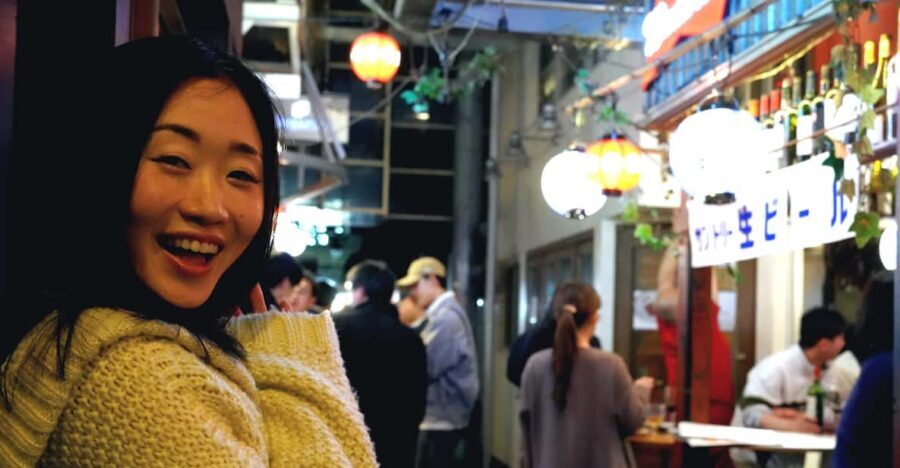
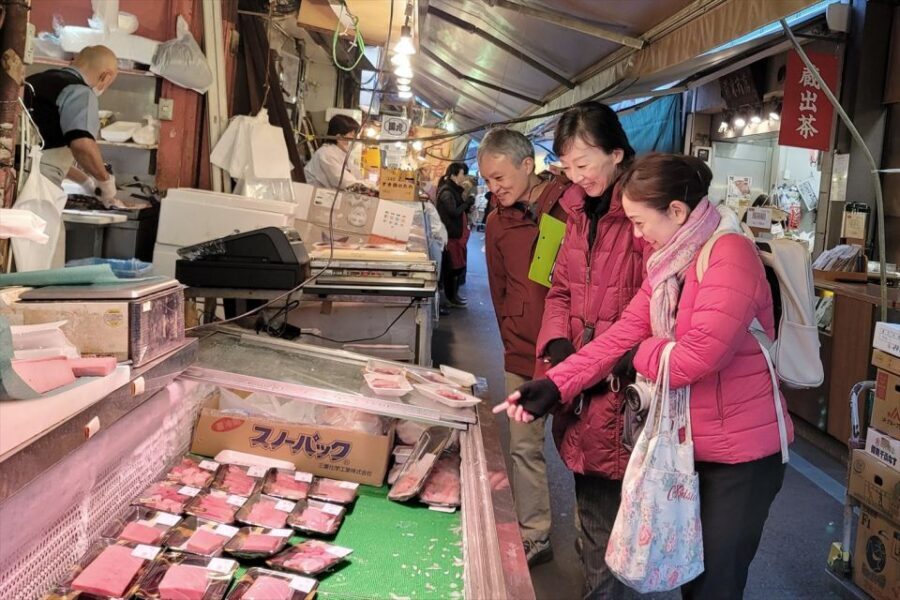
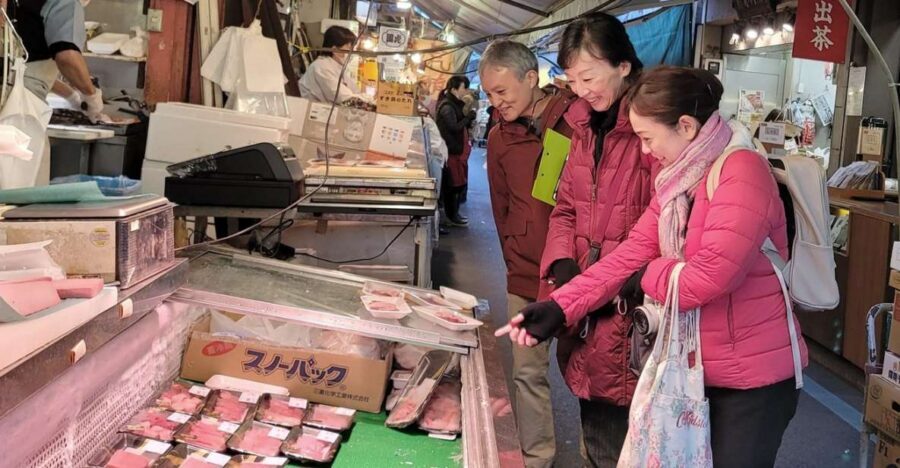
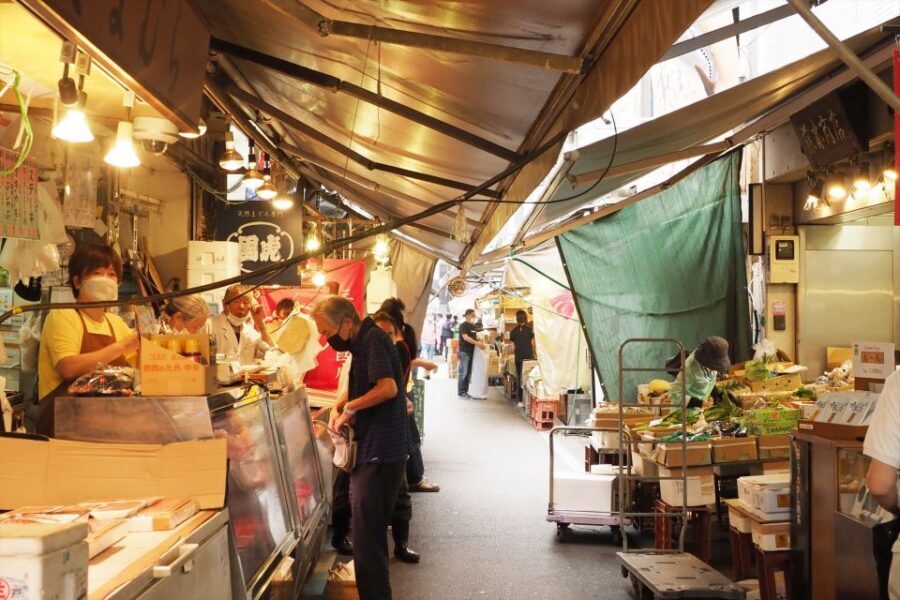
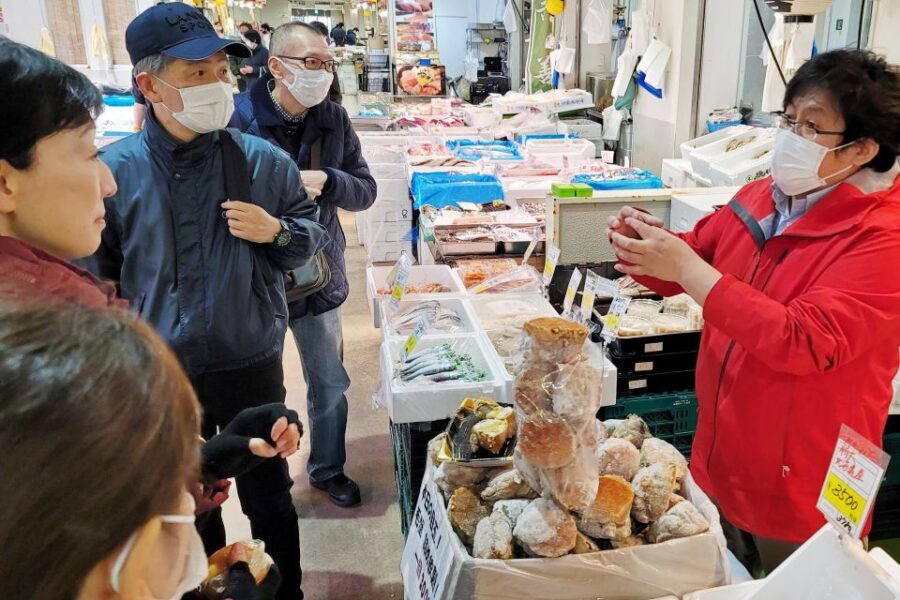
Once you meet your guide, you head into Tsukiji Outer Market, the famous seafood-focused market area that used to function as one of the world’s biggest wholesale hubs. The Outer Market is where you get the sights and smells: freshly prepared items, seafood display cases, and stalls selling ingredients you can actually use later. It is also where the tour gets more interesting than a simple walk—your guide explains what the market is known for and why chefs care about it.
You will browse a wide mix of goods, including things like sliced sashimi items, dried seaweed, fruits, vegetables, and tuna products. This is the part where you learn how the market thinks: ingredients are often practical, visible, and built for speed. You also follow along as you hunt for freshly-caught tuna, so the experience leans more toward seafood culture than generic street food.
A small but important detail: you pass expert merchants at work and visit stores where Michelin-star chefs buy produce. That gives the tour extra credibility beyond the usual tourist narrative. It is the difference between seeing fish and understanding what kind of supply chain and kitchen thinking drives demand.
One practical drawback to consider is that this is Outer Market exploration, not guaranteed behind-the-scenes wholesale access. If your fantasy is standing at a cutting station selecting tuna like a chef, you may feel the market time is more about learning and browsing than purchasing. In other words, expect guidance and context in the stalls, and expect the sushi-building action to happen later in the kitchen.
The street-to-kitchen shift: public transit to a facility near Tokyo Tower
After the market portion, the tour uses public transportation to get you to a sushi kitchen near Tokyo Tower. I like this structure because it keeps the day efficient: you get your Tokyo sights, then you settle into a controlled space where the lesson can run smoothly.
The transit piece is also useful for you to plan mentally. You are not just walking for hours—you are switching gears. Bring a calm mindset: the market can be sensory overload, but the kitchen step is where you translate what you learned into technique.
Since food and drinks other than the included class materials are not listed as included, it is smart to think about timing. If you snack heavily before the class, you might blunt the appetite you want for the meal you sit down to enjoy after making sushi.
Sushi-making masterclass: nigiri, hosomaki, and gunkanmaki on your own hands
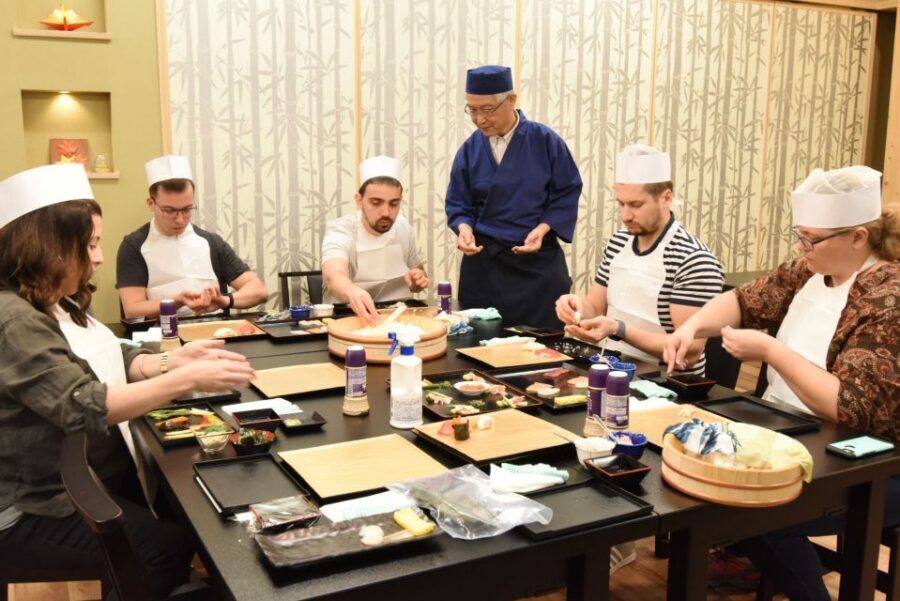
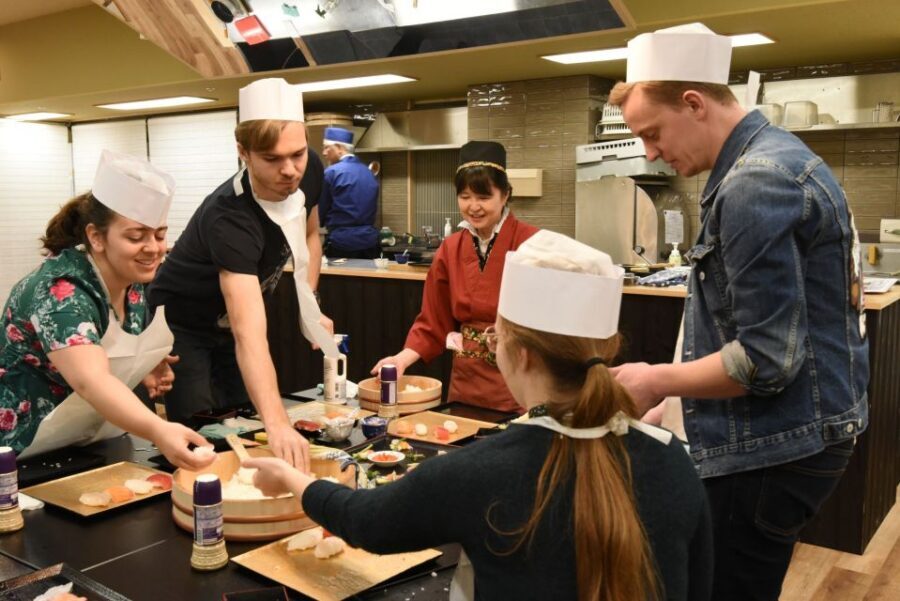
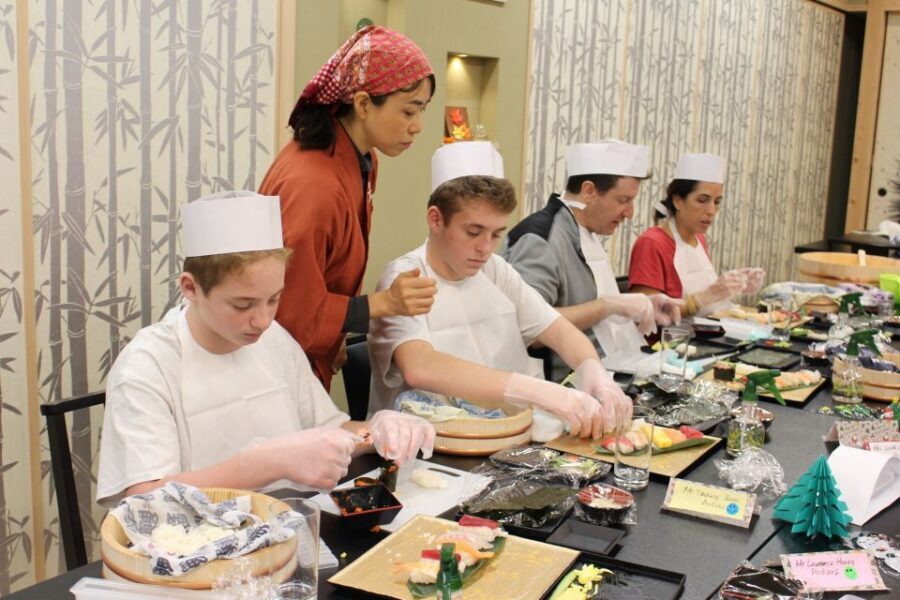
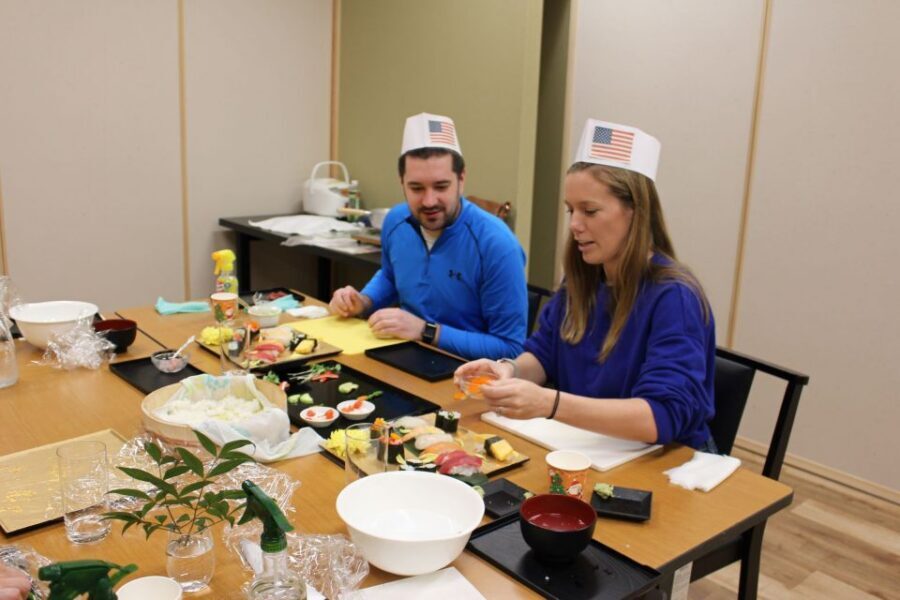
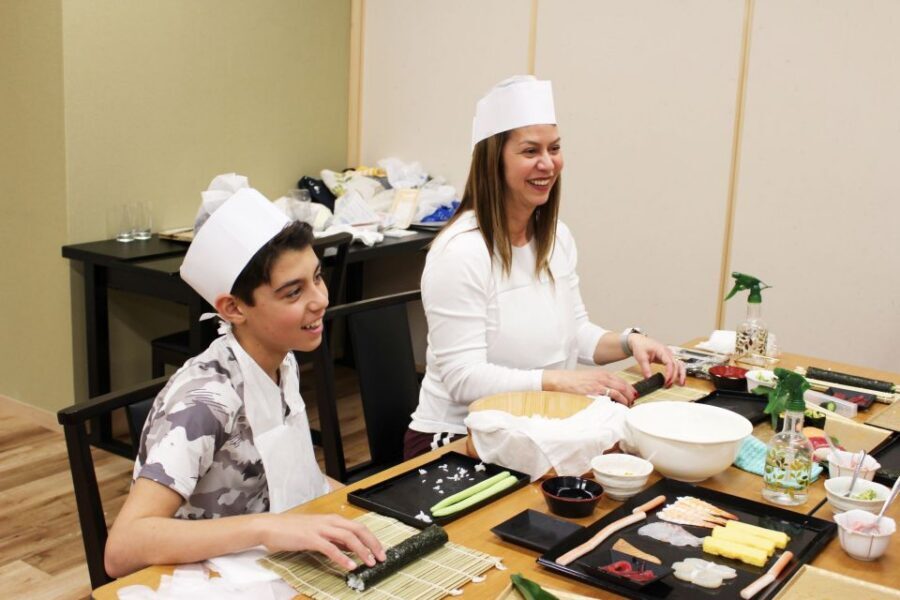
This is the main event. You get taken into a state-of-the-art facility and taught sushi basics with an instructor. The class specifically covers three types of sushi: nigiri (traditional hand-rolled), hosomaki (thin sushi rolls), and gunkanmaki (sushi wrapped in nori with a soft topping).
What I appreciate about covering three styles is that it forces you to learn more than one skill set. Nigiri is all about balance and shape. Hosomaki makes you think about rolling tension and clean cuts. Gunkanmaki adds a different challenge because it is about nori wrapping and topping control, not just rice handling.
The tour also includes discussion of hygiene techniques and what goes behind making nigiri sushi. That may sound like a lecture, but it is actually practical. When you understand why sushi rice, tools, and handling matter, your sushi stops being only a craft project and turns into food-safety thinking, which is a big deal in Japan.
Then you get to work. You make sushi under supervision, which is the key advantage of paying for a guided class. You can watch and learn, but you also get correction when your rice amount is too high or your roll is too loose. That kind of feedback is hard to get if you are just taking a generic cooking workshop.
One more value point: the tour says all ingredients are included. So you are not juggling extra shopping lists, and you do not have to guess how much rice, nori, and fillings you will need. You show up, follow the technique, and end up with food you can actually eat.
The dining etiquette + your sushi meal: tasting what you made
After you learn the history of Japanese cuisine and the hygiene approach, you get introduced to Japanese dining etiquette. This part can be brief, but it is worth paying attention to because it changes the vibe of eating. It turns the meal from a moment of eating for photos into a moment of doing things the way locals do.
Finally, you sit down to enjoy the sushi you made. That matters because you get immediate feedback on your effort. If the rice was too tight, you notice. If your rolling technique improved, you taste the difference. It is the rare cooking class where the payoff is built in, not just theoretical.
And yes, you will likely notice how ingredient handling impacts flavor and texture. In Japanese sushi, small differences show up fast. Even if you already ate sushi in Tokyo, making it is a different kind of education—because you are the one controlling the technique.
You can also read our reviews of more shopping tours in Tokyo

Price at $177: is it worth it, and who it is for?
At $177 per person for about 225 minutes, this is not a budget add-on. So the right question is value: what do you actually get for that money?
You get:
- a guided Tsukiji Outer Market experience with a nationally licensed guide
- sushi instruction with a licensed instructor
- public transportation from Tsukiji to the kitchen
- ingredients for the class and a sushi souvenir kit
- a sit-down tasting of your own sushi
That is a lot of structure for one price. You are paying for guidance, access to the kitchen setup, instructor supervision, and included materials. If you tried to replicate this on your own, you would likely spend time figuring out timing, buying supplies, and finding a class with good supervision.
That said, this tour may not fit every goal. If your top priority is hunting for tuna stalls and learning selection like a trader or fish buyer, you might feel the market portion is more about exploration than hands-on purchasing. One clear way to set expectations: use the tour for what it is—Outer Market learning plus a teach-you-three-styles sushi class—rather than expecting a fish-market buying experience.
I think this tour is a great match if you:
- want a guided Tokyo food experience without spending hours researching
- like hands-on cooking with an instructor correcting you
- want to see Tsukiji beyond a standalone self-guided walk
- are comfortable eating what you make (and actually enjoy learning technique)
The practical stuff that can make or break your day
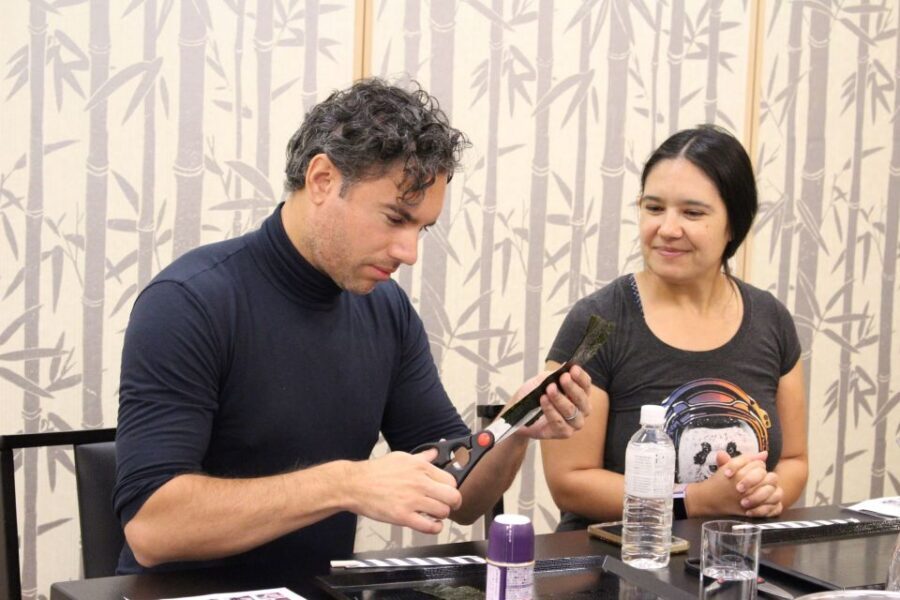
This tour is English and set up as a small group limited to 10 participants, which helps keep the class moving and gives you room to ask questions. It is also listed as wheelchair accessible, but the broader notes also say it may not be suitable for people with mobility impairments. If you have mobility needs, it is worth checking what parts involve walking through narrow market alleys and how the kitchen layout is handled.
You should also plan for the basic equipment reality: wear comfortable shoes. Tsukiji’s Outer Market area involves walking and crowd navigation, and you do not want to be thinking about sore feet during your sushi lesson.
And remember what is not included: any other food or drinks beyond what the class provides. If you want beverages or extra snacks, plan for that budget.
Should You Book This Tsukiji Market + Sushi-Making Tour?
Book it if you want the best of both worlds: a guided Tsukiji Outer Market morning/early afternoon feel, then a structured sushi-making masterclass where you actually build nigiri, hosomaki, and gunkanmaki and eat the results. The inclusion of ingredients, instructor supervision, and a take-home souvenir kit makes the price feel more reasonable than a class where you still need to buy basics.
Skip or at least double-check your expectations if you are mainly chasing a high-end sushi upgrade or a tuna-buying experience in the market. This is about learning and making, not about turning you into a fish buyer.
FAQ
Where do I meet for the Tsukiji Market guided tour and sushi class?
Meet your guide at the entrance of Tsukiji Hongwanji Temple. It is a 30-second walk from Exit 1 of Tsukiji Metro Station on the Hibiya Line.
How long is the tour?
The duration is approximately 225 minutes, and it may change depending on the number of participants.
What language is the tour in?
The tour is guided in English.
What’s included in the price?
Included are the market tour, a nationally licensed guide, public transportation from Tsukiji to the sushi kitchen, the sushi-making experience with a licensed instructor, sushi ingredients, and a sushi souvenir kit.
Is public transportation included?
Yes. Public transportation from Tsukiji to the state-of-the-art sushi kitchen is included.
Are dietary restrictions accommodated?
Most dietary restrictions and requirements can be accommodated, though you should still let the provider know in advance.
Is the tour wheelchair accessible?
It is listed as wheelchair accessible, but it is also noted as not suitable for people with mobility impairments.