REVIEW · KYOTO
Kyoto Early Bird Tour in Uji and Fushimi Inari
Book on Viator →Operated by GuideMe Japan · Bookable on Viator
Kyoto before the crowds is a different trip. This early bird morning tour strings together Fushimi Inari-taisha and Uji’s key shrines, with a focus on seeing the big highlights before the lines and late-afternoon tour buses. Two things I especially like are the UNESCO Byodoin Temple entry included and the small-group pacing that makes the route feel calm instead of rushed.
What really elevates it is the guide access. With a max group size of 8, you get time to ask questions as you walk, instead of shouting over foot traffic. Genki-style explanations (especially the clear breakdown of Shinto vs Buddhism) make the sites easier to understand, even if you’re not a temple-nerd.
One possible drawback: you’ll still pay the transportation fee separately (¥390 per person), and lunch isn’t included. That means you’ll want a simple plan for food after the tour ends at Uji Station.
In This Review
- Key things to know before you go
- Why this early Kyoto-and-Uji route feels smarter than a “hit everything” day
- Price and logistics: what $55.18 covers (and what to budget for)
- Meeting point at Kyoto Station and where the tour ends in Uji
- Stop 1: Fushimi Inari-taisha Shrine before the crowd wave
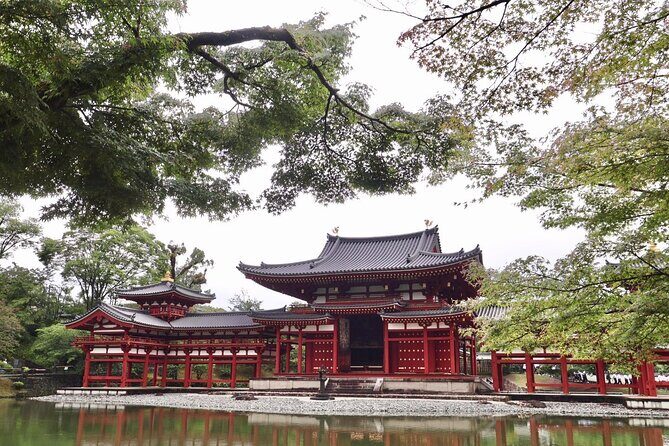
- Stop 2: Byodoin Temple and the Phoenix Hall (UNESCO, with entry handled)
- Stop 3: Ujigami Shrine for calm, mossy grounds and older wooden structure
- What the English-speaking guide adds (especially the Shinto vs Buddhism clarity)
- How to plan your day: timing, walking, and what to pack
- Should you book the Kyoto Early Bird Tour in Uji and Fushimi Inari?
- FAQ
- How long is the Kyoto Early Bird Tour in Uji and Fushimi Inari?
- Where does the tour start and where does it end?
- Which major sites are included?
- Is Byodoin Temple admission included in the tour price?
- Do I need to pay for admission at Fushimi Inari-taisha and Ujigami Shrine?
- What language is the guide?
- How large is the group?
- Is transportation included in the price?
- Is lunch included?
- Is there free cancellation?
Key things to know before you go
- Early bird timing: More breathing room at the biggest sights
- Byodoin Temple admission included: No waiting around for entry
- Small group up to 8: Easier questions and smoother movement
- UNESCO + traditional shrine mix: Big landmark, then calmer Uji stops
- Mobile ticket: Easier day-of check-in
Why this early Kyoto-and-Uji route feels smarter than a “hit everything” day
Kyoto is famous for being beautiful and famous for being crowded. This tour leans into the smart fix: go early, then get out before the day fully wakes up. You’re not trying to squeeze in everything at noon when everyone else is on the same mission. Instead, you start at Kyoto Station and head out with the goal of arriving at key places before the heaviest foot traffic.
I also like how it combines two areas that are closely linked but often treated separately. You get a major Kyoto postcard moment at Fushimi Inari-taisha Shrine, then you shift to Uji for the more reflective, traditional side of the region with Byodoin Temple and Ujigami Shrine. It’s a useful contrast: fast, red-gate walking in Fushimi; then quiet architecture and sacred grounds in Uji.
And because it’s a morning tour with a 5 hours 30 minutes duration, it’s built to leave you options for the rest of your day. You can head back toward central Kyoto afterward or keep exploring near Uji. The end point is Uji Station, which makes that follow-up easy.
You can also read our reviews of more tours and experiences in Kyoto.


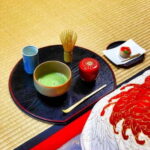
Price and logistics: what $55.18 covers (and what to budget for)
At $55.18 per person, this is priced like a tour meant to remove friction. The entrance fee to Byodoin Temple is included, and you get an English-speaking guide. That matters because temple admission is often the part that makes people hesitate, especially if they’re unsure where to buy tickets or how timing works on arrival.
Here’s the practical catch: transportation isn’t included. The tour lists a ¥390 per person transportation fee. So your real all-in cost is the tour price plus that transport add-on, plus whatever you spend on food.
Lunch also isn’t included. That’s very typical for structured morning tours, but you’ll feel it. Bring a small snack if you’re the kind of person who gets hungry early, or make a plan to eat after you reach Uji Station.
If you’re comparing options, think about value as this: you’re paying for (1) early access to the main sites, (2) guide time in English, and (3) Byodoin entry handled for you. If you’d rather DIY and spend time figuring things out, you can. But if you want your day to feel smooth, this price is pretty reasonable.
Meeting point at Kyoto Station and where the tour ends in Uji
The tour starts at Kyoto Station (Higashishiokoji Kamadonocho, Shimogyo Ward). That’s a convenient launch pad because Kyoto Station is where most train lines and major transit options connect. It’s easier to get oriented before you head out.
At the end, you finish at Uji Station (Otsukata Uji, Kyoto). The tour notes that your guide will assist with directions, but the guide won’t ride the train back with the group. That’s normal for this kind of half-day plan, and it’s also why the end point at Uji Station is useful. You can hop to your next stop without backtracking.
Good to know if you want a stress-free morning: you’ll have the easiest time if you arrive at the meeting point a bit early. Early-bird tours work best when everyone starts on time.
Stop 1: Fushimi Inari-taisha Shrine before the crowd wave
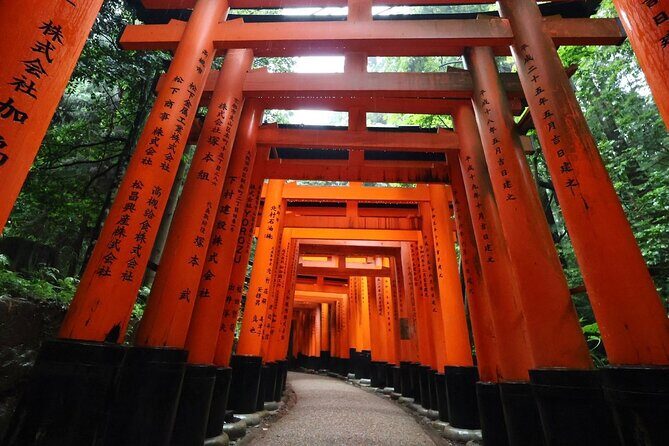
Fushimi Inari-taisha is the big name for a reason. You’re walking through thousands of striking red gates, and the whole place has that unmistakable, rhythmic feel: gate after gate, path after path. Even if you’ve seen photos before, the scale is what hits you in person.
This first stop is also where early timing pays off. If you hit it later, you’ll often find yourself moving with the crowd and waiting for space to take pictures. In this morning format, you’re more likely to keep a steady walking pace and not feel constantly boxed in.
What the guide adds here is context. Genki-style explanations tend to make the shrine feel less like a theme-park photo spot and more like a working religious landscape. You’ll also get help understanding the mix of beliefs and how shrines and temples fit together in everyday Japanese culture.
Possible drawback: it’s popular and the area involves a fair amount of walking. If you have knee or stamina issues, plan to take it slow in the gate corridors and don’t force extra detours. The tour keeps things moving, but your comfort matters more than pushing to the farthest point.
Stop 2: Byodoin Temple and the Phoenix Hall (UNESCO, with entry handled)
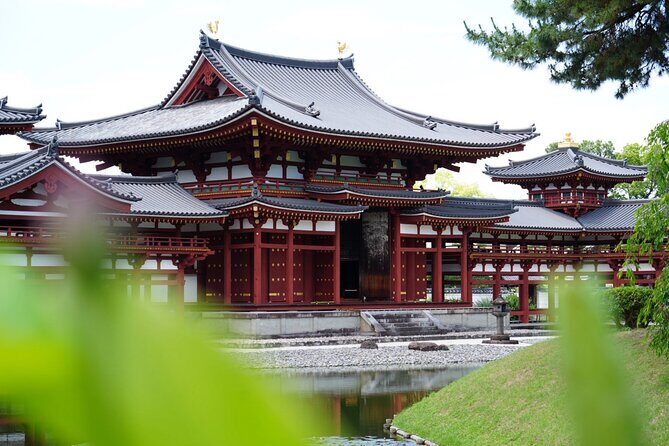
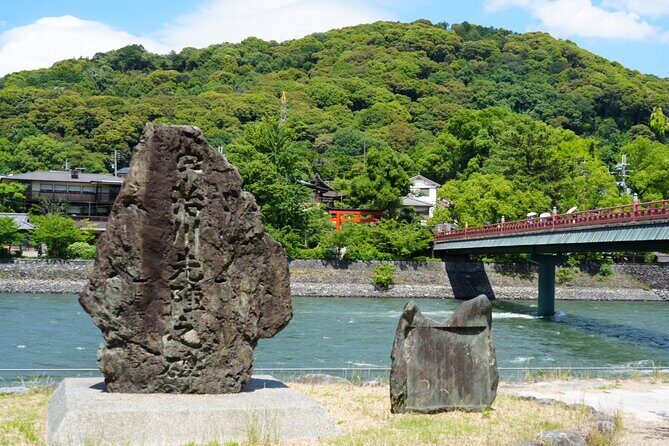
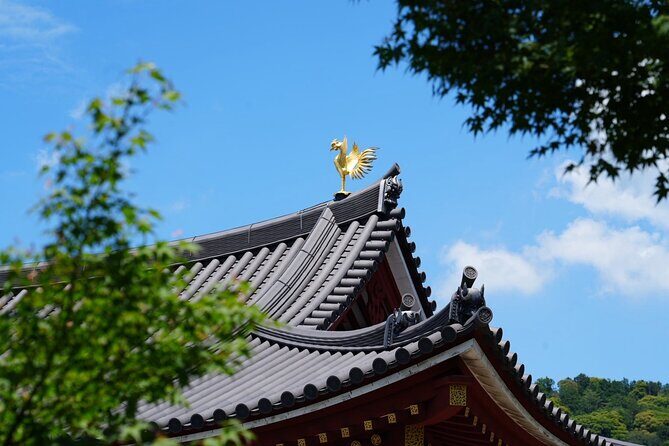
Then you shift to Uji and step into a site that feels different from the busy street energy of Fushimi. Byodoin Temple is a UNESCO World Heritage Site and is strongly associated with the Phoenix Hall, which you might recognize because it appears on the back of Japan’s 10 yen coin.
This stop is a major selling point of the tour: Byodoin Temple admission is included, which helps you avoid the frustrating bits of day-of planning. Instead of spending your precious morning time dealing with ticketing, you can focus on seeing.
How to experience it: take your time with the building details and the overall mood of the grounds. Byodoin isn’t just about one view. It’s about how the layout and architecture create a calm, deliberate pace. Even if you’re not trying to memorize dates and dynasties, you’ll get more out of the stop if you pay attention to the way the guide frames what you’re looking at.
The Phoenix Hall connection is also a fun hook for first-timers. It makes the site feel tangible: the coin design isn’t just a graphic. It’s a real place with real structure and real meaning tied to Japanese history and religious life.
One consideration: since this is a big UNESCO stop, you should still expect some presence of other visitors. The win here is that you’re arriving as the day is still forming, so you’re more likely to enjoy space around you.
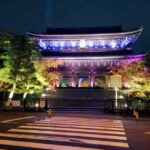
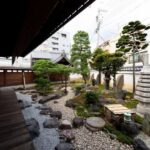

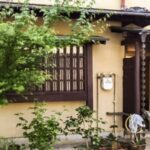
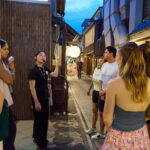
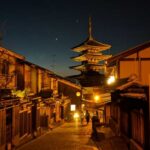
Stop 3: Ujigami Shrine for calm, mossy grounds and older wooden structure
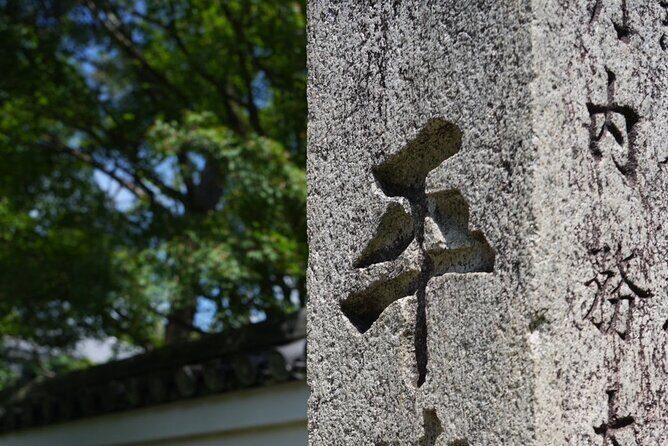
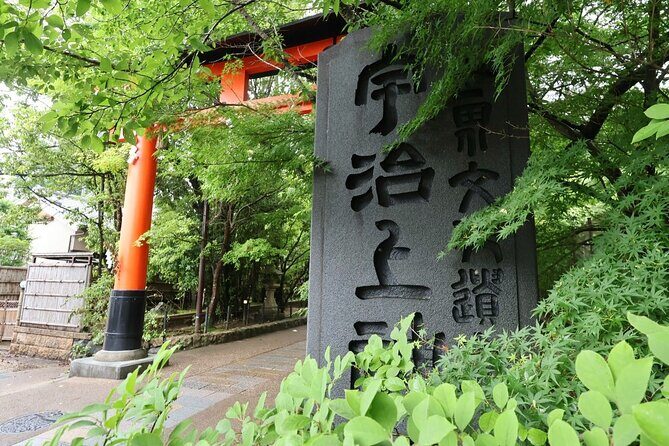
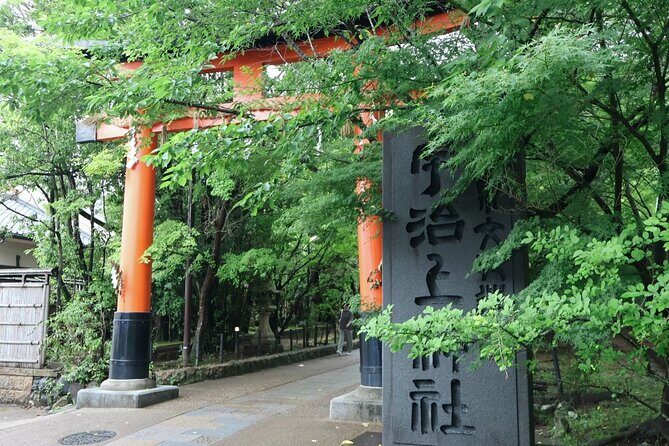
Uji has a reputation for being a bit quieter than the busiest Kyoto lanes, and Ujigami Shrine leans into that feeling. It’s described as Japan’s oldest standing shrine, and the grounds feel tucked away—peaceful, spiritual, and refreshingly low-key compared to the “everyone knows this” famous sites.
The best part of this final stop is the contrast. After walking red gates and then focusing on an UNESCO landmark, Ujigami Shrine slows you down. You’re not chasing your next photo angle. You’re looking at an older wooden atmosphere, with moss-covered grounds that create a softer visual rhythm.
The tour keeps this stop structured, so you still get guidance on what you’re seeing. This is where the Shinto vs Buddhism explanation often lands. If you walk away from the tour understanding how these beliefs show up in the landscape, Ujigami Shrine becomes more than a quiet place. It becomes a context lesson you can feel.
Potential drawback: if you prefer action-packed sightseeing the whole time, Ujigami Shrine can feel like a pause rather than a climax. But if you’re trying to do Kyoto in a way that leaves room for breath, this stop is a big part of the payoff.
What the English-speaking guide adds (especially the Shinto vs Buddhism clarity)
A tour like this lives or dies based on the guide. Here, the guide is English-speaking, and the small-group setup gives you chances to ask questions mid-walk instead of only at the end.
One of the most praised elements you can expect is clear explanations that don’t talk down. Genki-style teaching focuses on practical distinctions—like helping you understand Shinto and Buddhism in everyday terms. That’s valuable because Japanese religious spaces often look similar at first glance, but the meanings and roles can differ.
You also get better “reading” skills. When you know what you’re looking at—at least at a basic level—you stop treating each stop as a separate sightseeing checkbox. You start connecting them: shrine culture, temple culture, architecture, and how people use these spaces across time.
And because the group max is 8 travelers, you’re less likely to lose your place when you pause for a question or when the guide points something out. That’s a big quality-of-life advantage in Japan, where walking pace and crowd density can turn sightseeing into a stressful relay.
How to plan your day: timing, walking, and what to pack
The whole tour runs about 5 hours 30 minutes, starting at Kyoto Station and ending at Uji Station. That makes it an ideal “morning anchor” for a longer Kyoto itinerary. You can come prepared to do the cultural highlights early and then use the afternoon for your own choices.
Here’s what you should plan for, based on the stops:
- You’ll do repeated walking (especially at Fushimi Inari’s gate paths).
- You should have moderate physical fitness. That doesn’t mean you need to be an athlete, but you shouldn’t plan to treat the day like a sit-and-watch museum.
- The tour is designed for a morning window when crowds are lighter, so comfort matters early in the day.
What to bring:
- Comfortable walking shoes (you’re on your feet most of the time)
- Water, especially if it’s warm when you go
- A light layer if mornings feel cool
- A simple snack plan since lunch isn’t included
Food strategy: if you want to keep your energy up, you can grab something near Uji Station after the tour ends. That’s an easy moment to transition from guided walking to self-paced eating.
Should you book the Kyoto Early Bird Tour in Uji and Fushimi Inari?
I’d book this if you want Kyoto without the day-long grind. The combination of small group size, Byodoin Temple entry included, and a schedule built for arriving before major crowds is exactly the kind of planning that makes a difference.
This is also a great fit if you like understanding what you’re seeing, not just taking photos. The guide’s clear explanations (including Shinto vs Buddhism) can turn “I visited” into “I understood what I saw.”
Skip it if you’re the type who hates structured time windows, or if you’re trying to do the whole day in one place. Also factor in the ¥390 transportation fee and the fact that lunch isn’t included.
If you want a morning that feels efficient but not frantic, and you’re happy ending in Uji Station with freedom for the rest of your day, this tour is a strong choice.
FAQ
How long is the Kyoto Early Bird Tour in Uji and Fushimi Inari?
The tour is approximately 5 hours 30 minutes.
Where does the tour start and where does it end?
It starts at Kyoto Station (Higashishiokoji Kamadonocho, Shimogyo Ward) and ends at Uji Station (Otsukata Uji, Kyoto).
Which major sites are included?
You visit Fushimi Inari-taisha Shrine, Byodoin Temple, and Ujigami Shrine.
Is Byodoin Temple admission included in the tour price?
Yes, the entrance fee to Byodoin Temple is included.
Do I need to pay for admission at Fushimi Inari-taisha and Ujigami Shrine?
Admission is listed as free for both Fushimi Inari-taisha Shrine and Ujigami Shrine.
What language is the guide?
The guide is English-speaking.
How large is the group?
The tour has a maximum of 8 travelers.
Is transportation included in the price?
No. A transportation fee of ¥390 per person is listed as not included.
Is lunch included?
No, lunch is not included.
Is there free cancellation?
Yes. You can cancel up to 24 hours in advance for a full refund.