REVIEW · KYOTO
Kyoto Half Day Highlights Tour
Book on Viator →Operated by ME Kyoto Walking Tours · Bookable on Viator
Kyoto can swallow a day fast, but this half-day route keeps you focused. You get a guided stroll through the big visual hits, with clear storytelling and smooth pacing from Gion all the way to Fushimi Inari-taisha. I especially like that it mixes famous places with a couple of calmer, less obvious stops, so you don’t feel like you’re just ticking boxes.
Two other things I really liked: the small-group size (max 12) makes it easy to ask questions, and the guide, Mari (spelled Marie/Mari in some notes), brings extra context and even helps with photos. One thing to consider: it’s a walking-focused tour and expects moderate fitness, so comfortable shoes matter, especially if the day is humid.
In This Review
- Kyoto Half Day Highlights Tour Key Points
- Why This 3:00 pm Highlights Walk Works in Kyoto
- Gion at the Start: Geisha District Streets, No Navigation Headaches
- Yasui-Konpiragu: A Calm Detour With a Specific Story
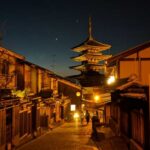
- Hokan-ji (Yasaka Pagoda): A Big Visual in a Small Time Slot
- The Slopes of Sannenzaka and Ninenzaka: Walking Toward Kiyomizudera
- Kiyomizudera Temple: The Views Take Center Stage (and Admission Is Included)
- Fushimi Inari-taisha: Torii Tunnels in One Guided Hour
- Price and Value: What You Pay, What You Save
- Getting the Most From the Walking Plan
- The Real Difference: Mari’s Style Makes It Feel Personal
- Should You Book This Kyoto Half Day Highlights Tour?
- FAQ
- How long is the Kyoto Half Day Highlights Tour?
- What time does the tour start, and where do I meet?
- Where does the tour end?
- What is included in the price?
- Do I need to pay for public transportation?
- Which major places does the tour visit?
- Is this a small-group tour?
- Is the ticket mobile?
- What fitness level is required?
- Can I cancel for a full refund, and what about bad weather?
Kyoto Half Day Highlights Tour Key Points
- Small group (max 12) keeps the walk lively and questions easy to answer.
- Guide commentary all along turns landmarks into something you actually understand.
- Included admission saves time and cost at the one paid major stop: Kiyomizudera.
- A smart time slot (3:00 pm start) lets you cover big sights without burning your entire day.
- Mobile ticket helps you get moving quickly when you arrive.
Why This 3:00 pm Highlights Walk Works in Kyoto
This is the kind of Kyoto tour that makes sense when you’re on a schedule. The start time is 3:00 pm, and the total duration is about 3 hours 30 minutes, which means you can still have a full evening after you finish. For cities where everything looks “must-see,” this is a relief: you get a planned route, you’re not second-guessing transit, and you’re not wandering in circles.
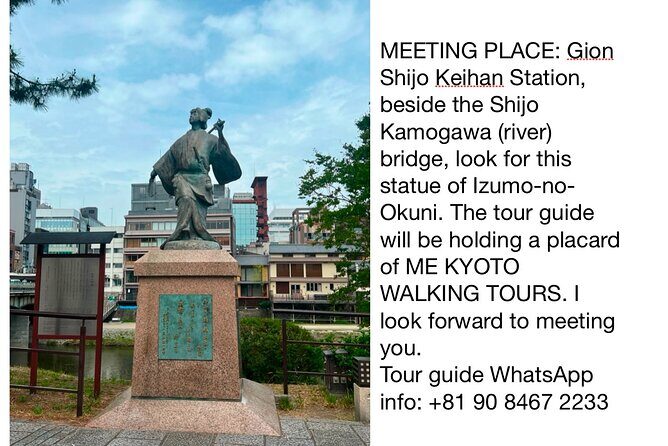
Another practical win is that it’s built around train-accessible meeting points. You’ll start at Gion-Shijo Station (1 Chome Miyagawasuji, Higashiyama Ward) and end at Inari Station by the Fushimi Inari area. Since public transportation isn’t included in the price, it helps that you’re not being dropped into the middle of nowhere.
And yes, it’s a highlight tour, but it doesn’t feel like a rushed “grab-and-go” playlist. The pacing is broken into short segments that match how you naturally experience Kyoto: a neighborhood first, then temples, then the famous slopes, then the big shrine walk.
You can also read our reviews of more tours and experiences in Kyoto.


Gion at the Start: Geisha District Streets, No Navigation Headaches
Your tour begins in Gion, which is exactly where you want to start if you care about atmosphere. You’ll walk at an easy pace through Gion’s historic streets, and the guide talk helps you decode what you’re seeing without making it feel like a lecture.
This opening stop is about 30 minutes, so it works even if you’re arriving from another part of town right before the meetup. You’re also set up for photos early, because Gion’s lanes give you plenty of visual angles even when you’re only walking.
A subtle but important benefit: Kyoto streets can feel confusing when you’re hunting for landmarks while tired. Having a guide handle the “which way is best” part means you can just notice details and keep your momentum.
Yasui-Konpiragu: A Calm Detour With a Specific Story
After Gion, the route turns toward the quieter side of Higashiyama with Yasui-Konpiragu Shrine. This stop is short—about 10 minutes—but it’s designed to add variety. Instead of another major crowd magnet, you get a more peaceful pause on the way toward the larger temple and shrine area.
What makes it memorable is the focus on a particular feature: the shrine is known for its power stone and a symbolic passageway. Even if you’re not big on religious symbolism, having the guide point out what to look for helps you notice how these places communicate meaning through layout and tradition, not just through architecture.
One caution: because this is brief, you’ll get the best experience if you stay close to the group and keep your attention up for the guide’s key explanations.
Hokan-ji (Yasaka Pagoda): A Big Visual in a Small Time Slot
Next up is Hokan-ji Temple, also known as Yasaka Pagoda. This is another 10-minute stop, but it’s built for impact. The pagoda is five stories and stands about 46 meters tall, and it’s described as the last remaining structure of a 6th-century temple complex.
That “last remaining” detail matters because it turns what could be just another tall tower into a piece of Kyoto’s survival story. You’re looking at something that made it through time when much of the original complex didn’t.
If you like feeling grounded in context—why something exists, and what’s left of what used to be—this is the kind of stop that makes your later visits click even more.
The Slopes of Sannenzaka and Ninenzaka: Walking Toward Kiyomizudera
Now you shift into one of Kyoto’s classic walkways: Sannenzaka and Ninenzaka. This segment is about 20 minutes, and it’s a transition stop in the best sense. The lanes are stone-paved and lead you toward Kiyomizudera in the Higashiyama district.
These slopes work well because you’re not only moving from A to B—you’re also getting the “old Kyoto street” vibe in a walk you can enjoy. Even if you’re not shopping, you still benefit from the architecture, street form, and the feeling that you’re traveling through a preserved zone rather than just passing it.
Practical note: this is one of the sections where footwear matters. It’s not described as a hike, but it is a walking route with narrow stone surfaces, and you’ll do better if your shoes grip well.
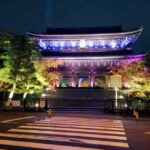
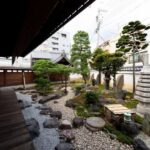

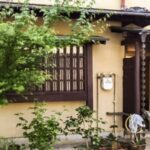
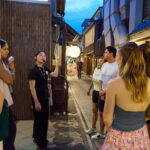
Kiyomizudera Temple: The Views Take Center Stage (and Admission Is Included)
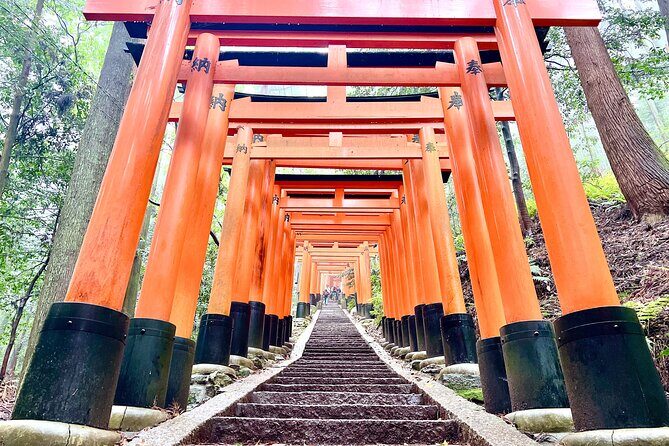
When the tour reaches Kiyomizudera, you get the longest single stop besides Fushimi Inari: about 45 minutes. This is the core temple stop on the schedule.
What you’ll likely notice first is the famous wooden terrace, which is known for offering breathtaking views of Kyoto. After that, you’ll move through the grounds and see structures like pagodas, plus sacred waterfalls inside the temple complex.
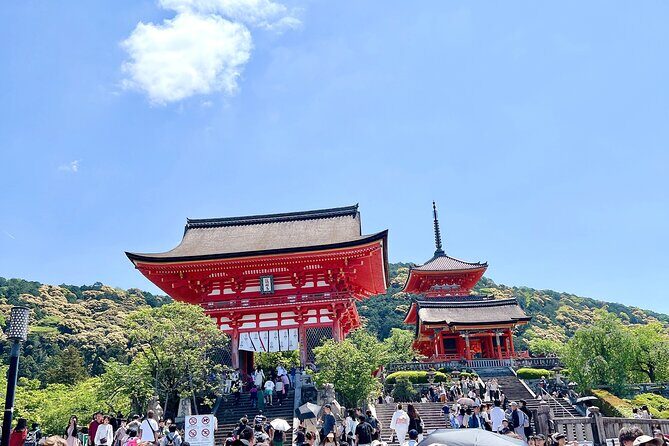
The other big reason this stop is worth your attention is that admission is included. So instead of treating Kiyomizudera like another cost and another line to manage, you’re already covered as part of the tour package. In a half-day plan, that “less friction” can be as valuable as the admission itself.
If you’re the type who wants to understand why the place is arranged the way it is, the guide commentary is especially useful here. You’ll also have time to wander at your own pace inside the temple grounds without losing the group.
Fushimi Inari-taisha: Torii Tunnels in One Guided Hour
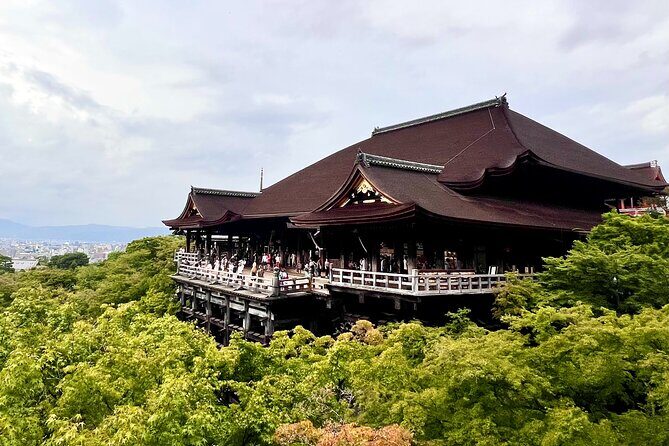
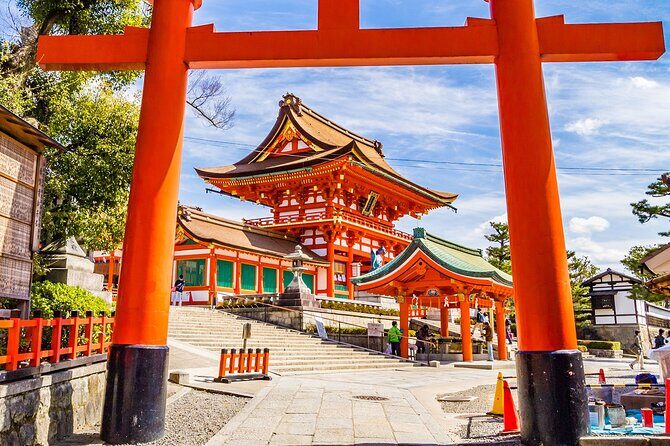
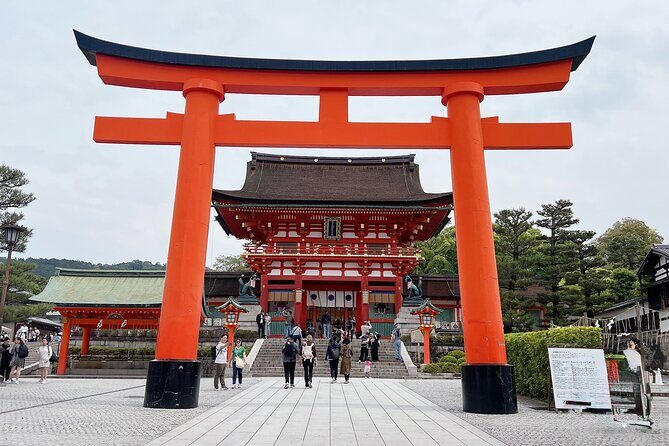
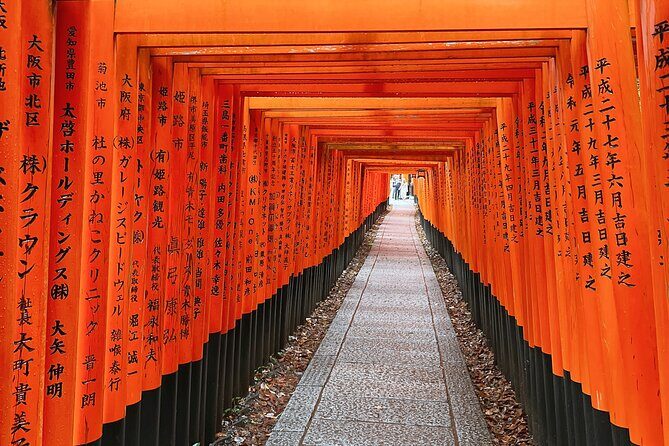
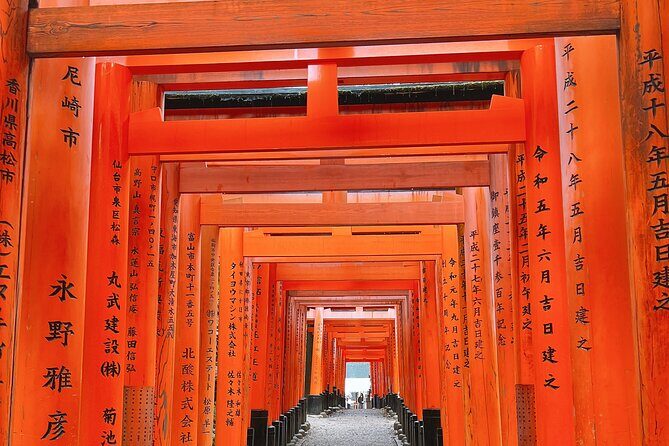
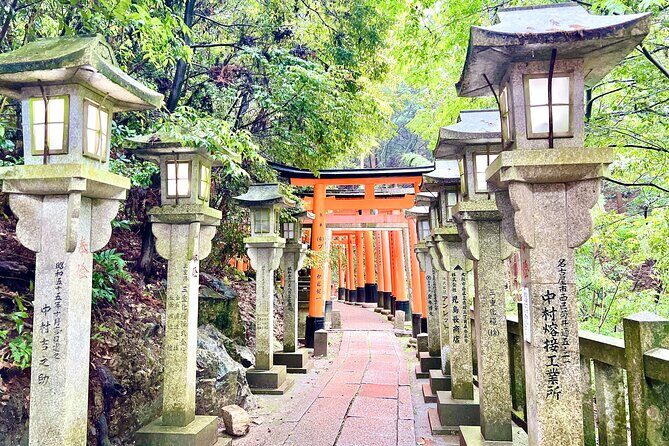
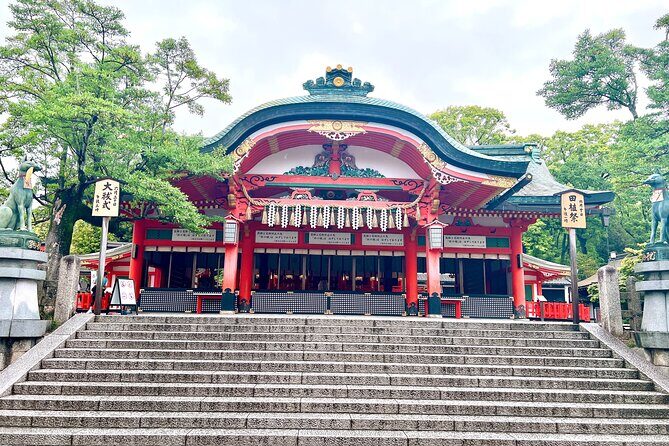
The grand finale is Fushimi Inari-taisha, with about 1 hour for this stop. This is where the tour earns its reputation: you’ll walk through the famous torii gate tunnels, following winding paths upward.
Fushimi Inari is a shrine dedicated to the god of rice and prosperity, and the tour focuses on what makes this place so recognizable: the sheer number of gates and the way the tunnels create a rhythm as you move. The experience is less about one single photo spot and more about how the path changes as you continue.
Compared to doing this on your own, having a guide can help you avoid the common “I’m lost but I don’t know I’m lost” feeling. You’re not just trying to find the next gate—you’re getting an explanation of what the shrine is, and why people keep returning.
Price and Value: What You Pay, What You Save
The listed price is $50.00 per person, and it’s a half-day tour with a guide service. Admissions are partially included: the tour notes admission fee is included, and from the schedule the paid component lines up with Kiyomizudera. The other major stops are indicated as having free admission.
What’s not included is something you need to budget for: public transportation is ¥220.00 per person, and snacks are not included.
So where’s the value? In Kyoto, your money doesn’t just buy entry tickets. You’re also paying for:
- a pre-built route that connects neighborhoods and landmarks,
- commentary that helps you read what you’re seeing,
- and a small-group setting where you can get answers instead of guessing.
Also, the tour is described as booking about 54 days in advance on average. That’s a quiet hint: if your dates are firm, you’ll likely want to reserve sooner rather than later.
Getting the Most From the Walking Plan
This tour is for people with moderate physical fitness. That’s not a vague label; it’s telling you the route is active. You’ll cover a sequence of stops: Gion, then Yasui-Konpiragu, then Hokan-ji, then the Ninenzaka/Sannenzaka slopes, then Kiyomizudera, then Fushimi Inari.
To enjoy it instead of merely surviving it, I’d plan around the walking reality:
- wear comfortable shoes with good grip,
- keep your pace with the group, especially on the slopes,
- and don’t plan a late, intense activity right before the 3:00 pm start.
One more local-season tip: Kyoto humidity can be noticeable, and on a humid day you’ll appreciate the tour’s built-in timing breaks. The route isn’t one nonstop march; it’s broken into short stops, which helps.
The Real Difference: Mari’s Style Makes It Feel Personal
The tour doesn’t sell itself only on the sights. It’s also about how the guide turns those sights into something you can carry with you.
In the feedback I’ve absorbed from this tour experience, Mari is described as fun and flexible, with a strong ability to explain history and customs in a way that doesn’t feel stiff. People also highlight that she can help with pictures, which is a practical detail. In places like Gion and Fushimi Inari, your best shots often happen when someone is willing to take the photo at the right angle instead of you doing awkward selfie-distance math.
There’s also a theme of responsiveness: if you run late due to travel mishaps, a guide who can adapt the pacing makes a real difference in whether you still enjoy the last stop.
Should You Book This Kyoto Half Day Highlights Tour?
Book it if:
- you have a short window and want a high-coverage Kyoto plan without research headaches,
- you prefer walking with someone guiding the story and the direction,
- and you like the idea of starting in Gion and ending at Fushimi Inari while you still have evening options.
Consider skipping or switching plans if:
- you’re sensitive to walking and don’t want an active route,
- you’re hoping for a super slow, spend-all-afternoon temple experience (this tour is timed for momentum),
- or you want food included, since snacks aren’t provided.
FAQ
How long is the Kyoto Half Day Highlights Tour?
It’s approximately 3 hours 30 minutes long.
What time does the tour start, and where do I meet?
The tour starts at 3:00 pm. You meet at Gion-Shijo Station (1 Chome Miyagawasuji, Higashiyama Ward, Kyoto).
Where does the tour end?
It ends at Inari Station, in front of Fushimi Inari Shrine (accessible to Fushimi Inari JR line and Keihan Line stations).
What is included in the price?
The price includes guide service and an admission fee.
Do I need to pay for public transportation?
Yes. Public transportation is listed as ¥220.00 per person and is not included.
Which major places does the tour visit?
The tour includes Gion, Yasui-Konpiragu Shrine, Hokan-ji Temple (Yasaka Pagoda), Sannenzaka and Ninenzaka, Kiyomizudera Temple, and Fushimi Inari-taisha Shrine.
Is this a small-group tour?
Yes. The maximum group size is 12 travelers.
Is the ticket mobile?
Yes. The tour uses a mobile ticket.
What fitness level is required?
Travelers should have moderate physical fitness, since it’s a walking-focused route.
Can I cancel for a full refund, and what about bad weather?
Cancellation is free up to 24 hours in advance for a full refund. The experience requires good weather; if it’s canceled due to poor weather, you’ll be offered a different date or a full refund.