REVIEW · KYOTO
Kyoto : Okada Tea Ceremony & Kimono
Book on Viator →Operated by OKADA Japan Culture Center · Bookable on Viator
A kimono and tea, right by Kiyomizu. I like how this experience bundles a kimono rental with a one-hour tea ceremony without wasting time. The setup is efficient: you get dressed, learn the meaning behind the ritual, and even have photos taken during the moment.
You should know one thing up front: the dressing-to-ceremony timing can take close to the full window, so plan to stay flexible for a 2.5-hour block.
In This Review
- Key highlights you’ll feel on the day
- Why this kimono-and-tea format is smart in Kyoto
- Getting dressed: choosing your kimono and simple hairstyling
- The tea ceremony: matcha, sweets, and what the ritual means
- After the ceremony: wearing your kimono until 6:00 PM
- Getting there: the Kiyomizu-michi advantage and the meeting point
- Price and value: what $84.70 really covers
- Small group size: why it changes the feel
- Who should book this, and who should plan differently
- Should you book Okada Tea Ceremony & Kimono?
- FAQ
- How long is the Kyoto: Okada Tea Ceremony & Kimono experience?
- What’s included in the tour?
- Where do I meet, and where does it end?
- How many people are in a group?
- Is there a mobile ticket?
- What is the cancellation policy?
Key highlights you’ll feel on the day
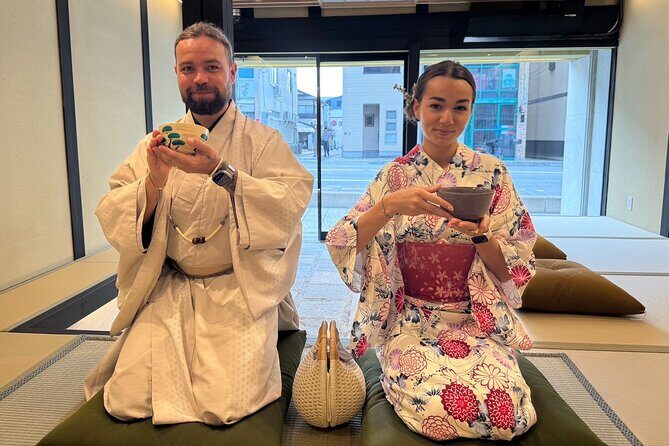
- Kimono shop next door to the tea venue so you don’t go hunting after changing
- 30-second walk from the Kiyomizu-michi bus stop if you’re arriving by public transport
- Small group limit of 4 travelers which makes it easier to ask questions
- Tea ceremony focus on tea culture plus sweets and matcha
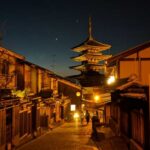
- Keep your kimono until 6:00 PM to stroll Higashiyama-style streets after
- Okada’s photography help mentioned in reviews, which is handy if you’re not sure where to stand
Why this kimono-and-tea format is smart in Kyoto
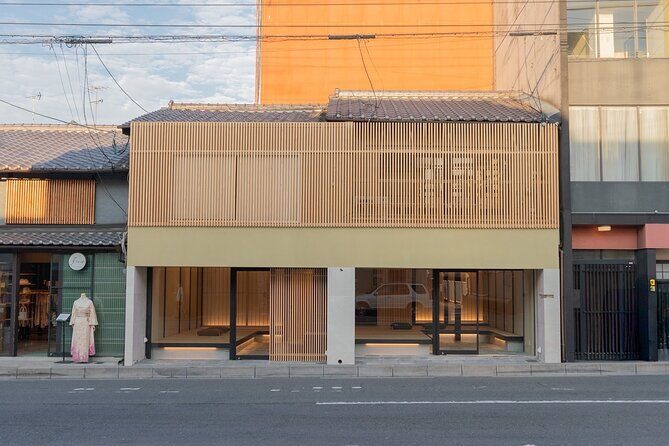
Kyoto has a lot of cultural stuff you can do, but timing is usually the pain point. This experience is built around one core idea: change into a kimono, enjoy the ceremony, then use the kimono as your sightseeing outfit afterward. That means less back-and-forth and more actual time in the streets.
I also like that it’s structured in clear phases. First comes dressing and simple hairstyling. Then you settle into the tea ceremony for about an hour. After that, you keep the kimono until 6:00 PM, which turns the whole day segment into a “slow walk” plan rather than a quick check-the-box.
And because the maximum group size is 4, the pace tends to feel more personal than the big-group tours. In practice, that matters. If you want to understand what’s happening in the ceremony, smaller groups give you more breathing room to ask and listen.
You can also read our reviews of more tours and experiences in Kyoto.



Getting dressed: choosing your kimono and simple hairstyling
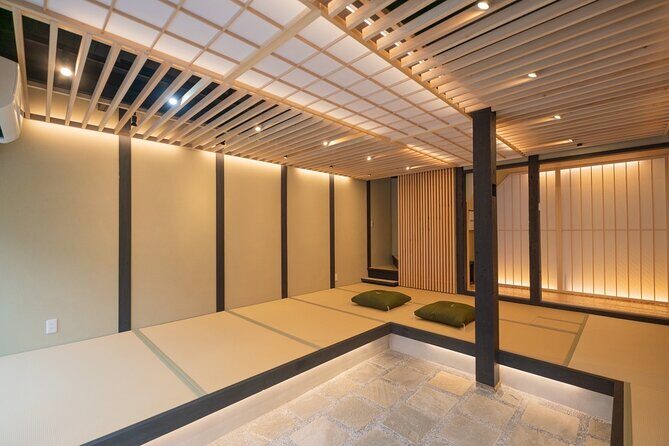
The experience starts with choosing your kimono. You’ll spend roughly 1–1.5 hours getting dressed, plus simple hairstyling. This part is the gateway to everything that comes after, so it’s worth treating it like part of the show—not just a prelude.
Here’s what I find appealing about the way this is set up. The kimono rental shop is located right next to the tea ceremony venue. That removes one of the common headaches: you don’t have to carry things around, find another building, or rush across town while your outfit is half-finished.
You’ll also be in the Higashiyama area, near the Kiyomizu-michi bus stop (about a 30-second walk). So if your day includes other stops nearby, this one plugs in smoothly. You’re not staging a major commute just to take part in a single activity.
One practical thought: kimono and hairstyling can be a time commitment, so don’t stack this right after a long tour. If you’re the type who hates being late, build in a buffer before you arrive.
The tea ceremony: matcha, sweets, and what the ritual means
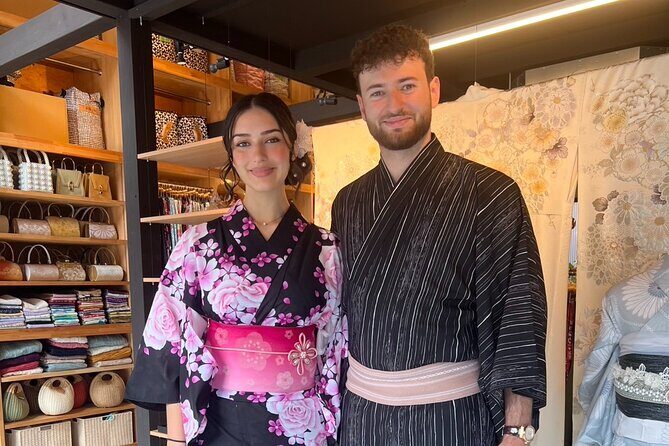
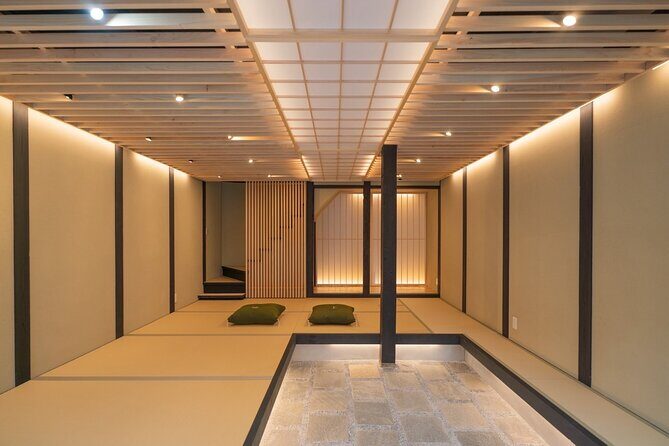
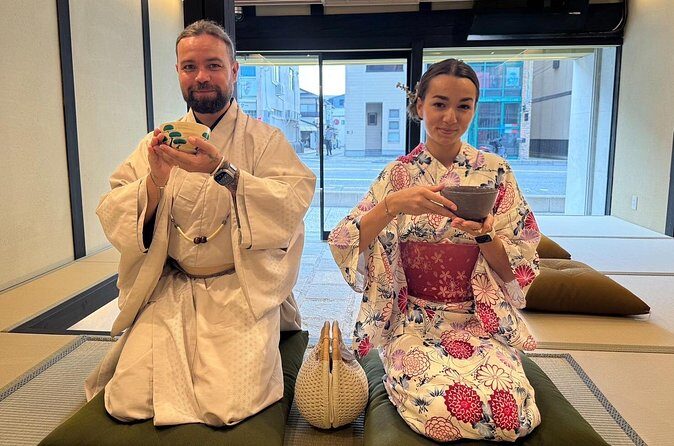
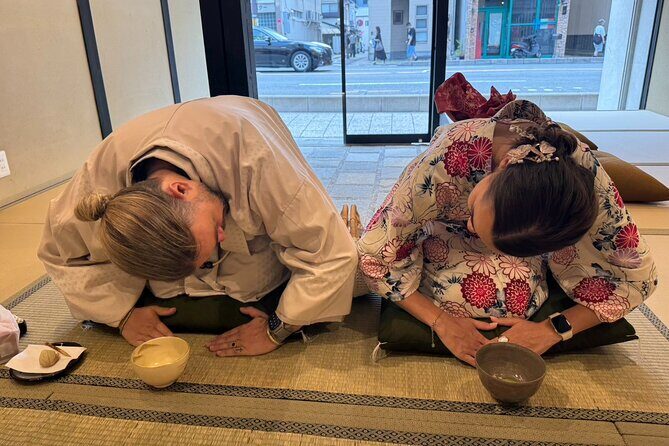
After the kimono portion, you’ll do a 1-hour tea ceremony. This is the heart of the experience. You’ll learn tea culture and the customs around the ceremony, and you’ll enjoy matcha and sweets during the session.
The best tea ceremonies aren’t only about tasting. They’re about understanding the order of movements and the reasons behind them. In reviews, the explanation of history and meaning comes up again and again, and that’s what you want to look for: more than just how to drink matcha, but why this ritual looks the way it does.
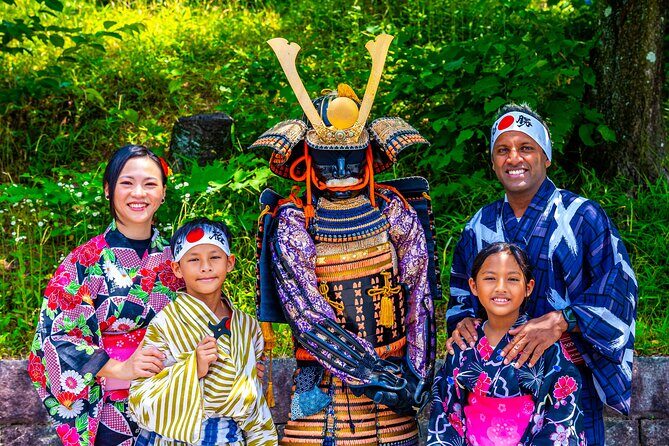
Also, the tone matters. Reviews describe the host as attentive and thoughtful. One review notes that Okada took photos of the group in kimonos, which is a small detail, but it changes your whole experience if you’d rather focus on the moment than scramble for a selfie at the wrong time.
Another useful detail from reviews: the ceremony setting has worked for families, including a 3-year-old, with staff described as kind and patient. That suggests the environment isn’t rigid in a way that ignores real people and real timing.
After the ceremony: wearing your kimono until 6:00 PM
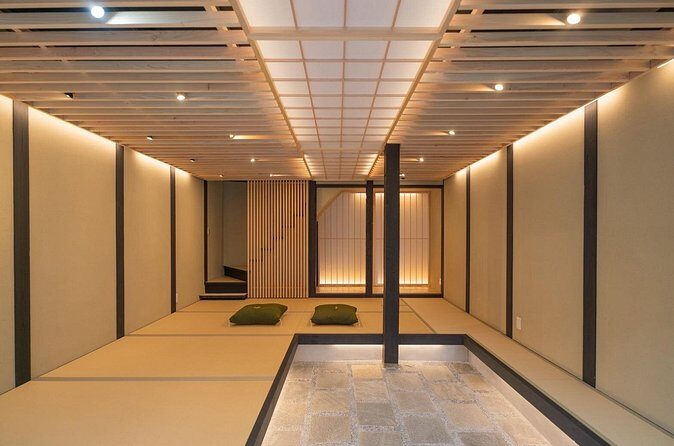
Here’s a big reason this tour feels like more than a short activity. After the ceremony, you can keep your kimono until 6:00 PM to explore and stroll nearby.
That extra time is where value shows up. You’re not just renting a costume for an hour. You’re effectively buying a chunk of Kyoto atmosphere. Higashiyama streets are the kind of place where a kimono helps you slow down, look around, and notice details you might otherwise walk past.
Even if you don’t have a tight sightseeing plan, that end-of-activity window is useful. You can wander at your own speed, stop when something catches your eye, and take photos without feeling like you’re rushing back to the venue before they close.
One consideration: if you plan to do anything that requires hands-free movement or lots of back-and-forth, you’ll want to think through how long you’ll be comfortable. The kimono rental is the point of the experience, but it does mean you’re committing to the outfit for the day portion.
Getting there: the Kiyomizu-michi advantage and the meeting point
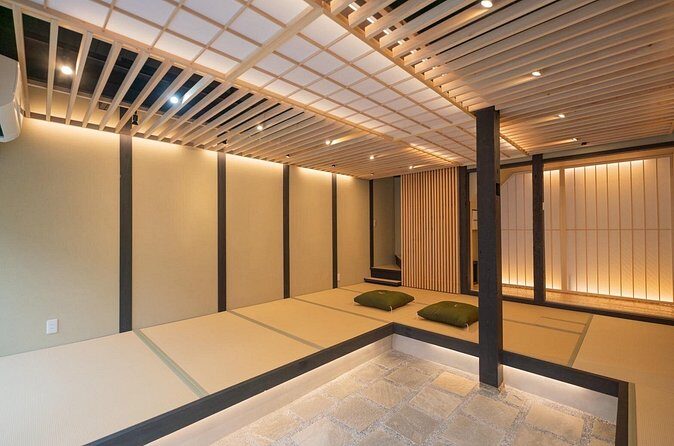
Logistics can make or break a cultural experience. This one helps you out.
You meet at: 岡田-OKADA-102 Tatsumichō, Higashiyama Ward, Kyoto, 605-0855, Japan. The shop is close to public transportation, and specifically it’s about a 30-second walk from the Kiyomizu-michi bus stop. That’s the kind of detail that saves real time, especially if you’re navigating Kyoto with maps and crowds.
The session ends back at the meeting point. So you’re not dealing with “finish somewhere else” confusion. You can continue your day knowing exactly where you’ll be when it’s over.
If you like simple plans, this works. If you prefer to bounce between distant neighborhoods, you may want to group your other stops around Higashiyama.



Price and value: what $84.70 really covers
The price is $84.70 per person, and it’s for the full package: kimono and simple hairstyling, a tea ceremony that includes matcha and sweets, and the option to keep the kimono until 6:00 PM. You also get a mobile ticket, which is a small convenience but a real one in Kyoto.
Is it “cheap”? Probably not. But does it feel like value? For the right kind of traveler, yes.
Here’s why I’d consider it good value: you’re paying for two things that normally cost time and effort separately. Kimono rental alone can be a half-day commitment when you factor in getting ready and finding the place. A tea ceremony alone can be a shorter, more static experience. This combines both in one streamlined setup and adds the extended kimono time afterward.
Also, the maximum group size is 4 travelers, which can make the experience feel more personal rather than rushed. That matters for something like a tea ceremony where explanation and attention are part of the point.
If you’re only interested in a quick matcha sip and don’t care about photos or kimono time, you might find this costs more than you need. But if you want the full Kyoto feeling for a few hours, the structure justifies the price.
Small group size: why it changes the feel
A maximum of 4 travelers is a standout detail. It usually means:
- the host can spend more time answering questions
- the ceremony pacing can stay calmer
- the experience doesn’t feel like a factory line
In reviews, the attention and thoughtfulness come through. When someone is patient with a family that includes a 3-year-old, you can reasonably expect the host understands that people aren’t props. That’s a good sign for anyone who wants the ceremony to be meaningful rather than stressful.
Who should book this, and who should plan differently
This works best for you if:
- you want both culture and a hands-on experience (not just watching)
- you like photos and want help getting them while you’re in kimono
- you’re planning to explore Higashiyama anyway and want the outfit as part of the sightseeing plan
- you prefer smaller groups
It might feel less ideal if:
- you’re short on time and can’t spare a full 2 hours 30 minutes
- you only want one part of the experience (either just the tea or just the kimono), because the package is designed to deliver both
If you’re traveling with kids, the reviews suggest the host has experience with at least one family situation. Just keep expectations realistic: tea ceremonies still follow a set rhythm, and kids have their own rhythm too.
Should you book Okada Tea Ceremony & Kimono?
If your ideal Kyoto day includes dressing up, learning the meaning behind tea culture, and then turning that outfit into real sightseeing time, I’d say yes. The format is efficient: kimono shop right by the venue, tea ceremony that lasts about an hour, and kimono access until 6:00 PM so you’re not stuck only doing the activity and leaving.
One more reason to lean toward booking: this is the kind of experience you remember because it’s sensory and specific. Matcha and sweets aren’t abstract. Kimono fabric and hairstyling aren’t generic. And the small group setup means the ceremony stays more about you than about the schedule.
If you want Kyoto tradition with minimal logistical friction, this is a solid choice.
FAQ
How long is the Kyoto: Okada Tea Ceremony & Kimono experience?
It takes about 2 hours 30 minutes.
What’s included in the tour?
You’ll choose and wear a kimono, receive simple hairstyling, join a 1-hour tea ceremony with matcha and sweets, and you can keep the kimono until 6:00 PM.
Where do I meet, and where does it end?
You meet at 岡田-OKADA-102 Tatsumichō, Higashiyama Ward, Kyoto, 605-0855, Japan. The experience ends back at the meeting point.
How many people are in a group?
The tour has a maximum of 4 travelers.
Is there a mobile ticket?
Yes, this experience uses a mobile ticket.
What is the cancellation policy?
Free cancellation is available. You can cancel up to 24 hours in advance for a full refund, based on the local time of the experience.
If you want, tell me your travel dates and what other Kyoto stops you’re planning, and I’ll suggest a smooth half-day timeline around the 2.5-hour slot.