REVIEW · KYOTO
KYOTO: Tempio Kiyomizu Pagode Gion “Geisya” (Guida Italiana)
Book on GetYourGuide →Operated by Agenzia Turisti Italiani in Giappone · Bookable on GetYourGuide
One good way to read Kyoto is by foot with a plan. This 5-hour Italian-guided route connects the old pilgrimage lanes to Kiyomizu-dera and then down into Gion, with transport and entrance tickets handled for you. I love that the native guide, Omae, shares historical, cultural, and religious details along the way while answering questions in Italian, so it feels like you’re getting the meaning, not just the photos.
You’ll also like the flow: short rides when you need them, then mostly on-foot walking through the streets where the city actually lives. The itinerary is built around classic neighborhoods like Sannenzaka, Ninenzaka, and Gion, ending in Pontocho, so you get a satisfying arc instead of random stops. The only real drawback is simple: the tour is Italian only, so if you need another language to feel fully confident, plan accordingly.
If you’re okay with that, this is a very practical way to see the symbolic spots with less stress and more context.
In This Review
- Key highlights you’ll feel right away
- Kyoto Station Start: Finding the Meeting Spot Without Stress
- Bus + Timing: How the 15-Minute Transfer Sets You Up
- Walking the Ancient Route to Kiyomizu-dera
- Sannenzaka + Ninenzaka: Old Streets, Snacks, and a Slow Tempo
- Gion With an Italian Explanation: Culture in Motion
- Passing Kyōto Minami-za and Reaching Pontocho
- Price and Value: What $117 Really Buys You
- Who This Tour Fits Best (and Who Might Prefer Something Else)
- The Guide Factor: Why Omae’s Style Matters
- Practical Advice Before You Go
- Should You Book This Italian-Language Kiyomizu-dera and Gion Tour?
- FAQ
- What language is the guide?
- How long is the tour?
- Where do we meet at Kyoto Station?
- Does the price include transport and entrance tickets?
- Is it a small group tour or individual?
- Is there free cancellation?
- Is the tour wheelchair accessible?
Key highlights you’ll feel right away
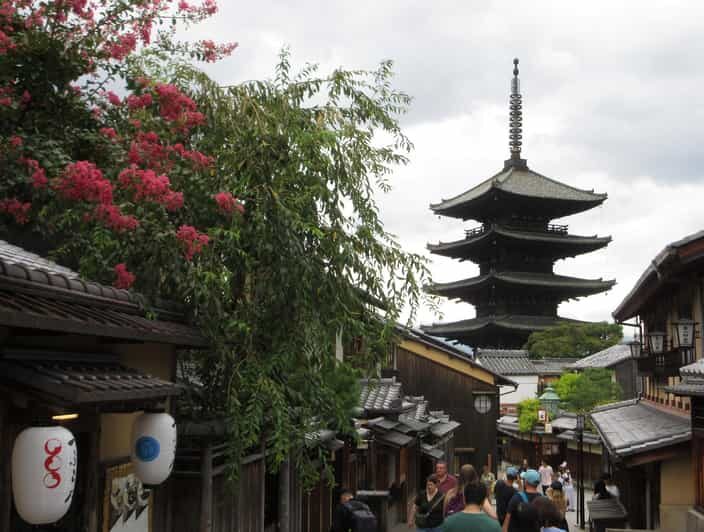
- Italian-native guidance with Q&A so the story stays clear
- Kiyomizu-dera + Gion covered in one smooth 5-hour walking route
- Transport and entrance tickets included in the $117 price
- Flexible pacing on request, as far as possible
- Support during the itinerary, if you need help along the way
- Ends in Pontocho, a great spot to keep the evening going
Kyoto Station Start: Finding the Meeting Spot Without Stress
The tour kicks off at Kyoto Station, North Entry (Karasuma-Guchi). I like that they tell you the meeting point with enough precision to reduce the usual Kyoto chaos of escalators, platforms, and “wait here?” moments.
Meet in the open space between the four escalators in front of the cab (not bus) terminal, toward the east just outside the central north entrance. From that exact spot, you can spot Kyoto Tower in front of the station at the top left (not right). That little landmark matters because it gives you a quick visual check before you join the group.
Also worth noting: you’ll get an email the day before with confirmation and details. That’s a small thing, but it helps you get your bearings fast, especially if this is your first time using Kyoto Station.
You can also read our reviews of more tours and experiences in Kyoto.

Bus + Timing: How the 15-Minute Transfer Sets You Up
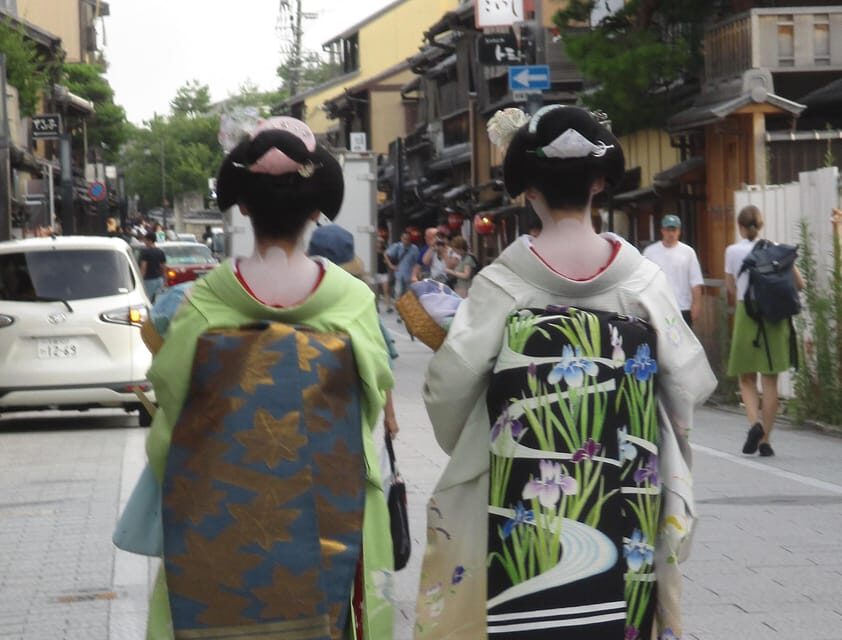
Right after meeting, you hop on a bus/coach for about 15 minutes. This is a smart choice in a city where walking distances can stretch if you’re also trying to orient yourself. Instead of immediately burning energy, you arrive with your legs ready for the walking parts that matter most.
The whole experience is paced for a 5-hour outing. That means you won’t feel trapped in a long “sit and listen” format. You’ll move between highlights, with short strolls that keep you close to the street-level Kyoto vibe—shops, sweets, and cafe stops—without turning the day into an endurance test.
Walking the Ancient Route to Kiyomizu-dera
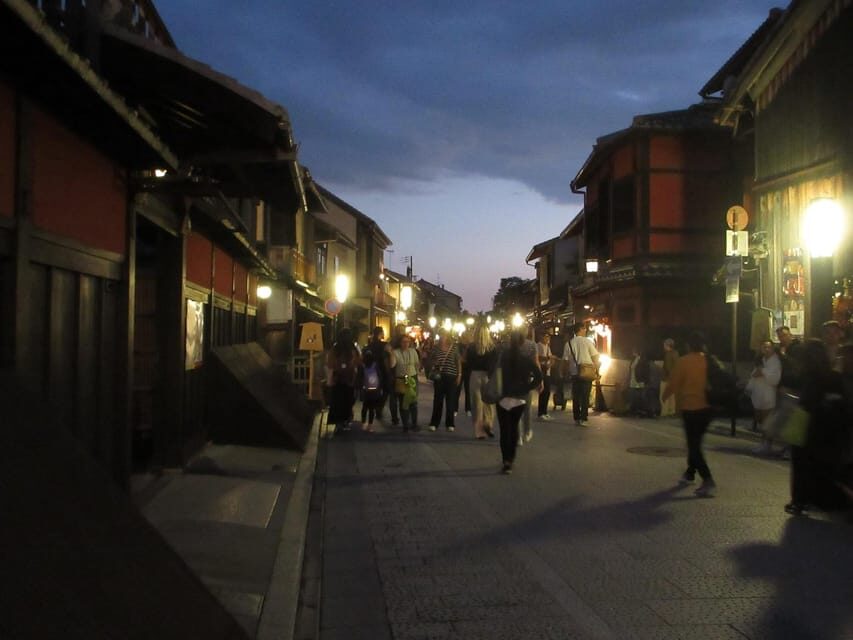
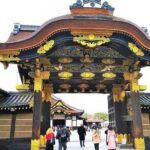
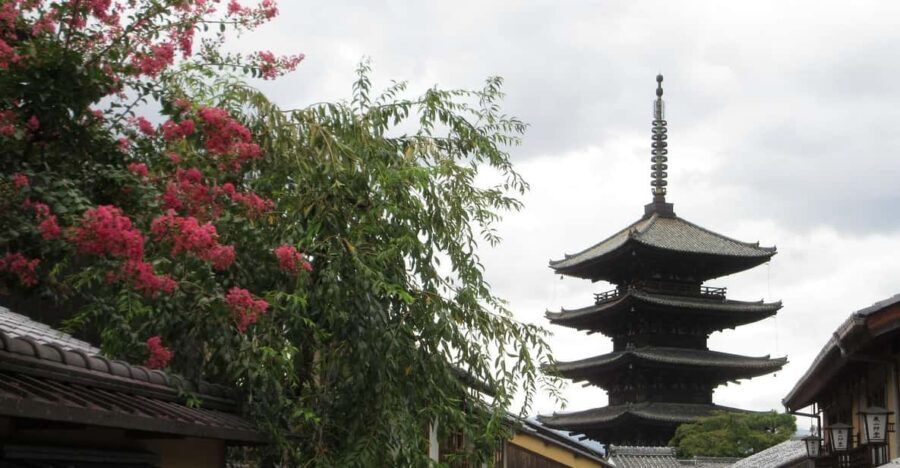
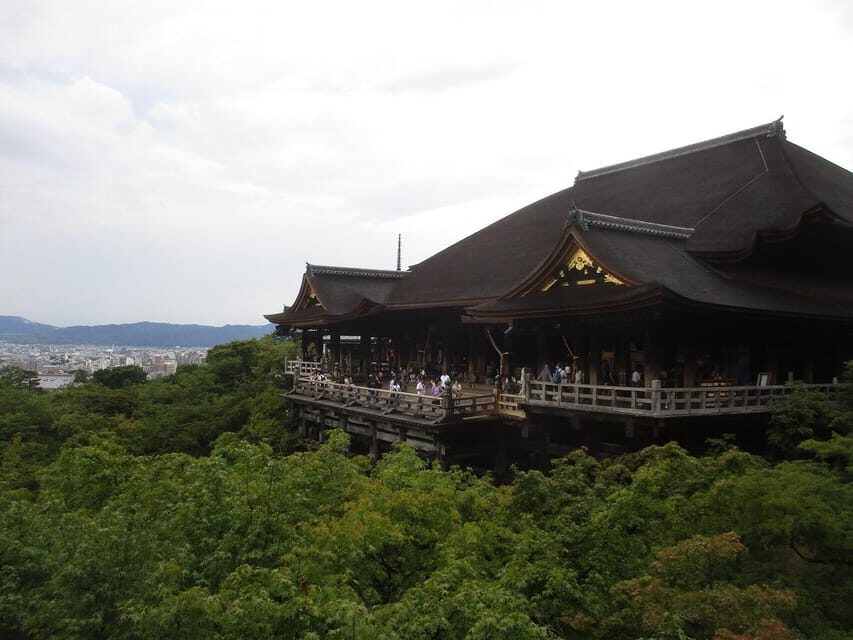
Kiyomizu-dera is the first major stop, with a visit and guided tour that lasts about 1 hour. This is the heart of the experience: a Buddhist temple visit framed by the older pilgrimage routes that developed from the 8th century to the present. Even if you’ve seen temple photos before, walking the approach changes everything because you’re moving through the same kinds of passageways people have used for centuries.
Here’s what I love about having a guide in this section. The route isn’t just a corridor to the destination—you get explanations about the historical, cultural, and religious details along the way. You’re also able to ask questions in Italian, which can be surprisingly clarifying when you want to understand what you’re looking at rather than guessing.
If you’re the type who likes to know what a place represents, not only what it looks like, this part delivers. The guide’s job here is to connect the walking path to meaning, so the experience feels intentional.
Sannenzaka + Ninenzaka: Old Streets, Snacks, and a Slow Tempo
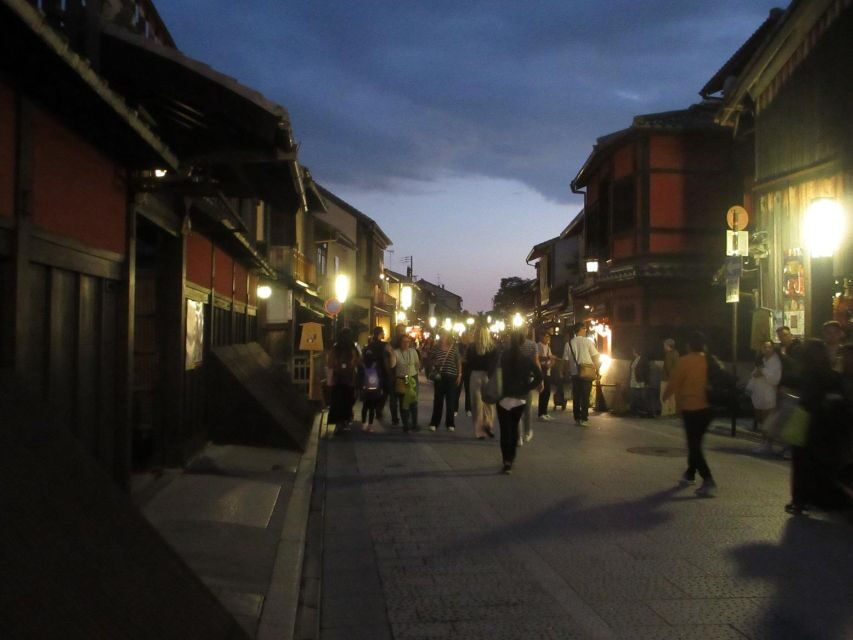
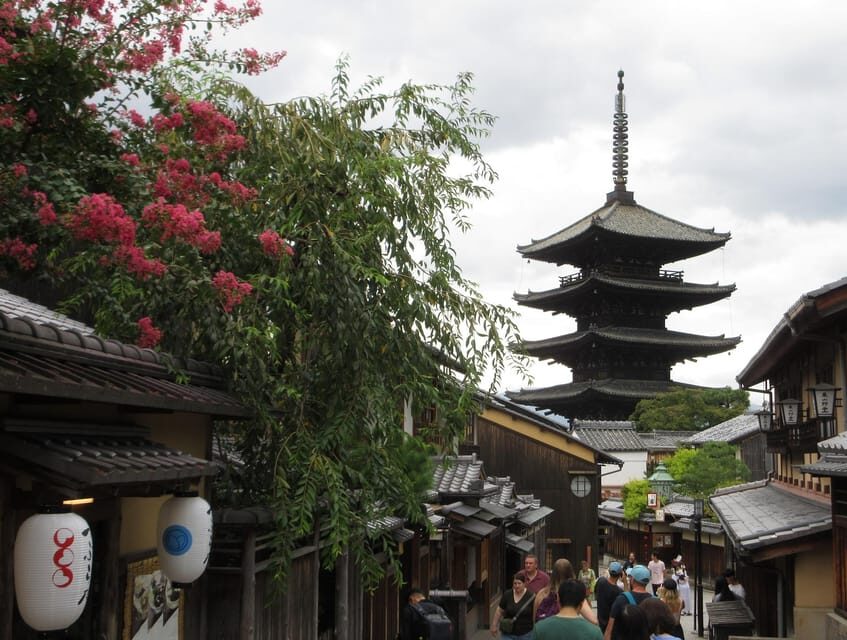
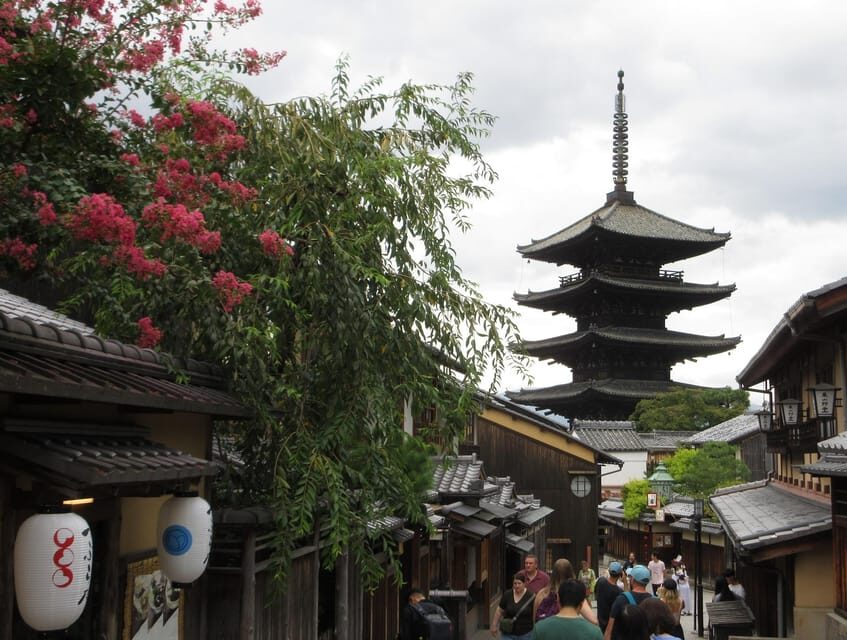
After Kiyomizu-dera, you step onto the famous hillside lanes that many visitors recognize right away: Sannenzaka and Ninenzaka. You’ll pass Sannenzaka on foot for about 3 minutes, then continue to Ninenzaka with another short walking segment (about 2 minutes), and then a longer on-foot stretch of about 15 minutes toward the next district.
These stops matter because they show Kyoto at street level. You’ll be surrounded by souvenir shops and sweet stores, plus cafes where you can take a breather. The pacing here is gentle: it’s short enough that you don’t feel like you’re missing the “main event,” but long enough to slow down and actually notice what’s around you.
A practical tip: wear shoes you trust. This is a walking tour with multiple segments on foot, and even when times look short on paper, you still need comfortable footing for uneven surfaces and steady foot traffic. If you prefer taking long pauses for photos, keep your expectations realistic—this is a guided route with a set flow, even if the guide can adjust timing as much as possible.
Gion With an Italian Explanation: Culture in Motion
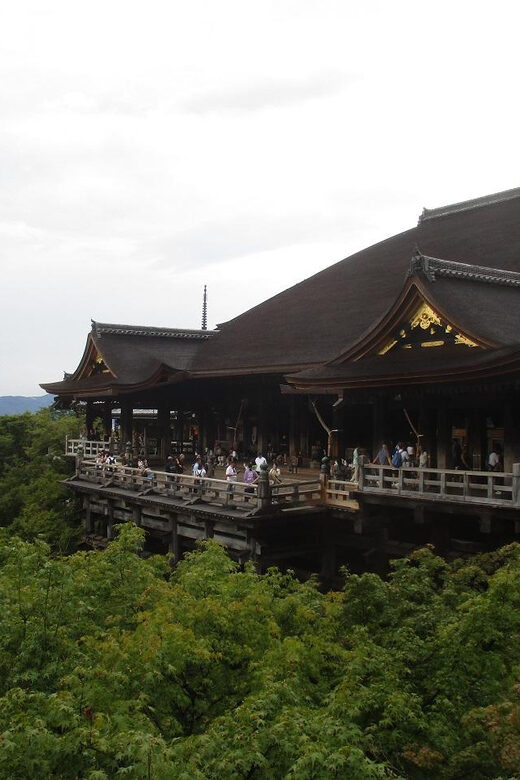
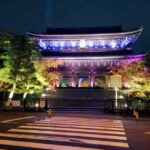
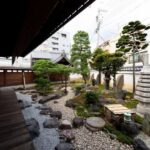
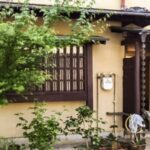
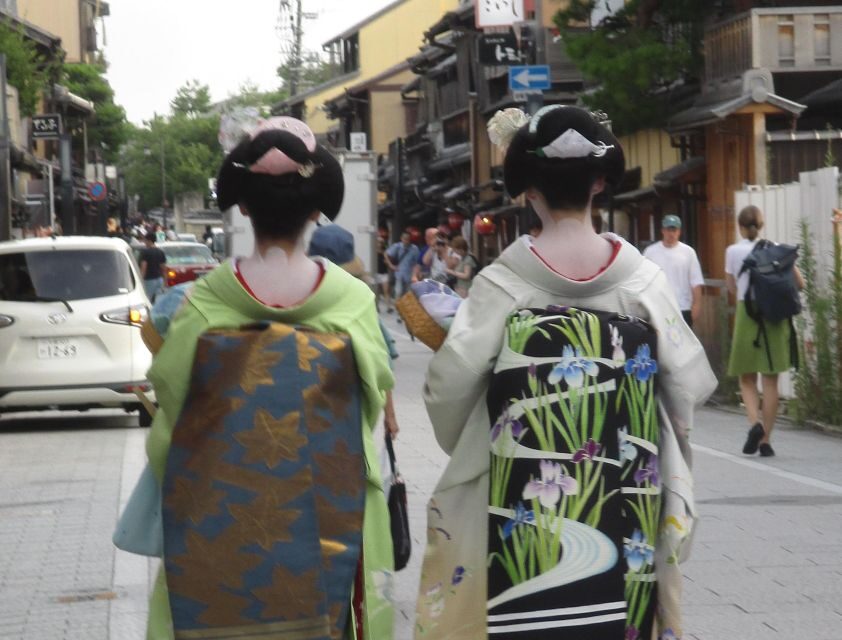
Next up is Gion, visited for about 30 minutes with guided sightseeing. Gion isn’t presented here as a checklist of sights. Instead, it’s part of the story arc from the temple area into one of Kyoto’s most recognizable districts.
The value of the guide in this section is that you’re not just walking through pretty streets—you’re hearing context tied to what you’re seeing. You also get real-time answers to questions in Italian, which is especially helpful in neighborhoods where details can feel subtle or confusing if you don’t know what to look for.
You’ll also have a short on-foot stretch (about 5 minutes) after the Gion segment. This keeps your movement continuous and prevents the tour from feeling like separate islands of time.

Passing Kyōto Minami-za and Reaching Pontocho
You’ll pass by Kyōto Minami-za for about 3 minutes. Then there’s another short on-foot walk of about 3 minutes, and the tour finishes in Pontocho.
Even if you only get a quick look, the “pass by” structure is useful. It gives you a glimpse while protecting the schedule for the more meaningful guided time stops. And finishing in Pontocho is a smart payoff because it’s a classic area to continue on your own after the tour ends.
Think of it like this: the tour gives you the cultural backbone, and Pontocho gives you the freedom to explore the atmosphere at your own pace. You’re not locked into additional guided hours, so you can decide whether you want a final snack, a drink, or just a slow walk through the streets.
Price and Value: What $117 Really Buys You
At $117 per person for about 5 hours, this isn’t the cheapest walking tour you’ll find in Kyoto. But in this case, the price is easier to justify because the tour includes transport and entrance tickets for the monuments scheduled during the itinerary.
That inclusion matters. In Kyoto, ticket costs and getting between areas can add up quickly. When both are folded into one set price, you get less math and fewer surprises. You also get something harder to price: an Italian-speaking native guide who can explain the “why” behind the places you see.
Another value point is flexibility. The itinerary is described as flexible on request as far as possible. That can mean you’re less likely to feel rushed in the moments you care about most. It’s not a blank check to rewrite everything, but it’s a sign they’ll try to adapt within reason.
Finally, there’s the human support element. The tour explicitly includes assistance necessary for tourists during the itinerary. Even without dramatic promises, it usually translates into a smoother experience—help with what to do next, when to move, and how to handle questions on the fly.
Who This Tour Fits Best (and Who Might Prefer Something Else)
This tour fits best if you:
- Want an organized way to see Kiyomizu-dera and Gion in a single day
- Prefer learning context, especially historical, cultural, and religious details
- Are comfortable with a guide who speaks only Italian
- Appreciate practical pacing with both bus transfer time and walking time
It might be less ideal if you:
- Need English or another language to understand explanations deeply
- Prefer lots of free time that’s not tied to a guided route
- Dislike structured itineraries and timed stops, even if flexible adjustments are possible
The Guide Factor: Why Omae’s Style Matters
One of the biggest strengths here is the guide’s on-the-ground approach. The tour info emphasizes a native guide for Kyoto and Italian explanations along the way. In real terms, that’s what turns this from a “walk past stuff” route into a meaningful visit.
From the feedback, Omae is consistently described as friendly, lively, and accurate in the explanations. The praise isn’t only about friendliness; it’s also about being prepared and able to answer questions. That matters because temple and district visits can raise a lot of curiosity fast—small details, rules of etiquette, and cultural meanings that you might otherwise miss.
If you take Italian seriously enough to follow, you’ll likely appreciate that the guide uses the language properly and stays consistent. If you’re only on a basic level, you might still enjoy the visuals, but your understanding of the details could depend on how comfortable you are with Italian.
Practical Advice Before You Go
A few things will make your day smoother:
- Plan for multiple walking segments on foot, including hillside streets and busy approach areas.
- Keep water handy and expect to see souvenir and sweet shops along the route.
- Bring an outlet for curiosity: ask questions during stops. The guide is there to answer.
- If you want extra time in one neighborhood, request it early. Flexibility is possible, but it’s easier to adjust when the schedule is still open.
This is a tour where small decisions matter: if you try to sprint ahead for photos, you’ll miss the explanations. If you walk with the group and listen, you’ll likely feel like the day flows.
Should You Book This Italian-Language Kiyomizu-dera and Gion Tour?
I’d book it if you want a well-paced, guided route that reduces planning stress while still giving you street-level Kyoto time. The combination of Italian native guidance, included transport, and included entrance tickets makes the $117 price easier to swallow. And finishing in Pontocho is a nice way to transition from guided learning to independent wandering.
I wouldn’t book it if Italian is a problem for you. A tour like this lives or dies by comprehension, and the key selling point is the Italian explanations and Q&A. If you need another language, you’ll enjoy the sights but you may not get the full value of what you paid for.
If your goal is simple—see Kiyomizu-dera, walk the classic lanes, understand what you’re looking at, then enjoy Gion and Pontocho—this is a strong, practical choice.
FAQ
What language is the guide?
The tour is in Italian.
How long is the tour?
The duration is 5 hours.
Where do we meet at Kyoto Station?
Meet at the space between the four escalators in front of the cab (not bus) terminal, toward the east just outside the central north entrance of Kyoto Station.
Does the price include transport and entrance tickets?
Yes. The price includes the scheduled transport and the entrance tickets for the monuments visited.
Is it a small group tour or individual?
It can be a group or individual tour, and in both cases you’ll be accompanied by an Italian-speaking guide.
Is there free cancellation?
Yes. You can cancel up to 24 hours in advance for a full refund.
Is the tour wheelchair accessible?
Yes, the tour is wheelchair accessible.