REVIEW · KYOTO
Kyoto Tour by Car from Kyoto Osaka Kobe
Book on Viator →Operated by Mitsuyuki · Bookable on Viator
Car days beat Kyoto rush every time. This private Kyoto tour connects five major sights in one air-conditioned route, so you spend less time bouncing around and more time actually looking. A driver-guide keeps the day moving with clear explanations and flexible pacing, including the kind of photo-ready viewpoints that make temple mornings feel easy instead of rushed.
I especially like the mix of styles: temple gardens, the Golden Pavilion, a castle interior, and that famous torii tunnel walk at Fushimi Inari. The only real drawback is the budget side: admission tickets are not included, and the tour notes additional costs like parking and expressway fees.
Key highlights at a glance
- Private group for up to 6 with pickup offered
- Air-conditioned comfort that makes an all-day sightseeing circuit realistic
- Flexible route timing based on your interests and energy
- Top Kyoto icons, tightly organized so you’re not constantly reorganizing transit
- Admission and driving extras add up (parking, expressways, lunch, and tickets)
In This Review
- Why a Car Tour Works for Kyoto’s Temple Circuit
- Meet Mitsuyuki: The Driver-Guide Style That Shapes Your Day
- Tenryu-ji Temple: Bamboo-Region Calm and Garden Time
- Kinkakuji Golden Pavilion: How to Get the Most from 50 Minutes
- Nijo Castle in One Hour: Palace Interiors and Artistic Details
- Kiyomizu-dera: Veranda Views and the Best Use of an Hour
- Fushimi Inari-taisha: The Torii Tunnel Stop That Stays Fun
- Price and Logistics: What You’re Really Paying For
- Timing Tips for an 8 to 10 Hour Day
- Should You Book This Kyoto by Car Tour?
- FAQ
- How long is the Kyoto Tour by Car?
- What’s the group size limit for this private tour?
- What is included in the price?
- What is not included?
- Which sites are visited during the tour?
- Is admission included for all stops?
- Is pickup available?
- What’s the cancellation policy?
Why a Car Tour Works for Kyoto’s Temple Circuit
Kyoto can feel like a puzzle made of neighborhoods. The sights are famous, but the distances between them add up fast—especially if you’re juggling buses, trains, taxis, and transfer time. A car-based day means you get to stay in the rhythm of sightseeing instead of planning it.
This is also a big comfort win. You’re in air-conditioned comfort for the long stretches, and you can regroup between stops without feeling like you’re losing the day. That matters on hot days. One group specifically called out how nice it was to have the car during the heat, and that tracks with how this itinerary is built: it’s a single long day with multiple “walk-and-look” sites.
The “value” angle is simple: one paid vehicle replaces a stack of separate rides, and you’re not paying your attention tax to transit schedules. You’ll still pay for admissions, and you’ll still do walking at the temples. But you do it with a plan that holds together.
Meet Mitsuyuki: The Driver-Guide Style That Shapes Your Day
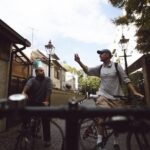
This tour is led by Mitsuyuki (often referred to as Mitsu or Mitsuyuki-san). The pattern in the feedback is consistent: he shows up early, talks you through what you’re seeing, and keeps the day friendly rather than stiff.
Two things stand out in particular:
- He adjusts to your pace. One review noted he can walk quickly, because he wants to cover a lot, but he slows down when you want. That’s practical. Kyoto isn’t a theme park where everyone moves at the same speed.
- He’s hands-on with “where to look.” Several comments mention his depth of information at each stop and how well he explained things. That turns a checklist of temples into a day that feels more connected.
There’s also a nice added touch: he’s known as a capable photographer for groups. If you’ve ever tried to get a family photo at a busy shrine with a shaky phone, you’ll understand why that’s a real quality-of-life bonus.
One note to consider: the car may feel snug depending on your group. A comment called out that the vehicle felt small for six Americans, and suggested that four people would be more comfortable. If you’re traveling with the full group size, plan to be a little flexible about spacing.
You can also read our reviews of more tours and experiences in Kyoto.


Tenryu-ji Temple: Bamboo-Region Calm and Garden Time
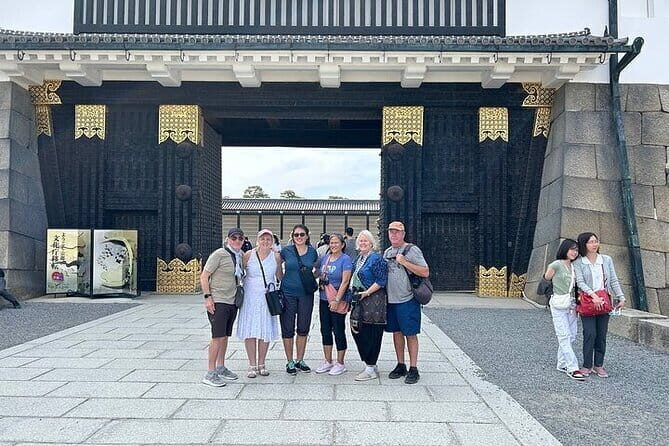
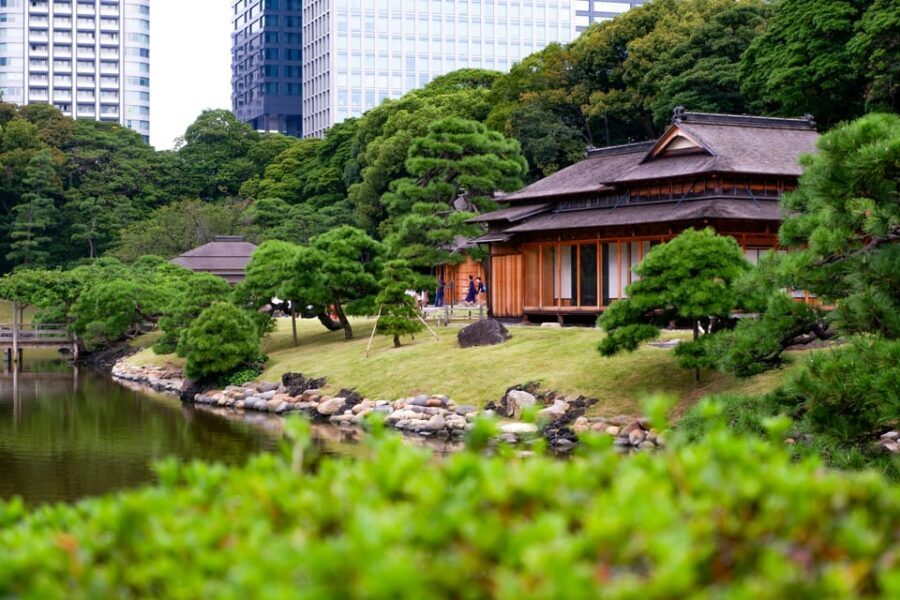
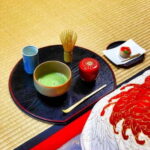
Your first stop is Tenryu-ji Temple, with about 30 minutes scheduled. This is a smart opener. You start with a setting that feels slower and more grounded than the busier crowds later in the day.
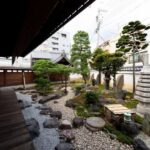
Tenryu-ji is known here for its garden. You can view the garden and, if you want, you can enter temple buildings as well. That optional building time is helpful because it lets you choose your level of “inside exploring” right at the beginning.
The main thing to know: 30 minutes is not “wander forever” time. It’s enough to take in the garden thoughtfully, grab a few photos, and decide whether you want to step into any buildings. If you’re the type who likes to read details and sit for a minute, you might want to lean into the garden portion and skip optional detours.
Kinkakuji Golden Pavilion: How to Get the Most from 50 Minutes
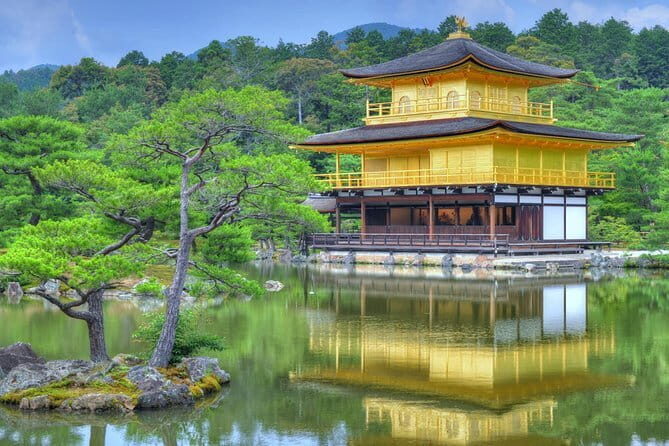
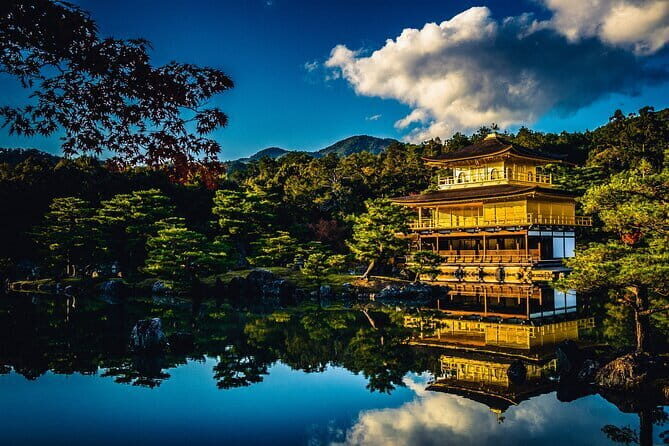
Next up: Kinkakuji Temple (Golden Pavilion) for about 50 minutes. If Tenryu-ji sets the mood, Kinkakuji is the big visual payoff.
This stop is built around seeing the golden pavilion in the temple’s garden. In practice, that means you’ll want to watch not just the building, but the garden framing it. From the outside, it can be easy to treat it like a single photo moment. With a guide, you’re more likely to understand what you’re looking at as you move through viewpoints.
Fifty minutes gives you breathing room. You can do the “look fast and photograph” approach, or you can take a slower route and catch different angles. Because admission is not included in the tour price, it’s worth factoring the ticket cost into your expectations so you’re not surprised when you get there.
Nijo Castle in One Hour: Palace Interiors and Artistic Details
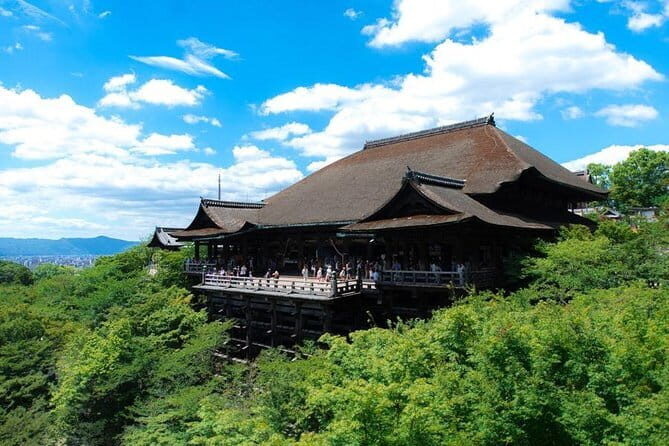
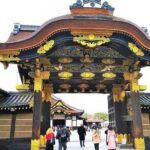
After the pavilion, you head to Nijo Castle for about 1 hour. This is the stop that changes the pace from outdoor views to interior atmosphere.
The emphasis here is on entering the palace and seeing the artistic works inside. That makes Nijo feel different from the temple trio. It’s less about one iconic exterior photo and more about how space and decoration work together.
One hour is a good planning unit for castles like this because you don’t just want to walk through. You want to look at ceiling and wall details, and you need a moment to absorb the feel of rooms. If you’re traveling with kids or anyone who gets restless indoors, you can still enjoy it—just focus on the “why it matters” points your guide highlights and keep moving.
Admission fees apply here too, so again: budget those tickets.
Kiyomizu-dera: Veranda Views and the Best Use of an Hour
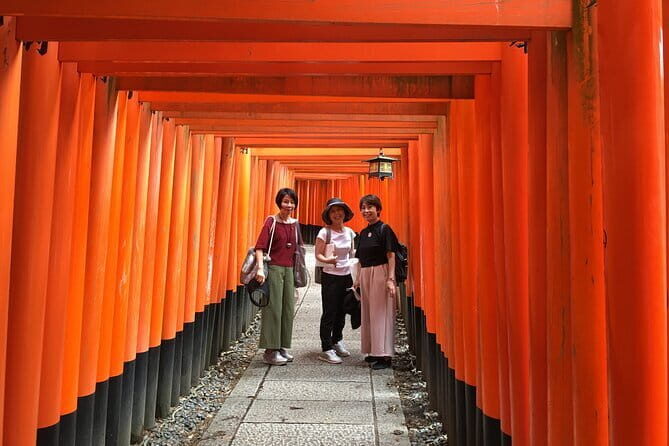
Then it’s Kiyomizu-dera Temple for about 1 hour. Kiyomizu-dera is famous for its buildings and its panoramic viewpoint, especially from the veranda.
This is the stop where you’ll feel the day’s walking energy. You’re not just looking from one spot. You’ll likely move around to find viewpoints and take in the temple structures. If you’re sensitive to stairs or crowded sidewalks, wear supportive shoes and keep an eye on your energy level. The car helps, but the site still requires your legs.
If you want the best payoff from your time, treat the veranda area as the anchor. Everything else becomes supporting content. Spend enough time up top to enjoy the view, then move through buildings with a lighter pace.
Admission is not included here, so factor that cost in with your other sites.
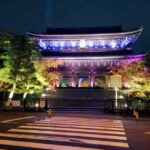

Fushimi Inari-taisha: The Torii Tunnel Stop That Stays Fun
Your final stop is Fushimi Inari-taisha Shrine for about 50 minutes. This is one of the easiest stops to love because the “walk” is the attraction.
You’ll go through a tunnel of many orange torii gates. The itinerary gives you enough time to do the classic loop-like experience at a relaxed pace. Also, good news: admission is free for this stop, so it’s the one site where you can feel more in control of your budget.
At Fushimi Inari, I’d prioritize three practical things:
- Start moving early in your 50-minute window so you’re not stuck behind a slow-moving bottleneck.
- Take photos, but don’t let the camera pause your sense of progression through the gates.
- If you’re tired, you can still enjoy the “tunnel feeling” without pushing too far deep into the shrine paths.
This stop is the perfect landing for the day because it’s lively, iconic, and still easy to enjoy even if you’ve been walking since morning.
Price and Logistics: What You’re Really Paying For
The price is $312.73 per group (up to 6), and it’s typically booked about 77 days in advance. That advance booking habit makes sense: Kyoto’s peak seasons and limited pickup windows can fill up.
What’s included is clear: guiding fees, the cost of the car, and gasoline. That’s the core value. You’re not just buying seats to hop between temples. You’re paying for an organized, human-led route that reduces decision fatigue and saves time.
What’s not included is where you need to plan. The tour notes:
- Parking fees and expressway fees
- Lunch for you and the guide
- Admission fees listed as ¥25,000 per booking
That last line is the one that often surprises people, because “admission not included” can sound small until you add up multiple temples and castle. With this itinerary, the ticket budget is part of the reality. Think of it like this: your paid tour price buys the ride and guidance; your ticket budget buys the right to enter and experience what makes each site special.
Finally, consider the car size. One review flagged that the vehicle can feel small for six adults. If you want maximum comfort, you may prefer a group closer to four people, or you should be ready for tighter seating.
Timing Tips for an 8 to 10 Hour Day
The day runs about 8 to 10 hours. That range matters. In Kyoto, “about” usually means your actual day depends on crowds, walking speed, and how long you choose to stay at each stop.
A few practical tips that match how the tour operates:
- If you love gardens and viewpoints, tell your guide early so time is allocated without feeling rushed.
- If you prefer interiors (like Nijo Castle), plan to move at a steady pace so you don’t lose time at outdoor photo stops.
- You’ll walk at every major temple. Keep your shoes comfortable, and bring water even if you plan to buy something later.
Because the tour is flexible, your best move is to share what you want most: “more time at Kiyomizu-dera,” “extra garden time,” or “faster through halls.” That flexibility is one reason this format works better than rigid group buses.
Should You Book This Kyoto by Car Tour?
Book it if you want a private, structured Kyoto day without the stress of juggling routes. It’s a good match for couples, families, and small groups who value comfort and clear guidance. If you like the idea of hitting multiple top Kyoto icons in one long day—and you’re willing to budget for admissions—this is a strong, efficient option.
Skip or rethink if:
- You’re allergic to extra costs and prefer tours where admissions are fully included (this one is not).
- Your group is exactly six people and you’re very sensitive about vehicle space.
- You prefer a fully free-form itinerary with self-directed transit and no guide input.
If your priority is getting the highlights done well, with a friendly guide-driver and an air-conditioned ride tying everything together, this is the kind of day that feels like it stays fun even when Kyoto is busy.
FAQ
How long is the Kyoto Tour by Car?
The tour lasts about 8 to 10 hours.
What’s the group size limit for this private tour?
It’s a private tour for your group, up to 6 people.
What is included in the price?
The price includes the guiding fee, the cost of the car, and gasoline.
What is not included?
Parking fees, expressway fees, lunch for you and the guide, and admission fees are not included. The tour notes admission fees of ¥25,000 per booking.
Which sites are visited during the tour?
The tour includes Tenryu-ji Temple, Kinkakuji Temple, Nijo Castle, Kiyomizu-dera Temple, and Fushimi Inari-taisha Shrine.
Is admission included for all stops?
Admission is not included for Tenryu-ji, Kinkakuji, Nijo Castle, and Kiyomizu-dera. Fushimi Inari-taisha is listed as free.
Is pickup available?
Pickup is offered. The experience is described as coming from Kyoto, Osaka, or Kobe.
What’s the cancellation policy?
There is free cancellation. You can cancel up to 24 hours in advance for a full refund. If canceled due to poor weather, you’ll be offered a different date or a full refund.