REVIEW · KYOTO
KYOTO: Tour guidato tra i tesori della città (in italiano)
Book on GetYourGuide →Operated by Agenzia Turisti Italiani in Giappone · Bookable on GetYourGuide
Kyoto makes more sense with a local guide. You get a native Kyoto guide who explains what you’re seeing and why it mattered, with clear Italian and lots of real context about daily life. I especially like the mix of iconic sights—Kinkaku-ji and the Sagano Bamboo Forest—plus the quieter human details behind them; one potential drawback is that the pace is tight, so you’ll want good shoes and a calm attitude about buses, trains, and short walks.
This is a smart, first-time-friendly way to cover northwest Kyoto up to the historic eastern streets in one loop. You start at Kyoto Station and end in Pontocho, with enough flexibility that you can leave partway through if you need a breather. Because entrance fees and transportation are included, the value is real—just don’t expect long, slow temple wandering all day.
In This Review
- Key points before you go
- Starting at Kyoto Station: your easy meeting point
- Sagano Bamboo Forest: walking the calm rhythm
- Kinkaku-ji Golden Pagoda: how context changes the photos
- Getting back to Kyoto Station: the smart break for lunch
- Kiyomizu-dera and the old streets: Sannenzaka and Ninenzaka
- Gion-kobu and Geiko/Maiko area: where art meets everyday life
- Pontocho finish: leaving the tour with options
- The native Italian guide: why the storytelling is the point
- Price and value: what you pay and what you get
- Who this tour fits best (and who should adjust expectations)
- Should you book this Kyoto highlights tour?
- FAQ
- Where is the meeting point for the tour?
- What language is the tour guide?
- How long is the tour?
- What does the tour include?
- Where does the tour end?
- Is the tour wheelchair accessible?
Key points before you go
- Italian-speaking native Kyoto guide who answers questions and connects sites to how people lived
- Sagano Bamboo Forest + guided walking for a full feel, not just a photo stop
- Kinkaku-ji visit with context beyond the Golden Pagoda postcard look
- Old-street sections around Kiyomizu-dera (Sannenzaka and Ninenzaka) built into the route
- Gion-kobu and Geiko/Maiko workplace area plus a quick stop at Kyōto Minami-za on the way to Pontocho
Starting at Kyoto Station: your easy meeting point
If you’re new to Kyoto, the biggest stress is figuring out where to start. This tour keeps it simple: you meet at Kyoto Station’s North Entrance, at the space between the two escalators in front of the taxi terminal (east just outside the central entrance). From that spot, you can even spot Kyoto Tower to the upper left, which helps when you’re scanning the station.
The tour also gives you detailed meeting-point info by email the day before. That matters more than it sounds in Japan, where small platform and entrance details can cost you time. The tour’s base at Kyoto Station is also practical because it’s connected to so many lines—so you can get there without complicated transfers.
One more useful detail: the tour is wheelchair accessible. You’ll still be doing walking segments on foot between sights, so if you use a wheelchair, bring your patience and consider whether you’ll need to sit or pause more often than the average visitor. The route is designed to work as a group day out, not a private car plan.
You can also read our reviews of more tours and experiences in Kyoto.



Sagano Bamboo Forest: walking the calm rhythm
Sagano Bamboo Forest is the kind of place where you can immediately feel why people come. On this tour you don’t just pass by—you spend about an hour there, with a guided component and time to walk at your own pace within the area.
What makes this stop valuable isn’t only the scenery. It’s the way the guide uses it to explain Kyoto’s preserved environment and how the city’s older areas shaped daily life for people with different roles—think aristocrats and the warrior class in historical imagination. Even when you’re focused on the green walls of bamboo, your guide can steer your attention to details you’d otherwise miss.
Here’s the practical side: bamboo areas can be busy, especially when tour groups arrive. If you’re sensitive to crowds, you’ll appreciate that your time is planned, so you’re less likely to waste time waiting around deciding what to do next. Bring a light layer; mornings and shaded paths can feel cooler than Kyoto’s sunlit streets.
Kinkaku-ji Golden Pagoda: how context changes the photos
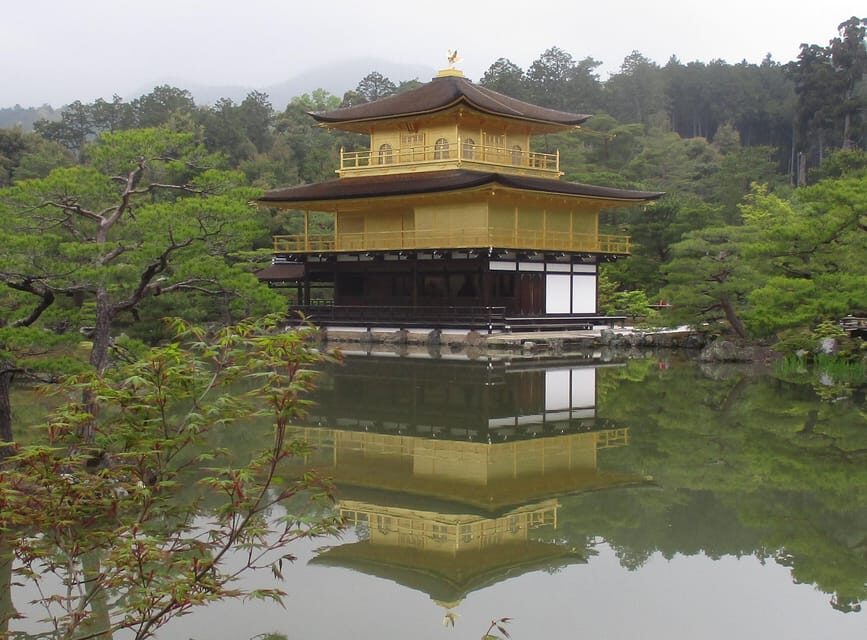
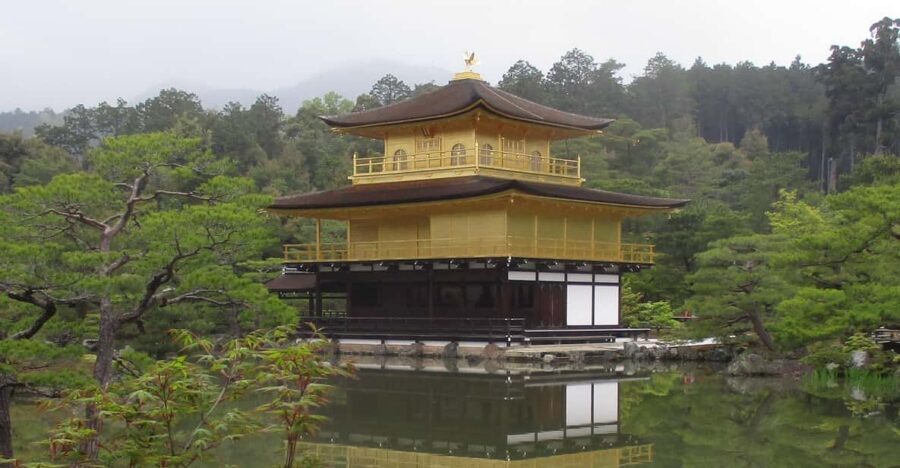
Kinkaku-ji—the Golden Pagoda—is a must, but the difference between a quick look and a guided visit is huge. You’ll have around an hour for Kinkaku-ji with guided tour and sightseeing time. That’s long enough to see the main views and still hear the story behind what you’re looking at.
The guide is the real value here. Instead of treating Kinkaku-ji as a standalone icon, you learn how it connects to Kyoto as a historical capital—why places like this were built, valued, and preserved, and how they fit into the lives of people tied to power, culture, and religion.
Possible drawback: because the day is structured and you’re moving from place to place using train and bus, you won’t have an unlimited amount of time to linger at every angle. If you’re the type who wants to sit and sketch for an hour, this might feel a bit time-managed. But if you like understanding first and photographing second, the timing here works well.
Getting back to Kyoto Station: the smart break for lunch
After Sagano and Kinkaku-ji, you head back toward Kyoto Station with transport in the middle of the day. There’s a built-in break time of about an hour at Kyoto Station. That’s one of the best features of the itinerary: you get a reset before the Higashiyama area and Gion.
Use this time to eat without rushing. Kyoto Station is set up for exactly this kind of pause. You can grab something quick, refill water, and regroup before the remaining sightseeing on foot. Also, because the tour ends later in Pontocho, this lunch break helps you avoid turning the afternoon into one long sprint.
Logistically, you’ll appreciate the mix of transport modes earlier—train, bus/coach, and later subway/metro. It keeps the route flexible and helps you avoid the trap of spending your day stuck in the same kind of travel bottleneck.
Kiyomizu-dera and the old streets: Sannenzaka and Ninenzaka
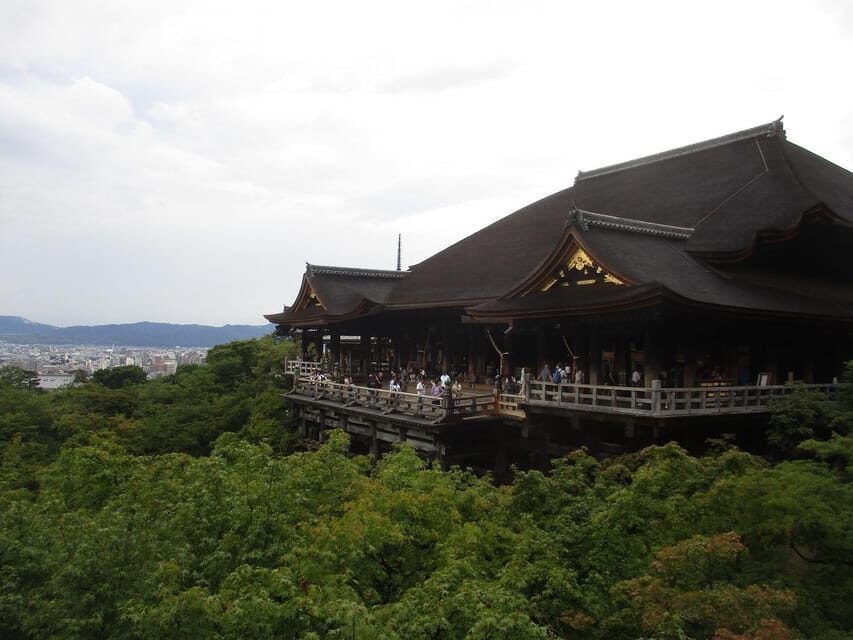
In the afternoon, the tour moves to Kiyomizu-dera for about an hour, then continues into the old-street neighborhoods around it. You’ll visit Sannenzaka and Ninenzaka, with short guided stops and walking segments afterward.
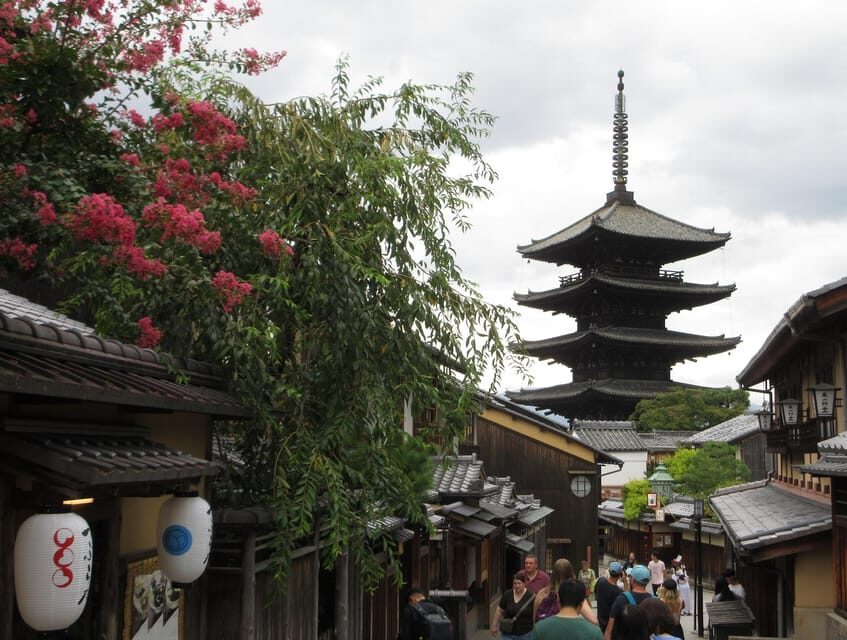
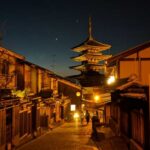
These streets are where Kyoto feels like Kyoto in a way photos can’t fully capture. They’re built for slow wandering—small lanes, traditional atmosphere, and the feeling of stepping into older city life. With the guide’s narration, you’re not just walking through a photo set. You’re getting a human timeline: how Kyoto’s past roles and social layers shaped the streets, the temples, and the way people moved around the city.
A practical note: the route includes several on-foot sections and short transitions. You’ll want comfortable shoes, especially if you’ve been touring since morning. Also, if it’s hot or rainy, you’ll feel it more on the street segments than inside temple compounds. Planning breaks and water becomes part of the experience, not an afterthought.



Gion-kobu and Geiko/Maiko area: where art meets everyday life
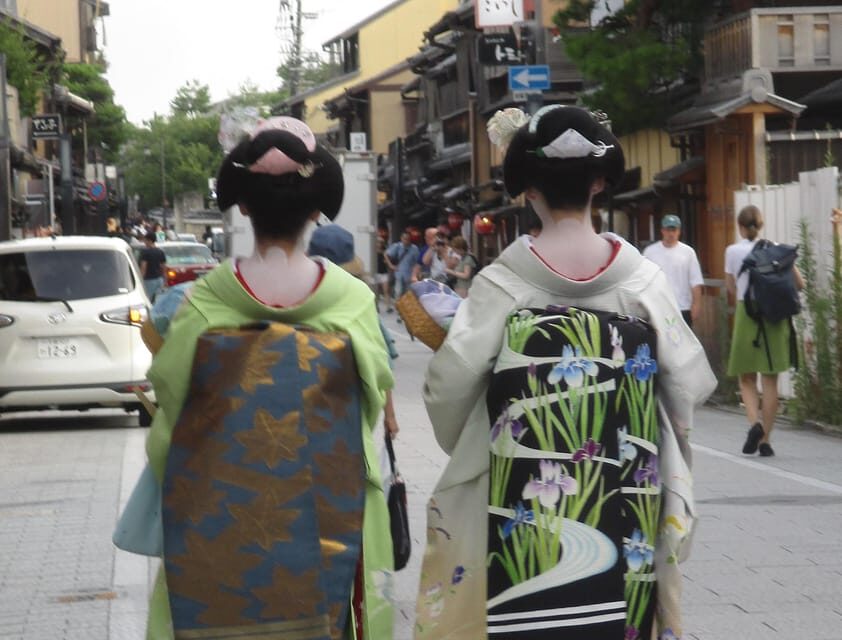
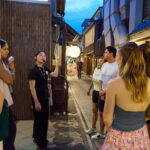
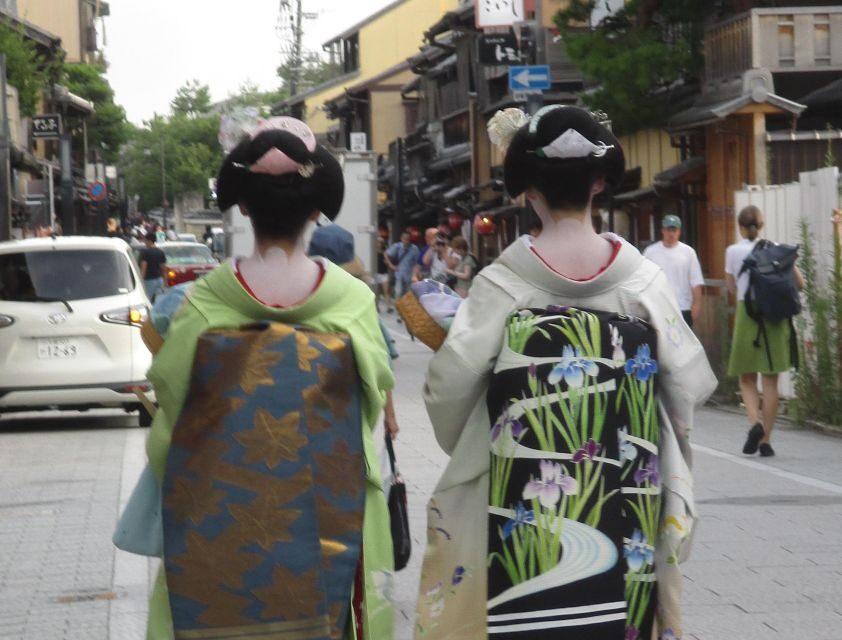
The tour then heads into Gion-kobu, including time to sightsee with the guide. Gion is famous for its geiko and maiko culture, and the area often gets referred to with the older phrasing Geisya. On this stop, you’re not only looking at scenery—you’re learning what these professional artists’ workplaces represent in Kyoto’s social fabric.
You’ll have around 30 minutes in the Gion area. That’s enough for a guided orientation: where the historic neighborhoods sit, what the area is known for, and how it links to the city’s role as a cultural capital. If you’ve ever wondered why Kyoto feels different from Tokyo, this kind of street-level explanation is a big part of the answer.
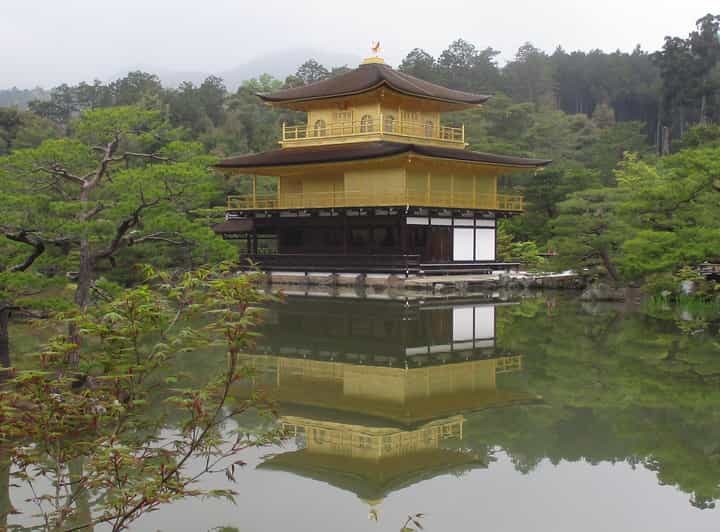
Then there’s a quick, short stop at Kyōto Minami-za. It’s brief by design (just a few minutes), so don’t expect a full deep-ticket style visit. Think of it as a window into how Kyoto’s older cultural life continues to show up in public spaces.
Pontocho finish: leaving the tour with options
The tour finishes in Pontocho. This is a great ending because Pontocho is the kind of place you can extend your evening without needing to change plans from scratch. It’s also where the itinerary’s flexibility becomes useful: the tour ends there, and you’re free to leave partway through if you want.
That flexibility matters for two kinds of travelers. First, if you get temple fatigue, you can peel off without feeling you’re breaking a strict schedule. Second, if you find one area that clicks for you—maybe the old streets near Kiyomizu-dera or the mood of Gion—you can spend more time without waiting for the rest of the group to finish.
Practical tip: because you’re moving from guided blocks to your own time, it’s smart to note your priorities early. I’d pick one “photography anchor” and one “food anchor” for the afternoon and evening. That way, you’re not making decisions when you’re already tired.
The native Italian guide: why the storytelling is the point
The best part of this tour is the guide. You’ll be with an accompanied Italian-speaking guide, described as a native Kyoto guide who answers questions. That means you can ask why something looks the way it does, what a tradition is connected to, or how daily life differed for different classes in historical Kyoto.
From the feedback, the guide’s Italian is strong and the explanations come with detail, plus a friendly vibe. That combination matters. When you understand the role of an area—like the preserved environment concept around the temples and the neighborhoods tied to older social life—you start noticing the “small stuff” that usually passes by.
Here’s how to get the most out of that: don’t keep your questions for the end. Ask one early, then another when you see something that sparks curiosity. A good guide will connect later stops back to earlier stories, and you’ll feel the day turning into one coherent narrative rather than a list of landmarks.
Price and value: what you pay and what you get
At about $153 per person for this half-day-style itinerary, the value depends on how you like to travel. If you prefer having transportation and entry tickets handled, this price looks more reasonable. Entrance fees are included, and all the transport between stops is included during the itinerary, which saves you time and planning.
What you’re buying is not just access—it’s organization. You get a clear route that covers key Kyoto areas: Sagano Bamboo Forest, Kinkaku-ji, Kiyomizu-dera, Sannenzaka, Ninenzaka, Gion-kobu, and a brief stop at Kyōto Minami-za, finishing in Pontocho. For many visitors, that’s the difference between a satisfying Kyoto day and one that turns into rushed scavenger hunts.
Possible consideration: because it’s a group experience with scheduled visits, you’re less free to change plans on the fly. If you’re the type who wants to spend 2–3 hours inside one temple area, you may feel constrained by the itinerary flow. If you’re happy moving through Kyoto in guided blocks and using your own time afterward, you’ll likely feel the value.
Who this tour fits best (and who should adjust expectations)
This works especially well for:
- First-timers in Kyoto who want the big-name sights with explanations
- Travelers who like history but also want the human layer: daily life, culture, and social roles
- Anyone visiting with limited time and wanting a logical path rather than route planning
It might not be perfect if:
- You love slow, unstructured temple wandering with lots of quiet time
- You have very limited mobility and need minimal walking (even though the tour is wheelchair accessible, the route includes several on-foot sections)
- You’re traveling with a strict focus on only one neighborhood and want to go deep there
Should you book this Kyoto highlights tour?
If you want a Kyoto day that makes sense—temples, streets, and cultural context tied together—this is an easy yes. The guide’s Italian clarity and the way the tour connects places to how Kyoto functioned historically is what gives this route its staying power. The itinerary is also efficient without feeling purely rushed, thanks to the built-in lunch/reset time at Kyoto Station.
I’d book it if you’re visiting Kyoto for the first time and you’d rather learn as you go than spend half your day figuring out buses and entrances. I wouldn’t book it if you’re chasing long, quiet solo exploration in one area. For a guided highlights loop with real context and a flexible finish in Pontocho, it’s a strong fit.
FAQ
Where is the meeting point for the tour?
You meet at Kyoto Station, North Entrance (Karasuma-guchi), in the space between the two escalators in front of the taxi terminal, just east outside the central entrance to the north of Kyoto Station.
What language is the tour guide?
The tour is in Italian, with an Italian-speaking guide.
How long is the tour?
The full itinerary is about half a day, starting from Kyoto Station and ending at Pontocho. It’s listed as 1 day, but the sightseeing portion is structured like a half-day loop.
What does the tour include?
The tour includes meeting point coordination, an Italian-speaking guide, and all transportation plus entrance fees to the monuments visited during the itinerary.
Where does the tour end?
The tour ends in Pontocho, and you’re free to leave partway through if you want.
Is the tour wheelchair accessible?
Yes, the tour is wheelchair accessible.