REVIEW · KYOTO
Maiko Dance and Tea Ceremony on a Noh Stage in Kyoto
Book on GetYourGuide →Operated by 株式会社くろちく · Bookable on GetYourGuide
A maiko on a Noh stage feels rare. This Kyoto experience pairs a tea ceremony with a graceful dance in an authentic historic Noh theater setting, with English support so you’re not stuck guessing what’s happening. You’ll also get that special close-up moment of interacting with the performer after the performance.
I especially love the way the tea ceremony is handled: you get freshly prepared matcha plus seasonal Japanese sweets, served in a calm, formal space. I also like that you’re not just watching from far away, because you can take photos and chat with the maiko in an intimate atmosphere. The main thing to consider is practical: you’ll participate indoors after removing shoes, so bring the socks you’re asked for and be ready for seated, indoor comfort rather than standing sightseeing.
In This Review
- Key Things I’d Prioritize Here
- Stepping Into Kyoto’s Noh Theater Mood
- Tea Ceremony: Matcha, Seasonal Sweets, and Proper Timing
- The Maiko Dance on a Noh Stage: Elegance With Structure
- Your Close-Up Moment: Photos and Chat With the Maiko
- What’s Included (and Why Those Extras Matter)
- Price and Value: Is $141 Worth It?
- Timing, Arrival, and What to Bring
- Who Should Book This in Kyoto (and Who Might Want to Skip)
- The Bottom Line: Should You Book Maiko Dance and Tea?
- FAQ
- How long does the maiko dance and tea ceremony take?
- Where do I meet for the tour?
- What’s included in the tea ceremony?
- Do I need to bring anything?
- Is there English help during the experience?
- Can I take photos and chat with the maiko?
- What does the price cover?
- What if I need to cancel?
Key Things I’d Prioritize Here
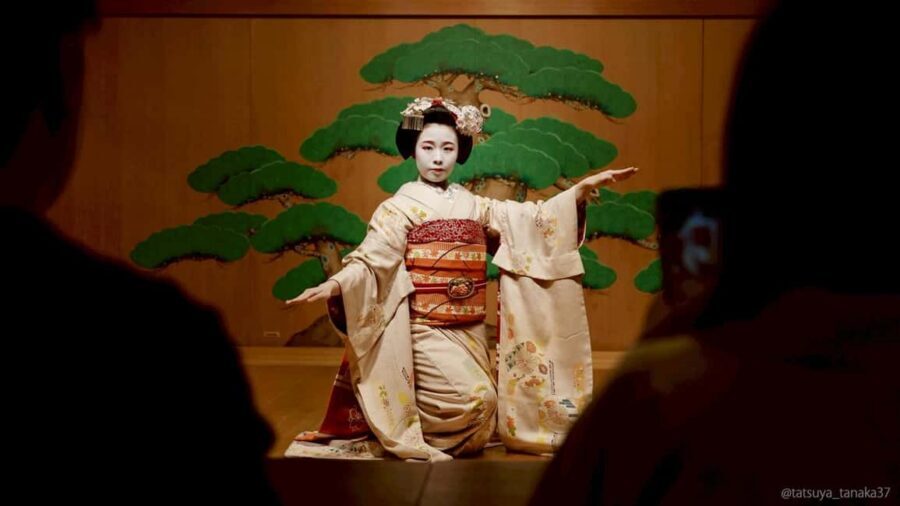
- Noh stage setting: a serious performance space, not a generic room
- Matcha + seasonal sweets: a tea ceremony that also hits your taste buds
- English-speaking help: a guide/interpreter to keep the meaning clear
- Close interaction time: you can take photos and chat with the maiko
- Shoes off indoors: plan for sock comfort and relaxed seating
Stepping Into Kyoto’s Noh Theater Mood
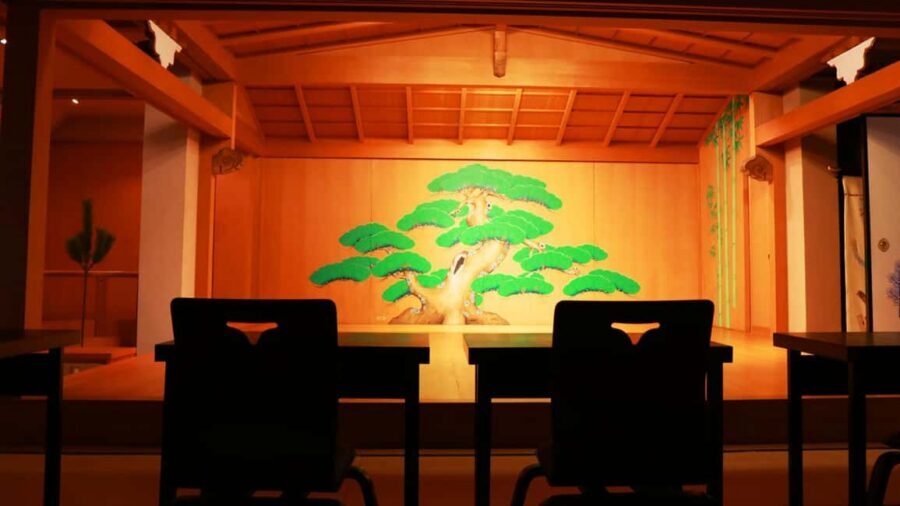
This isn’t the kind of performance where you come in, grab a few photos, and forget the details. The whole point is the atmosphere. You’re seated in a dignified, serene space designed for restrained, meaningful culture—specifically a Noh stage in Kyoto—so the experience feels focused from the start.
The tea ceremony and the dance both use formality as part of the message. In other words, the calm pace isn’t just for drama; it signals respect for the rituals. If you’re the type of traveler who likes learning what you’re seeing (not just ticking a box), this format tends to land really well.
You’ll want to arrive early. You’re instructed to get to the 1st floor reception of Kurochiku Tensho-kan at least 15 minutes before the starting time, and advance reservations are required.
You can also read our reviews of more tours and experiences in Kyoto.


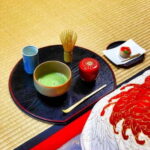
Tea Ceremony: Matcha, Seasonal Sweets, and Proper Timing
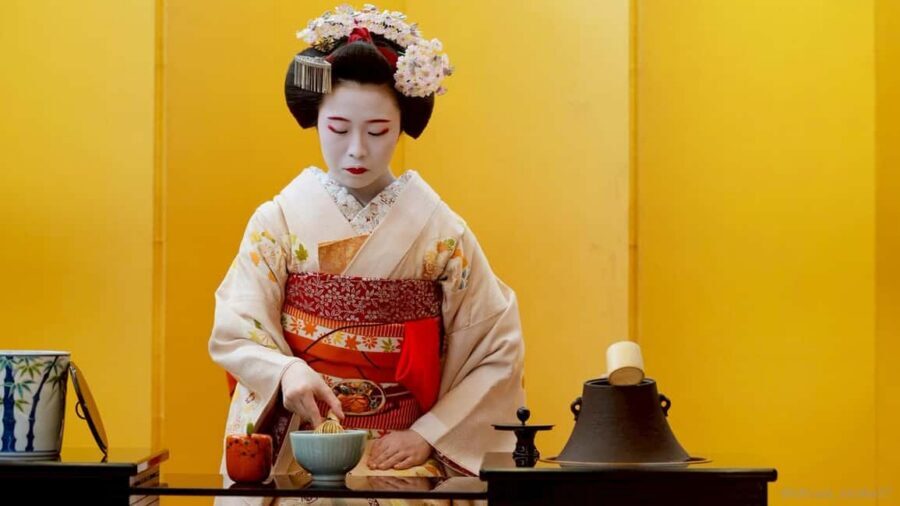
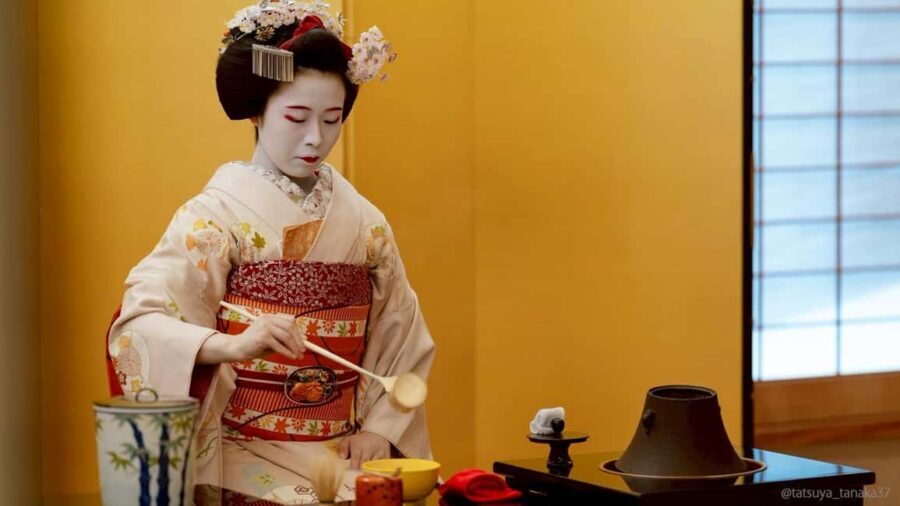
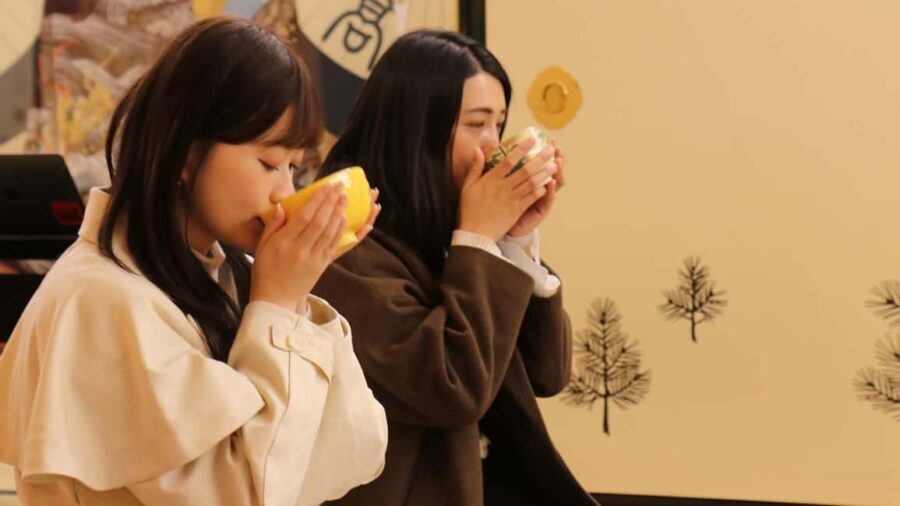
Your first “main event” is the tea ceremony, where a maiko prepares matcha with refined precision. What I like about this setup for real life is that it gives you something sensory right away. You’re not just listening to descriptions; you’re tasting and observing as the ritual unfolds.
Matcha is served with seasonal Japanese sweets. That matters because the pairing changes with the time of year, and sweets in a ceremony setting are chosen to fit the tea moment. Even if you don’t know the formal background of tea culture, you can still appreciate the pacing and the way the flavors sit together.
Expect a guided experience rather than a silent show. There’s a professional English interpreter guide, and the live guide support is listed as English and Japanese. That’s a big deal because tea ceremony movements and explanations can be hard to interpret without context, especially when you’re watching close enough to notice details.
Also, each participant receives a Japanese-patterned handkerchief. It’s a small included touch, but it fits the idea that this is meant to feel personal and thoughtful—not like a generic ticketed activity.
The Maiko Dance on a Noh Stage: Elegance With Structure
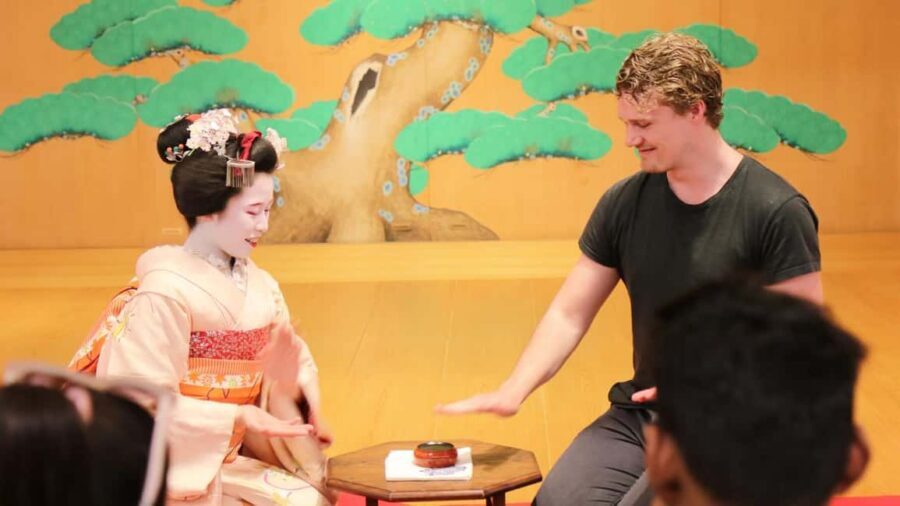
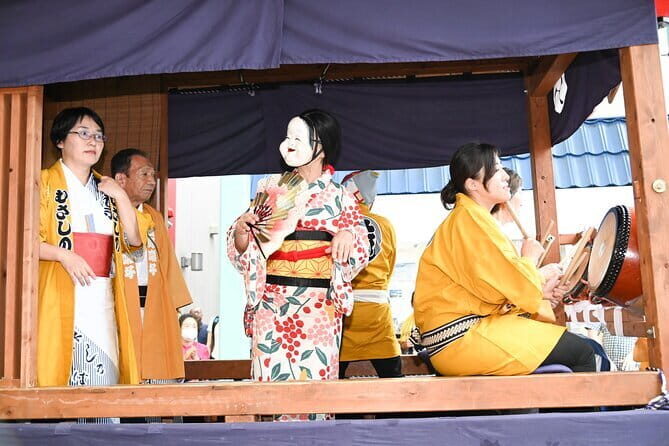
After the tea, you’ll watch the maiko dance performed on a Noh stage. A maiko is an apprentice geisha, and the experience leans into that tradition with a performance that feels controlled, graceful, and intentional. Even if you’ve never seen a maiko dance before, the staging does something helpful: it keeps you anchored in the performance space, so you can focus on what matters.
Noh performance is traditionally about restraint and meaning, not speed and spectacle. You’ll likely notice how posture and movement are part of the communication. The setting reinforces that: a historic Noh theater environment is made for quiet attention, not casual chatter.
The duration is listed as 1 hour to 90 minutes, so the schedule is designed to fit into a compact window. That’s practical in Kyoto, where time often disappears fast. You’ll get a complete cultural arc in one block: tea ritual, dance performance, and then the short interaction time.
Your Close-Up Moment: Photos and Chat With the Maiko
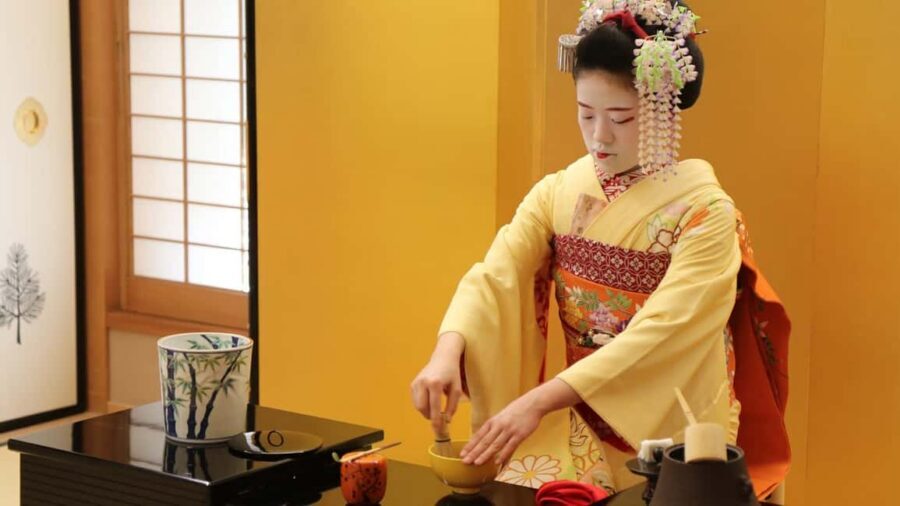
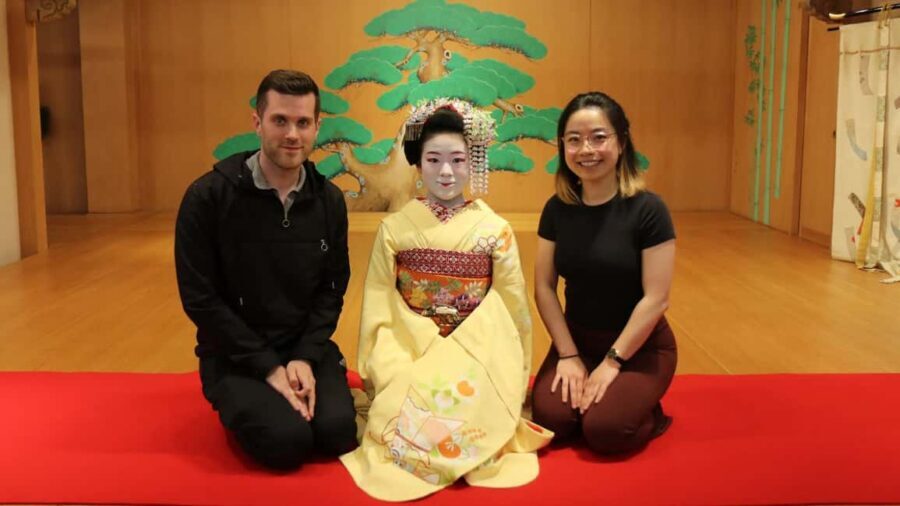
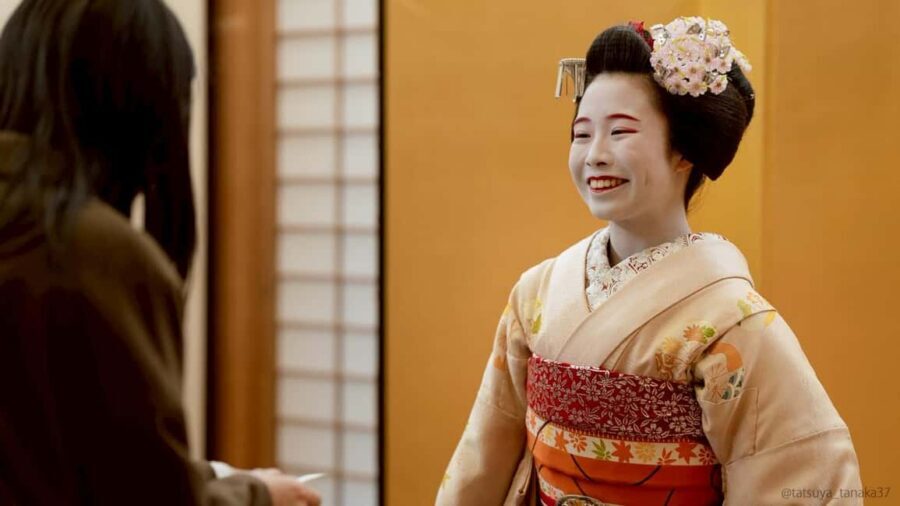
One of the highlights called out clearly is that you can take photos and chat with the maiko in an intimate setting. That’s exactly the kind of experience I look for when I want more than a one-way show.
This part can change how you remember the event. When you have a short conversation and the chance to photograph, you connect a human face and personality to what you watched. It also helps you walk away with a clearer sense of what the ritual means to the performer and to the people who carry it forward.
You should also treat the interaction as part of the overall respectful tone. Since the event is indoors and shoes come off, you’re already in a more ceremonial mode. If you go in with patience and a calm mindset, this interaction will feel more natural and less awkward.
What’s Included (and Why Those Extras Matter)
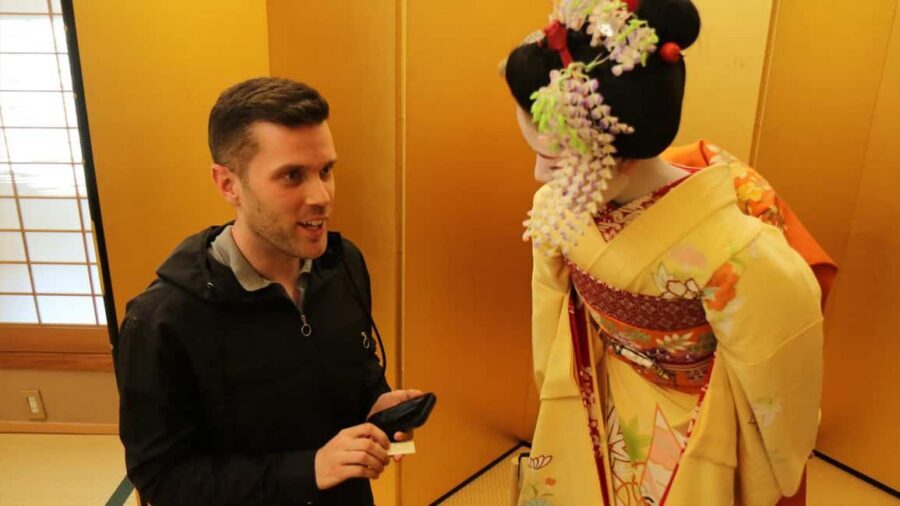
This experience includes the elements that usually cost you extra time, money, or confusion on your own: the right setting, the ritual items, and the language support.
Included items and support:
- Matcha and sweets served during the tea ceremony
- A Japanese-patterned handkerchief for each participant
- A professional English interpreter guide
- The Noh stage in Kyoto
- The maiko dispatch fee
If you’re weighing value, this list is important. Many cultural performances in Kyoto are “show only,” or they require you to figure out tea details before you arrive. Here, your tea moment and your performance moment are both wrapped into a guided package.
The one notable thing not included is private transportation. That’s also pretty normal, but it matters when you’re planning your day. You’ll need to reach Kurochiku Tensho-kan on your own (or via your usual local transport options).




Price and Value: Is $141 Worth It?
At $141 per person, this isn’t a budget add-on. But the price starts to make sense once you consider what’s actually packaged together: tea ceremony serving, seasonal sweets, a Noh stage performance, and the maiko dispatch fee, plus English interpreter support.
Here’s how I’d judge value in plain terms:
- You’re paying for a real cultural format, not a simplified demo.
- You’re paying for language clarity, so you can actually understand what you’re seeing.
- You’re paying for a more up-close experience that includes photo time and chatting, not just watching from a distance.
In Kyoto, you can find cheaper performances. But cheaper often means one of these tradeoffs: less guidance, less authenticity, or no interaction. If English support and that intimate connection matter to you, the cost feels easier to justify.
Timing, Arrival, and What to Bring
This activity runs 1 hour to 90 minutes, depending on the starting time you choose. Plan your day with a buffer, and don’t treat the exact start as a suggestion. You’re asked to arrive at the 1st floor reception of Kurochiku Tensho-kan at least 15 minutes before the start.
What to bring is refreshingly simple: socks. Guests participate indoors after removing their shoes, so socks aren’t optional if you want to be comfortable right away.
Seating is comfortable and arranged so you can relax and enjoy the experience. That’s a practical plus. Cultural shows can sometimes mean stiff chairs or awkward viewing angles, but here the setup is meant to let you focus on the tea and the dance.
Who Should Book This in Kyoto (and Who Might Want to Skip)
This experience is a strong fit if you want:
- A structured cultural ritual in a quiet, respectful setting
- English-speaking support so nothing important gets lost
- A tea ceremony that includes matcha and seasonal sweets
- A chance to interact with the maiko through photos and conversation
It may not be your best match if you’re looking for a fast, loud “Kyoto sightseeing” style experience. Since you’ll be indoors, seated, and participating after removing shoes, it’s more about calm attention than movement and roaming.
Also, because advance reservations are required, you’ll want to book ahead if your dates are fixed.
The Bottom Line: Should You Book Maiko Dance and Tea?
If you care about doing Kyoto culture in a way that feels dignified and explained, I think this is an easy yes. The combination of Noh stage performance, a guided tea ceremony with matcha and sweets, plus English interpreter support and an intimate chat/photo moment makes it feel more complete than many single-format activities.
Book it if you want something you’ll remember for how it felt, not just what you saw. If you’re sensitive to shoeless indoor settings, bring comfortable socks and go in knowing that part is part of the experience. For the right mindset, this is a calm, meaningful hour-or-so with a lot packed into it.
FAQ
How long does the maiko dance and tea ceremony take?
The experience lasts about 1 hour to 90 minutes, depending on the starting time available.
Where do I meet for the tour?
You’ll meet at the 1st floor reception of Kurochiku Tensho-kan. The exact meeting point may vary depending on the option booked.
What’s included in the tea ceremony?
You’ll be served matcha and seasonal Japanese sweets as part of the tea ceremony.
Do I need to bring anything?
Yes. You should bring socks, since you’ll participate indoors after removing your shoes.
Is there English help during the experience?
Yes. There is an English-speaking interpreter guide, and the live tour guide language is listed as English and Japanese.
Can I take photos and chat with the maiko?
Yes. The experience includes time to take photos and chat with the maiko in an intimate setting.
What does the price cover?
The price includes the Noh stage in Kyoto, matcha and sweets, a Japanese-patterned handkerchief, the English interpreter guide, and the maiko dispatch fee.
What if I need to cancel?
You can cancel up to 24 hours in advance for a full refund. If canceled due to insufficient participants or operational reasons, alternative dates or refunds will be provided.