REVIEW · TOKYO
Mt. Fuji Panoramic Ropeway, 5th Station, And Oshino Hakkai Tour
Book on Viator →Operated by Trevopedia Wonders · Bookable on Viator
Fuji days start early, and this one is built for views. You’ll leave Shinjuku at about 8:00am and spend the day chasing Mount Fuji angles you just don’t get from Tokyo. Two things I really liked: the planned ropeway time for photos, and the chance to talk with a tight group instead of touring solo in silence.
My second favorite part is the pacing: you get a break with included lunch and then three focused sightseeing blocks (parks, altitude, and traditional ponds). One drawback to plan around: the plan depends on conditions—queue lines for the ropeway and visibility for Fuji can change your experience fast.
In This Review
- Key takeaways before you go
- Your Fuji day begins in Shinjuku, then stays on a tight loop
- Lake Kawaguchi and the Mount Fuji Panoramic Ropeway: your main photo window
- Oishi Park: the calm break that makes Fuji feel real
- Mt. Fuji 5th Station: altitude, crowds, and the importance of layers
- Oshino Hakkai: ponds, thatched houses, and a slower pace
- Lunch and timing: what the included meal really does for your day
- Price and value: is $119 worth it for this Fuji route?
- The reliability factor: weather and schedule changes are real
- Language expectations and how to get what you want from the guide
- Who this tour fits best (and who should look elsewhere)
- Should you book this Mt. Fuji Panoramic Ropeway, 5th Station, and Oshino Hakkai tour?
- FAQ
- Where do I meet for the tour?
- What time does the tour depart?
- How long is the tour?
- What stops are included in the itinerary?
- Is lunch included?
- Is admission included?
- Do I need to reserve the ropeway in advance?
- What happens if the ropeway is suspended due to weather?
- What if the road to Mt. Fuji 5th Station is closed?
- Are children allowed, and is it free under a certain age?
Key takeaways before you go
- Small group (up to 20) means less waiting around than big buses.
- Ropeway queue on site: you cannot reserve ahead, so buffer time for lines.
- Lunch included, so you’re not hunting for food with tired feet.
- Mt. Fuji 5th Station is the altitude moment, around 2,300 meters (about 7,546 feet).
- Oshino Hakkai is a real slow-walk stop with ponds and thatched-roof homes.
- Weather can reroute or swap activities, including a potential cruise if the ropeway pauses.
Your Fuji day begins in Shinjuku, then stays on a tight loop
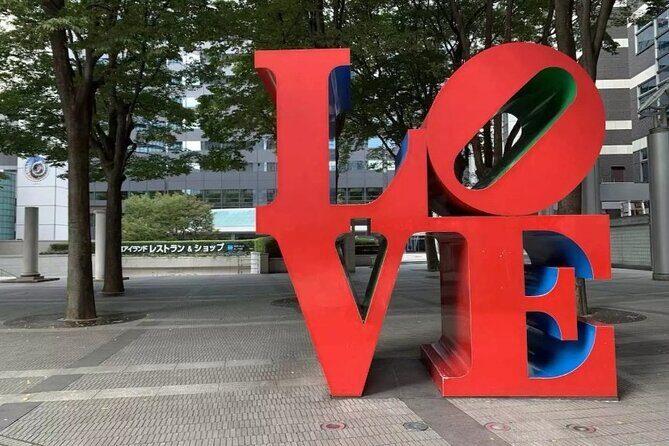
This is a full-day guided trip from Tokyo, priced at $119 per person and typically booked about 48 days ahead. The day runs about 9 to 10 hours, and it’s aimed at giving you more than the common “quick photo and back to the city” approach.
The meeting point is in west Shinjuku, in front of the Robert Indiana sculpture Love statue (Shinjuku Island Tower area). You’re told to arrive about 10 minutes early, and the day’s meeting timing sits around 7:45am with departure around 8:00am.
The group size matters here. With a maximum of 20 people, you should feel like you’re on a shared day trip rather than being lost in a crowd. Also, service language is listed as Chinese/Japanese/English depending on requests, but an English-speaking guide is not guaranteed—so go in prepared for either guidance style.
You can also read our reviews of more tours and experiences in Tokyo.



Lake Kawaguchi and the Mount Fuji Panoramic Ropeway: your main photo window
Lake Kawaguchi is where the scenery first kicks in, and it’s also where you get the biggest Mount Fuji payoff: the Mt. Fuji Panoramic Ropeway time. The itinerary gives you a longer block here (about four hours), which is important because ropeway time isn’t just “sit and ride.”
Two practical things to know. First, the ropeway can’t be reserved in advance and requires queuing on site. That means your best plan is to arrive in good spirits and expect some line time, especially on busy days.
Second, the ropeway experience is tied to weather announcements from authorities. If it’s temporarily suspended due to weather conditions and queues would throw off the schedule, the tour can swap in the Lake Kawaguchi Ensoleille cruise instead. That’s a useful fallback because it keeps you moving rather than stalling the day.
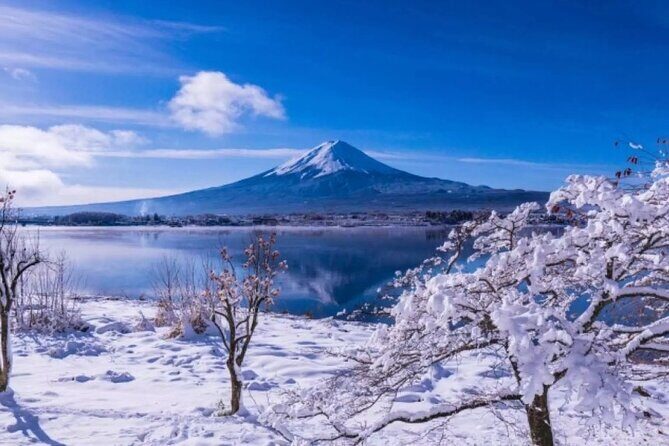
If visibility is good, this is the stop where you’ll get that iconic, framed Mount Fuji view above the lake area—exactly the kind of perspective that feels different from street-level photos.
Oishi Park: the calm break that makes Fuji feel real
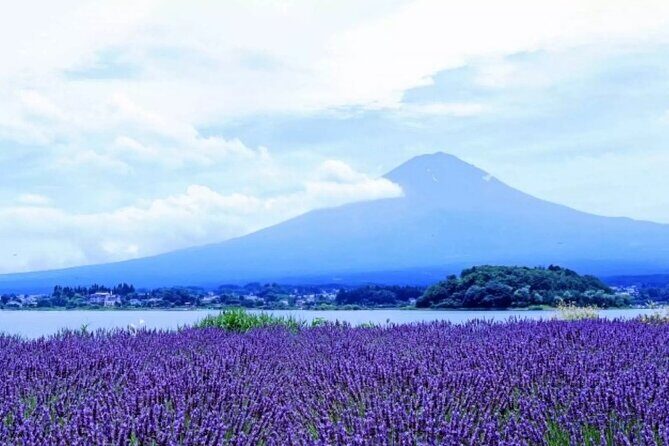
After the first big view stop, you head to Oishi Park, a nearby garden area with famous Mount Fuji views. Your time here is about one hour, and the goal is simple: slow down, enjoy the sightline, and reset before altitude.
Why this stop is worth it in a guided day: the tour gives you a structured pause. You’re not just rushing from one train connection to another; you’re getting a real “stand here and look” segment.
Also, Oishi Park is known for seasonal color (flowers and autumn foliage). The tour notes that weather affects the best viewing period, and it won’t be paused or refunded based on how that season lands during your visit. In plain terms: come with realistic expectations. If the season timing is slightly off, the viewpoint still tends to do the heavy lifting.
Tip for your photos: keep your coat handy and your lens clean. If the air is cool, you’ll likely want a quick layer change, and you don’t want to wipe smudges off after you finally see a clear view.
Mt. Fuji 5th Station: altitude, crowds, and the importance of layers
Next is Mt. Fuji 5th Station (Police Box area), about 2,300 meters above sea level. You’ll have about one hour there, and that’s just enough time to (1) get your bearings, (2) take photos, and (3) decide how you want to walk around.
Here’s the honest expectation: this stop is less about “wandering for hours” and more about soaking up the high-altitude feeling and getting views when the sky cooperates. At this elevation, temperatures can feel much colder than Tokyo, and wind can make it sharper. The tour specifically asks you to bring a coat and wear comfortable clothing, and I strongly agree.
There’s also a contingency plan. If the road to the 5th Station is closed due to unexpected weather or traffic, the itinerary may shift to Kitaguchi Hongu Fuji Sengen Jinja instead. That’s a reminder that Fuji days are weather days, and your best strategy is to stay flexible about what the day looks like.
If you’re trying to avoid disappointment, plan your mindset like this: treat 5th Station as a chance to experience altitude and views, not as a guarantee of peak conditions.
Oshino Hakkai: ponds, thatched houses, and a slower pace
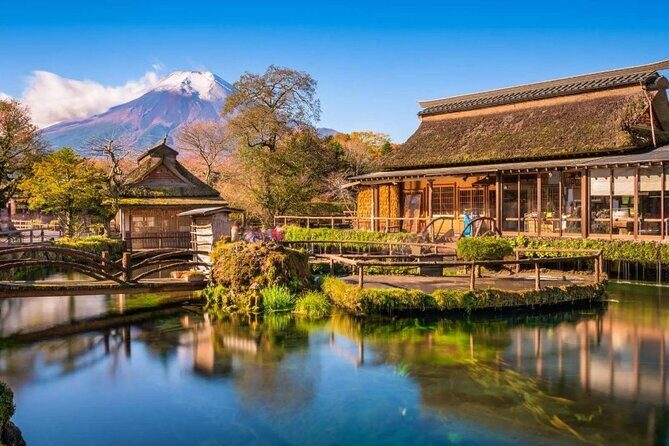
Then you move into Oshino Hakkai, which is all about pristine ponds and traditional houses. The stop is about three hours, which is plenty of time to walk, photograph, and actually slow down.
The big feature is the eight crystal-clear ponds, collectively called Hakkai Springs. This is one of those places where you don’t need high-tech effects to feel something special. The water and the village layout do the work.
Why I like this as the late-day segment: after the concentrated viewpoints (ropeway and park) and the cold altitude stop (5th Station), Oshino Hakkai feels more grounded. Your feet get a break from uphill drama, and the scenery becomes calmer and more human-scale.
It’s also a good place to use your phone camera settings wisely. The lighting can bounce off water, and small changes in angle can make pond reflections look very different. Don’t rush your walk; spend time near the water edges, then step back to get wider village context.






Lunch and timing: what the included meal really does for your day
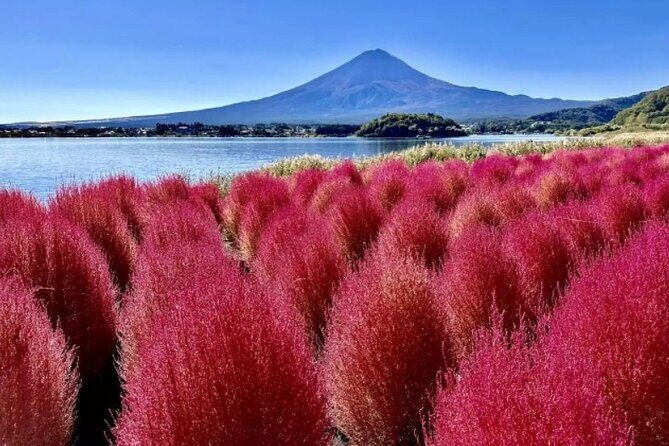
The tour includes lunch, which may sound like a throwaway line—until you spend a full day away from Tokyo. When you’re 1) traveling long hours and 2) dealing with weather variability and queue time, skipping lunch can turn the day into a slow decline.
This included meal also helps keep the group moving. It reduces the chance you lose time scattered across restaurants, and it makes the schedule feel more realistic for a 9 to 10 hour day.
One note: the itinerary has fixed sightseeing blocks, and the time at each attraction can be adjusted if there’s traffic congestion or facility maintenance. The tour doesn’t promise every stop will be exactly the same duration every day. The good part is that they’re signaling this upfront, so you can plan your expectations instead of getting cranky when minutes shift.
Price and value: is $119 worth it for this Fuji route?
Let’s talk value, because $119 is not a tiny add-on in Tokyo.
You’re paying for:
- Round-trip transportation
- Admissions (the itinerary lists admissions as free for each major listed stop)
- Lunch
- A guided plan that strings together Lake Kawaguchi, Oishi Park, Mt. Fuji 5th Station, and Oshino Hakkai in one day
If you tried to replicate this on your own, you’d likely spend time coordinating trains, buses, and local transfers, and you’d still be paying for ropeway/entry costs. Even if you saved some money, you’d pay with planning energy and “wait time tax.”
So the value comes down to your style. If you want a clean, guided structure that maximizes Fuji-region highlights in one go, this price is easier to justify. If you’re the kind of traveler who likes to build your own route and linger in a single spot for hours, you might find self-guided options more flexible.
My advice: treat this as a convenience purchase. You’re buying a planned day with built-in transitions and included food—not just a ride to see Fuji.
The reliability factor: weather and schedule changes are real
I’ll be straight with you. This kind of day trip can go right or can get shaken by conditions.
One of the pieces of feedback in the provided information describes a last-minute cancellation about three days before departure, followed by a refund that arrived too late to book a replacement. That’s the kind of problem you want to take seriously.
Also, the tour is upfront that it requires good weather, and that conditions can affect both the best viewing windows (flowers or autumn foliage) and whether the ropeway runs. If the road to 5th Station closes, the tour may reroute to Kitaguchi Hongu Fuji Sengen Jinja. If the ropeway suspends due to weather, you may get the cruise instead.
So here’s how I’d reduce risk:
- Keep your schedule flexible enough to handle a reroute.
- Don’t schedule anything critical for the same day later in the evening.
- If you’re going during peak seasons, understand that queue lines can be a big factor.
Language expectations and how to get what you want from the guide
This tour lists service availability in Chinese/Japanese/English. You can request an English-speaking guide during booking, but it’s not guaranteed. If you don’t request anything special, the guide may be Chinese-speaking.
What does that mean for you? It means the day is still workable, but your experience may tilt toward general guidance rather than nuanced explanations if an English guide isn’t assigned.
If you care about specific Mount Fuji facts beyond the basics, add your request at booking and keep a few phrases ready for small interactions. Even when language is limited, the structure of the day (where you go and when) usually does the heavy lifting.
Who this tour fits best (and who should look elsewhere)
This is a strong fit if you:
- Want a one-day Mount Fuji region route with minimal planning
- Prefer guided structure and a small group (up to 20)
- Care about photo angles from the ropeway and want a park stop and a village stop too
It may be less ideal if you:
- Hate any day-trip uncertainty, especially around weather and queues
- Want to spend a long time hiking or doing deep exploration at one location
- Are the type who needs the day to run on a hair-thin schedule no matter what
Should you book this Mt. Fuji Panoramic Ropeway, 5th Station, and Oshino Hakkai tour?
I’d book it if you want the “highlights in one day” Mount Fuji approach and you’re okay with the reality that visibility and queues can affect the experience. The best part is how the day is built: ropeway photo time at Lake Kawaguchi, a viewpoint reset at Oishi Park, a cold-weather altitude hit at 5th Station, and then a calmer, scenic village walk at Oshino Hakkai.
I’d pause and think twice if your itinerary is rigid or if you can’t risk a last-minute schedule wobble. A Fuji day can be magical, but it can also be weather-dependent—and the information provided includes at least one example where timing didn’t work out.
If your schedule has some cushion, this tour is a practical way to see multiple Mount Fuji-region icons without turning your vacation into a logistics project. Just bring a coat, wear good shoes, and plan to be patient during ropeway queue time.
FAQ
Where do I meet for the tour?
You meet at the Robert Indiana Sculpture Love statue area in Shinjuku, at Shinjuku West Exit (address provided in the listing).
What time does the tour depart?
You meet around 7:45am, and departure is listed as 8:00am.
How long is the tour?
The tour runs about 9 to 10 hours.
What stops are included in the itinerary?
The day includes Lake Kawaguchi (with ropeway time), Oishi Park, Mt. Fuji 5th Station Police Box area, and Oshino Hakkai.
Is lunch included?
Yes, lunch is included.
Is admission included?
Yes, admissions are included in the tour price.
Do I need to reserve the ropeway in advance?
No. The Mt. Fuji Panorama Ropeway cannot be reserved in advance and requires queuing on site.
What happens if the ropeway is suspended due to weather?
If the ropeway is temporarily suspended and the itinerary would be significantly delayed due to queuing, the tour may arrange the Lake Kawaguchiko Ensoleille cruise instead.
What if the road to Mt. Fuji 5th Station is closed?
If the road is closed due to unexpected weather or traffic, the itinerary may change to Kitaguchi Hongu Fuji Sengen Jinja.
Are children allowed, and is it free under a certain age?
Children under age 6 are free if they do not require a seat and meals. If meals are needed or a child needs a seat, extra fees apply and a child ticket may be needed.