REVIEW · KYOTO
Oboro | Mindful Tea Ceremony in a 100-Year-Old Kyoto Teahouse
Book on Viator →Operated by Taku Okamoto · Bookable on Viator
One bowl, one breath, one Kyoto pause. Oboro’s mindful tea ceremony is interesting because it slows you down in a 100-year-old teahouse with candlelit calm, not a busy café scene.
I especially like the small group setup (max 8), which keeps the room quiet and your questions from getting lost. I also appreciate the English-speaking guide, so you’re not stuck guessing what you’re seeing while matcha is whisked in front of you.
One possible drawback: the experience has a strict 10-minute late cut-off, so if you’re running late in Kyoto traffic or from the subway, you could miss the start.
In This Review
- Key highlights worth planning for
- Why Kyoto’s tea ritual feels different from café tea
- Inside the 100-year-old Kyoto teahouse: candles, quiet, and atmosphere
- The 50-minute flow: from welcome sweets to your final candle token
- 1) Welcome tea and sweets
- 2) Transition to the tearoom
- 3) Matcha served one bowl at a time
- 4) Quiet tasting and sensory attention
- 5) Closing gift: a handmade candle token
- Matcha whisking and utensil prep: the technique you’ll actually remember
- Your guide matters: English support and thoughtful explanations
- Small group calm: up to 8 people for a reason
- Price and value: is $45.98 fair for this in Kyoto?
- Who this tea ceremony suits best (and who might not)
- Timing, location, and practical tips to avoid stress
- FAQ
- FAQ
- How long is Oboro’s tea ceremony?
- How much does the Oboro tea ceremony cost?
- Is there an English-speaking guide?
- What group size should I expect?
- Do I get matcha and sweets?
- What’s the meeting point in Kyoto?
- Is the location easy to reach by public transportation?
- What happens if I arrive late?
- What is the cancellation policy?
- Is tipping included in the price?
- Should you book Oboro’s mindful tea ceremony?
Key highlights worth planning for
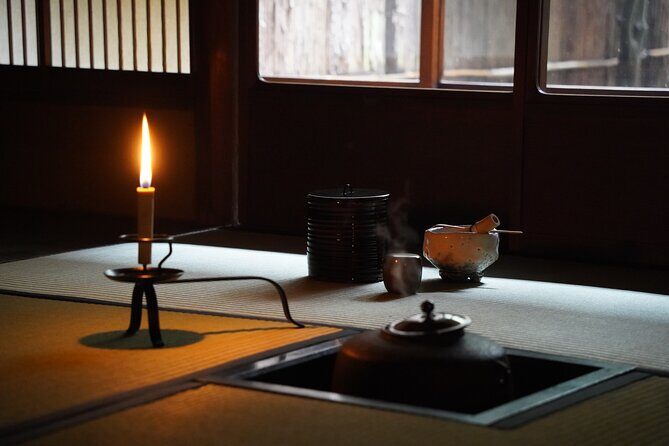
- A candlelit, minimally decorated tearoom that feels designed for stillness, not photos
- Matcha preparation step by step, including utensil prep by the host
- Welcome tea and sweets first, so you ease in before the ritual
- English translation so the meaning behind the moves makes sense
- A handmade candle token at the end, to carry the calm with you
Why Kyoto’s tea ritual feels different from café tea
Kyoto has a lot of ways to drink tea. Oboro’s version is about something else: focus. The ceremony is built around noticing details—how the utensils are handled, how the bowl warms in your hands, and how the flavors shift when you take a slow sip.
I like that it’s not presented as showy or performative. You get ceremonial technique, but the tone stays respectful and human. One comment even calls out that it feels more like a ritual than just a drink, and that matches what the setting and pacing are designed to do.
You can also read our reviews of more tours and experiences in Kyoto.


Inside the 100-year-old Kyoto teahouse: candles, quiet, and atmosphere
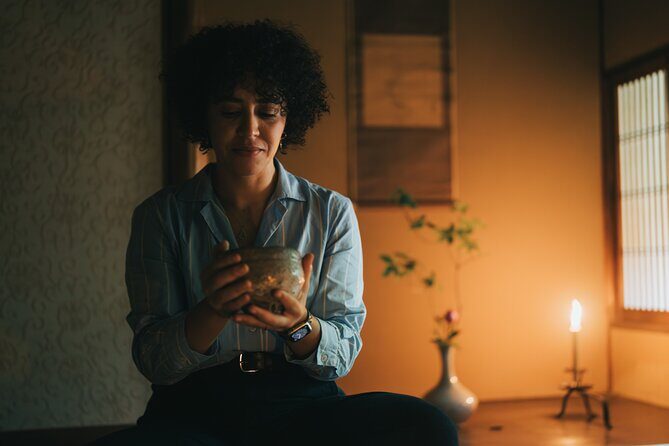
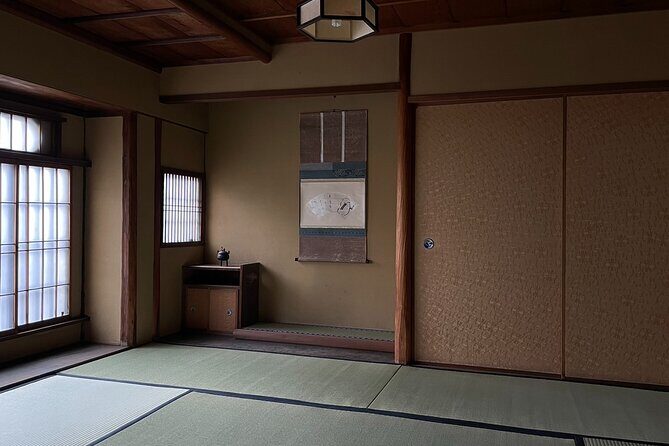
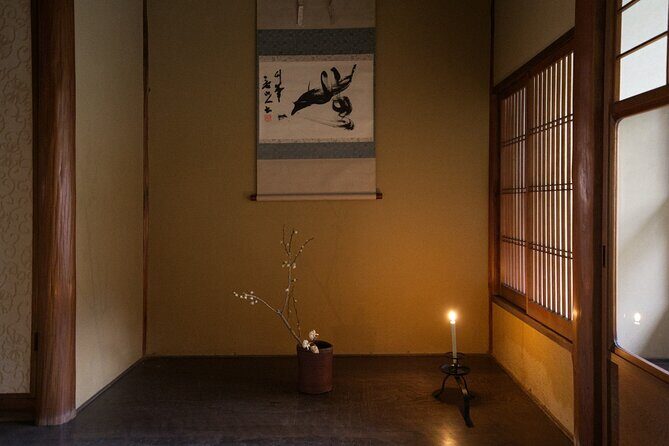
You start in a softly lit room with minimal decoration. The lighting comes from handmade candles, and that matters more than you’d think. Bright rooms make everything feel rushed. Candlelight makes you lower your voice and move slower, even if you don’t mean to.
This is also the kind of space where you can actually hear the small sounds: cups set down carefully, utensils cleaned, the gentle rhythm of whisking. One guest highlighted the reflective quiet as a big part of the experience, especially because Kyoto can feel loud outside the door.
And yes, the “old house” factor is real. The tea happens in a traditional style within a teahouse that’s been around for about a century. That adds weight to the moment. It’s not just cultural cosplay—it’s a room with history in the wood and layout.
The 50-minute flow: from welcome sweets to your final candle token
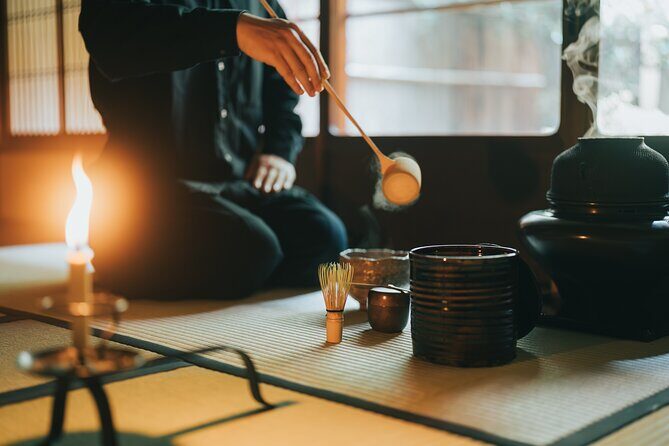
Oboro’s ceremony runs about 50 minutes, which is a sweet spot. Long enough to feel the steps. Short enough that you don’t feel stuck for the rest of the day.
Here’s how it typically unfolds, in the order you’ll experience it:
1) Welcome tea and sweets
When you arrive, you’re guided into the softly lit space. You begin with a welcome tea and sweets. This is more than a snack. It helps you shift from your sightseeing brain into your senses brain.
2) Transition to the tearoom
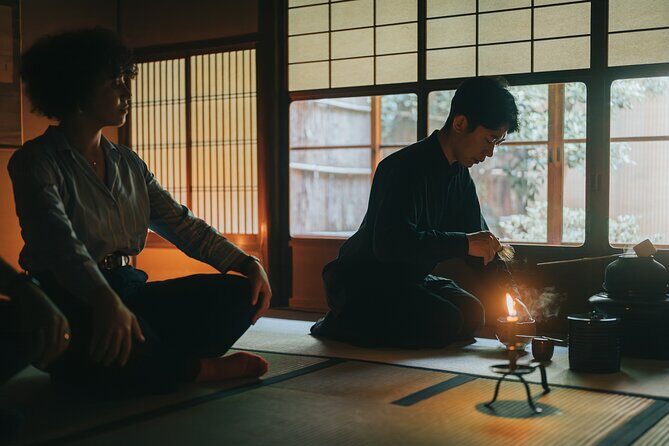
Next you move into the main tearoom area. The host takes care with what comes next—cleaning and preparing the utensils before matcha is whisked. Even if you’re a first-timer, you’ll see the care in that step.


3) Matcha served one bowl at a time
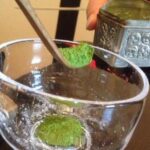
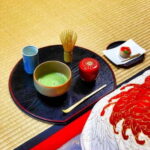
Then comes the matcha moment. The host whiskes a rare organic green tea and serves it one bowl at a time. That single-bowl rhythm changes how you drink. You’re not rushing through a refill like it’s an ordinary beverage.
If you’re new to matcha, you’ll likely notice how the whisking affects the texture and how slowly you can taste it when you’re not distracted. Guests often describe the process as hypnotic in a good way—everything feels collected and deliberate.
4) Quiet tasting and sensory attention
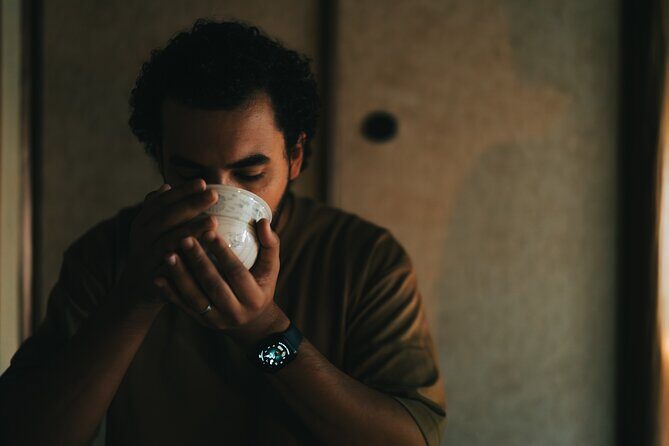
You’re invited to notice the small things: warmth of the bowl, the flavor, and the calming effect of the candlelight around you. This is where the “mindful” part becomes practical, not just a marketing word.
Some guests mention they had options beyond matcha, like black tea. The core experience is matcha-focused, but you may find there’s room for preferences depending on how your session is handled.
5) Closing gift: a handmade candle token
The ceremony ends with a small handmade candle as a token. It’s simple, but it’s a nice trick: you leave with something you can light later, and that brings the mood back faster than trying to remember it from memory alone.
Matcha whisking and utensil prep: the technique you’ll actually remember
Most people drink matcha in a cup and call it done. This is different. You watch the host clean and prepare utensils, then whisk and serve the tea in a way that’s meant to be noticed.
What I value here is how the ceremony shows that matcha isn’t just a flavor—it’s a texture and a moment. When you see whisking done with intention, it’s easier to understand why the tea feels smooth and frothy rather than flat.
A few guests specifically mention locally made tea being used, and the experience includes organic green tea described as rare. That makes it feel like you’re tasting something beyond what you’d grab in a standard drink shop.
Your guide matters: English support and thoughtful explanations
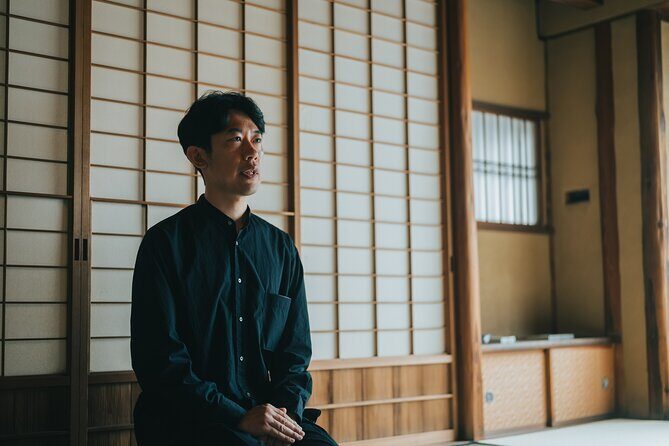
Oboro runs with an English-speaking guide, and you can feel that in the flow. You’re not left to interpret every move on your own. The guide translates and helps you understand what’s happening.
The names show up in the feedback: Taku is mentioned often, and Naoki is described as a soft-spoken tea master. One note also references Ryoko, and the provider is listed as Taku Okamoto. Different sessions can feel slightly different depending on who’s hosting, but the core is the same—clear explanation and a patient pace.
This is a big deal if you’re trying your first tea ceremony. You’ll probably ask questions. In a small group, the host can answer without rushing, and that makes the meaning stick.
Small group calm: up to 8 people for a reason
The cap is 8 travelers. That’s not an arbitrary number. It helps keep the room controlled and quiet, which is basically the point of a mindful ceremony.
In practice, smaller groups mean you get:
- More attention from the guide
- Fewer voices competing with the candlelit vibe
- Less waiting while you’re trying to observe the steps
One guest with a group of six called the experience wonderful, which fits what small-group pacing is meant to do.
Price and value: is $45.98 fair for this in Kyoto?
At $45.98 per person for about 50 minutes, it’s not a “cheap snack” kind of activity. But it also isn’t priced like a fancy dinner that eats half your evening.
Here’s the value math that made sense to me:
- You get a guided ritual with English translation
- The setting is a 100-year-old teahouse with candlelit atmosphere
- You watch and taste matcha in a ceremonial format (not a casual pour-and-go)
- You’re capped at 8 people, so it doesn’t feel like a factory experience
If you’re the type who likes paying a bit more for something you’ll remember for years, this is a reasonable trade. If you’re chasing only “hands-on fun,” you might wonder where the participation part is. Still, the ceremony invites you to take part through attention and tasting, even when you’re mostly observing.
Also, tipping isn’t included. That’s worth knowing so you’re not surprised.
Who this tea ceremony suits best (and who might not)
I’d book Oboro if you want:
- A quiet break from Kyoto’s street energy
- A first-time intro to matcha that actually explains what you’re doing
- A cultural experience that feels respectful, not rushed
- A calm moment you can repeat mentally later
It also fits well with families who are curious and can handle a calm indoor activity. One guest mentioned their daughter loved the matcha, which suggests the tone isn’t stuffy or overly formal.
Skip this one if you prefer loud, high-energy tours. This is deliberately paced. If you want constant movement, this may feel too slow.
Timing, location, and practical tips to avoid stress
The meeting point is at 237 Nakaogawachō, Kamigyo Ward, Kyoto, 602-0053, Japan. It’s noted as near public transportation, which is a relief in a city where walking time can sneak up on you.
Two practical details to plan around:
- You get a mobile ticket. Keep it handy on your phone.
- You must arrive within 10 minutes of the start time. Past that window, you can’t join.
Kyoto runs on schedules, and small tours enforce them. So I’d give yourself a buffer. If your last train change involves a long walk, build in extra margin.
Weather can matter here, too. The cancellation policy notes the experience requires good weather, and if it’s canceled for poor weather, you’ll be offered another date or a full refund.
FAQ
FAQ
How long is Oboro’s tea ceremony?
The experience lasts about 50 minutes.
How much does the Oboro tea ceremony cost?
It costs $45.98 per person.
Is there an English-speaking guide?
Yes. The ceremony includes an English-speaking guide.
What group size should I expect?
The tour has a maximum of 8 travelers.
Do I get matcha and sweets?
You’ll have a welcome tea and sweets, and the ceremony includes matcha prepared by the host and served one bowl at a time.
What’s the meeting point in Kyoto?
You meet at 237 Nakaogawachō, Kamigyo Ward, Kyoto, 602-0053, Japan. The activity ends back at the meeting point.
Is the location easy to reach by public transportation?
It’s listed as near public transportation.
What happens if I arrive late?
If you pass 10 minutes after the start time, you cannot participate.
What is the cancellation policy?
You can cancel for a full refund up to 24 hours in advance. If weather is poor and the ceremony is canceled, you’ll be offered a different date or a full refund. There’s also a minimum traveler requirement, and if it isn’t met, you’ll be offered a different experience/date or a full refund.
Is tipping included in the price?
No. Tips and gratuities are not included.
Should you book Oboro’s mindful tea ceremony?
Yes—if you want a calm, guided matcha experience in Kyoto that’s built around attention, not rushing. The combination of candlelit atmosphere, a 100-year-old teahouse setting, English translation, and a small group cap gives you strong value for the price.
Book it especially if you’re doing your first tea ceremony. You’ll understand what you’re seeing, you’ll taste the tea properly, and you’ll leave with a handmade candle token that reminds you to slow down later.
If you’re the kind of person who needs a big active itinerary, this may feel too quiet. But if you’re craving one hour of real stillness in the middle of Kyoto, this is a very good bet.