REVIEW · TOKYO
Ashikaga Flowers Park Pvt. One Day Tour with Pickup
Book on Viator →Operated by Sato · Bookable on Viator
A long train day isn’t your only option. This private Ashikaga outing mixes flower-park night lights with shrine views, a culture stop, and outlet time, all in about 10 hours. For me, the big win is the easy door-to-door setup plus the chance to see several different sides of Tochigi in one go. I especially like the private vehicle with a driver-guide and the built-in “do it all” flow, without dragging bags through stations.
Two things I like most: the chance to see Ashikaga’s love-and-fortune story at Ashikaga Orihime Jinja, and the payoff of arriving at Ashikaga Flower Park for its famous seasonal blooms and night illuminations. One caution: the experience is only as smooth as your driver’s style and communication, and the ride out of Tokyo can feel long, so it helps to set expectations for comfort.
In This Review
- Key highlights you should actually care about
- Tokyo Station Pickup And A 10-Hour Plan That Doesn’t Feel Rushed
- Ashikaga Orihime Jinja: Love Wishes, 200 Steps, And City Views
- Ashikaga School Ruins: A Quick Lesson In Why This Area Matters
- Ashikaga Art Museum: Worth It, But Budget The Admission
- Sano Premium Outlets: The Shopping Break That Saves Your Evening
- Ashikaga Flower Park: The Main Event, With Night Illumination Magic
- Private Vehicle Comfort: Hotspot On Board, But Driving Style Can Vary
- Price And Value: What $500 Per Group Really Buys
- Who This One-Day Ashikaga Tour Fits Best
- Should You Book This Ashikaga Plan?
- FAQ
- How long is the Ashikaga one-day tour?
- Where do we meet for pickup in Tokyo?
- Is this a private tour or shared group?
- What’s the maximum group size and cost?
- Are entrance fees included for all stops?
- Does the tour include transportation and a driver-guide?
- What kind of tickets do we get?
Key highlights you should actually care about
- Private pickup from Tokyo Station with door-to-door convenience for up to 5 people.
- Orihime Jinja includes a hill climb with red torii gates and big views over Ashikaga City.
- Ashikaga School ruins give you a quick hit of Japan’s old learning tradition without a long detour.
- Sano Premium Outlets is a real time-saver if you want brand shopping in one block.
- Ashikaga Flower Park night illuminations are the main event, and entry fees are separate.
Tokyo Station Pickup And A 10-Hour Plan That Doesn’t Feel Rushed
This tour is built for people who want structure without stress. You meet at Tokyo Station (1 Chome-9 Marunouchi) and then you’re in an air-conditioned private vehicle for the day. The total time is about 10 hours, and the pace is designed around five set stops, with each one getting a focused chunk of time rather than endless wandering.
You’ll also get a hotspot on board and a driver-guide, which matters more than it sounds. When you’re outside central Tokyo, having stable internet can help with maps, ticket pages, and finding the right entrances—especially when you’re moving between a shrine, a museum, and a big theme-style park in one day.
The value angle here is simple: you’re paying for transportation and coordination. If you’re traveling with kids, older relatives, or a mixed group, that coordination is often what makes a “day trip” turn into a real memory instead of a logistics puzzle.
A few more Tokyo tours and experiences worth a look



Ashikaga Orihime Jinja: Love Wishes, 200 Steps, And City Views
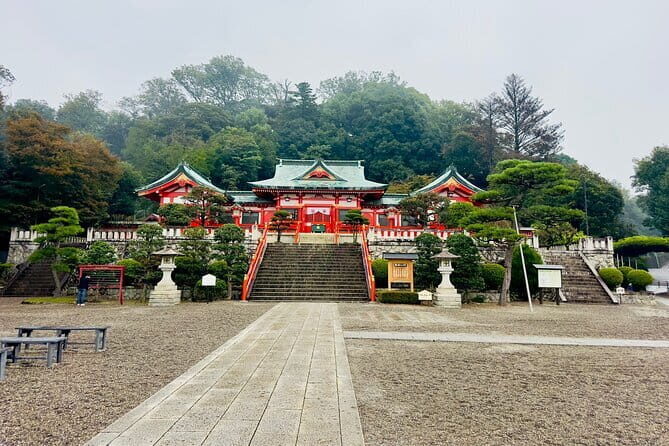
Your first proper stop is Ashikaga Orihime Jinja, a Shinto shrine tied to Orihime, the goddess associated with weaving, prosperity, and matchmaking. It’s also inspired by the legend of Orihime and Hikoboshi—lovers separated by the Milky Way. Even if you don’t care about the folklore, the setting does its job.
Expect the physical approach: you climb a path of around 200 steps lined with red torii gates. That’s not just for looks. The steps create a built-in rhythm for photos and a natural slow pace up to viewpoints. And the shrine sits on a hill, so the views over Ashikaga City can feel like the reward for the walk.
Admission for this stop is free, which is a nice early win. The one practical thing I’d plan for is footwear: you’ll be on foot for the climb, so comfortable shoes matter.
Ashikaga School Ruins: A Quick Lesson In Why This Area Matters
Next comes the ruins of Ashikaga School (Ashikaga Gakko), described as Japan’s oldest academic institution. The site is tied to Confucian and classical Chinese studies, and it once drew students from across Japan for topics like philosophy, medicine, and even subjects related to astronomy and strategy.
This stop works well in a day-trip schedule because it doesn’t try to be a long museum experience. You get the feeling of a place that mattered historically, without needing a full morning or a deep research trip. The ruin setting also helps: you can look around and picture how an educational center might have operated, even if you don’t have a textbook in your hands.
Like the shrine, entry here is free, so it’s a good “culture per minute” stop. If your group wants something more than shopping and flowers, this is where that balance starts.
Ashikaga Art Museum: Worth It, But Budget The Admission
After the history stop, you head to the Ashikaga Art Museum. This museum is known for Japanese and international contemporary art, and it’s especially focused on modern Japanese artists alongside rotating exhibitions. Its architecture is described as mixing traditional Japanese elements with modern touches, so even walking through can feel calm compared with the more crowded parts of a day trip.
There’s one cost detail you should plan for: the art museum admission is not included and is listed as $5 per person. I like this arrangement because it means you can decide whether art is truly your priority, but you still get the option of a culture break instead of only outdoors.
This is also the point in the day where I’d pay attention to your group’s energy. If your crew is tired from the ride and steps, the museum can be a comfortable reset. If your group is mostly there for flowers, you might treat this stop as a short stop, not a full deep-into-art session.
Sano Premium Outlets: The Shopping Break That Saves Your Evening
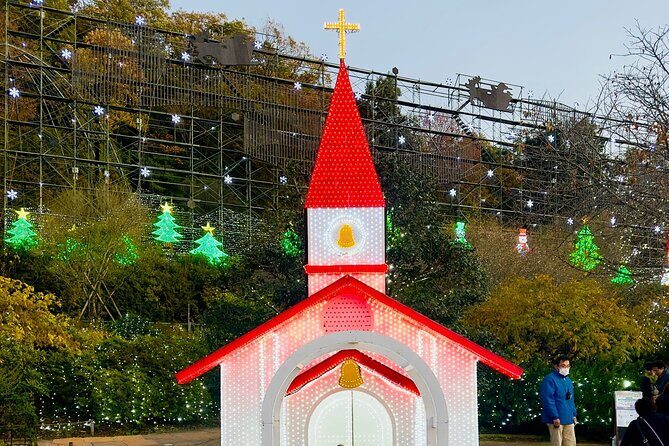
Then you’ll head to Sano Premium Outlets, a popular shopping area in Tochigi. It’s part of the Premium Outlets chain, with over 180 stores and a format similar to an open-air mall with pedestrian-friendly layout. The location also includes mountain views (including Mount Mikamo), which helps the shopping break feel less like a maze and more like a hangout with a goal.
This stop is scheduled for about 3 hours, and admission is listed as free. The free admission matters because it keeps this from becoming an expensive “mandatory” stop. The real cost control here is what you choose to buy and how hungry you get—there are dining options available, but alcoholic beverages are not included in the tour.
For value, think of this as time bought. If you’re trying to shop in Tokyo after a long day, you may lose energy or just spend more time commuting. Here, shopping is concentrated, and you’ll likely be happier waiting out your final stop when it’s time for the flowers.






Ashikaga Flower Park: The Main Event, With Night Illumination Magic
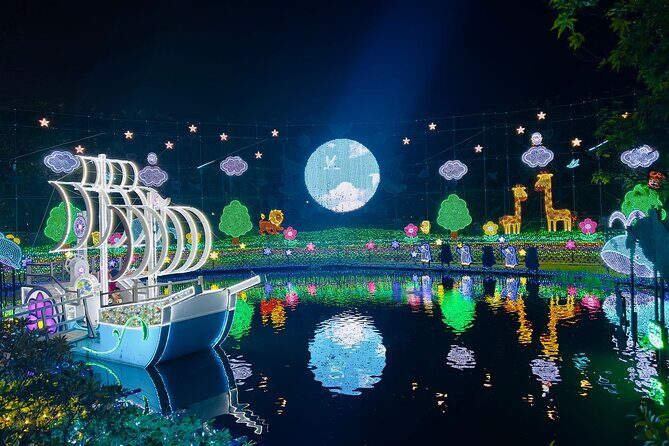
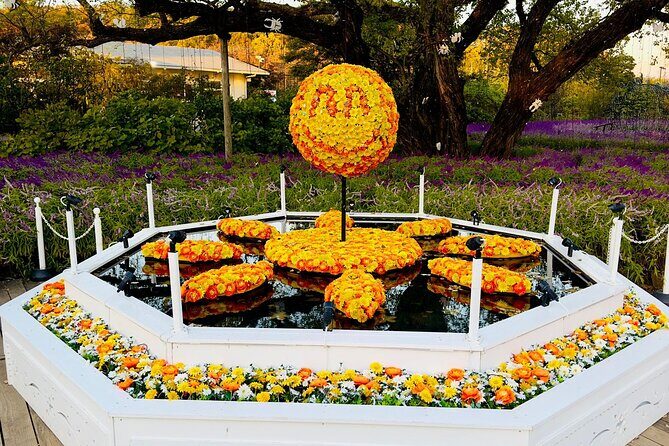
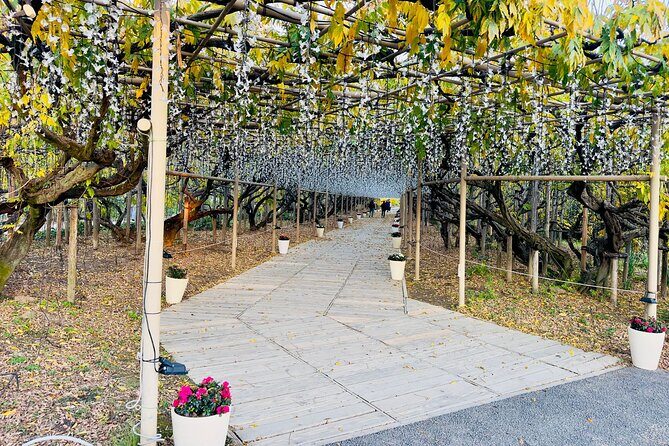
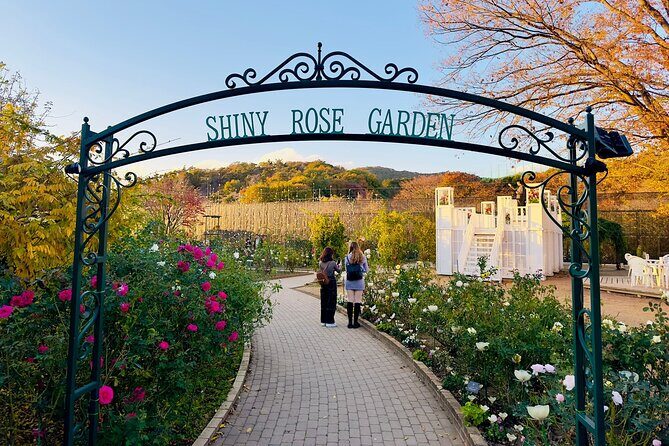
The climax of the day is Ashikaga Flower Park. This is the stop people book for—especially because it’s famous for its iconic wisteria displays. The park runs floral shows across seasons, with wisteria, roses, tulips, and azaleas mentioned as highlights. The big annual moment is the Great Wisteria Festival in spring, where massive trellises bloom in colors like purple, pink, white, and yellow.
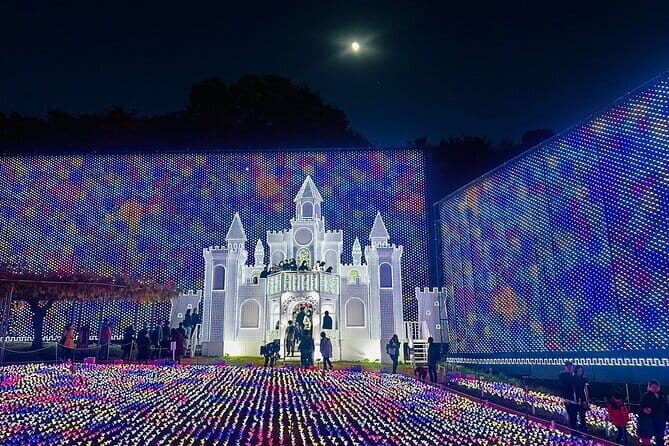
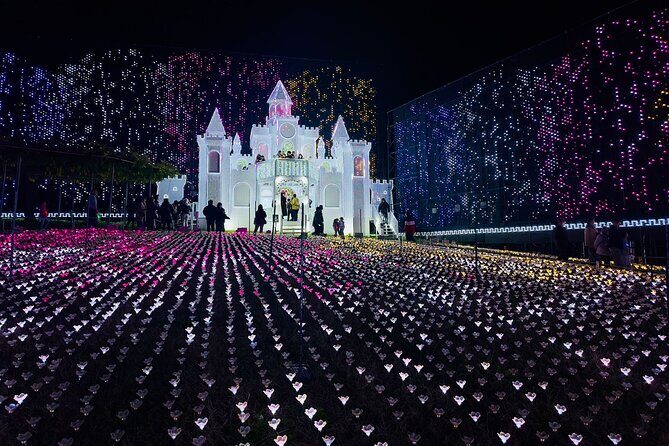
One of the most famous attractions is the Miracle Great Wisteria, described as over 160 years old. It’s the kind of detail you’ll remember after you’re done taking photos, because the age of the plant gives the whole display a different feel. Also, the tour is aimed at experiencing night illuminations, which is a big deal if you want something beyond daylight walking.
Here’s the important money part: Flower Park admission is not included and is listed as $10 USD per person. I’d treat that as essential spend if you want the full experience, especially the evening lighting.
Practical advice: this is a park, not a quick stop. Plan for walking paths, photo stops, and time to actually enjoy it instead of rushing. The tour schedules about 3 hours here, which feels right for seeing the main scenes without being trapped in a “run from spot to spot” mindset.
Private Vehicle Comfort: Hotspot On Board, But Driving Style Can Vary
Included in the package is an air-conditioned vehicle and private transportation, plus a driver-guide. You also get a hotspot on the board, and a mobile ticket, which all point toward smoother coordination during the day.
Still, one practical reality: not every driver will match your preferred pace or talk level. In one piece of feedback, the ride out felt long and the driver’s driving style was called into question. In another, a named guide, Hana Rana Nadir, was described as attentive, courteous, and a great driver.
My takeaway for you is simple: if you’re sensitive to driving style or you prefer more conversation, communicate your preference early. Also, bring something for comfort on the ride—water, a light layer, and a small snack—because a 2-hour drive each way (or more depending on traffic) can wear people out faster than expected.
Price And Value: What $500 Per Group Really Buys
The price is $500 per group for up to 5 people, with a duration of about 10 hours. That’s the key value math: the rate is per group, not per person. If you fill the group, your transportation cost becomes much easier to justify.
Now add the separate admissions:
- Ashikaga Flower Park: $10 USD per person (not included)
- Ashikaga Art Museum: $5 USD per person (not included)
- The shrine and school ruins are listed as free
So if you have, say, 4 or 5 people, your per-person total will depend on how many seats you actually fill. But the bigger point is what’s included: all fees and taxes are stated as included, and you get private vehicle use rather than public transport juggling. For families or mixed-age groups, that alone can be worth it.
One more booking insight: this kind of day trip is often booked about 57 days in advance. If you’re aiming for a seasonal moment like wisteria peak or you just want the best chance at a smooth schedule, booking earlier is a good move.
Who This One-Day Ashikaga Tour Fits Best
This tour is a strong fit for:
- Groups up to 5 who want a private day without negotiating trains and buses.
- Couples who want the love-and-fortune shrine stop plus a romantic-feeling flower park with lights.
- Families who want a “variety pack” day: culture ruins, art, shopping, and an outdoor highlight.
- Anyone who dislikes the idea of splitting into multiple transit plans and walking long distances in Tokyo before leaving the city.
It’s less ideal if:
- Your group hates car rides or expects minimal driving time.
- Your group wants a purely flexible itinerary with no set stops.
Should You Book This Ashikaga Plan?
If your dream day includes Ashikaga Flower Park at night, plus a shrine and a couple of culture stops without spending your whole trip on transit, I’d say this is a smart buy. The private vehicle, Tokyo Station pickup, and structured timing make it easier than DIY—especially with kids or multiple adults who have different interests.
Book it if you’re ready to pay the separate flower park fee and you’re okay with a full day (about 10 hours) that includes driving time. If you’re the kind of traveler who wants control of every minute, or you’re very picky about driving style and communication, send clear preferences upfront so your day feels calm, not stressful.
When you book, aim for earlier rather than later since this trip is commonly reserved well ahead. And then let the plan work for you: enjoy the hilltop shrine climb, take the outlet break as a reset, and save your energy for the wisteria lights.
FAQ
How long is the Ashikaga one-day tour?
The tour duration is listed as about 10 hours.
Where do we meet for pickup in Tokyo?
The meeting point is Tokyo Station (1 Chome-9 Marunouchi, Chiyoda City, Tokyo 100-0005, Japan).
Is this a private tour or shared group?
It’s a private tour/activity. Only your group participates.
What’s the maximum group size and cost?
It’s $500 per group for up to 5 people.
Are entrance fees included for all stops?
Not all fees are included. Ashikaga Flower Park fee is $10 USD per person and Ashikaga Art Museum fee is $5 USD per person. Admission for Ashikaga Orihime Jinja and Ruins of Ashikaga School is listed as free.
Does the tour include transportation and a driver-guide?
Yes. It includes private transportation in an air-conditioned vehicle and a driver guide, plus a hotspot on the board and a mobile ticket.
What kind of tickets do we get?
The tour uses a mobile ticket.