REVIEW · TOKYO
Tokyo in a Day : Private Tour to Shrine, Temples, Towers &Culture
Book on Viator →Operated by Travizta Tours · Bookable on Viator
Tokyo can feel like a lot. That’s why this private day tour works so well: it strings together top-class traditional sites and modern Tokyo landmarks into one smooth plan, with an English-speaking guide doing the connecting. You start with a classic temple morning, then shift to skyline views, palatial gardens, and the neon world of Akihabara, before ending at Shibuya Crossing.
I particularly like the private pace. With hotel pickup and drop-off by air-conditioned vehicle, you spend less time figuring out trains and more time walking at each stop. I also like that the tour is fully customizable, so you’re not forced into a rigid checklist if your interests lean more shrine-and-temple, or more pop culture and tech.
The main consideration is cost creep. The tour price covers transportation and guide service, but you’ll pay extra for Tokyo Skytree and (if you have time) Shinjuku Gyoen National Garden—so check the total before you lock it in.
In This Review
- Key points before you go
- A one-day plan that actually helps you see Tokyo
- Hotel pickup and private transport: fewer logistics headaches
- Senso-ji Temple: Tokyo’s classic start
- Tokyo Skytree: skyline views, plus the extra ticket
- Imperial Palace area: a calm, park-like pause
- Akihabara Electric Town: anime and gadgets time
- Meiji Jingu Shrine: Shinto calm in Shibuya
- Shibuya Crossing: modern Tokyo, photo-ready
- Shinjuku Gyoen National Garden: cherry blossom option if time allows
- Customization: what you can actually ask for
- Price and value: $525 for up to 5 people
- Who this tour suits best (and who should skip it)
- Should you book Tokyo in a Day with Travizta Tours?
- FAQ
- How long is the Tokyo in a Day private tour?
- How many people are included in the private group?
- Is hotel pickup and drop-off included?
- Are tickets included for Tokyo Skytree and Shinjuku Gyoen National Garden?
- Is lunch included in the tour price?
- Is the tour customizable?
- Does the tour use mobile tickets?
- Is there a free cancellation window?
Key points before you go
- Private group up to 5 means you don’t get chopped up by other schedules
- Hotel pickup/drop-off keeps the day from starting in transit stress
- English-speaking guide helps you connect the sites to Japan’s culture as you move
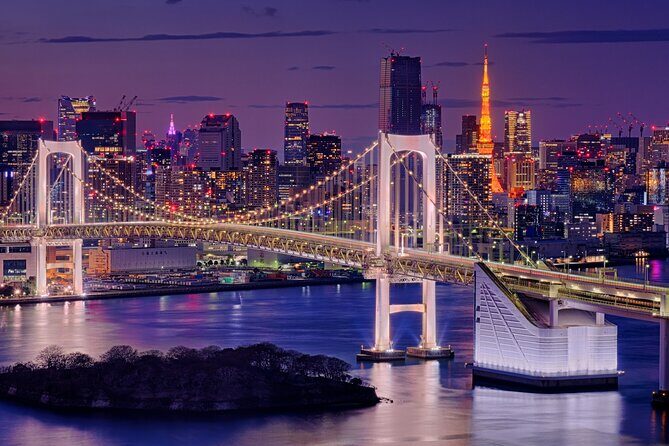
- Big Tokyo mix in one day: Senso-ji, Imperial Palace area, Akihabara, Meiji Jingu, Shibuya Crossing
- Skytree and Shinjuku Gyoen are extra (Tokyo Skytree 1,800¥; Shinjuku Gyoen 500¥)
- Customizable routing gives you a say, not just a preset script
A one-day plan that actually helps you see Tokyo
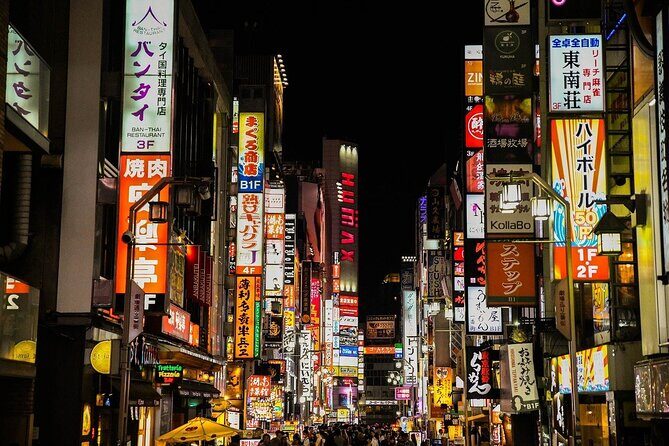
Tokyo’s strength is also its challenge: it’s huge, and it changes fast from neighborhood to neighborhood. This tour helps because it stitches together famous landmarks and cultural anchors in a single 10-hour loop, so you’re not bouncing around with half-day plans that don’t add up.
I like the way it balances “old Japan” and “new Japan.” You’ll stand at a major Buddhist temple, step into a Shinto shrine setting, and then pivot into districts known for tech and anime energy. That mix is part of why the day works for first-timers. You get context for why people travel between styles, not just a handful of photos.
And because it’s a private tour, the guide can shape the flow to your group’s speed. One past guest highlighted their guide, Ishii, for showing the destinations on the itinerary and sharing history along the way. That’s exactly what you want: someone to explain what you’re looking at, not just someone holding a meeting point.
You can also read our reviews of more private tours in Tokyo


Hotel pickup and private transport: fewer logistics headaches

A big chunk of day-trip frustration is time lost to transit. Here, you get hotel pickup/drop-off and private transportation by air-conditioned vehicle, with petrol, gas, and highway tolls included. For a city where trains are excellent but can still be complicated when you’re tired, this is a practical win.
You also get a mobile ticket, which makes life easier on the day. And because the day is built around multiple distinct neighborhoods, having the guide manage the route means less mental math for you.
One more detail I appreciate: the tour is described as near public transportation, and that matters because it gives you a fallback if anything runs late. I can’t guarantee timing will always be perfect—Tokyo traffic and walking time add up—but the setup is meant to keep you moving without chaos.
Senso-ji Temple: Tokyo’s classic start
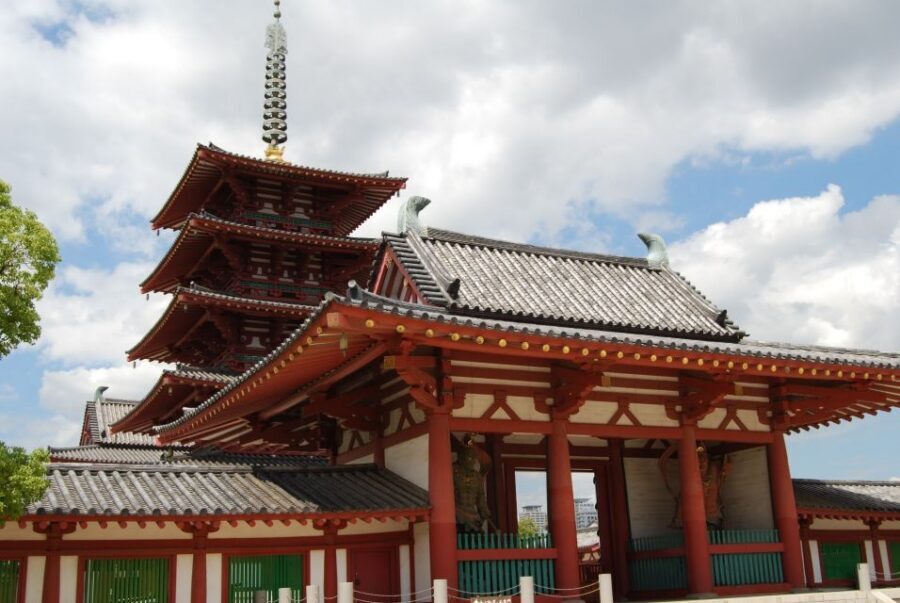
You kick off at Senso-ji Temple in Asakusa, described as Tokyo’s oldest temple and one of the city’s most significant. It’s a strong first stop because it’s not just a “see it once” postcard. The temple’s background is part of the experience: it was formerly associated with the Tendai sect of Buddhism and became independent after World War II.
What I like about starting here is that the day gains a base layer of meaning. Before the modern icons, you’re grounding your Tokyo day in tradition, and the guide can help you read the scene in a way that feels more than random sightseeing.
The pacing is also friendly: the time you’re allotted at each stop is designed for walking and absorbing without turning the day into a sprint. Still, do yourself a favor—wear shoes you can move in for a few hours total. Temples and shopping streets add up quickly.
Tokyo Skytree: skyline views, plus the extra ticket
Next up is Tokyo Skytree, which the tour positions as one of the city’s most visited destinations. Importantly, this is where planning matters: the Skytree ticket is not included.
The tour lists the adult fee as 1,800¥, so this is an easy line item to budget for ahead of time. If you like viewpoints, Skytree is usually the kind of stop you’ll want to prioritize rather than treat as optional.
If you’re trying to keep the day lean on spending, you can still enjoy the surrounding area, but the tour makes it clear that the paid entry is the main attraction. Ask your guide what time makes the most sense for your group’s priorities—views vs. photo breaks vs. rest.
Imperial Palace area: a calm, park-like pause
After the skyline, the day shifts to the Imperial Palace, specifically a small walk in front of the side garden. The Imperial Palace is described as the Emperor’s main residence area, set in a large park-like space in Chiyoda, with buildings used for ceremonies and receptions and the Fukiage Palace (where the Emperor has living quarters).
I like this stop because it acts like a reset button. You’ve been in high-energy neighborhoods; now you slow down in a space defined by gardens and formal grounds. Even if you’re not a history superfan, the change of pace feels refreshing in a long day.
One practical tip: treat this as your “breathing room” stop. If you’re feeling foot fatigue, this is the moment to take it easy before Akihabara and Shibuya.





Akihabara Electric Town: anime and gadgets time
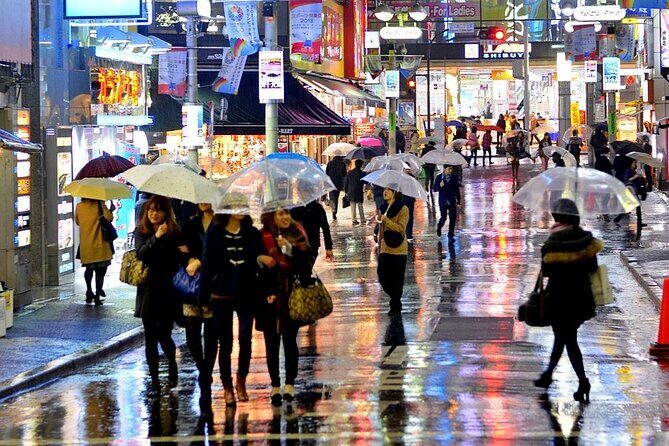
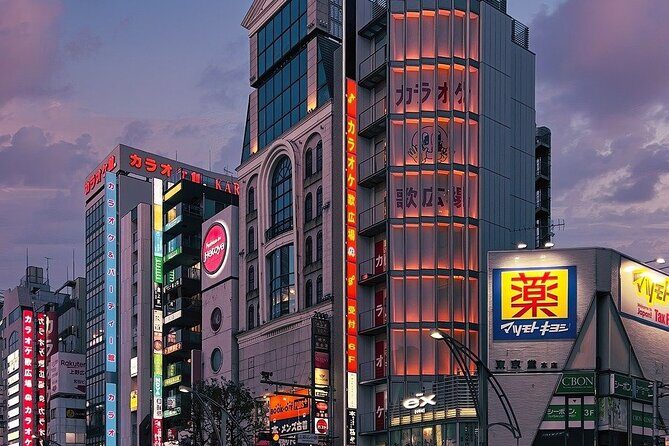
Then it’s Akihabara Electric Town, described as Japan’s electronic and anime mecca. If you’re into pop culture, gaming, or just walking through a district where tech and themed shops are the main event, this stop is built for you.
The tour’s description emphasizes what you’ll likely notice right away: gadget stores, anime shops, gaming centers, colorful billboards, themed cafes, and otaku-focused shopping streets. That’s not subtle—Akihabara is a full-on identity district.
I also like that this stop is included without any added activity fees listed as required. You’re basically free to wander and browse with your guide’s context. If you’re the type who likes taking a few guided “suggestion routes” through big shopping areas, this is a great match.
Meiji Jingu Shrine: Shinto calm in Shibuya
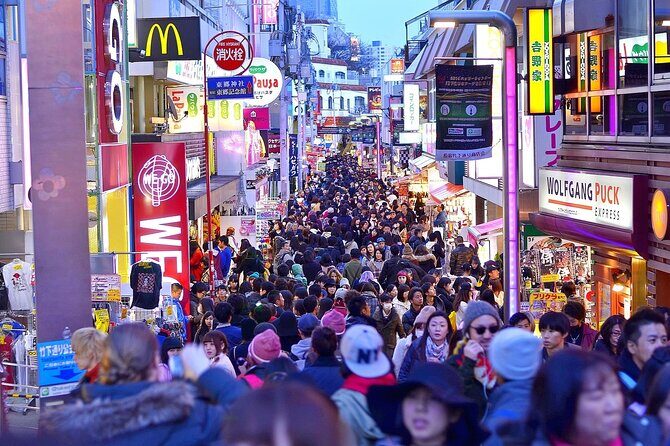
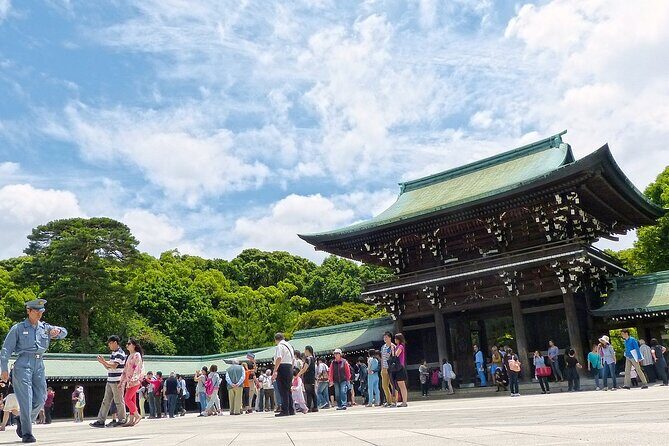
From the tech-and-anime intensity of Akihabara, the tour heads to Meiji Jingu Shrine in Shibuya. The shrine is dedicated to the deified spirits of Emperor Meiji and his wife, Empress Shōken.
What stands out in the tour description is clarity on a common misunderstanding: the shrine does not contain the emperor’s grave, which is located south of Kyoto. That’s the kind of fact a good guide can use to prevent you from forming the wrong idea just from online photos.
I like Meiji Jingu as a “balance stop.” After pop culture and crowds of attention, you get a more contemplative setting. Even if you’re not religious, you can still appreciate how the shrine functions as a cultural and emotional counterweight to the city’s rush.
Shibuya Crossing: modern Tokyo, photo-ready
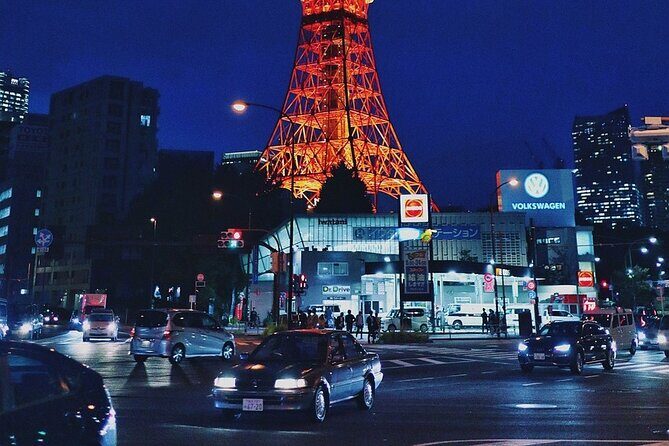
Next is Shibuya Crossing, one of Tokyo’s most recognizable intersections. The description leans into its pop-culture footprint, noting appearances in films like Lost in Translation and The Fast and the Furious: Tokyo Drift, plus music videos, newscasts, and animated programs.
This stop is about modern representation—how Tokyo looks on camera, not just how it looks in person. If you like visual landmarks, you’ll understand why people hang around for angles and timing. The tour’s timing here is shorter (about 30 minutes), so it’s best treated like a focused photo and observation window.
A practical approach: arrive with a simple plan. Pick one or two viewing spots your guide recommends, take your photos, and then move on. The goal isn’t to stay there all day; it’s to capture what makes Shibuya feel like Tokyo.
Shinjuku Gyoen National Garden: cherry blossom option if time allows
This tour includes Shinjuku Gyoen National Garden only if time permits. The description flags it as a best option during cherry blossom season, and it lists an adult fee of 500¥, which means it’s another add-on you should expect if you want to go inside.
I like that this is presented as conditional rather than mandatory. It gives your guide room to respond to your group’s energy level. If you’re running ahead of schedule, it’s a nice soft landing for the day. If you’re tired, skipping it won’t break the core Tokyo story of temples plus modern icons.
If you’re visiting in spring, this is the one garden-type stop that’s explicitly recommended in the tour information. That makes it easier to decide.
Customization: what you can actually ask for
The tour is described as fully customizable, which matters because Tokyo is personal. Some people want the shrine focus; others want the pop-culture and shopping focus; and a few want the “greatest hits” without getting lost in neighborhood hopping.
Here’s the kind of customization you can ask your guide for, based on what’s included:
- Spend more time around Senso-ji or Meiji Jingu if you prefer slower, spiritual, cultural pacing
- Spend more time exploring Akihabara Electric Town if tech/anime shopping is a priority
- Decide whether Tokyo Skytree is a must-do ticket for your group
- If time permits, confirm whether Shinjuku Gyoen fits your energy level
Because the tour is private, you’re not negotiating with strangers about pace. Use that advantage.
Price and value: $525 for up to 5 people
The price is $525 per group (up to 5) for about 10 hours. That sounds high until you break down what’s included: private transportation with hotel pickup/drop-off, an English-speaking guide, and vehicle costs like petrol/gas and tolls.
Then factor in what’s not included: lunch, plus paid entries for Tokyo Skytree (1,800¥) and Shinjuku Gyoen National Garden (500¥) if you go. You can plan for those without surprises.
So where does the value land?
- If you’re traveling with 2–5 people, this format can be good value because the guide and vehicle cost is shared.
- If you’re traveling solo, you’ll want to compare it against alternative ways of hiring a guide or building a self-guided day with transit and your own paid tickets.
- If you dislike commuting complexity, the private pickup and vehicle can be worth the price by itself.
Also note the current rating shown as 3.7 (3 reviews). That’s not a perfect score, but it’s enough to infer there’s at least some consistency—especially given that one review specifically praised Ishii for pickup and clear destination guidance, plus history along the route.
Who this tour suits best (and who should skip it)
This tour fits best if you want:
- A single-day plan that covers both classic and modern Tokyo
- Private service with hotel pickup and an English-speaking guide
- A route that includes major landmarks without you doing the heavy planning
It might not be the best fit if you:
- Want a fully self-paced day with no guide direction
- Are trying to avoid any paid extras entirely (Skytree and Shinjuku Gyoen have set fees)
- Have limited walking tolerance, since multiple stops mean multiple walk segments across the day
If you’re the kind of person who enjoys structure—just enough structure—I think you’ll appreciate this layout.
Should you book Tokyo in a Day with Travizta Tours?
If your goal is to see a lot of Tokyo without spending your day translating transit maps and building routes, I’d say this is a sensible choice. The combination of private pickup, an English-speaking guide, and a thoughtfully mixed route from Senso-ji to Shibuya Crossing keeps the day efficient and readable.
The decision comes down to two things:
1) Are you willing to pay extra for Tokyo Skytree and possibly Shinjuku Gyoen?
2) Do you like guided pacing, with room for customization?
If you answered yes to both, book it. You’ll get a Tokyo day that’s more than a random grab bag of stops—you’ll have a guide making sense of why each place matters.
FAQ
How long is the Tokyo in a Day private tour?
It runs for about 10 hours.
How many people are included in the private group?
The group size is up to 5 people.
Is hotel pickup and drop-off included?
Yes. The tour includes hotel pickup and drop-off as part of the service.
Are tickets included for Tokyo Skytree and Shinjuku Gyoen National Garden?
Tokyo Skytree is not included, and Shinjuku Gyoen National Garden is also not included. The tour lists Tokyo Skytree at 1,800¥ and Shinjuku Gyoen at 500 Yen for adults.
Is lunch included in the tour price?
No. Lunch is not included.
Is the tour customizable?
Yes, the tour is fully customizable.
Does the tour use mobile tickets?
Yes. Mobile tickets are included.
Is there a free cancellation window?
Yes. You can cancel up to 24 hours in advance for a full refund. If you cancel less than 24 hours before the start time, the amount paid is not refunded.