REVIEW · TOKYO
From Tokyo: Mount Fuji Private Tour With English Guide
Book on GetYourGuide →Operated by Wonder land · Bookable on GetYourGuide
Mt. Fuji shows up in layers. This private, 10-hour day strings together iconic photo spots with calmer lakeside moments, all guided by an English-speaking driver who can adjust to your pace.
What I like most is the variety of viewpoints, so you’re not just seeing one angle of the mountain. I also like that you get the chance to taste Fuji water at Oshino Hakkai and then cap the day with the big panoramic payoff from Mt. Fuji 5th Station. One possible drawback: it’s a long day with time on your feet, and in bad weather visibility can shrink fast since the mountain is the whole point.
In This Review
- Key highlights you’ll actually feel
- A private 10-hour Fuji day from Tokyo: how the timing really feels
- Picking up in Tokyo or Yamanashi, then dropping off where you want
- Chureito Pagoda: the Fuji framing that still works
- Kawaguchiko and Yamanaka: reflections, boats, and Fuji-friendly pacing
- Oshino Hakkai: Fuji water, pond walks, and thatched-roof quiet
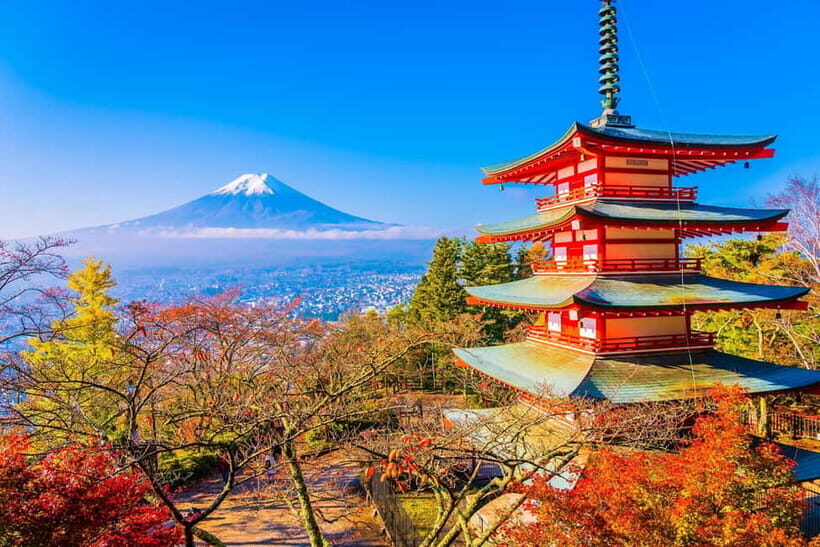
- Arakura Fuji Sengen Shrine: five-storied pagoda views that earn their reputation
- Mt. Fuji 5th Station: the best drive-up perspective
- Oishi Park and the lakeside photo stops: small breaks that matter
- Mt. Kachi Kachi Ropeway, Hakone Ropeway, and Lake Ashi: a second viewpoint track
- Owakudani and the caves: short walks, big scenery payoffs
- Gotemba Premium Outlets: shopping with a view, not a full detour
- Halal and vegetarian needs: how this tour handles food
- What’s included, what isn’t, and why the value can be good
- English guidance and guide-style notes (from real-world experience)
- Who should book this Mount Fuji private tour
- Should you book it? My practical recommendation
- FAQ
- How long is the Mount Fuji private tour from Tokyo?
- Where can we be picked up in Tokyo or the area?
- Is this tour private or shared?
- Is there an English-speaking guide or driver?
- What’s included in the price?
- Are entrance fees or meals included?
- Can you accommodate halal or vegetarian meals?
Key highlights you’ll actually feel
- Private pacing for up to 6 people: you’re not stuck with a rigid group schedule.
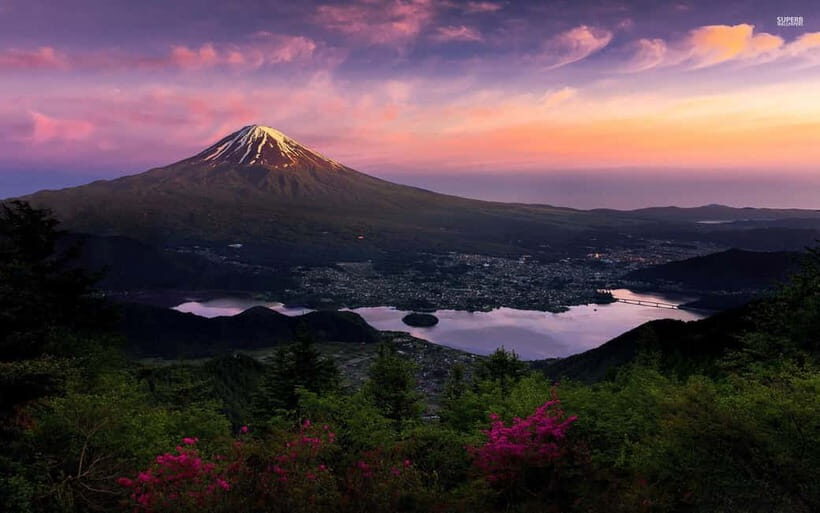
- Fuji views from multiple sides: pagoda framing, lake reflections, shrine viewpoints, then the 5th Station.
- Oshino Hakkai’s crystal ponds and Fuji water: a small, meaningful stop beyond the main photo spots.
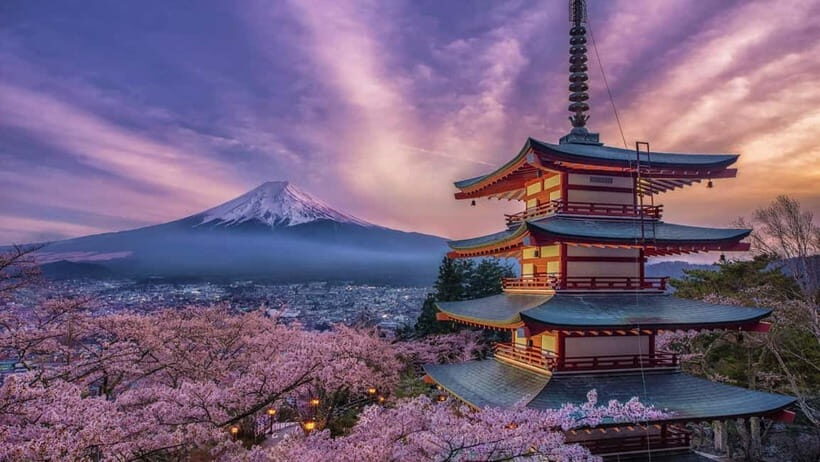
- Arakura Fuji Sengen Shrine with a five-storied pagoda: one of the best “wow” photo setups.
- Extra Hakone-style stops: Lake Ashi, ropeways, Owakudani valley, plus short cave visits.
- Photo help built in: the driver can help with photos so you’re not racing your own camera.
A private 10-hour Fuji day from Tokyo: how the timing really feels
This is a full-day outing that starts with a transfer out of Tokyo and then builds to a steady rhythm of viewpoints. The total duration is listed as 10 hours, with about 2 hours of transfer time built in, so you’ll feel like you’re on the move for much of the day.
The practical upside is that you see more than the classic “one or two stops and done” format. The trade-off is energy: it helps to plan for walking on uneven ground and occasional stair steps around scenic areas.
You can also read our reviews of more guided tours in Tokyo

Picking up in Tokyo or Yamanashi, then dropping off where you want
You can choose among three pickup locations: Ueno, Tokyo, or Yamanashi. You also get three drop-off options: Yamanashi, Ueno, or Tokyo, which is handy if you’re staying in different parts of the city or want to end closer to your next plan.
This matters because Fuji days can be logistics-heavy. A smooth start reduces stress, and fewer transfers usually mean less time lost to traffic and navigation.
Chureito Pagoda: the Fuji framing that still works
You’ll begin with a stop at Chureito Pagoda, with about 45 minutes for photos and a relaxed walk around the area. This is the famous setup where the pagoda structure frames the mountain, which is why it’s popular for pictures—especially when conditions cooperate.
Here’s the key value: the pagoda viewpoint gives you a different feeling than lake reflections. Instead of waiting for a clear mirror day, you get a bold, structured composition that photographs well even when the rest of the scene is busy.
Kawaguchiko and Yamanaka: reflections, boats, and Fuji-friendly pacing
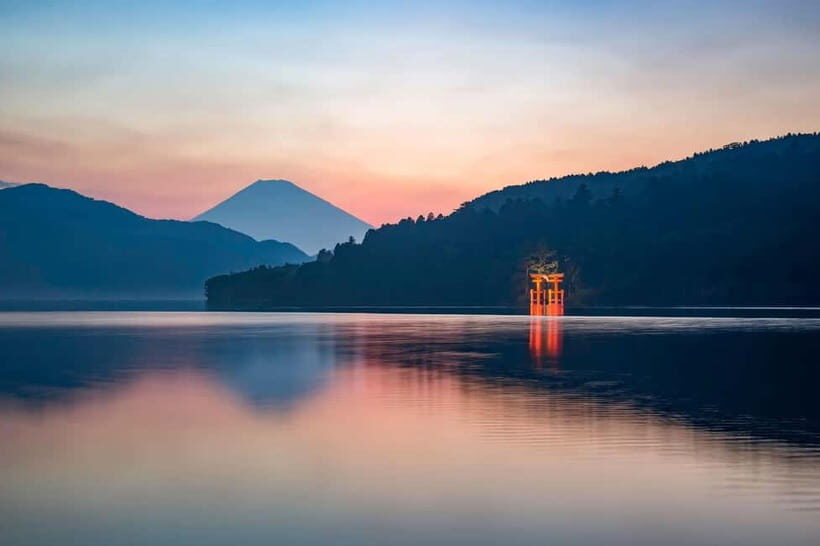
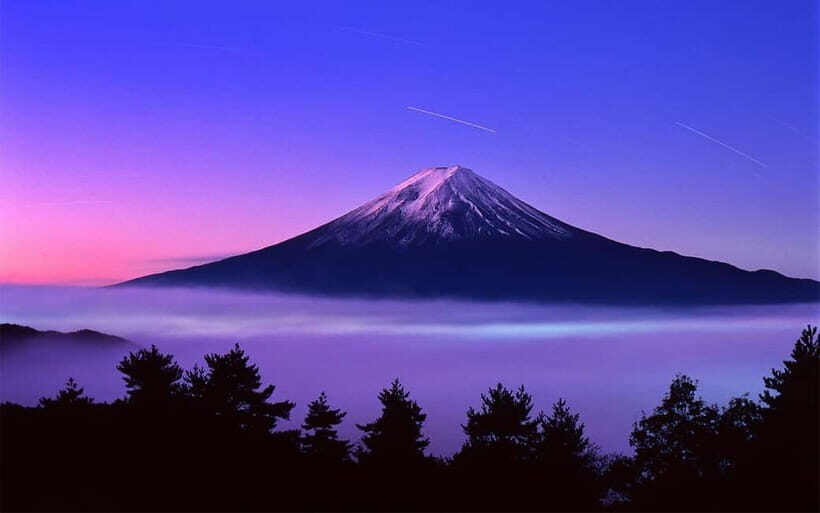
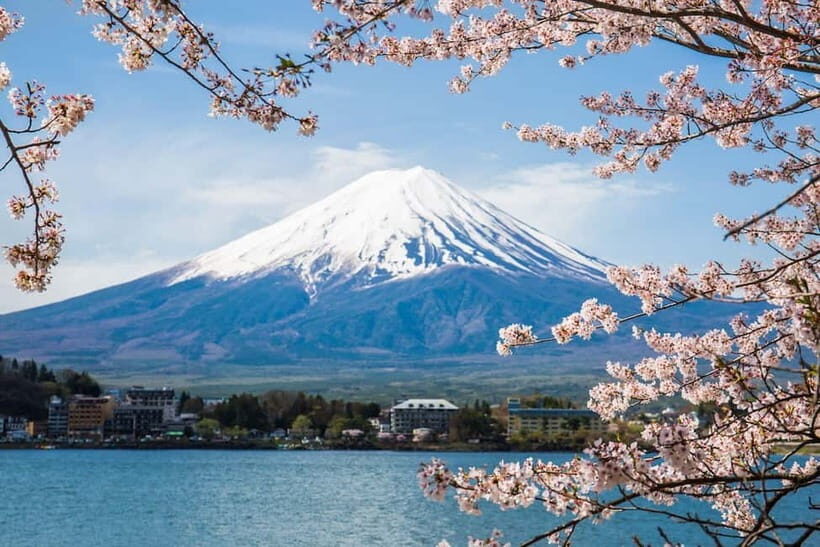
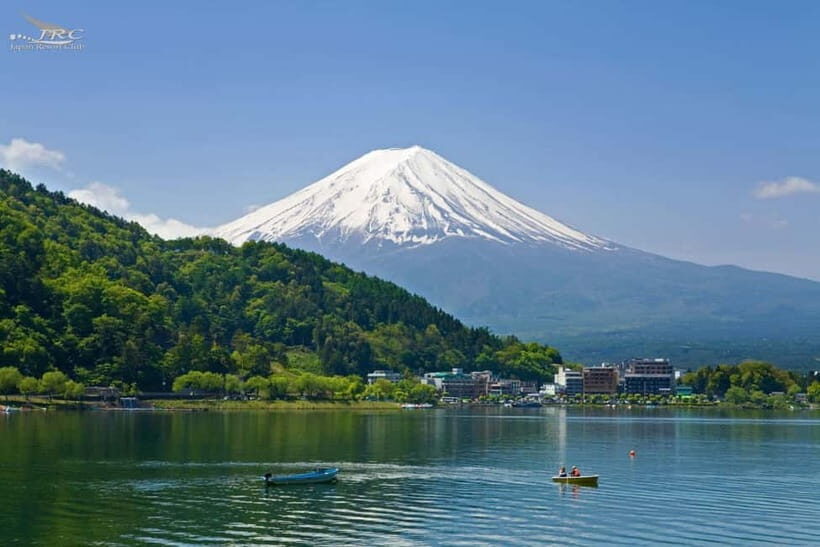
Lake Kawaguchi is a major stop in this day, with about 1 hour to take in the scenery. On clear days, this area is known for crisp mountain views reflected on the water, and you’ll also have scenic moments during the drive that set you up for better photos.
The plan also includes Lake Yamanaka with around 30 minutes, plus a duck boat ride. That brief ride is worth it because it changes your angle without turning the day into a long theme-park detour. You’ll be moving, but not in a rushed way—more like small bursts of sightseeing stitched together by the driver.
Oshino Hakkai: Fuji water, pond walks, and thatched-roof quiet
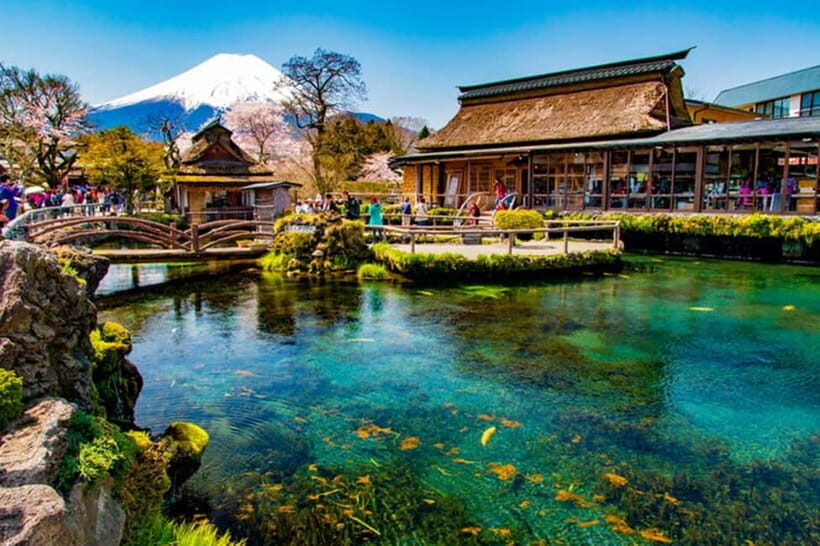
Next up is Oshino Hakkai, where you’ll get roughly time for photos, visiting, and shopping. This area is known for crystal-clear ponds fed by Mount Fuji snowmelt, and it’s one of the few stops in the day that feels more like a living village than just a photo corner.
One of the standout items is the chance to taste water from Mt. Fuji. Even if you’re not a water-snob, it’s a memorable, sensory break in a day that otherwise focuses on views. The only drawback here is crowding potential—so wear comfortable shoes and keep your expectations flexible if the walkway is busy.
You can also read our reviews of more private tours in Tokyo


Arakura Fuji Sengen Shrine: five-storied pagoda views that earn their reputation
You’ll visit Arakura Fuji Sengen Shrine for about 30 minutes, with time for photos and a quick look around. The big feature is the five-storied pagoda, which offers another classic Fuji framing effect from a higher viewpoint.
The practical tip is simple: treat it as a photo + viewpoint stop, not a long wandering session. If the weather is good, you’ll want to stay ready for quick changes in light, since Fuji can reveal itself and then hide again.
Mt. Fuji 5th Station: the best drive-up perspective
The tour includes Mount Fuji 5th Station with about 45 minutes for sightseeing and photos. This is the highest point accessible by vehicle in this plan, which is why it hits differently than lower viewpoints.
Value-wise, this stop is your “anchor moment.” Even if some earlier scenes were partially obscured, the 5th Station is still where you most directly feel that you’re near the mountain’s world, not just looking at it from far away.
Oishi Park and the lakeside photo stops: small breaks that matter
You’ll also spend time around Oishi Park (about 45 minutes) and include additional photo time such as a stop around Lawson Kawaguchiko Station (about 30 minutes). These are shorter segments, but they’re useful because they break up the long day into manageable chunks.
I like these kinds of stops because they let you reset, grab a snack if you need one, and regroup your camera gear for the next big viewpoint.
Mt. Kachi Kachi Ropeway, Hakone Ropeway, and Lake Ashi: a second viewpoint track
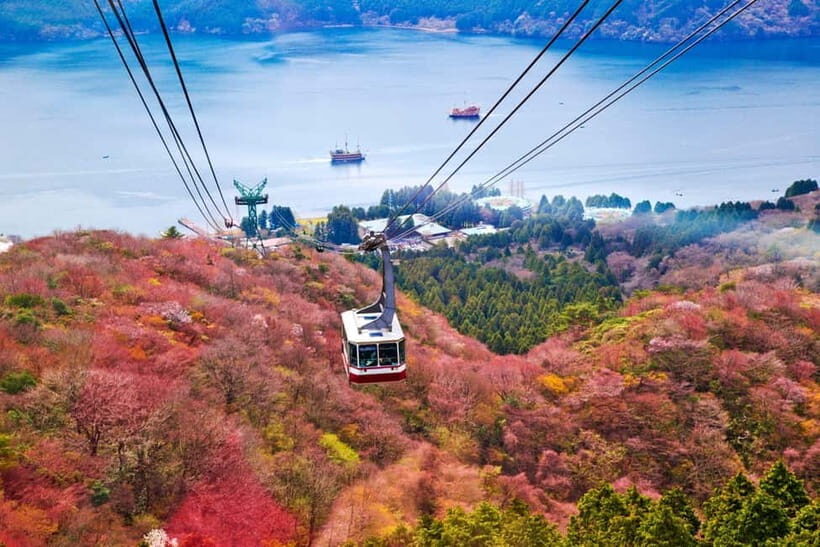
As the day continues, the itinerary shifts toward a more Hakone-style scenic sequence. You’ll have time at Mt. Kachi Kachi Ropeway (listed as a longer visit window), then later Hakone Ropeway with time for a cable car ride and free moments. You’ll also get Lake Ashi for about 1 hour, including time for photo stops and sightseeing.
Why this mix works: you’re not just stacking Fuji angles—you’re adding wider regional scenery so the day feels full even if Fuji visibility changes. If the mountain is slightly muted on your day, the ropeways and lake viewpoints give you other ways to enjoy the scenery.
Owakudani and the caves: short walks, big scenery payoffs
You’ll visit Owakudani Valley, plus do quick cave stops including Fugaku Wind Cave (about 15 minutes) and Narusawa Ice Cave (about 15 minutes each, including walking). These segments aren’t long, but they add variety when you’ve already spent hours watching for Fuji in the distance.
The main consideration is physical comfort. The tour asks for guests to be able to walk on uneven terrain for short distances, and caves/valleys typically involve steps and indoor walking surfaces that can feel slippery.
Gotemba Premium Outlets: shopping with a view, not a full detour
You’ll have about 2 hours at Gotemba Premium Outlets, which can be a welcome decompression break. The benefit isn’t just shopping—this is also where the backdrop can still include Fuji on a clear day, so you’re not losing the theme of the outing.
Meals aren’t included, so if you want to eat here, plan on paying for your own food. The upside is that you’ll have time to pick what works for your dietary needs.
Halal and vegetarian needs: how this tour handles food
This operator says they can arrange meal stops at Muslim-friendly or vegetarian restaurants, and they can adjust the itinerary around your preferences. Since meals and refreshments aren’t included, this flexibility matters because you’re not stuck with only whatever’s nearby at the time.
A small practical note: bring your own snack backup if you’re picky with timing. A Fuji day can shift with traffic and weather, and having a fallback reduces stress.
What’s included, what isn’t, and why the value can be good
The included items are straightforward: private full-day tour, comfortable vehicle transport, English-speaking driver, return transportation to Tokyo, photo assistance if needed, water bottles, and coffee. There’s also an option for internet if needed, which is useful if you’re coordinating with friends or family.
Entrance fees and meals are not included, and the driver tips are optional. That’s normal for Japan day tours, but it does mean you should budget a bit extra for admission tickets and lunch.
Now the price: it’s listed at $318 per group up to 6. That can be great value if you actually fill the group, because you’re essentially paying for a private vehicle and driver rather than per-person train rides and timed taxis. If you travel with fewer than six people, your per-person cost rises, but you still get the benefit of a single plan with photo help and a driver who can adjust timing on the fly.
English guidance and guide-style notes (from real-world experience)
This tour is described as using an English-speaking driver and also notes that the live tour guide can work in many languages. In the feedback connected to this experience, drivers like Rana, Ali, and Malik come across as friendly and professional, with particular praise for staying patient with families and keeping the day organized.
What you should expect in practice: you’ll get help with navigation, photo timing, and moving efficiently between stops. That’s a big deal on Fuji days because you can waste time when you’re trying to figure things out while everyone else crowds into the same viewpoints.
Who should book this Mount Fuji private tour
This tour fits you best if you want:
- A structured day with major Fuji sights plus extra variety
- Private flexibility for your group size (up to 6)
- Multiple viewing angles, not just one famous spot
- A driver who can help with photos and keep things smooth
It may be less ideal if you prefer long, slow wandering with lots of free time, because the day is packed with stop-to-stop pacing. And if you’re sensitive to stairs or uneven ground, wear sturdy shoes and plan for short but frequent walking segments.
One more item to check carefully: the information lists weight limitations. If that matters for anyone in your group, confirm before you book.
Should you book it? My practical recommendation
If you’re doing your first Mount Fuji trip and you want the best chance at seeing the mountain from multiple angles—pagoda views, lakes, a shrine viewpoint, and the 5th Station—I think this is a strong buy. The value is especially good when you share the vehicle with a full group, and the private format makes it easier to manage kids, camera breaks, and dietary needs.
If you’re traveling solo or as a couple and you’re hoping for a relaxed day with minimal commuting, you may want to compare alternatives. Still, for a one-day Fuji mission where you want photos, variety, and less logistical stress, this private setup is a smart way to spend your time.
FAQ
How long is the Mount Fuji private tour from Tokyo?
The tour duration is listed as 10 hours, including about 2 hours of transfer time.
Where can we be picked up in Tokyo or the area?
Pickup options are listed as Ueno, Tokyo, and Yamanashi.
Is this tour private or shared?
It’s a private group tour, and the price is per group up to 6 people.
Is there an English-speaking guide or driver?
Yes. The tour includes an English-speaking driver, and it also lists multiple languages for the live guide (including English).
What’s included in the price?
The tour includes private full-day transportation in a comfortable vehicle, return transport to Tokyo, photo assistance if needed, water bottles, and coffee.
Are entrance fees or meals included?
No. Entrance fees and meals and refreshments are not included.
Can you accommodate halal or vegetarian meals?
The operator states they can arrange meal stops at Muslim-friendly or vegetarian restaurants and can adjust the itinerary for your preferences.