REVIEW · TOKYO
One Day Tour to Oishi Park and Fruit Picking in Mt. Fuji Tokyo
Book on Viator →Operated by Trevopedia Wonders · Bookable on Viator
Sky-high fruit and views: that is the point. I like the hands-on seasonal fruit picking at the Yamanashi farm, and I like the combo of the ropeway ride and the Mt. Fuji 5th Station for big-photo views. The one catch: clouds and traffic can reshuffle the stops, and you won’t get a refund if Fuji can’t be seen.
This is a long, well-paced day out of Shinjuku—start 8:00am, about 9 to 10 hours total—with Japanese and Chinese/English support on the bus. Expect scheduled sightseeing at Lake Kawaguchi plus a farm experience that actually gets you moving, tasting, and learning about agriculture.
In This Review
- Key points to know before you go
- A practical look at what you’re really buying for $125.39
- Getting out of Shinjuku early: what “9 to 10 hours” feels like
- Yamanashi farm stop: the fruit picking part you’ll remember
- Oishi Park along Lake Kawaguchi: views and flowers, with seasonal twists
- Mt. Fuji Panoramic Ropeway: what 1,075 meters buys you
- Fuji 5th Station Police Box: the Sky Palace viewpoint
- Houtou lunch in Yamanashi: hearty fuel for a full day
- When the plan changes: weather, traffic, and stop substitutions
- Seasonal add-ons: how the tour adapts through the year
- Price and logistics: who this tour fits best
- The bottom line: should you book this Mt. Fuji and fruit picking tour?
- FAQ
- What time does the tour start and where do we meet?
- How long is the tour?
- What’s included in the price?
- What fruit will I pick?
- What if the road to Mt. Fuji 5th Station is blocked?
- Will I get a refund if I can’t see Mt. Fuji?
- Is lunch included, and how long is it?
- Is there any shuttle service included from the start point?
- What are the group size rules?
Key points to know before you go
- All-you-can-eat seasonal fruit picking paired with a guided farm tour (strawberries, cherries, peaches, grapes, and more depending on the month)
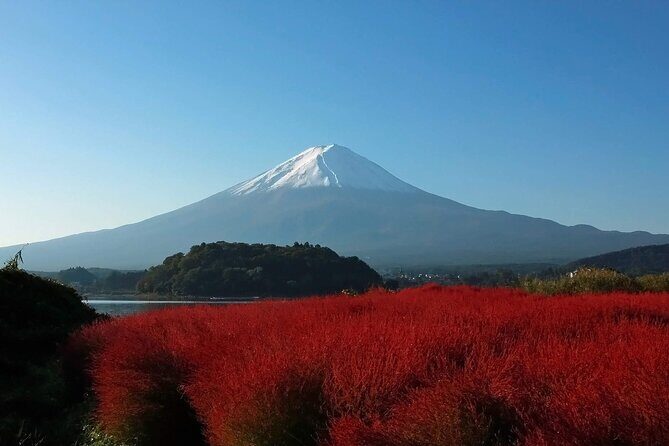
- Oishi Park on Lake Kawaguchi: flower scenes change by season, and the Mt. Fuji view changes with them
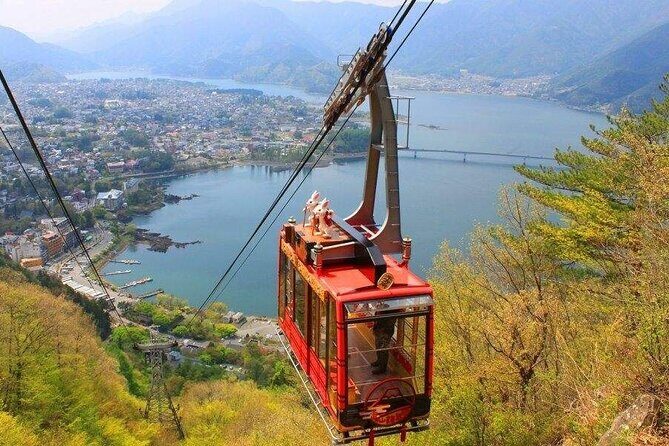
- Mt. Fuji Panoramic Ropeway includes admission for a 360-degree style view at 1,075 meters
- Fuji 5th Station Police Box gives you real “Sky Palace” vibes with 3 hours to explore the observation area
- Guides and translation: Japanese-speaking professional driver/guide plus Chinese/English translation service on the bus
- No guarantee on seeing Mt. Fuji—the tour keeps going, but the views may be blocked by weather
A practical look at what you’re really buying for $125.39
At $125.39 per person, this isn’t a cheap “just ride the bus” excursion. You’re paying for a full day with transportation, built-in admissions (ropeway, Oishi Park, and 5th Station), plus a real activity at the farm: guided walking, farm learning, and all-you-can-eat seasonal fruit picking.
You’re also buying time. Getting from Tokyo to Lake Kawaguchi plus Mt. Fuji areas on your own is doable, but it’s a lot of transfers and schedule pressure. On this tour, the day is timed around classic Fuji views and seasonal food.
One thing to keep in mind: the itinerary is flexible. Traffic can shorten time at stops, and if the road to the 5th Station can’t be passed, you may visit alternatives like Fuji Visitors Center or Oshino Hakkai. That’s not a flaw in the concept—it’s just how a mountain day works.
A few more Tokyo tours and experiences worth a look



Getting out of Shinjuku early: what “9 to 10 hours” feels like
The meet-up point is the Robert Indiana Sculpture “LOVE” in Nishishinjuku (6-chōme-5-1). The tour starts at 8:00am and ends back in Nishishinjuku at the Tokyo Mode Gakuen (Mode Gakuen Cocoon Tower), so you’re not scrambling to find your way home at the end.
This matters because Fuji days are timing-sensitive. You’ll be loading into a bus early, then running multiple stops back-to-back. The good news: the day includes bilingual support (Japanese driver/guide plus Chinese/English guide, with translation service on the bus). The better news: you don’t have to solve route planning while your day is moving.
Also: you’re required to wear a seat belt on the tour bus, since it’s the law in Japan. Bring the practical mindset—this is a structured day.
Yamanashi farm stop: the fruit picking part you’ll remember
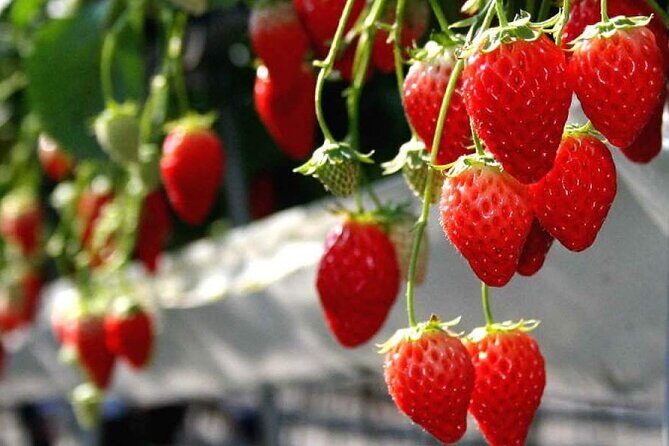
Stop 1 is in Yamanashi at a farm where you get a guided walkthrough of the property and farm practices. You can expect learning about organic farming practices, hands-on activities, and time to interact with the farm’s animals. Then comes the main event: fruit picking.
This is the heart of the tour, and it’s worth understanding the seasons, because the fruit changes a lot:
- Late December to early May: sweet strawberries
- May to June: Japanese cherries
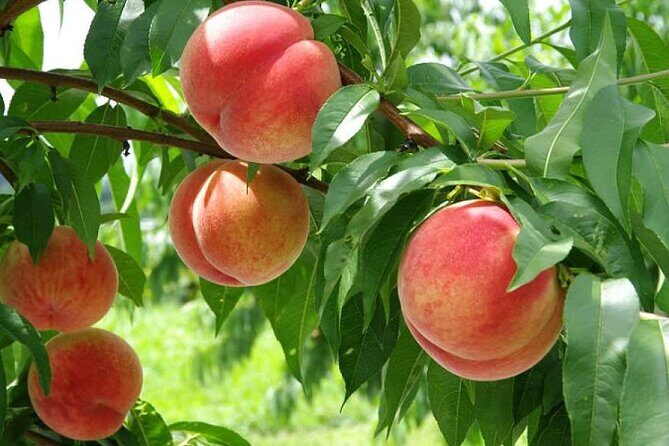
- July to August: sweet peaches
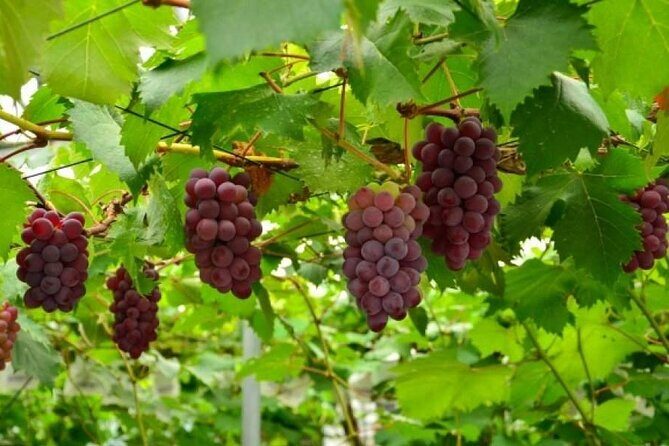
- August to early October: grapes
- Early October to mid-November: berries
- You may also get apple or orange picking, depending on the season
You also get all-you-can-eat fruit during the experience, which is the best kind of “included food” on a day trip. Still, the tour notes a real-world detail: depending on ripeness and growing conditions, some fruits may be picked in advance and served later on a fruit tasting plate—or given as a souvenir.
That’s actually helpful. It means you’re not standing around waiting for perfect fruit to appear. Just know the farm is working with what’s ready, not an artificial display.
Practical tips: wear comfortable shoes. You’re doing real walking, and you may be in an orchard setting depending on the time of year. If you’re picky about timing (for photos, bathroom breaks, etc.), remember this is a group schedule.
Oishi Park along Lake Kawaguchi: views and flowers, with seasonal twists
Next is Oishi Park, along the northern shores of Lake Kawaguchi. This stop is where the day shifts from “activity” into “scenery.”
You’ll have about 2 hours here. The park is known for postcard-style Mt. Fuji views, especially when the weather cooperates. You’ll also be walking through flower fields, and—this is important—the flower type depends on the season.
Based on the tour’s seasonal pattern, expect variation such as:
- April: cherry blossoms
- Late June to mid-July: lavender (herbs)
- October: Kochia
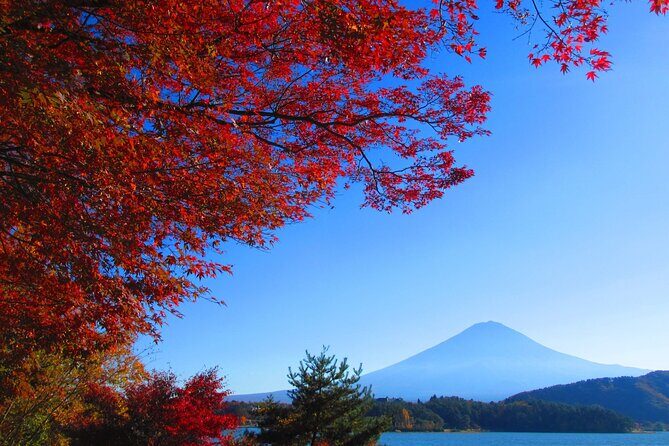
- November: autumn leaves
The tour also flags that the itinerary may change in cherry blossom and autumn leaves seasons. That usually means you’re still chasing the Fuji view, but you might be shifted to fit the seasonal layout and crowd flow.
A note on lunch timing: the stop is paired with lunch in the Yamanashi area. The tour includes lunch, but it’s described as approximately 30 minutes and not counted as full sightseeing time. So if you want a long sit-down meal, plan for a faster pace.
Mt. Fuji Panoramic Ropeway: what 1,075 meters buys you
Stop 3 is the Mt. Fuji Panoramic Ropeway, with admission included. You get about 1 hour 30 minutes total here, which should include boarding, riding, and time to take in the views.
Why ropeways matter: Mt. Fuji area viewpoints are often far enough apart that walking or driving on your own can chew up time. Ropeway access compresses that. The tour also highlights a 360-degree panorama style experience at an altitude of 1,075 meters.
In plain terms: this is your best bet for dramatic “I’m higher than I thought” views without committing to hiking. If clouds move in, a ropeway ride still gives you a change of perspective—though of course visibility can be limited by weather.
Bring a layer. Even if Tokyo is warm, the mountains can feel different. You’ll be glad you’re not overdressed or stuck wearing too-thin clothes.





Fuji 5th Station Police Box: the Sky Palace viewpoint
Stop 4 is Mt. Fuji 5th Station Police Box, described as the Sky Palace. This is scheduled for about 3 hours, with admission free.
Here’s what you should expect: you’ll go up, then have time at an observation area, plus you can explore the surroundings and take photos. The stop also references Mt. Fuji’s significance and folklore, which suggests there’s context provided on-site (and possibly via guide explanations), not just a quick scenic stop.
Key practical reality: this is the part most affected by weather and roads. The tour states that if the road to the 5th Station can’t be passed due to bad weather or congestion, you may visit alternatives such as Fuji Visitors Center or Oshino Hakkai instead. So you’re going up with a plan, but you’re not guaranteed every exact step if conditions don’t allow it.
If Mt. Fuji can’t be seen due to bad weather, the tour says it won’t cancel and there will be no refund. That’s the biggest “know before you go” item, because it affects expectations, not just logistics.
Houtou lunch in Yamanashi: hearty fuel for a full day
Lunch is included and tied directly to Yamanashi flavors. You’ll eat a Houtou pot set featuring thick udon-style noodles, pork, and fresh seasonal vegetables.
Even if you’re not a noodle fanatic, houtou is a nice match for this kind of day trip. It’s filling, it’s local, and it gives you proper energy for walking around Oishi Park and then doing the ropeway and 5th Station.
One timing note: lunch is included with the Oishi Park segment, but the tour notes that lunchtime itself is about 30 minutes and not added as extra free time in the itinerary. So treat it like: eat, refuel, and get back out.
When the plan changes: weather, traffic, and stop substitutions
This tour is built around big outdoor goals. That means it has to handle the usual mountain problems.
Here’s what you should plan for:
- Traffic congestion can shorten time at sightseeing spots or alter the order.
- Road access to Mt. Fuji 5th Station may fail under bad weather or heavy traffic. If that happens, you may go to a substitute like Fuji Visitors Center or Oshino Hakkai.
- Mount Fuji visibility isn’t guaranteed. The tour specifies there is a chance you won’t see Mt. Fuji in bad weather, and in that case the tour won’t cancel or refund.
This can be frustrating if you booked specifically for the view. Still, the itinerary is designed to keep the day moving: you get fruit picking, Oishi Park scenery, ropeway riding, and then a Fuji-area experience even if the exact location shifts.
If you want the best odds of seeing Mt. Fuji, choose a clear-weather day if you have any control over dates. And manage expectations: clouds are part of the story here, not just a problem.
Seasonal add-ons: how the tour adapts through the year
One useful thing about this itinerary is that it acknowledges that Fuji-area scenes change with the calendar. Depending on when you go, you may get different scenery emphasis.
The tour specifically mentions seasonal experiences like:
- Late December to March (winter): Saiko Iyashi no Sato Healing Village
- April (spring): cherry blossoms at Kawaguchiko Sakura
- Late April to late May (Shibazakura season): pink moss phlox at the Fuji Shibazakura Festival in Motosu Lake Resort
- June to July (summer): lavender fields at Oishi Park with Mt. Fuji as backdrop
- Late summer (August to September): stronger focus on ascending to the 5th Station
- October to November (autumn): autumn foliage at Oishi Park or the Momiji Corridor (Maple Leaf Tunnel)
So when you book, think in seasons, not in fixed checkboxes. The “same tour” can feel noticeably different depending on the month.
Price and logistics: who this tour fits best
This day tour fits best if you want:
- A structured day trip from Tokyo without train and bus juggling
- A real food experience (fruit picking + houtou lunch)
- Built-in language help, since the tour includes English/Chinese translation on the bus and bilingual guides
- A classic Fuji “greatest hits” outline: ropeway + 5th Station + Lake Kawaguchi area
It may be a tough fit if you:
- Need maximum flexibility. Since it’s non-refundable and the day can be shortened by conditions, you should be comfortable with a plan that adapts.
- Book purely for perfect Mt. Fuji visibility. The tour clearly warns you there’s a chance you won’t see the mountain.
Group size is also capped at 100 travelers, and the tour notes a minimum of 15 participants to operate. If the group is small, you may ride in a mini van instead of a larger bus, which can make the day feel tighter and more “directed,” even if it’s still comfortable.
The bottom line: should you book this Mt. Fuji and fruit picking tour?
I’d book it if you want a one-day way to combine Yamanashi fruit picking with Lake Kawaguchi viewpoints and a real shot at Mt. Fuji from the ropeway and the 5th Station. The value is strongest when you care about eating seasonal fruit and don’t want to build a complicated itinerary from scratch.
I’d hesitate if your trip is brittle—if you can’t handle schedule adjustments or the possibility that the mountain view might be cloudy. This tour is honest about that risk, and it keeps moving even when visibility is limited.
If you’re the kind of traveler who enjoys the process—fruit in season, flowers by the month, and a full day of Fuji-area stops—this is a very solid choice.
FAQ
What time does the tour start and where do we meet?
It starts at 8:00am at the Robert Indiana Sculpture “LOVE” at 6-chōme-5-1 Nishishinjuku, Shinjuku City. The tour ends at Tokyo Mode Gakuen (Mode Gakuen Cocoon Tower), 1-chōme-7-3 Nishishinjuku.
How long is the tour?
The tour duration is about 9 to 10 hours.
What’s included in the price?
Included items are: Mt. Fuji Panoramic Ropeway admission, a Japanese-speaking professional driver/guide, a Chinese/English-speaking guide with English or Chinese translation service on the bus, lunch, and all-you-can-eat seasonal fruit picking.
What fruit will I pick?
Fruit depends on the season: sweet strawberries (late Dec–early May), Japanese cherries (May–June), sweet peaches (July–August), grapes (August–early October), and berries (early October–mid November). Apple or orange picking may also happen depending on conditions.
What if the road to Mt. Fuji 5th Station is blocked?
If bad weather or traffic prevents access to Mt. Fuji 5th Station, the schedule can change and you may visit Fuji Visitors Center or Oshino Hakkai instead.
Will I get a refund if I can’t see Mt. Fuji?
The tour says that in bad weather there’s a chance Mt. Fuji cannot be seen, and for that reason the tour will not cancel and will not provide a refund.
Is lunch included, and how long is it?
Lunch is included. The tour notes lunch time is about 30 minutes and is not counted as additional sightseeing time.
Is there any shuttle service included from the start point?
No. The tour notes that a shuttle is not included.
What are the group size rules?
The tour has a maximum of 100 travelers, and it requires a minimum of 15 participants to operate. If the group is smaller, a mini van may be used for departure.