REVIEW · TOKYO
Kamakura: One Day Private Tour with English Speaking Guide
Book on GetYourGuide →Operated by Japan Travelers · Bookable on GetYourGuide
Kamakura in one day feels oddly possible. This private tour strings together temple classics and coastal-shrine culture with a private car from Tokyo, so you’re not wrestling trains or schedules. I especially like the way the day is set up for flexibility, and I also love that the itinerary is built around iconic sights like Kōtoku-in’s Great Buddha plus easy photo moments in between.
One thing to plan around: you’ll still be paying for some things yourself, and the day can include a lot of walking even when you’re not doing the legwork. Also, since this is marketed as a live-guided experience, I’d double-check that your guide will actually walk with you at the sites you care most about—there’s enough variation in guiding quality that it matters.
In This Review
- Key Things I’d Bet You’ll Care About
- From Tokyo: Why Kamakura Works as a Private 10-Hour Day
- Private Van + Live Guide: What You Gain (and What to Watch)
- Kōtoku-in’s Great Buddha and the Bamboo Break: A Great Start
- Hase-dera: Temple Time, Steps, and Views
- Tsurugaoka Hachimangu and the Street-Stop Rhythm
- Enoshima and Benten Shrines: A Change of Scene From Kamakura
- Yokohama Stops: Chinatown, Sankeien Gardens, and Ramen Museum
- Pacing That Feels Human: How the 10 Hours Typically Flow
- Price and Value: $486 per Group for Up to 6
- Who This Tour Fits Best (and Who Might Skip It)
- When to Think Twice: The Guide vs. Driver Difference
- Should You Book This Kamakura and Enoshima Day Trip?
- FAQ
- How long is the Kamakura private tour?
- What’s the meeting point and pickup included?
- How much does the tour cost and how many people can it include?
- Are entrance fees included for temples and attractions?
- Is lunch included?
- What’s included in the tour price besides transport?
- What languages are the guides available in?
- Is the itinerary customizable?
- Is the tour suitable for pregnant women?
- FAQ cancellation question
Key Things I’d Bet You’ll Care About
- Door-to-door pickup from Tokyo: starts and ends with a hotel pick-up and a return to Tokyo.
- A private van for your group: you set the pace and reduce transit stress.
- Kamakura’s top sights packed into one loop: Great Buddha, bamboo, Hase-dera, and Tsurugaoka Hachimangu.
- Time to shop and wander: including KOMACHI street as part of the experience (when the schedule allows).
- Enoshima and Benten shrines: a different mood from Kamakura’s temple streets.
- Yokohama add-ons that change the vibe: Chinatown, Sankeien Gardens, and the Shin-Yokohama Ramen Museum.
From Tokyo: Why Kamakura Works as a Private 10-Hour Day
Kamakura is close enough to Tokyo that you can do a serious sightseeing day without feeling like you’re spending half your trip commuting. The private format is the big win here: you leave Tokyo, see a concentrated set of historic and scenic spots, then head back with minimal hassle.
You’re also getting a smarter mix than a pure-temple route. The plan pairs Kamakura’s shrine-and-buddha highlights with an extra Yokohama stretch, which helps break up the day so you don’t just feel like you’re “on temples” for 10 straight hours.
You can also read our reviews of more guided tours in Tokyo

Private Van + Live Guide: What You Gain (and What to Watch)
This is a private group tour with transportation by van and a live guide. The guide language options include English, Hindi, and Japanese, and the day is described as customizable—so you can nudge the itinerary to match your interests.
In the best versions of this tour, the guide doesn’t just name places. You get context that helps you understand why these sites mattered, and you get practical flexibility if you want a little more time somewhere (or if a stop feels too crowded). One guide name that comes up is Ali, and people highlight how patient he was and how the schedule stayed comfortable rather than rushed.
Now for the real-world consideration: there can be moments where the “tour” part feels thinner than you expected, especially if the guide ends up not accompanying you into sites for parking or time reasons. Before you go, make your priorities clear early—tell the guide which stops you want explained most (for many people, that’s Great Buddha and the shrine areas), and ask that you’ll have guiding time at those specific points.
Kōtoku-in’s Great Buddha and the Bamboo Break: A Great Start
Most people come to Kamakura for the big icons, and Kōtoku-in delivers fast. The day starts with a guided visit there (about an hour), and the focus is the massive Great Buddha image. Even if you’ve seen photos, being there in person makes the scale feel real—and it’s one of the places where a guide’s context helps you see beyond the postcard view.
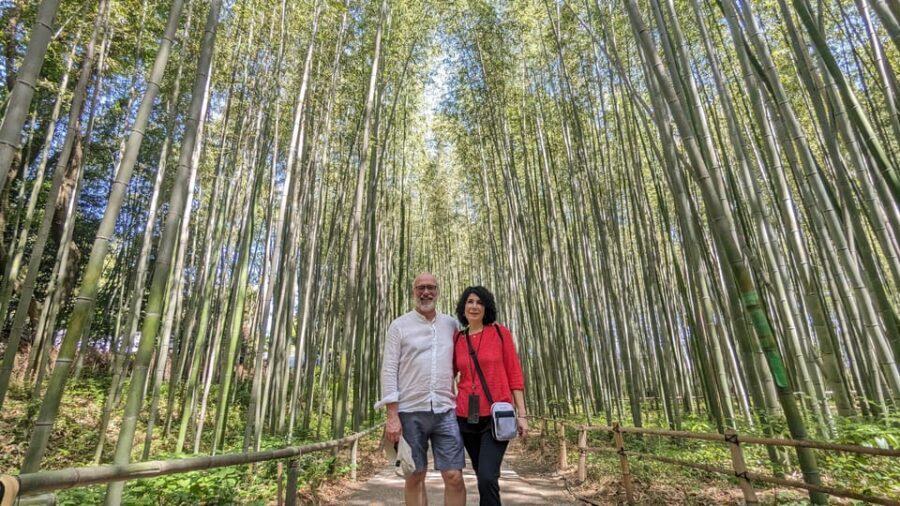
From there, you move to the Hokokuji Bamboo Forest area. Plan for this as a photo and strolling stop with guidance plus time to actually enjoy the atmosphere (about an hour). The bamboo works as a breathing break: you’re not climbing pagodas or standing in long lines. It’s quieter, more atmospheric, and a nice reset after the heavy “major sight” energy.
Hase-dera: Temple Time, Steps, and Views
Next up is Hase-dera, another guided stop (about an hour). This is the kind of place where the route within the grounds can shape your experience. If you like slow looking—statues, smaller halls, and garden-like corners—Hase-dera rewards that approach.
The practical piece: you should wear comfortable shoes. A lot of temple grounds are stair-heavy and uneven in places, and you’ll be on your feet for most of the day anyway. This is where a private tour helps because you can control how often you stop for photos or to sit for a moment rather than being swept along with a large group rhythm.
Tsurugaoka Hachimangu and the Street-Stop Rhythm
For many visitors, Tsurugaoka Hachimangu is the emotional center of Kamakura. The plan includes a guided visit (around an hour) plus sightseeing time. This is where you’ll feel Kamakura as a living religious hub rather than only an old-city museum.
On the way, the experience description includes KOMACHI street shopping. That’s a fun counterbalance to temple solemnity: you get snacks, small gifts, and local products in a pedestrian-friendly setting. It’s also a good place to pick up souvenirs that feel more “of the area” instead of generic tourist goods.
The drawback? Shopping streets can also be crowded. If you hate squeezing through crowds, aim for a calm window in the middle of the day, and ask your guide where the easy lanes are to browse without getting stuck.
You can also read our reviews of more private tours in Tokyo


Enoshima and Benten Shrines: A Change of Scene From Kamakura
One of the more memorable parts of this tour plan is the island stop at Enoshima, described as having many shrines dedicated to Benten—the goddess associated with luck, wealth, music, and knowledge. Even if you’re not the type to read every sign, it’s a satisfying cultural shift: it feels different from the dense temple streets of Kamakura.
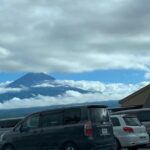
You’re also told that on a clear day, you may catch stunning views of Mount Fuji. I’d treat that as a bonus rather than a guarantee. Still, the fact that the itinerary is set up to include Enoshima means you’re not just ticking off shrines—you’re getting coastal scenery and a lighter mood.
Because your itinerary is customizable, you can steer how much time you spend on Enoshima versus the inland temple stops. If you’re chasing views, ask to prioritize the island’s walking sections. If you’re more focused on religious architecture, allocate time for the Benten shrine areas and keep your pacing steady.
Yokohama Stops: Chinatown, Sankeien Gardens, and Ramen Museum
After Kamakura, the tour continues into Yokohama with a trio of very different experiences.
First is Yokohama Chinatown, with guided time and sightseeing (about an hour). This is where your day stops feeling strictly “Japanese temples” and starts feeling like a modern city with history, food culture, and lots of street energy.
Then you head to Sankeien Gardens (about an hour). This is a good tonal shift from temples and shrines, because gardens tend to slow the pace. You’ll likely enjoy it more if you like strolling and looking at traditional landscaping rather than rushing between buildings.
Finally comes the Shin-Yokohama Ramen Museum (about an hour). Even if ramen museums aren’t your thing, it can be a fun break from walking—something interactive and playful after hours of sacred sites. It’s also an easy “treat stop” where you don’t have to commit to a full sit-down meal, depending on what’s available when you arrive.
Pacing That Feels Human: How the 10 Hours Typically Flow
A private day trip can go one of two ways: either it feels relaxed, or it feels like a long checklist. The upside here is that the tour is structured with time for each stop rather than dragging you along with minimal breaks. People who’ve done this say the stops didn’t feel rushed, and that the guide would adjust the schedule when they wanted extra time.
Still, 10 hours from pickup to drop-off is a long day. I’d plan to conserve energy with a realistic mindset: you’re going to walk, stand, and move through crowded spots at least briefly. Bring water (you’ll get bottles), and plan your lunch strategy ahead of time since lunch isn’t included.
Price and Value: $486 per Group for Up to 6
At $486 per group up to 6, this is priced for people who want private access without doing the logistics work themselves. The math gets friendlier as you fill seats: for 4 people it can feel like a splurge that still compares well to multiple individual taxis or train transfers plus separate guiding. For 6 people, it can land in a much more reasonable per-person range, especially given that parking fees and private van transport are included.
What’s not included matters:
- Lunch
- Admission fees to attractions
So treat the headline price as the “transport + guiding + time” cost. Your total day budget will rise if you add paid entries at temples or special sites. If you’re the type who hates spending extra at the gate, decide in advance which attractions you truly want to pay for and which you’re happy to enjoy from the outside.
Who This Tour Fits Best (and Who Might Skip It)
This tour is a strong match if you want:
- A private guide-led Kamakura day without transit stress
- A mix of temples, nature (bamboo), shrine culture, and coastal Enoshima
- A group that can share the van cost
It also works well for solo travelers who don’t want to roll the dice on timing with public transport and walking-only routes. One guide-led strength highlighted in the experience is that people felt safe and comfortable during the day.
The main “skip” category from the provided info: it’s not suitable for pregnant women. If anyone in your group has mobility concerns, you should ask questions about walking demands before booking.
When to Think Twice: The Guide vs. Driver Difference
This is the part I’d be very honest about. The experience is sold as having a live guide, but there’s enough evidence of inconsistency that you should plan to protect your expectations.
If a guide doesn’t join you at sites, the day can shift from sightseeing with explanations into something closer to a car-and-drop-off experience. You can prevent disappointment by:
- telling the guide which 2–3 sites are your priority
- confirming you’ll have guided time during those stops
- asking for a simple plan at the start of the day so you know what “guided” means in practice
It’s still likely you’ll get an excellent day, especially if you communicate clearly and choose your priorities thoughtfully. Just don’t assume every minute will feel equally guided at every stop.
Should You Book This Kamakura and Enoshima Day Trip?
If you’re trying to do Kamakura properly but you want it to feel easy—private van, guide explanations, and a plan that includes both major sights and a change of scenery—this is a compelling way to spend a day. The route’s mix of Kōtoku-in, bamboo at Hokokuji, shrine time at Tsurugaoka Hachimangu, and the potential for Enoshima and Benten shrines is exactly the kind of combination that public transport-only days struggle to pull off comfortably.
Skip it if you want a very slow, flexible day with minimal walking, or if anyone in your group is not a good fit for the tour’s walking demands. Also, if you hate paying extra at the gate for admissions, budget for that up front.
FAQ
How long is the Kamakura private tour?
The duration is 10 hours.
What’s the meeting point and pickup included?
Pickup is from your hotel in Tokyo, and the tour returns you back to Tokyo.
How much does the tour cost and how many people can it include?
It’s $486 per group, for up to 6 people.
Are entrance fees included for temples and attractions?
No. Admission fees to attractions are not included.
Is lunch included?
No. Lunch isn’t included.
What’s included in the tour price besides transport?
You get private transportation by van, a live tour guide, water bottles, and parking fees.
What languages are the guides available in?
The live tour guide is available in English, Hindi, and Japanese.
Is the itinerary customizable?
Yes. The itinerary can be customized to your interests and preferences.
Is the tour suitable for pregnant women?
No, it’s not suitable for pregnant women.
FAQ cancellation question
Is free cancellation available?
Yes, you can cancel up to 24 hours in advance for a full refund.