REVIEW · TOKYO
Tokyo: Shibuya Bike Tour
Book on GetYourGuide →Operated by JAPANKART · Bookable on GetYourGuide
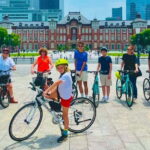
Two wheels through Tokyo’s trendiest blocks. This Shibuya bike tour is a fast, fun way to see Shibuya Crossing and Meiji Shrine from street level. You glide through iconic neighborhoods with a local guide, so Tokyo feels close up instead of like something you just pass on foot or train.
I especially like the built-in mix of big-city action and calm pause time. You get a photo-friendly stop at the Meiji Shrine entrance, then roll right back into the energy of Shibuya and Harajuku.
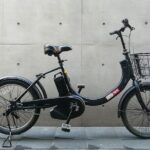
One thing to consider is bike fit: the recommended height is 160cm to 185cm, and above or below that, comfort can drop even if participation is sometimes possible (height/fit matters).
In This Review
- Key points before you go
- Starting at JAPANKART Shinjuku: gear up and get comfortable fast
- What you should wear (and why)
- Shinjuku riding: how you catch the rhythm without getting overwhelmed
- What makes Shinjuku valuable from a bike
- Shibuya Crossing and the Harajuku edge: iconic sights with real street time
- Optional costume time: why it works here
- Meiji Shrine entrance stop: photos, breathing room, and a reset button
- The photo tip I’d follow
- How the guide keeps it safe and fun (without killing your time)
- Price and value: is $46 worth it for 80 minutes in Tokyo?
- Who should book this Shibuya Bike Tour—and who should skip it
- Should you book it? My practical decision guide
- FAQ
- How long is the Tokyo Shibuya Bike Tour?
- Where do we meet for the tour?
- What are the age and size requirements?
- What’s included in the price?
- Do I need to bring a helmet?
- What should I wear or bring?
- What’s the best cancellation window?
Key points before you go
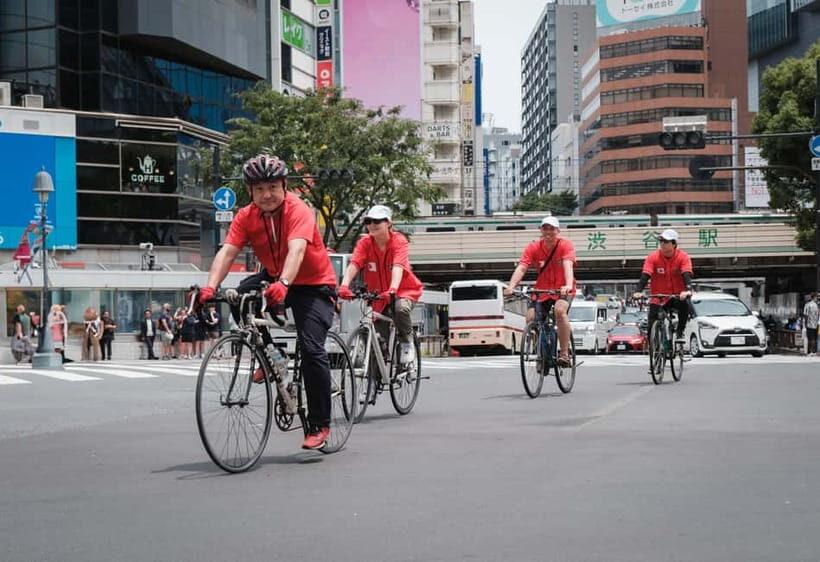
- Small group of up to 5 keeps the ride manageable and the guide’s attention focused
- English-speaking local guide helps you follow the plan and choose route options
- Meiji Shrine entrance stop is your scenic reset, with time to look and take photos
- Costumes and helmets are free (helmets aren’t required in Japan, but you’ll be safer wearing one)
- Cycling Shinjuku to Shibuya to Harajuku gives you Tokyo’s “now” vibe in one smooth loop
Starting at JAPANKART Shinjuku: gear up and get comfortable fast
The tour begins at JAPANKART Shinjuku Branch, located near Kabukicho, with Shinjuku-sanchome Station as the nearest station. That part matters more than it sounds, because Tokyo’s quickest routes are often about minimizing walking—especially when you’re headed into Shinjuku chaos.
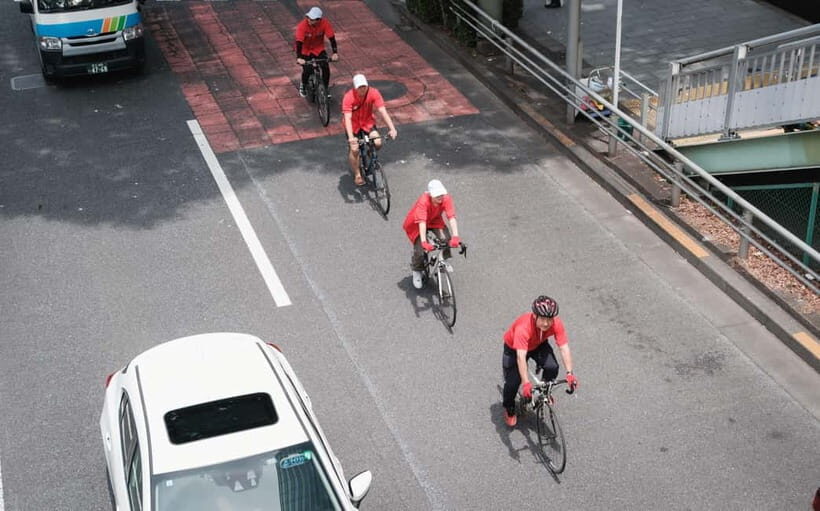
Once you arrive, you’re not just grabbing a bike and rolling. You’ll get adjusted and set up so the ride feels stable from the start. In at least some recent groups, the setup included bike sizing tweaks and even a short test ride, which is a smart move when roads and traffic demand confidence.
You can also choose to wear the provided costume and helmet. In Japan, costumes aren’t weird—people see them as part of the experience. The practical upside is that the helmet and the bike rules help keep dress-up safe rather than chaotic.
You can also read our reviews of more cycling tours in Tokyo
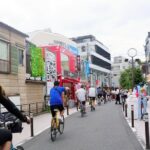
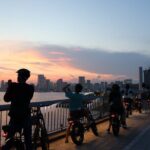
What you should wear (and why)
Bring comfortable shoes and comfortable clothes. The tour also gives you a helmet, and you’ll be happiest if your outfit doesn’t restrict your movement. Avoid anything that slides around or flaps—cycling is all about small adjustments, and you’ll feel it if your clothes fight you.
And no, sandals and flip-flops aren’t allowed. In other words: wear real shoes so you can brake, balance, and step off quickly if needed.
Shinjuku riding: how you catch the rhythm without getting overwhelmed
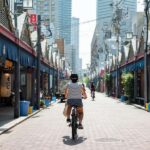
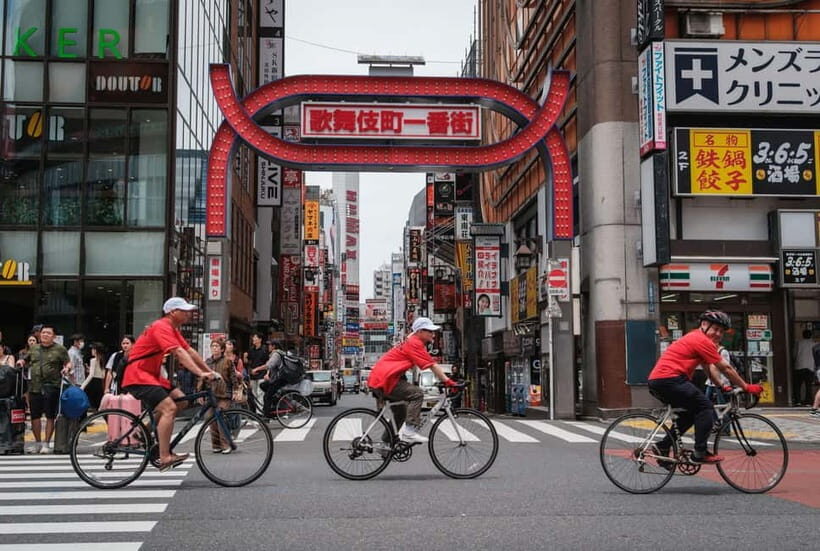
The first real riding chunk is through Shinjuku, guided for about 20 minutes. This is a good warm-up because Shinjuku can be visually intense—signs, crossings, train platforms, people everywhere. The guide’s job here is to help you learn the ride rhythm so you don’t waste your energy staying tense.
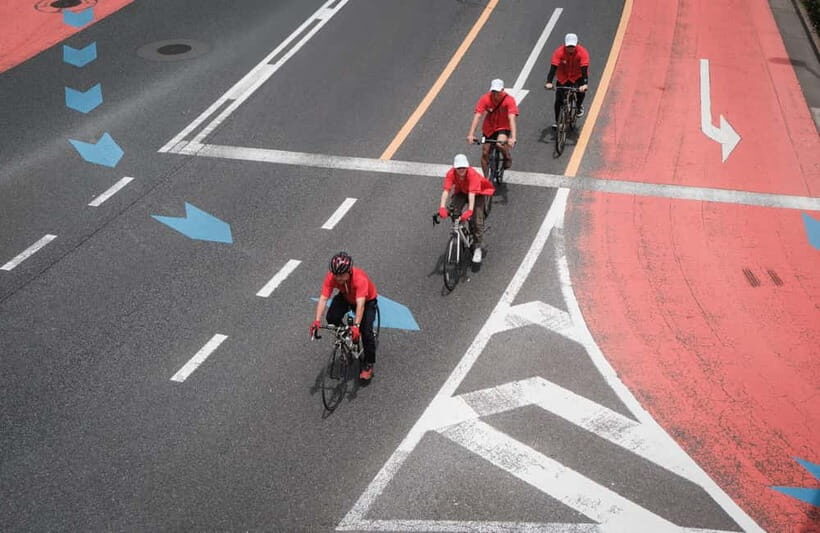
A helpful pattern is that you’ll get a sense of where the bike lanes and street flow are, and you’ll learn how to position yourself among pedestrians and vehicles. Even if you’re an experienced cyclist, Tokyo traffic behavior can feel different, so getting guided early makes the rest of the tour smoother.
Also watch for route choice. In one group experience, the guide explained different route options based on fitness level, and the group ended up doing a slightly more intense route. That means you’re not stuck with one pace no matter what you bring—your guide can steer the experience.
What makes Shinjuku valuable from a bike
Shinjuku is where you learn Tokyo’s scale. From a bike, it’s not just towers and stations—it’s street life: entrances, side alleys, and the quick shifts between dense commercial blocks and calmer stretches. You’ll also spot landmarks faster because you’re moving at a human speed, not sitting inside a train car.
Shibuya Crossing and the Harajuku edge: iconic sights with real street time
Next up, you’ll hit Shibuya Crossing for about 20 minutes. This is the part most people picture: the famous scramble, the crowd energy, the huge intersection. The bike format changes the feel. You’re not just standing in a crush; you’re watching the flow while you’re part of it—then riding away before your legs go numb.
One bonus seen in recent rides: guides may also point out major Shibuya landmarks along the way, such as the Hachiko statue area, depending on the route and group flow. You might even pass by streets that feel tucked away even though you’re still in the center of everything.
After Shibuya, the tour moves into Harajuku for another visit time (around 20 minutes). Harajuku’s best trait is how fast it changes. You can get fashion-focused streets next to quieter pockets where you suddenly hear less traffic. On a bike, you’ll feel those transitions more sharply than if you’re on foot.





Optional costume time: why it works here
Harajuku plus costumes is a natural match. Even if you think you’ll look silly, the helmet helps keep it grounded and safe. The practical win is that costume makes the photos fun without slowing the ride—your guide can keep you moving while still letting you enjoy the moment.
Meiji Shrine entrance stop: photos, breathing room, and a reset button
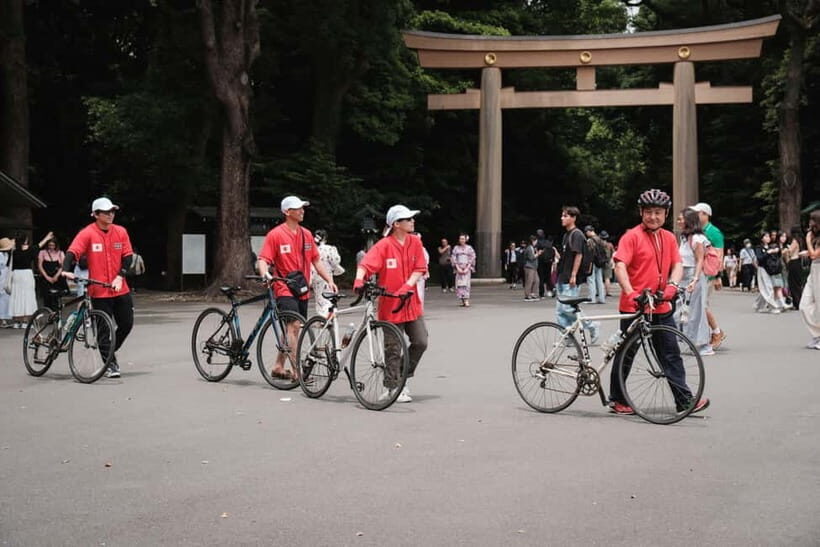
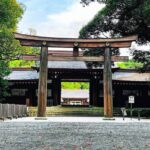
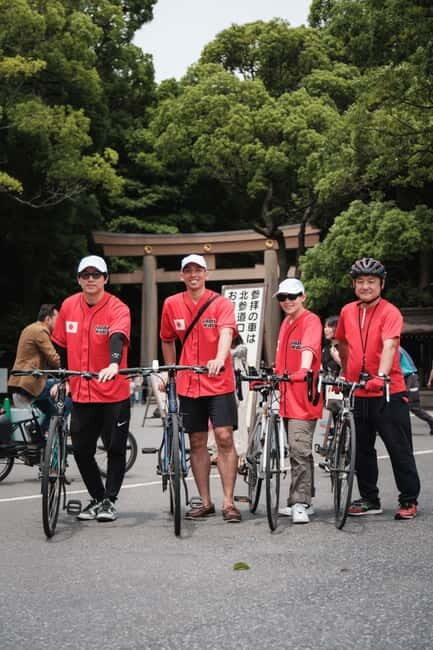
The Meiji Shrine portion is designed as a pause. You’ll have a scenic break at the entrance, with time to visit. Your overall stop there is listed as about 20 minutes, but the tour concept includes a short scenic break (roughly 5–10 minutes) so you can step in, take photos, and reset your focus.
This stop is more than scenery. Tokyo can drain you because everything is constantly happening. Meiji Shrine’s entrance area gives you a breather between two high-energy neighborhoods. You get that contrast—city noise on one side, a calmer atmosphere right after—that makes the whole day feel thoughtfully paced.
It’s also a practical advantage: the break helps you catch your breath, straighten out your posture after cycling, and re-check your gear. If you’re prone to getting tired, this is where you’ll feel the tour’s “relaxed” side come through.
The photo tip I’d follow
Plan to take your photos quickly, then watch what’s happening around the gate area. Even if you only get a few shots, you’ll get better images if you don’t spend the whole time fiddling with settings. Keep it simple so you can enjoy the transition back to street riding.
How the guide keeps it safe and fun (without killing your time)
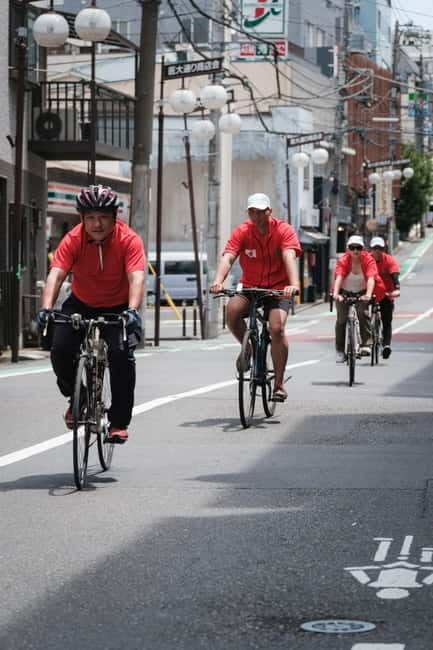
This tour is built for a simple goal: see key places without turning your day into a checklist marathon. That’s why it’s about 80 minutes of riding time and why the group stays small—up to 5 participants. Smaller groups mean fewer bottlenecks and more time for the guide to adjust to your pace.
You also get an English-speaking live guide. That matters because Tokyo navigation isn’t just about streets; it’s about timing and signals. Having instructions in English makes it easier to anticipate stops and avoid awkward uncertainty at crossings.
Helmets are strongly encouraged even though they aren’t legally required in Japan. The point isn’t rules—it’s safety. A bicycle tour is still a street-based activity, and Tokyo has plenty of movement. Helmets help reduce the risk from slips, sudden stops, or close passes.
One more detail that helps: the tour includes costumes and helmets for free. That removes friction. You don’t have to figure out where to buy gear, and you don’t have to worry about what style of helmet you’ll end up with.
Price and value: is $46 worth it for 80 minutes in Tokyo?
At $46 per person for about 80 minutes, this tour sits in the “short and satisfying” category. You’re paying for a few things that are hard to replicate on your own: bike setup, guided route choice, and time-saving access to places like Shibuya Crossing and Meiji Shrine entrance without spending hours figuring out an itinerary.
The value jumps because the tour includes bikes, costumes, and helmets. In many parts of the world, you’d pay separately for those or you’d sacrifice comfort by riding without a good helmet. Here, it’s all included, and that makes the whole experience feel less like a rental and more like a guided activity.
Another value factor is the time structure. Including check-in and prep, the total time is about 90–100 minutes. That’s a manageable block in a city packed with options. If you want Tokyo highlights without committing a half day, this fits nicely.
The only “value catch” is the fit requirements. If you fall outside the recommended height range or if the bike feels cramped, your experience might not feel as relaxed as intended. In other words: price is good, but comfort depends on correct sizing.
Who should book this Shibuya Bike Tour—and who should skip it
This is a strong match if you:
- Want a first-time-friendly way to see Shibuya, Shinjuku, and Harajuku with a guide
- Prefer action with structure (short visits at each key stop, not wandering for hours)
- Enjoy photo breaks and optional dress-up, without turning it into a long sightseeing day
- Want an activity that’s more movement than waiting, but still guided and organized
It’s less ideal if you:
- Are under 12 years old (minimum age is 12)
- Are much taller than 185cm and expect a roomy fit
- Are under 160cm and might struggle to safely straddle the bike and keep both feet on the ground
- Are over 125kg; it’s not an automatic disqualification, but comfort and safety may vary depending on proportions
Also keep in mind the rules: no intoxication, and avoid certain clothing like short skirts. Sandals and flip-flops are not allowed, so wear real footwear.
Should you book it? My practical decision guide
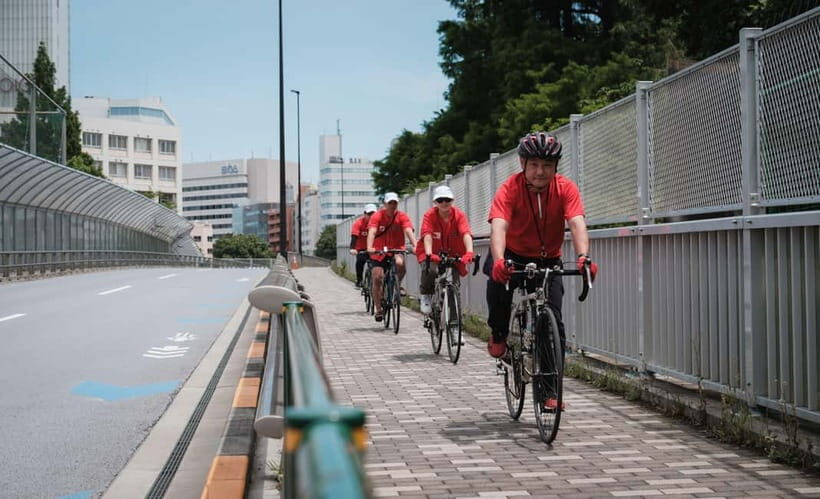
Book this tour if you want Tokyo highlights with momentum. The combination of Shibuya Crossing, Meiji Shrine entrance, and Harajuku hits three different moods in one loop, and the small group size keeps the ride from feeling like a production.
Don’t book it if your top priority is long, slow shrine wandering or museum-level depth. This is not that type of experience. It’s more about seeing Tokyo’s key scenes from a bike and getting back out to keep your day moving.
And if you’re the kind of person who likes a guide to handle the street logistics and pacing—this will feel easy. As long as your height and comfort fit the bike, it’s one of the most time-efficient ways to get Tokyo’s energy into a single hour-plus ride.
If you want, tell me your travel dates, your height/weight, and whether you’re more into photos or speed, and I’ll help you decide if this tour fits your schedule.
FAQ
How long is the Tokyo Shibuya Bike Tour?
The bike tour itself is about 80 minutes. Including check-in and prep time, plan for roughly 90–100 minutes total.
Where do we meet for the tour?
You meet at JAPANKART Shinjuku Branch, located nearby Kabukicho. The nearest station is Shinjuku-sanchome Station.
What are the age and size requirements?
Participants must be at least 12 years old. The recommended height range is 160cm to 185cm. Riders under 160cm may still join if they can safely straddle the bike and place both feet on the ground. The recommended weight limit is up to 125kg.
What’s included in the price?
The tour includes the bicycle, costumes, and helmets.
Do I need to bring a helmet?
No. Helmets are available free of charge. Helmets aren’t legally required in Japan, but they are strongly encouraged for safety.
What should I wear or bring?
Bring comfortable shoes and comfortable clothes. Avoid sandals or flip-flops, and follow clothing rules such as no short skirts.
What’s the best cancellation window?
You can cancel up to 24 hours in advance for a full refund.