REVIEW · TOKYO
Vegan / Vegatarian Ramen Tour
Book on Viator →Operated by Tokyo Ramen Tours · Bookable on Viator
Tokyo ramen, but make it vegan.
This small-group tour turns Shibuya and Shinjuku into a simple, guided food walk, with four mini vegan bowls plus one drink in about two hours. I like that it’s built for sampling instead of committing to one bowl, and you’ll taste different ramen styles rather than repeating the same thing. One consideration: public transportation (about ¥170 per person) isn’t included, so you’ll want to budget a little extra on top of the $91.05 price.
What really raises the quality is the human part. Guides such as Brian, Sahori, and Bunga focus on the why behind ramen: broth, noodles, and toppings, plus how the styles differ from one shop to the next. If you’re strict about what you can eat, the tour does offer a gluten-free option, but it’s something you’ll want to factor in when you plan meals during the rest of your day.
In This Review
- Key Things I’d Be Excited About
- Why This Vegan Ramen Tour Works So Well in Tokyo
- Meeting at Shibu Hachiko Box and Getting Ready for Shibuya
- A Quick Stop at Shibuya Crossing (Then Straight to Food)
- Two Ramen Shops in Two Neighborhoods
- What You Eat: Four Mini Bowls and One Drink
- The Ramen Styles You’ll Actually Taste: Hokkaido and Tsukemen
- Gluten-Free Is Available: Plan Your Day Around It
- Train Ride Between Shibuya and Shinjuku (and a Little Help)
- The End Point Near Zenrosai Hall / Space Zero
- Price and Value: What $91.05 Really Buys You
- Who Should Book This Vegan Ramen Tour (and Who Might Skip)
- Should You Book This Vegan Ramen Tour?
- FAQ
- What’s included in the Vegan / Vegetarian Ramen Tour price?
- How long is the tour?
- Where does the tour start and what time does it begin?
- Where does the tour end?
- Do I need to pay for public transportation?
- Is gluten-free ramen available?
- How big is the group?
- How is the ticket delivered?
- What’s the cancellation refund rule?
Key Things I’d Be Excited About

- Four mini bowls at two ramen shops: you get variety without a food hangover
- Shibuya Crossing quick stop: world-famous street energy, short and efficient
- Hokkaido-style and tsukemen styles: two ramen flavors, two ways to enjoy them
- Small group up to 6: more questions, less waiting around
- Gluten-free option available: helpful if you need it during the trip
- Guides who help with trains: Bunga is noted for assisting with train tickets when needed
Why This Vegan Ramen Tour Works So Well in Tokyo
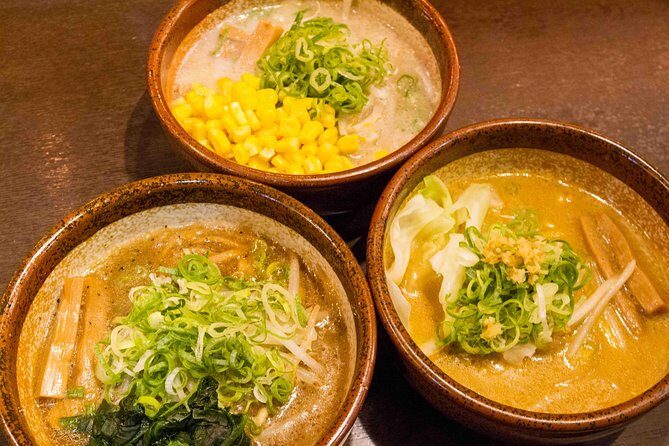
Tokyo can overwhelm your stomach fast. Too many neighborhoods, too many menu choices, and not enough time to sort it all out. This tour makes ramen feel manageable: you get a plan, a guide, and just enough structure to keep you moving.
The big win is variety. You don’t just eat one vegan ramen bowl and call it a day. You’ll sample four mini bowls across two different shops, and that format is ideal when you want to taste more than one style but you’re still figuring out Tokyo food options.
I also like the pace. About two hours is long enough to feel like an experience, but short enough that it won’t ruin your evening plans. Plus, it runs right around late morning at 11:00 am, which is a sweet spot for ramen lunch without needing an early start.
A few more Tokyo tours and experiences worth a look
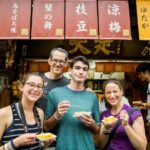

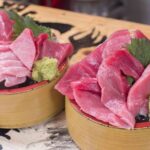
Meeting at Shibu Hachiko Box and Getting Ready for Shibuya
Your morning begins near the Shibuya rail-and-street chaos, at SHIBU HACHI BOX (2-chōme-1-1 Dōgenzaka). The start time is 11:00 am, and the meeting point is close to public transportation, which matters in Tokyo where directions can change depending on which exit you use.
This matters for two reasons. First, you’ll want a low-stress start before you eat. Second, the tour is designed to keep you moving through places you might skip if you’re flying solo and trying to read the map in real time.
Expect small-group energy. With a maximum of 6 travelers, the guide can answer questions without turning it into a rushed lecture. That usually shows up in how comfortable you feel ordering and asking about what’s in each bowl.
A Quick Stop at Shibuya Crossing (Then Straight to Food)
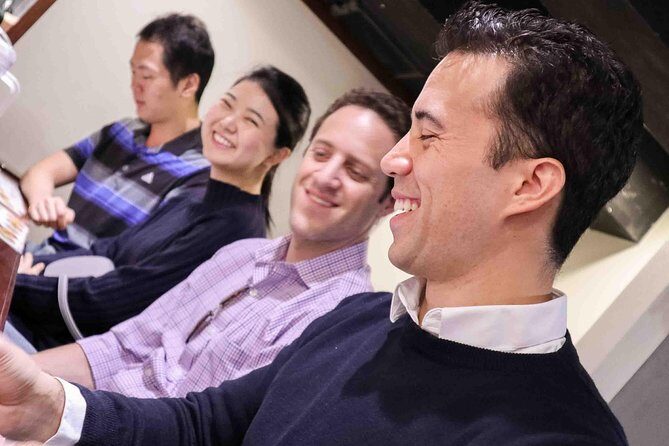
There’s a short moment set aside at Shibuya Crossing, the famous scramble where pedestrian traffic moves like a single organism. You’ll get about 5 minutes, and there’s no paid entry there. It’s not the whole attraction; it’s a quick way to take in the setting before the tour becomes about ramen.
This kind of stop is practical. It gets you oriented and gives you an easy win for photos, without letting the sight-stealing distract you from lunch. If you’ve never stood on a Shibuya corner before, it can be a lot. Doing it for a few minutes with a guide keeps the experience fun instead of stressful.
Two Ramen Shops in Two Neighborhoods
After Shibuya Crossing, the tour food mission becomes very clear: two ramen shops, with travel between them by train. The first shop is in Shibuya, and the second is in Shinjuku, where the streets feel different even if it’s still the same city.
That neighborhood change is not just a geographic detail. It’s part of why the tour feels more complete. Shibuya tends to feel youth-focused and fast-moving. Shinjuku often feels more adult and layered, with more late-night energy. Even without seeing every corner, you get a sense of Tokyo’s range through where you eat.
At each ramen stop, you’ll have two mini vegan bowls. Think of them as taste tests with a purpose. You’ll be able to compare broth styles, noodle texture, and toppings without committing to a full-size bowl twice in a row.
What You Eat: Four Mini Bowls and One Drink
The price includes Lunch: four mini bowls of ramen and one drink. That’s a strong setup if you’re trying to control your spending and still eat like you’re in Tokyo.
Here’s why the mini-bowl format is such good value:
- You sample more than one style without wasting food or time ordering something you don’t like
- You can keep an appetite for later snacks (Tokyo is great at turning one ramen tour into a food week)
- You can compare vegan ramen variations more meaningfully than if every stop was the same bowl size
The guide also connects what you’re eating to what makes ramen ramen—broth, noodles, and toppings. People like Brian and Sahori are noted for explaining the history and the ingredients behind what you’re tasting, not just listing facts.






The Ramen Styles You’ll Actually Taste: Hokkaido and Tsukemen
This tour includes Hokkaido and tsukemen styles. Those labels matter because ramen is more than just noodles in broth. They’re two different ways of building flavor and eating experience.
Hokkaido-style ramen is often associated with hearty comfort—more substantial broth and a cozy feel. In a vegan version, that usually translates to a deeper, more rounded flavor profile built from plant-based ingredients. On this tour, you’re not just eating; you’re learning what changes when you move from one ramen identity to another.
Tsukemen is the one that helps you understand ramen in a practical way. It’s served with noodles and a dipping system, so your taste experience changes as you go. You’ll get a better sense of how thickness, richness, and seasoning work when broth isn’t just poured over noodles.
Even if ramen isn’t usually your main obsession, tasting both styles in one tour is a smart way to figure out what kind of ramen you like for the rest of your trip.
Gluten-Free Is Available: Plan Your Day Around It
The tour states that gluten-free is also available. That’s important news if you avoid gluten and still want the ramen experience.
What you should do is think about timing. Since the tour includes four mini bowls and one drink, it’s essentially your ramen lunch. If you need gluten-free options later that day, you’ll be starting from a more confident place because you already saw how the tour handles gluten-free ramen.
Also, keep your expectations realistic. Vegan ramen is not automatically gluten-free, and gluten-free options can vary by shop. The good part here is that the tour has a gluten-free option built in, which is more than you get on many quick ramen stops.
Train Ride Between Shibuya and Shinjuku (and a Little Help)
Public transportation between neighborhoods is part of the experience, and it costs ¥170 per person (not included in the tour price). So budget that extra amount, and you’ll keep your day tidy.
Tokyo train instructions can be simple for locals and confusing for visitors. That’s where guides like Bunga come in. The tour support includes the kind of help that keeps you from wasting time figuring out tickets and direction on the fly.
If you’re the type who likes to know where you’re going before you go, this tour is built for you. You travel together, you arrive together, and the guide handles the human logistics while you focus on eating and asking questions.
The End Point Near Zenrosai Hall / Space Zero
The tour ends at Zenrosai Hall / Space zero in the Shibuya Yoyogi area, close to the second ramen shop. That location is convenient for continuing your day in Shinjuku-adjacent streets without needing to do the hard part—backtracking and regrouping.
For most people, the tour ending point is helpful because it sets you up for dinner plans that don’t require a long ride just to recover from lunch. You’ll still need to get yourself to your next stop, but you won’t end in a random place far from transit.
Price and Value: What $91.05 Really Buys You
The tour costs $91.05 per person and runs about two hours. On the surface, that sounds like a lot for ramen. In practice, it’s a payment for structure and taste variety.
Here’s what you’re paying for, based on what’s included:
- Four mini ramen bowls (vegan)
- One drink
- Two ramen shops across Shibuya and Shinjuku
- A small-group guide who explains what you’re eating
- A train ride between neighborhoods, with travel organized by the guide
The only cost you should expect beyond the ticket price is the ¥170 public transportation portion. If you add up ramen alone, the included food is doing most of the heavy lifting. If you add up the time saved and the guidance—especially help with train tickets and ordering questions—the price starts to feel more normal.
One more value angle: this is a good first ramen activity in Tokyo. If you’re arriving and want your “taste of Tokyo” to be organized, this works because you’ll leave knowing what types of vegan ramen hit for you.
Who Should Book This Vegan Ramen Tour (and Who Might Skip)
This tour is a strong fit if you want:
- Vegan ramen with clear sampling and not too much food risk
- A guided plan that covers Shibuya + Shinjuku instead of one neighborhood
- Small-group attention for food questions and ingredient curiosity
- A ramen experience that includes different styles (Hokkaido and tsukemen)
You might choose something else if your ideal Tokyo day is very self-directed. If you love wandering without schedules, and you already know exactly which vegan ramen spots you want to try, you could DIY it. But if you want ramen with training wheels—taste tests, guide context, and organized movement—this tour is built for you.
Should You Book This Vegan Ramen Tour?
I’d book it if your goal is to eat well quickly and learn something real while you’re doing it. The pairing of four mini bowls, a gluten-free option, and a guide-focused explanation makes this feel like more than just lunch. It’s a compact way to understand vegan ramen styles in Tokyo without spending your day on trial and error.
I’d hesitate only if you hate paying extra for public transportation or you’re already set on a specific ramen itinerary. Otherwise, it’s a smart buy for your first days in Tokyo—or any day you want a guided food plan that doesn’t take over your whole schedule.
FAQ
What’s included in the Vegan / Vegetarian Ramen Tour price?
You get four mini bowls of ramen and one drink included in the tour price.
How long is the tour?
The tour runs for about 2 hours.
Where does the tour start and what time does it begin?
It starts in Shibuya at SHIBU HACHI BOX and begins at 11:00 am.
Where does the tour end?
It ends near Zenrosai Hall / Space zero in the Shibuya Yoyogi area.
Do I need to pay for public transportation?
Yes. Public transportation is ¥170 per person and is not included in the tour price.
Is gluten-free ramen available?
Yes. A gluten-free option is also available.
How big is the group?
The tour has a maximum of 6 travelers.
How is the ticket delivered?
You receive a mobile ticket.
What’s the cancellation refund rule?
You can cancel for a full refund if you cancel at least 24 hours before the experience’s start time.